🌿 Low-Maintenance Plant Selector for India
Ever looked at your balcony or living room and thought, "I want greenery, but I don't have time to fuss over it?" You are not alone. In the fast-paced Indian lifestyle, finding low-maintenance plants that thrive without constant attention is a game-changer. Whether you deal with the scorching summers of Rajasthan or the humid monsoons of Kerala, there are specific species that just shrug off neglect and keep growing.
This guide cuts through the noise. We are not talking about exotic orchids that need distilled water. We are focusing on tough, resilient plants that fit into Indian homes and gardens. These are the plants you can leave alone for weeks, travel during, or simply forget about during busy work weeks, and they will still look vibrant when you return.
Why Low-Maintenance Plants Matter in India
Indian climates vary wildly from region to region. The key to choosing a plant that needs minimal care lies in matching its natural habitat to your local weather. A plant native to arid regions will handle dry spells better than one from tropical rainforests, which might rot if you forget to water it after the rains stop.
Moreover, many urban dwellers face issues like limited sunlight on balconies or inconsistent watering schedules due to travel. Choosing hardy species reduces the risk of plant death, saving you money and frustration. It also lowers the environmental footprint by reducing the need for chemical fertilizers and frequent irrigation systems.
Top Indoor Plants That Thrive on Neglect
If your space is indoors, light levels are usually lower, and air circulation is limited. Here are the champions of indoor resilience:
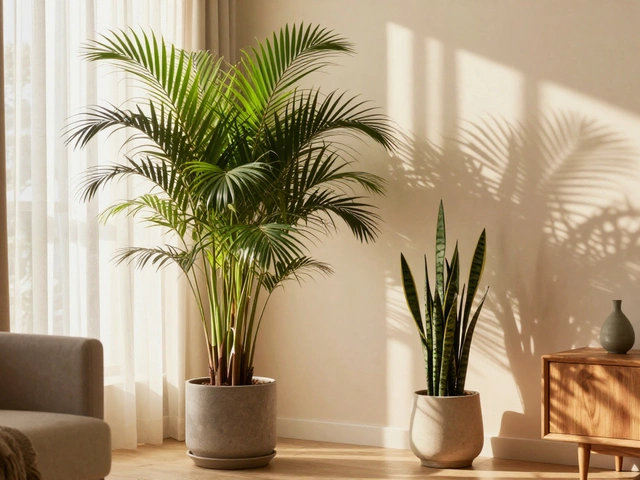
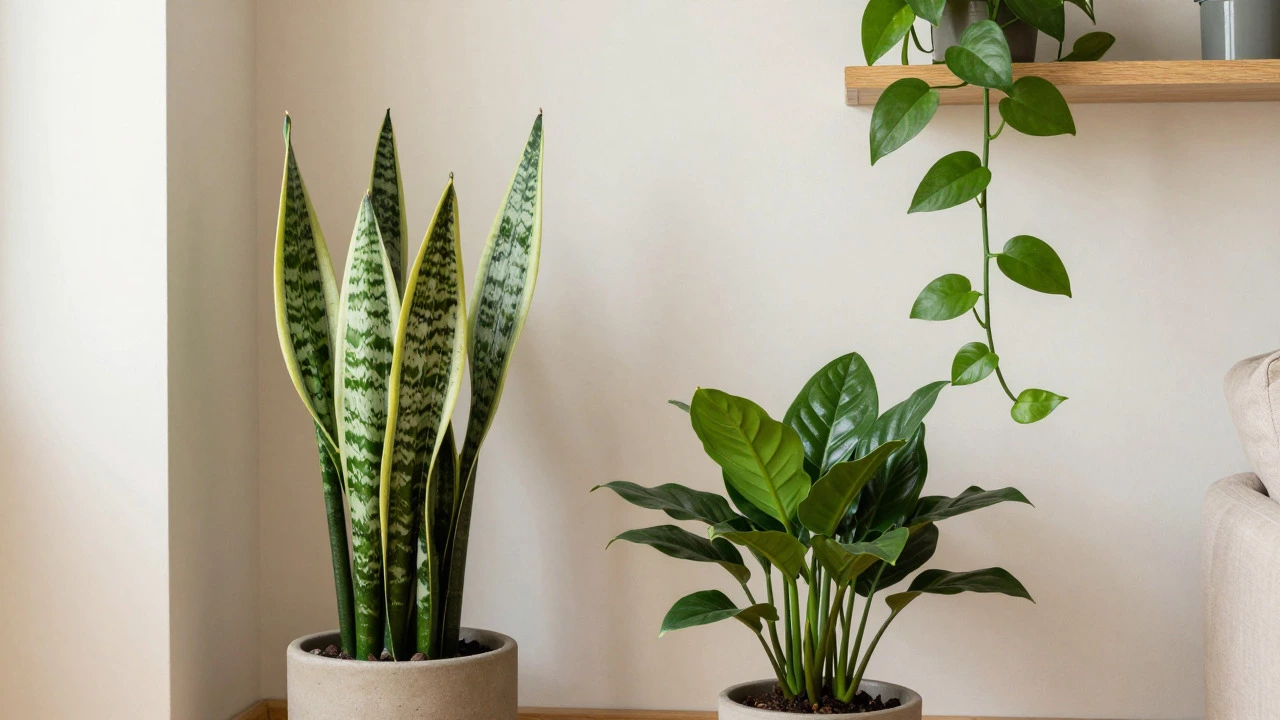
- Snake Plant (Sansevieria): This is arguably the most forgiving plant available. It tolerates low light, dry soil, and even poor air quality. Water it only when the soil is completely dry, which might be once every two to three weeks. It releases oxygen at night, making it perfect for bedrooms.
- Pothos (Epipremnum aureum): Known as Devil’s Ivy for good reason-it’s nearly impossible to kill. Pothos vines trail beautifully from shelves or hang from high spots. It prefers bright, indirect light but survives in dim corners. Overwatering is the only real threat; let the top inch of soil dry out before watering again.
- Zamioculcas zamiifolia (ZZ Plant): With thick, waxy leaves and underground rhizomes that store water, the ZZ Plant is built for drought. It looks sleek and modern, fitting well in minimalist interiors. It handles low light better than most houseplants and requires watering only every two to four weeks.
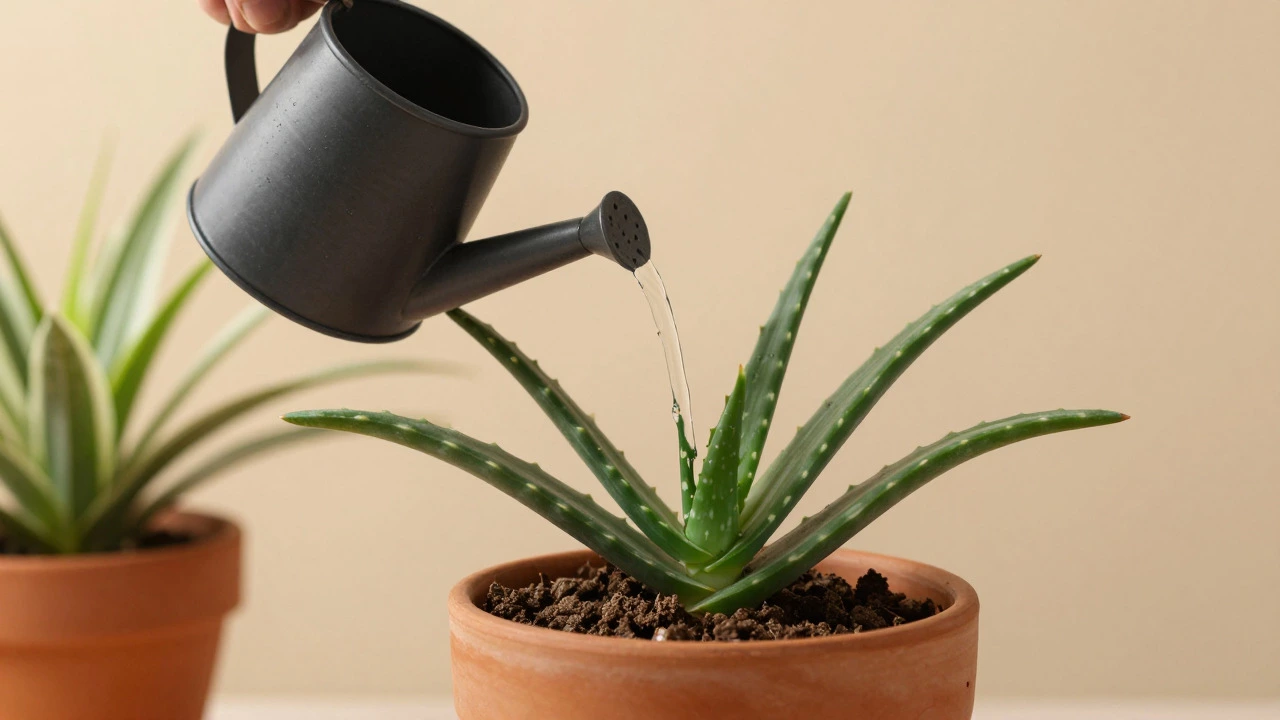
- Aloe Vera: Beyond being decorative, Aloe is functional. Its gel treats burns and skin irritations. As a succulent, it stores water in its fleshy leaves. Place it in a sunny window sill and water it sparingly. It thrives in the dry indoor air typical of heated or air-conditioned Indian homes.
Hardy Outdoor and Balcony Plants for Indian Climates
For those with balconies, terraces, or small garden patches, you need plants that can handle direct sun and temperature fluctuations. These choices are popular across various Indian states due to their adaptability.
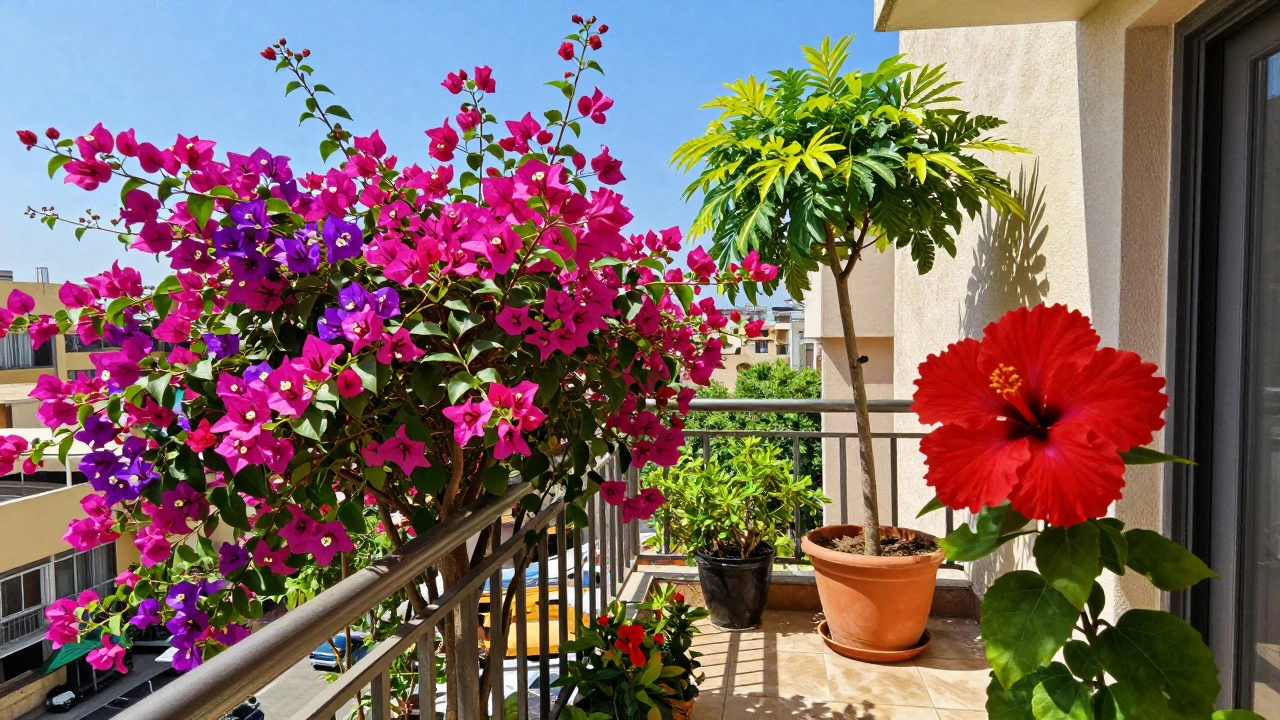
- Bougainvillea: A staple in Indian landscapes, Bougainvillea loves heat and sun. Once established, it needs very little water. Pruning is optional; if you let it grow wild, it creates a lush, colorful canopy. It blooms profusely in winter and spring, adding vibrant pink, purple, or orange hues to your space.
- Jasmine (Arabian Jasmine): While it needs some sun, Arabian Jasmine is relatively easy to manage. It provides a soothing fragrance that fills your balcony or veranda. Water it regularly during summer but reduce frequency in winter. It responds well to occasional trimming, which encourages more flowers.
- Mango Tree (Dwarf Varieties): For larger spaces, dwarf mango varieties offer fruit with minimal hassle compared to full-sized trees. They require standard tree care but are incredibly hardy once the sapling stage is passed. They handle Indian summers exceptionally well.
- Hibiscus: Hibiscus is a fast grower that produces large, showy flowers. It prefers full sun and warm temperatures. While it does need consistent moisture, it is forgiving if you miss a day or two. Pinching back new growth keeps the shape tidy without needing professional pruning.
Understanding Light and Water Needs: A Simple Guide
The biggest mistake beginners make is overwatering. Most plant deaths are caused by root rot from too much water, not too little. To avoid this, understand the basic needs of your chosen plant.
| Plant Name | Light Requirement | Water Frequency | Best For |
|---|---|---|---|
| Snake Plant | Low to Bright Indirect | Every 2-3 weeks | Bedrooms, Offices |
| Pothos | Medium to Bright Indirect | Every 1-2 weeks | Shelves, Hanging Baskets |
| ZZ Plant | Low to Medium | Every 2-4 weeks | Living Rooms, Entryways |
| Bougainvillea | Full Sun | Weekly (Summer), Monthly (Winter) | Balconies, Gardens |
| Aloe Vera | Direct Sun | Every 2-3 weeks | Window Sills, Kitchens |
Notice the pattern: most low-maintenance plants prefer drier conditions. If you live in a humid region like Goa or Kerala, allow the soil to dry out more between waterings to prevent fungal issues. In drier areas like Delhi or Jaipur, you may need to water slightly more often during peak summer, but still err on the side of caution.
Common Mistakes to Avoid
Even with hardy plants, a few habits can undo all your efforts. Avoid these common pitfalls:
- Ignoring Drainage Holes: Ensure every pot has drainage holes. Without them, excess water sits at the bottom, rotting the roots. If you buy a decorative pot without holes, use it as a cachepot around a plastic nursery pot.
- Using Heavy Soil: Standard garden soil can be too dense for potted plants. Mix it with sand or perlite to improve drainage. For succulents like Aloe, use a cactus-specific mix.
- Placing Plants in Drafts: Air conditioning vents or open windows in winter can shock sensitive leaves. Keep plants away from direct airflow.
- Over-Fertilizing: Low-maintenance plants rarely need extra food. A single application of balanced organic fertilizer in spring is usually enough. Too much fertilizer can burn the roots.
How to Start Your Low-Maintenance Garden
Starting simple is the best strategy. Begin with one or two plants that match your space's light conditions. Observe how they react over a month. Adjust your watering routine based on what you see-dry soil means water; wet soil means wait.
As you gain confidence, expand your collection. Consider pairing indoor plants with outdoor ones to create a cohesive green space. For example, place a Snake Plant inside near the balcony door, and a Bougainvillea outside on the railing. This combination ensures you always have greenery regardless of the season.
Remember, gardening is not about perfection. It’s about connection. Even if a leaf drops or a vine gets tangled, it’s part of the process. The goal is to enjoy the beauty of nature without the stress of constant upkeep. Choose plants that fit your life, and they will reward you with years of effortless green companionship.
Frequently Asked Questions
Which plant is the easiest to grow in India?
The Snake Plant (Sansevieria) is widely considered the easiest plant to grow in India. It tolerates low light, irregular watering, and varying temperatures. It is ideal for beginners who have no prior gardening experience.
Can I keep low-maintenance plants in a north-facing room?
Yes. North-facing rooms typically receive low indirect light. Plants like the ZZ Plant, Pothos, and Snake Plant thrive in such conditions. Avoid placing sun-loving plants like Succulents or Cacti in dark corners, as they may stretch and weaken.
Do low-maintenance plants need fertilizer?
They need very little. A general rule is to apply a balanced liquid fertilizer once every two months during the growing season (spring and summer). Skip fertilizing in winter when growth slows down. Over-fertilizing is more harmful than under-fertilizing for these species.
What should I do if my plant turns yellow?
Yellow leaves usually indicate overwatering. Check the soil moisture. If it is wet, stop watering immediately and ensure the pot has proper drainage. If the soil is dry, check for pests or nutrient deficiency. However, for low-maintenance plants, overwatering is the most common cause.
Are these plants safe for pets?
Not all. Snake Plants and Pothos are mildly toxic to cats and dogs if ingested. If you have curious pets, consider Spider Plants or Boston Ferns, which are non-toxic and also low-maintenance. Always research pet safety before bringing a new plant home.