Bonsai Misting Advisor
Select your bonsai type and current conditions to get a personalized recommendation on whether you should mist your tree.
Select options above to get advice
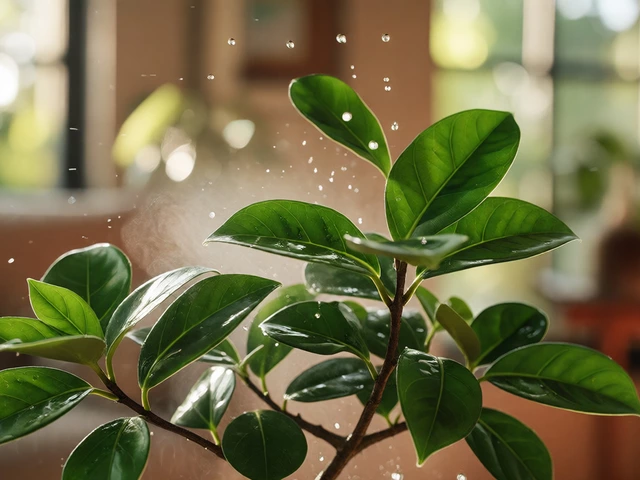
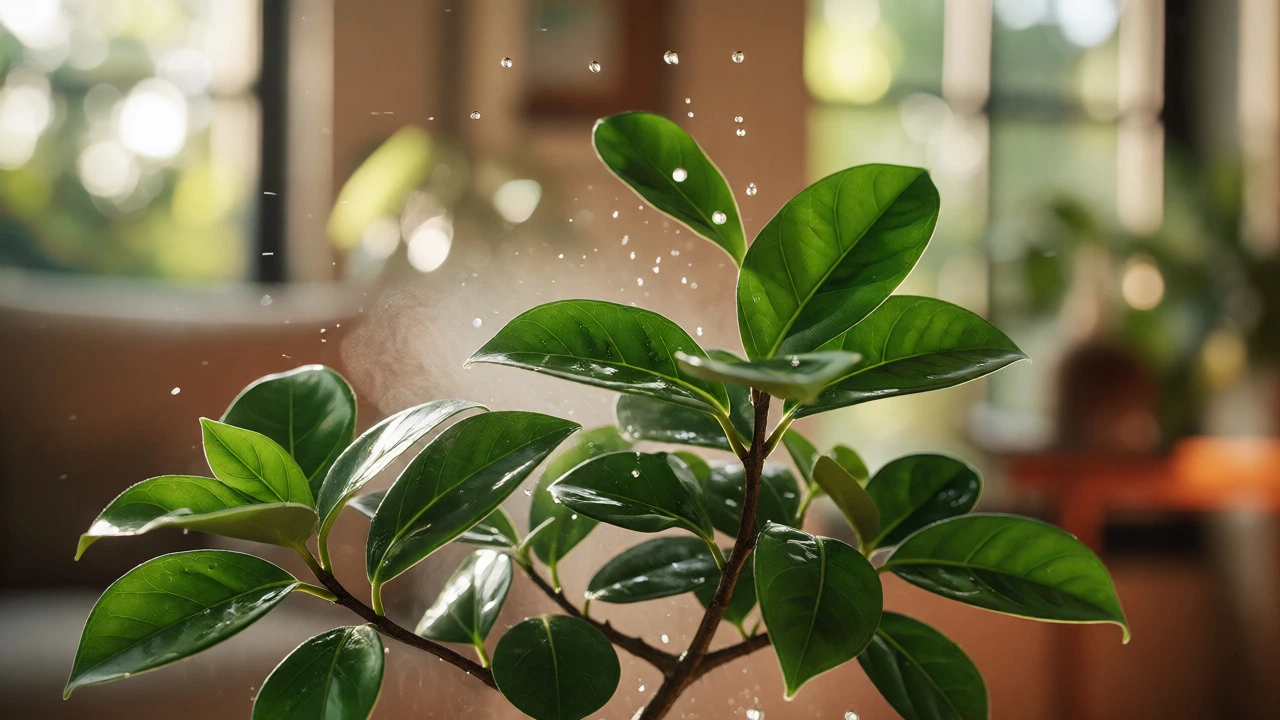
You’ve probably seen those glossy photos of Bonsai trees being sprayed with water droplets, looking fresh and vibrant. It looks therapeutic, doesn’t it? But here’s the uncomfortable truth: for most people, misting a bonsai is less about helping the tree and more about satisfying our own desire to feel like we’re doing something productive. If you’re asking "should I mist my bonsai tree?", the short answer is usually no-unless you know exactly why you are doing it.
The confusion stems from a misunderstanding of how plants actually breathe and drink. We often confuse leaf hydration with root hydration. While misting can help in very specific scenarios, it can also cause harm if done incorrectly, especially for beginners or those growing temperate species indoors. Let’s break down what’s really happening when you spray that fine mist on your Ficus or Juniper.
The Myth of Leaf Drinking
A common misconception is that Bonsai leaves absorb significant amounts of water through their surface. In reality, leaves have tiny pores called stomata, primarily designed for gas exchange (taking in CO2 and releasing oxygen), not for drinking water. While some moisture can be absorbed, it’s negligible compared to what the roots deliver. Think of misting like putting a wet cloth on your forehead when you’re thirsty; it feels nice, but it won’t hydrate your body effectively.
When you mist excessively, you might think you’re boosting humidity, but you’re often just creating a temporary microclimate that evaporates within minutes. Unless you are maintaining high ambient humidity consistently, the brief spike from a spray bottle does little to change the overall environment your tree lives in. This leads to the question: if it doesn’t hydrate them much, why do people do it?
When Misting Actually Helps
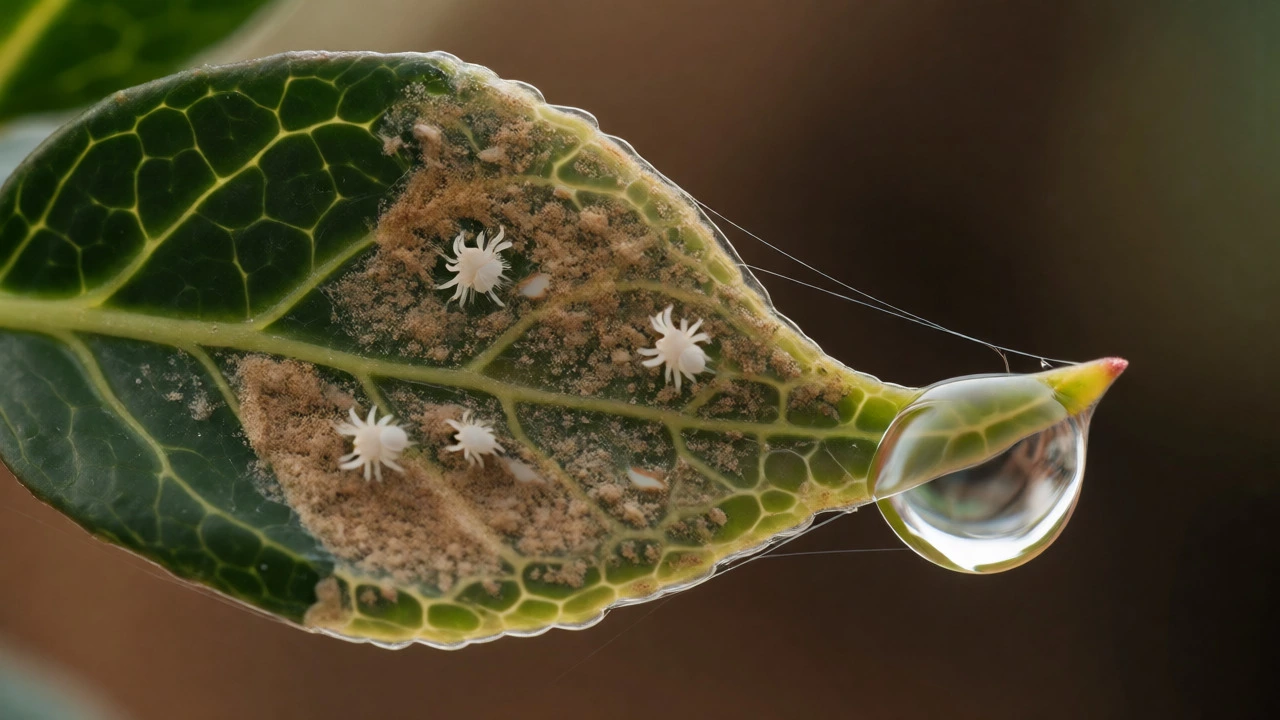
There are specific situations where misting transitions from a useless ritual to a genuine care technique. The primary benefit isn’t hydration-it’s pest control and dust removal. Spider mites and other microscopic pests thrive in dry, dusty conditions. A regular misting routine can disrupt their breeding cycles and wash away the dust that blocks sunlight from reaching the chlorophyll.
- Tropical Species: Trees like Ficus retusa (Ginseng Ficus), Carmona (Fukien Tea), and Schefflera originate from humid rainforests. They tolerate-and sometimes prefer-higher humidity levels than our dry living rooms provide.
- Pest Prevention: If you notice webbing under leaves or stippling on foliage, increasing humidity via misting can deter spider mites before an infestation takes hold.
- Dust Removal: Indoor environments accumulate dust. Misting acts as a gentle shower, keeping leaves clean and maximizing photosynthesis efficiency.
However, even for these tropical varieties, misting is a supplementary action, not a replacement for proper watering or humidity trays. It’s a hygiene step, not a life-support system.
The Dangers of Over-Misting
If you live in a cooler climate or grow temperate species outdoors, misting can actually be detrimental. The biggest risk is fungal disease. When water sits on leaves for too long, especially in poor air circulation, it creates a perfect breeding ground for fungi like powdery mildew or botrytis.
| Bonsai Type | Misting Benefit | Primary Risk | Recommendation |
|---|---|---|---|
| Tropical (Ficus, Jade) | High (Pest/Dust control) | Fungal spots if overdone | Mist lightly every few days; ensure airflow |
| Temperate Outdoor (Juniper, Maple) | Low | Needle rot, branch dieback | Avoid misting; rely on rain or soil watering |
| Conifers (Pine, Spruce) | Very Low | Needle tip burn, fungal infection | Rarely mist; focus on root health |
| Deciduous (Elm, Zelkova) | Moderate | Leaf spot diseases | Mist only if air is extremely dry (<30% RH) |
For conifers like Japanese Black Pine, misting is generally discouraged. Their needles are adapted to drier conditions, and constant moisture can lead to needle drop or fungal issues at the base of the needles. If you find yourself misting a Juniper because you’re worried about dryness, check your soil instead. You’re likely dealing with underwatering, not low humidity.
Humidity vs. Watering: Don’t Confuse Them
This is the critical distinction many new growers miss. Watering targets the roots; Misting targets the canopy. Your bonsai gets 95% of its water from the soil. If your tree looks wilted, spraying the leaves won’t save it. The roots need to be moist.
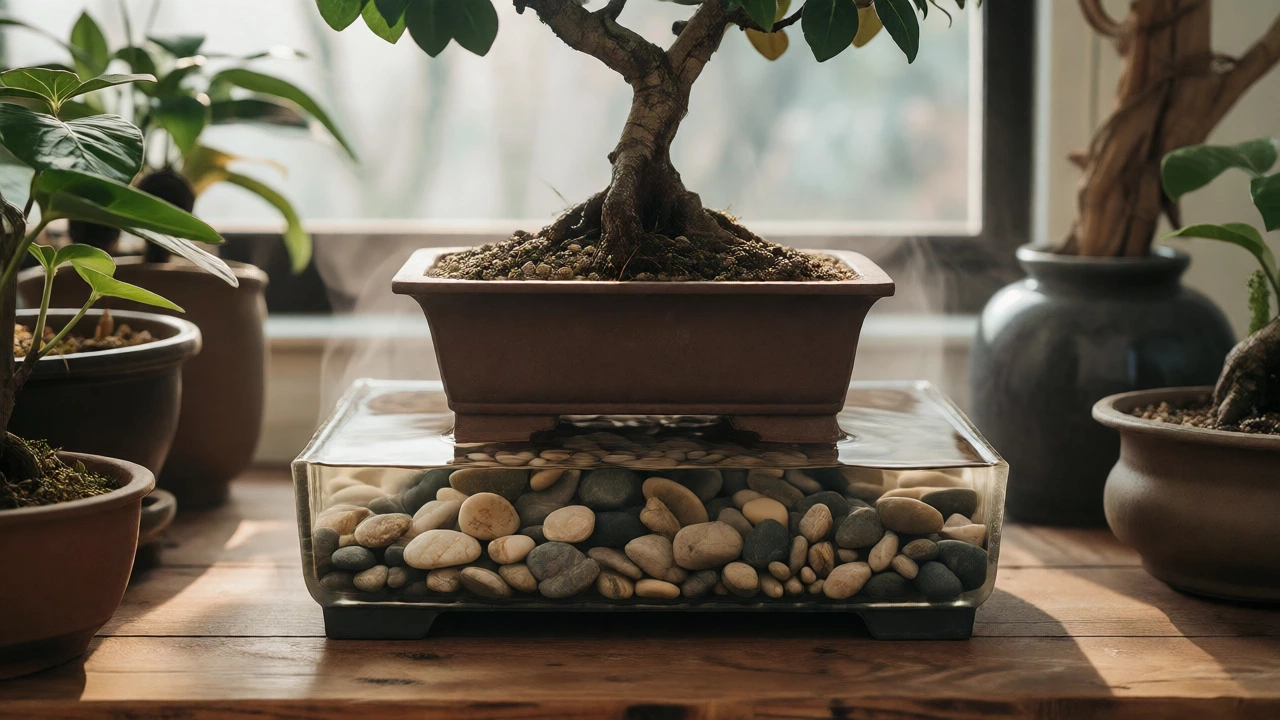
Instead of relying on misting to boost humidity, consider using a humidity tray. Fill a shallow tray with pebbles and water, then place the bonsai pot on top of the pebbles so the pot bottom doesn’t touch the water. As the water evaporates, it creates a localized zone of higher humidity around the tree without soaking the leaves. This method is far more effective and safer than daily misting.
Another option is grouping plants together. Plants transpire moisture, and when clustered, they create a shared humid microclimate. This mimics the natural forest floor better than a spray bottle ever could.
How to Mist Correctly (If You Must)
If you decide misting fits your routine-perhaps for a Ficus on a sunny windowsill-do it right. Timing matters. Mist in the morning so the leaves have time to dry during the day. Nighttime misting leaves moisture sitting on the foliage for hours, inviting fungus.
- Use Clean Water: Tap water often contains chlorine and minerals that leave white residue on leaves. Use distilled water, rainwater, or let tap water sit out for 24 hours to dissipate chlorine.
- Check Temperature: Never mist cold trees with warm water, or hot trees with ice-cold water. Thermal shock can damage cells. Match the water temperature to the ambient room temperature.
- Light Coverage Only: Aim for a fine mist that barely dampens the leaves. You want a light dew, not a soaked plant. If water drips off the leaves, you’ve used too much.
- Ensure Airflow: Stagnant air plus moisture equals mold. Ensure there is gentle air circulation around the tree after misting.
Remember, less is more. If you have to ask whether you should mist today, look at the leaves first. Are they dusty? Are there signs of spider mites? If yes, mist. If they are clean and the tree is healthy, skip it.
Signs Your Bonsai Needs More Than Mist
If you’re misting constantly because your bonsai looks unhappy, you’re treating the symptom, not the cause. Look for these signs:
- Crispy Leaf Tips: Often indicates dry air, but can also mean salt buildup in the soil from fertilizers. Flush the soil thoroughly.
- Yellowing Leaves: Usually a sign of overwatering or nutrient deficiency, not lack of humidity.
- Shedding Leaves: Tropical bonsais may drop leaves due to stress from drafts, temperature changes, or inconsistent watering-not necessarily low humidity.
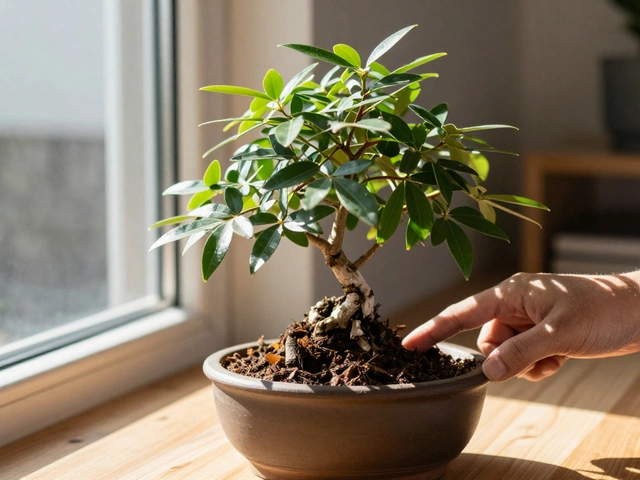
Before reaching for the spray bottle, check the soil moisture. Stick your finger an inch into the substrate. If it’s dry, water deeply until it runs out of the drainage holes. If it’s wet, stop watering. Misting won’t fix a watering error.
Final Thoughts: Listen to Your Tree
So, should you mist your bonsai tree? For tropical species kept indoors in dry climates, occasional misting is a harmless, potentially beneficial hygiene practice. For outdoor temperate trees, it’s largely unnecessary and potentially risky. The key is observation. Watch how your specific tree reacts. Some Ficus trees seem to love the extra attention; others develop brown spots immediately.
Don’t let the ritual of misting distract you from the fundamentals: proper watering, adequate light, and good air circulation. Those three factors determine your bonsai’s health far more than a few drops of water on the leaves. Keep it simple, keep it consistent, and your tree will thank you.
Can I use tap water for misting my bonsai?
It depends on your local water quality. Hard water contains minerals that leave white deposits on leaves, which can block light absorption. Chlorine can also irritate sensitive foliage. Ideally, use rainwater, distilled water, or filtered water. If you must use tap water, let it sit in an open container for 24 hours to allow chlorine to evaporate, though this won't remove minerals.
Does misting prevent spider mites?
Yes, regularly. Spider mites thrive in hot, dry, and dusty conditions. Keeping the foliage clean and slightly humid makes the environment less hospitable for them. However, misting alone won't cure a severe infestation; you'll need insecticidal soap or neem oil for that.
Should I mist outdoor bonsai trees?
Generally, no. Outdoor bonsai trees are exposed to wind, rain, and natural humidity fluctuations. Misting them adds little value and increases the risk of fungal diseases like rust or needle cast, especially in cool, damp weather. Focus on proper soil watering and protection from extreme elements instead.
What is the best alternative to misting for humidity?
A humidity tray is the most effective passive method. Place a layer of pebbles in a shallow dish, add water just below the top of the pebbles, and set the bonsai pot on top. As the water evaporates, it raises the humidity around the plant without wetting the leaves. Grouping multiple plants together also works well.
Why are my bonsai leaves turning brown after misting?
Brown tips or spots after misting usually indicate one of two things: mineral buildup from hard water, or fungal infection due to poor air circulation. Switch to distilled water and ensure the leaves dry quickly. If spots persist, reduce misting frequency and improve airflow around the tree.