Resilient Vegetable Selector
Your Garden Conditions
Recommendation Engine
Select your conditions and click Analyze to find your most resilient crop.
Vegetable Name
Why it wins
Why this fits your garden:
Alternative Options
Imagine a vegetable that survives a harsh winter frost, thrives in poor soil, and barely needs water. That is the definition of resilience in the garden. For many home growers, especially those facing unpredictable weather or limited time, finding such a crop feels like hunting for a unicorn. But it exists. The most resilient vegetable is not just one plant; it is a category of hardy crops that adapt to local conditions with minimal intervention.
In this guide, we will identify the top contenders for this title and explain why they win. We will look at specific varieties, their survival mechanisms, and how you can use them to build a more sustainable food source. Whether you are in a cold zone or a hot dry area, there is a tough veggie waiting for your plot.
Defining Resilience in Vegetable Crops
Before picking a winner, we need to agree on what "resilient" actually means. It is not just about surviving cold. True resilience involves three key factors:
- Drought Tolerance: The ability to survive weeks without rain using deep root systems.
- Pest Resistance: Natural defenses against common insects and diseases without chemical sprays.
- Soil Adaptability: Growing well in rocky, sandy, or clay-heavy soils without heavy fertilization.
A vegetable that scores high in all three areas is considered highly resilient. This makes it ideal for sustainable gardening because it reduces the need for inputs like water, compost, and pesticides.
The Top Contender: The Sweet Potato
If we are talking about broad climate adaptability and low maintenance, the sweet potato takes the crown for many regions. Unlike standard potatoes, sweet potatoes are vines that spread out, covering the ground and suppressing weeds naturally. They thrive in heat and humidity but also tolerate some drought once established.
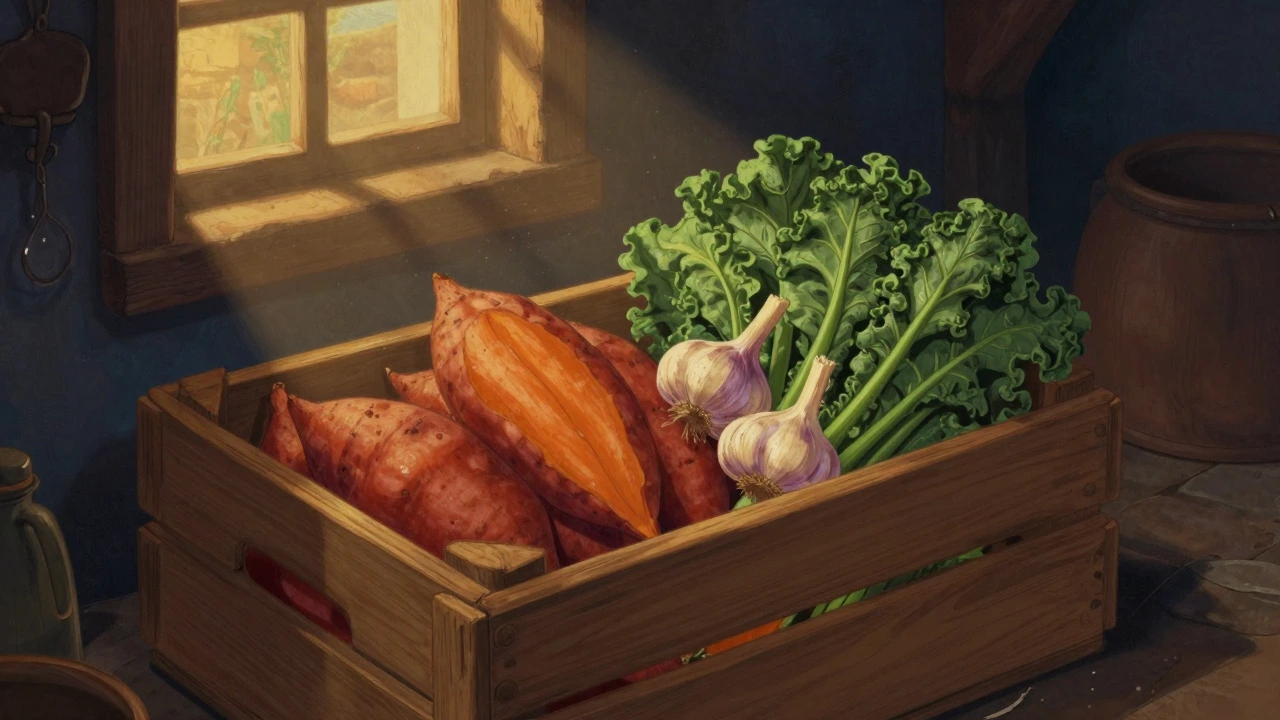
Sweet potatoes have a massive advantage in pest resistance. While standard potatoes suffer from blight and beetles, sweet potatoes rarely face serious disease issues. Their storage life is also exceptional. Properly cured sweet potatoes can last six months or more in a cool, dark place, providing food security through the winter.
| Variety | Drought Tolerance | Cold Hardiness | Pest Resistance | Storage Life |
|---|---|---|---|---|
| Sweet Potato | High | Low (frost sensitive) | Very High | 6+ Months |
| Kale | Medium | Very High | High | Fresh Only |
| Garlic | High | Very High | Very High | 12+ Months |
| Radish | Low | Medium | Medium | 2-3 Weeks |
The Cold Climate Champion: Kale
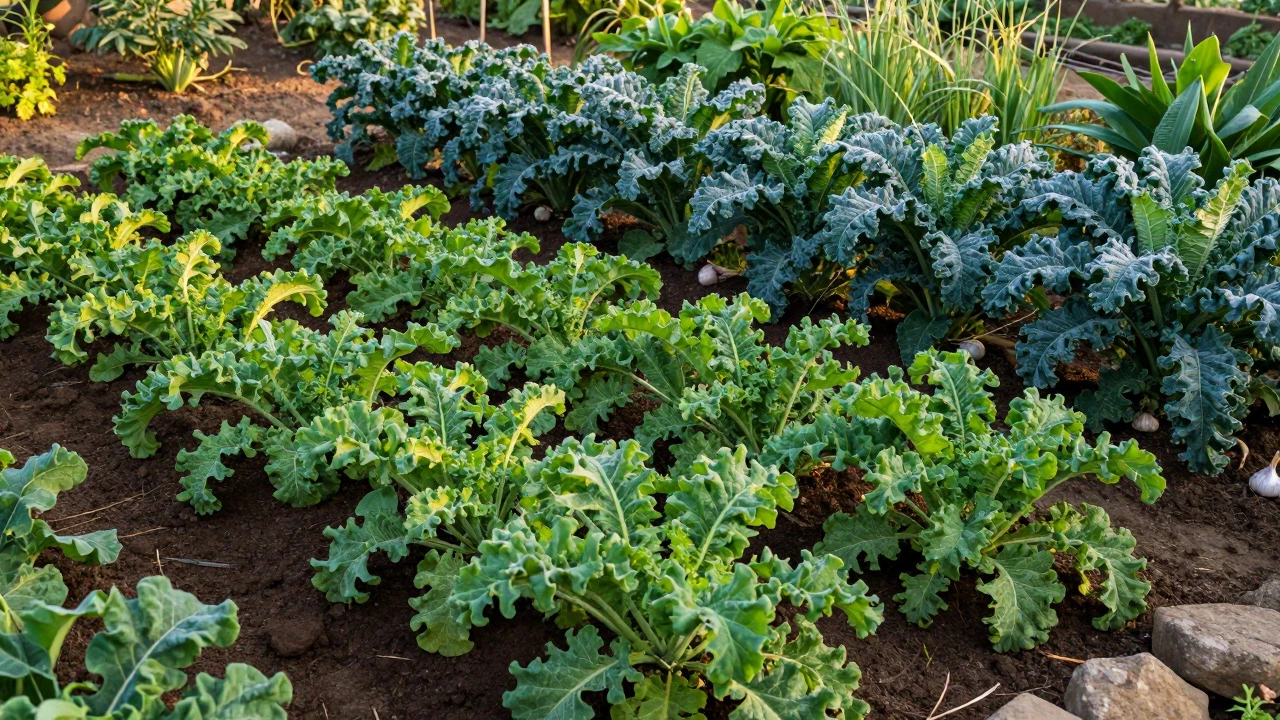
For gardeners in cooler zones, kale is the undisputed king of resilience. Specifically, varieties like Lacinato kale or Curly kale can withstand frost down to -5°C and even improve in flavor after a freeze. The cold converts starches into sugars, making the leaves sweeter and more palatable.
Kale has a long harvest window. You can start picking outer leaves in late summer and continue until the first hard frost kills the plant. Its deep taproot allows it to access moisture below the surface, reducing watering needs during mild droughts. In terms of sustainability, kale is a nitrogen accumulator. When the plant dies back, leaving the roots in the soil adds organic matter and nutrients for the next crop.
The All-Rounder: Garlic
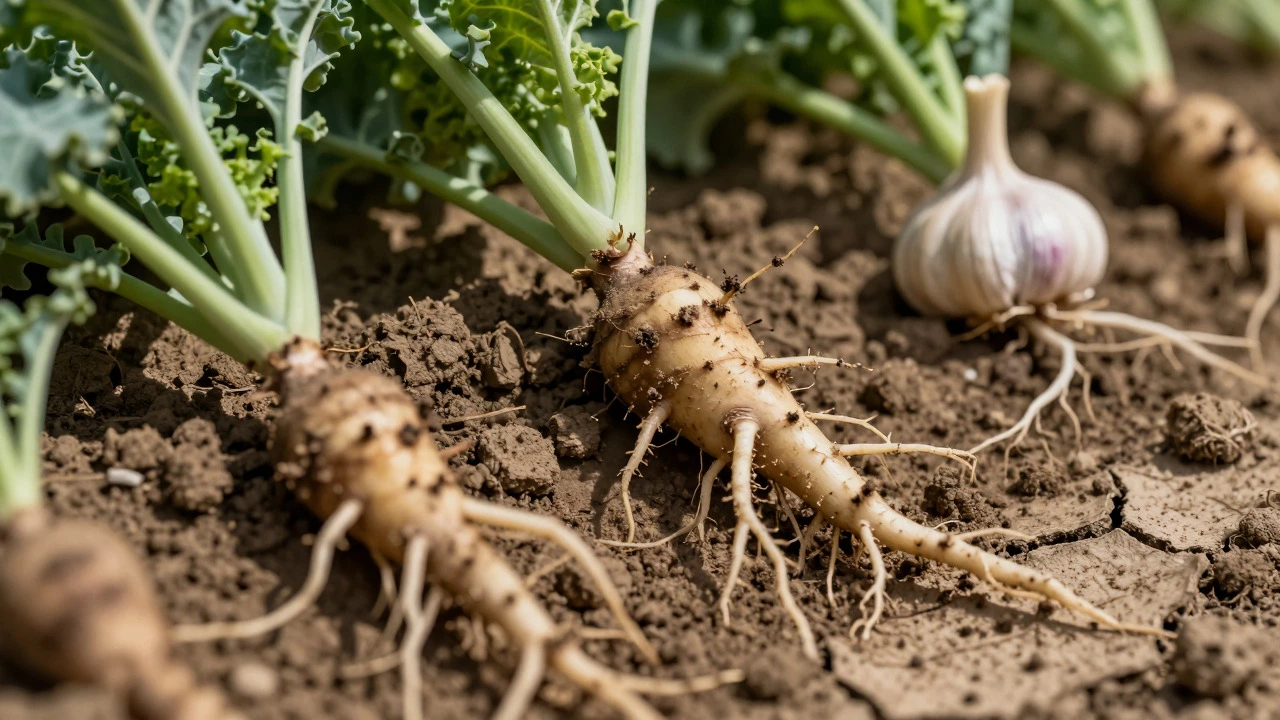
Garlic is often overlooked as a "vegetable," but it is one of the most resilient crops you can grow. It requires almost no care once planted in autumn. It goes dormant in winter, grows slowly in spring, and matures by early summer.
Garlic is incredibly hardy. It tolerates poor soil, light shade, and varying temperatures. Its strong scent deters many pests, including rabbits and deer. From a sustainability perspective, garlic is perfect. You can save seeds (bulbs) from your own harvest year after year, eliminating the need to buy new stock. The bulbs store for over a year if kept in a dry, ventilated space, making them a reliable pantry staple.
Why Resilient Veggies Matter for Sustainability
Choosing resilient vegetables is a core principle of sustainable gardening. When a plant struggles, you are forced to intervene. You add water, fertilizer, or sprays. Each intervention has an environmental cost. Water usage depletes local resources. Synthetic fertilizers run off into waterways. Pesticides harm beneficial insects like bees and ladybirds.
By selecting crops that naturally fit your local environment, you reduce these inputs. This creates a closed-loop system where the garden feeds itself. For example, growing legumes like beans alongside resilient root vegetables fixes nitrogen in the soil, reducing the need for external compost. This synergy is the heart of regenerative agriculture at a small scale.
How to Choose the Right Resilient Crop for Your Area
There is no single "best" vegetable for every location. Your choice depends on your specific climate zone and soil type. Here is how to decide:
- Check Your Frost Dates: If you have a short growing season, focus on cold-hardy crops like kale, spinach, and garlic. If you have a long, warm season, prioritize heat-lovers like sweet potatoes and peppers.
- Assess Your Soil Drainage: Clay soil holds water, which can rot roots. In this case, choose crops that dislike wet feet, like onions or garlic. Sandy soil drains fast, so pick deep-rooted plants like carrots or beets that can reach deeper moisture.
- Consider Sun Exposure: If your garden gets only partial sun, leafy greens like chard or kale will outperform fruiting crops like tomatoes or cucumbers.
Start with one or two resilient varieties rather than trying to grow everything. Master their needs before expanding. This approach prevents frustration and ensures success.
Common Mistakes to Avoid
Even experienced gardeners make mistakes when trying to grow resilient crops. Here are the most common pitfalls:
- Overwatering: Resilient plants are adapted to stress. Constant watering weakens their root systems. Let the soil dry out between waterings to encourage deep growth.
- Ignoring Soil Health: Even hardy plants need basic nutrients. Test your soil annually and amend it with compost in autumn. This builds long-term fertility without relying on quick-fix fertilizers.
- Planting Too Late: Resilience does not mean magic timing. Plant garlic in autumn, not spring, for the best size. Start kale seedlings indoors if your spring is too short.
Practical Tips for Maximizing Resilience
You can boost the natural resilience of any vegetable with simple practices. Mulching is the most effective tool. A layer of straw or wood chips around your plants retains moisture, regulates soil temperature, and suppresses weeds. This reduces evaporation by up to 70%, saving significant water.
Companion planting also helps. Planting marigolds near your sweet potatoes repels nematodes. Growing basil near tomatoes confuses pests and improves flavor. These biological controls replace chemical interventions, keeping your garden healthy and balanced.
Frequently Asked Questions
What is the easiest vegetable to grow for beginners?
Radishes and lettuce are often cited as the easiest. However, for long-term resilience, kale and garlic are superior because they require less daily attention and have longer lifespans in the ground.
Can I grow sweet potatoes in the UK?
Yes, but you must start them indoors in a warm spot in spring. Transplant them outside only after the risk of frost has passed. They do well in Brighton and other southern coastal areas where summers are mild.
How do I store resilient vegetables for winter?
Root vegetables like carrots and parsnips can be left in the ground under mulch. Bulbs like garlic and onions should be dried thoroughly and stored in mesh bags in a cool, dark cellar. Leafy greens like kale are best harvested fresh or blanched and frozen.
Do resilient vegetables taste worse than delicate ones?
Not necessarily. Many resilient crops, like kale and garlic, develop complex flavors when exposed to stress like cold or drought. The sugar content increases, making them sweeter and more intense than their delicate counterparts.
What is the most water-efficient vegetable?
Onions and garlic are among the most water-efficient. Once established, they rely on deep roots to find moisture. Mediterranean herbs like rosemary and thyme are even more efficient but are classified as herbs rather than vegetables.