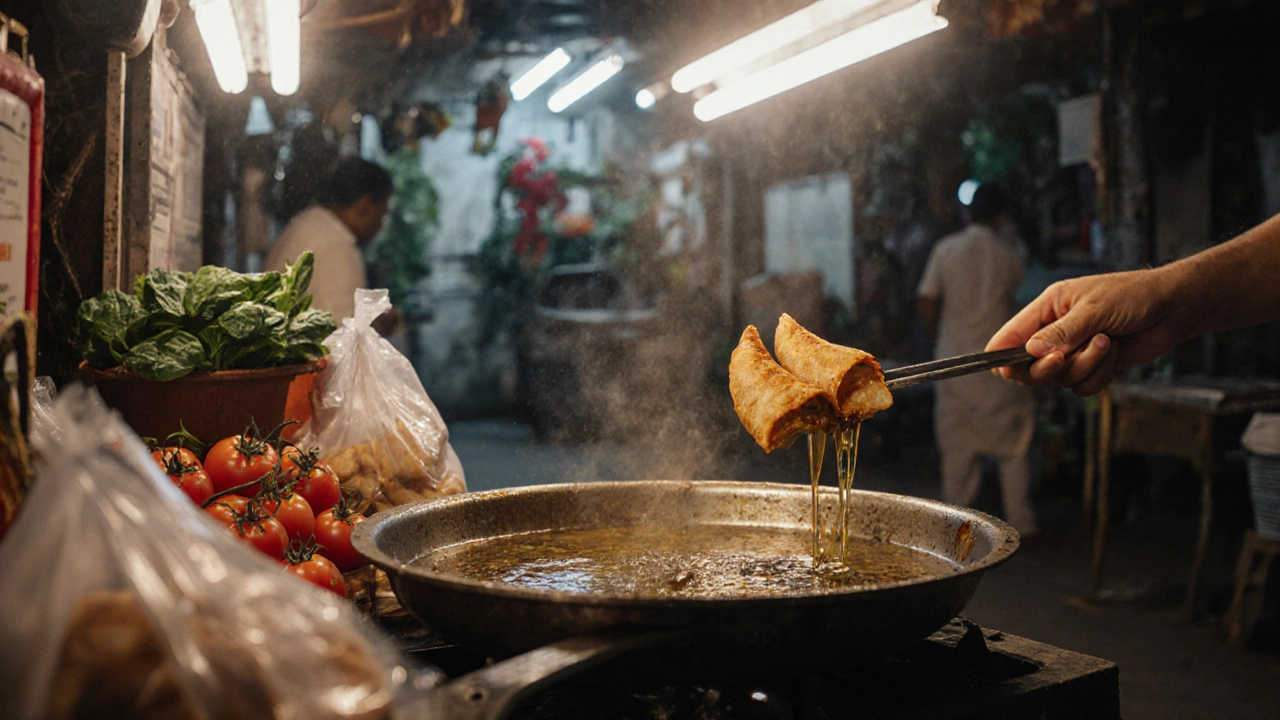
The unhealthiest food in the world isn't a single item-it's ultra-processed, sugar-laden, trans-fat-filled products designed to be addictive. Learn what to avoid and how to make better choices.
Trans Fats: What They Are, Why They Harm You, and How to Avoid Them
When you hear trans fats, a type of unhealthy fat created during industrial food processing that raises LDL cholesterol and lowers HDL cholesterol. Also known as partially hydrogenated oils, they’re designed to make foods last longer and taste better—but they come at a steep cost to your heart. Unlike natural fats found in butter or coconut oil, trans fats don’t occur in nature in significant amounts. They’re made by adding hydrogen to liquid oils to turn them solid, a process used in margarine, fried foods, and baked goods. This might sound harmless, but your body doesn’t know how to process them right—and that’s where the trouble starts.
These fats don’t just add calories—they actively harm your arteries. Studies show that for every 2% of daily calories from trans fats, your risk of heart disease jumps by 23%. They don’t just raise your bad cholesterol (LDL cholesterol, low-density lipoprotein, the type that builds up in artery walls); they also lower your good cholesterol (HDL cholesterol, high-density lipoprotein, which helps remove cholesterol from your bloodstream). That double hit makes them one of the worst things you can eat for your heart. And they’re everywhere: in store-bought cookies, crackers, frozen pizzas, and even some brands of microwave popcorn. Labels say "0 grams trans fat"? That’s legal if it’s under 0.5 grams per serving. Eat two servings, and you’re back in danger.
So what’s the fix? Start reading ingredient lists—not just nutrition labels. If you see "partially hydrogenated oil," walk away. Swap fried snacks for roasted nuts. Choose fresh over packaged. Cook at home more often. Even small changes add up. You don’t need to become a nutrition expert—just learn to spot the hidden traps. The good news? Cutting trans fats doesn’t mean giving up flavor. It means choosing better ingredients: olive oil instead of shortening, whole grains instead of white flour, and real butter over margarine. Your heart will thank you.
Below, you’ll find real guides from farmers and gardeners who care about what they eat—and what they grow. From how white rice affects cholesterol to the best compost for healthy soil, these posts connect what’s on your plate to what’s in your garden. No fluff. Just clear, practical advice to help you eat better and live healthier.