Balcony Garden Plant Selector
Based on your selections, here's what will thrive on your balcony:
You’ve got a balcony. Maybe it’s tiny. Maybe it gets sun for three hours a day. Maybe you’ve never grown anything beyond a houseplant. And now you’re wondering: Can I start a garden on my balcony? The answer isn’t just yes-it’s absolutely, and here’s how to make it work without the stress, the mess, or the failed experiments.
Space Doesn’t Matter-Layout Does
Most people think they need a big balcony to grow food or flowers. That’s not true. A 4x6-foot balcony can feed a person for months if you use space smartly. The trick isn’t size-it’s vertical stacking and smart container choices.
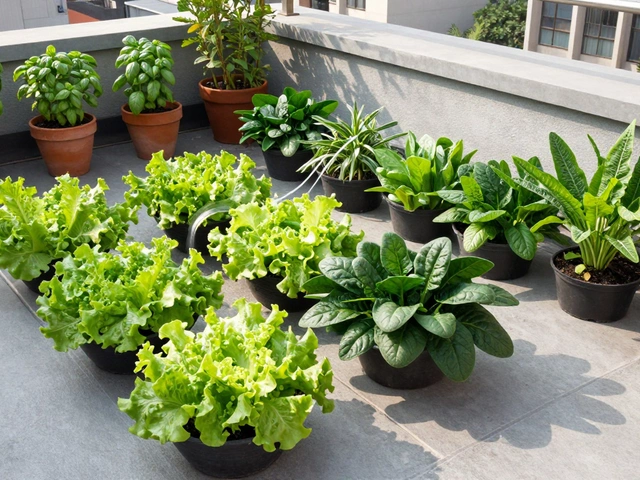
Start by mapping your sunlight. Use a simple phone app like Sun Surveyor or just watch how the light moves over a day. If you get less than 4 hours of direct sun, stick with leafy greens: lettuce, spinach, kale, and Swiss chard. If you get 6+ hours, you can grow tomatoes, peppers, cucumbers, and even dwarf fruit trees in large pots. No sun? Don’t give up. There are shade-tolerant herbs like mint, parsley, and chives that will still thrive.
Containers Are Your Best Friend
You don’t need fancy planters. A repurposed bucket, a wooden crate, a hanging shoe organizer, even a stack of old Tupperware with drainage holes drilled in the bottom-all work. The only rule? Every container must drain. Standing water kills roots faster than neglect.
For veggies, use pots that are at least 12 inches deep. Tomatoes need 18 inches. Herbs can live in 6-inch pots. And don’t forget weight. A 5-gallon pot full of wet soil weighs over 40 pounds. Make sure your balcony’s structure can handle it. Most modern buildings are fine, but if yours is older, stick to lighter containers like fabric grow bags or plastic buckets.
Soil Isn’t Just Dirt
Don’t use dirt from your yard. It compacts in pots, suffocates roots, and brings pests. Use potting mix-specifically labeled for containers. It’s light, airy, and drains well. Look for mixes with peat moss, perlite, and compost. Avoid cheap mixes with lots of bark; they break down too fast and turn to mud.
For best results, mix in a handful of slow-release organic fertilizer when you plant. Brands like Espoma or Dr. Earth work well. You’ll thank yourself in 6 weeks when your plants aren’t yellowing and stalling.
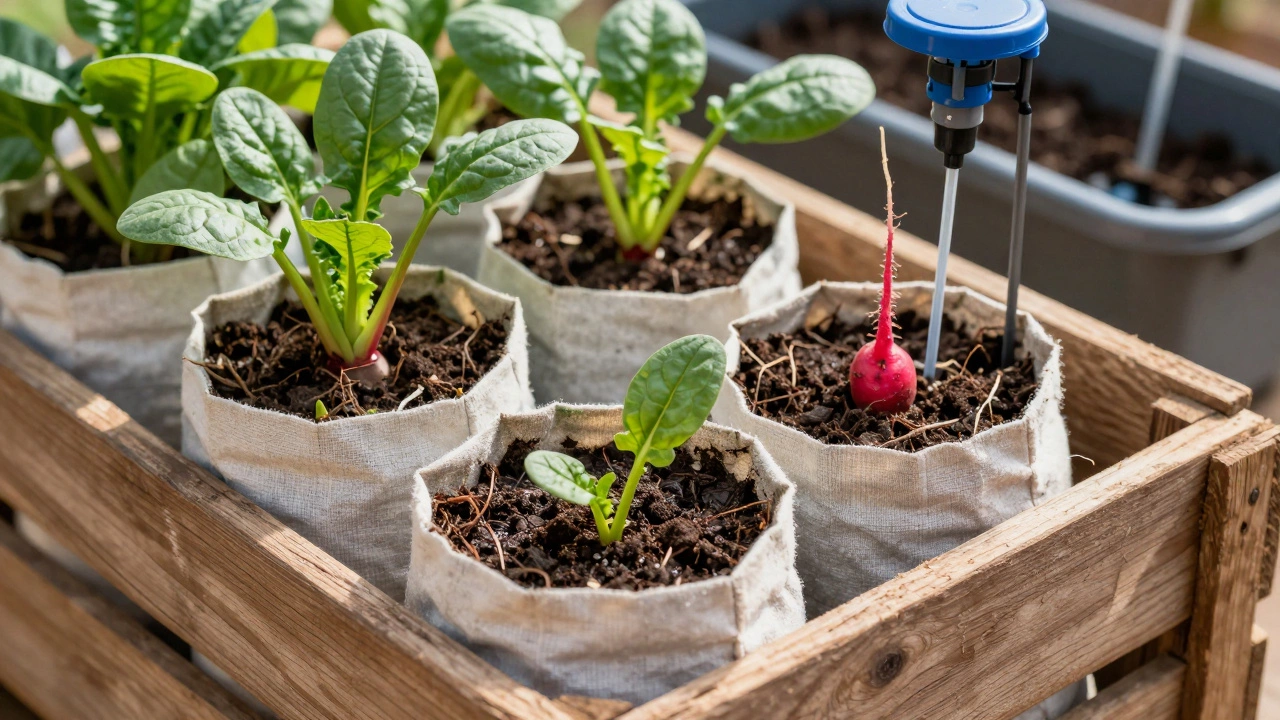
Start With These 5 Easy Plants
First-time balcony gardeners fail because they try to grow too much too soon. Start simple:
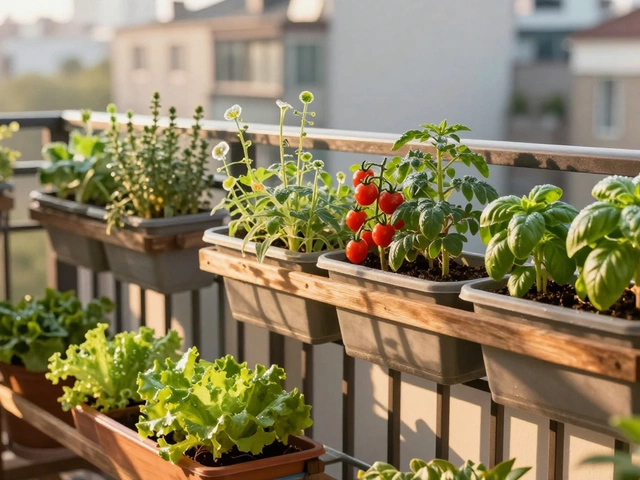
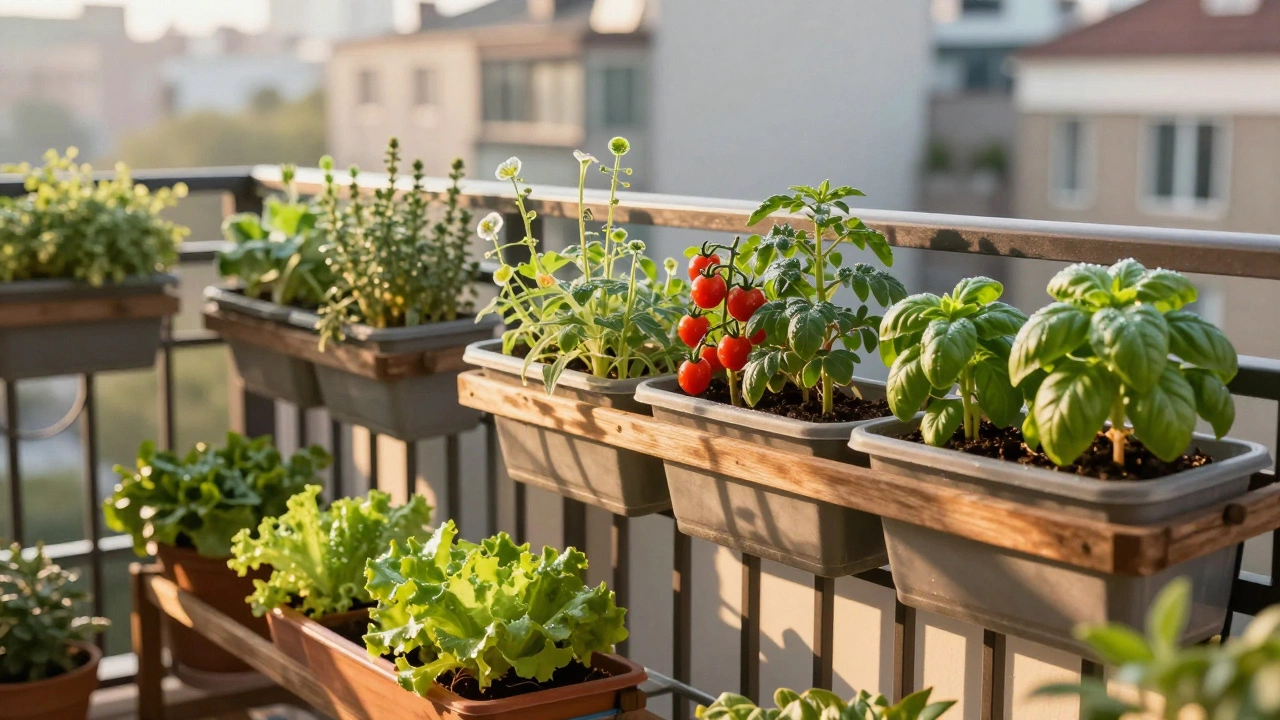
- Cherry tomatoes - Grow in 18-inch pots. One plant can give you 20+ pounds of fruit. Choose compact varieties like ‘Tumbling Tom’ or ‘Patio Princess’.
- Lettuce - Harvest in 30 days. Plant every 2 weeks for a continuous supply. Use shallow trays or window boxes.
- Basil - Loves sun and heat. Snip leaves often to keep it bushy. Pair it with tomatoes-they grow better together.
- Radishes - Ready in 25 days. Perfect for small pots. Plant them in between slower growers to maximize space.
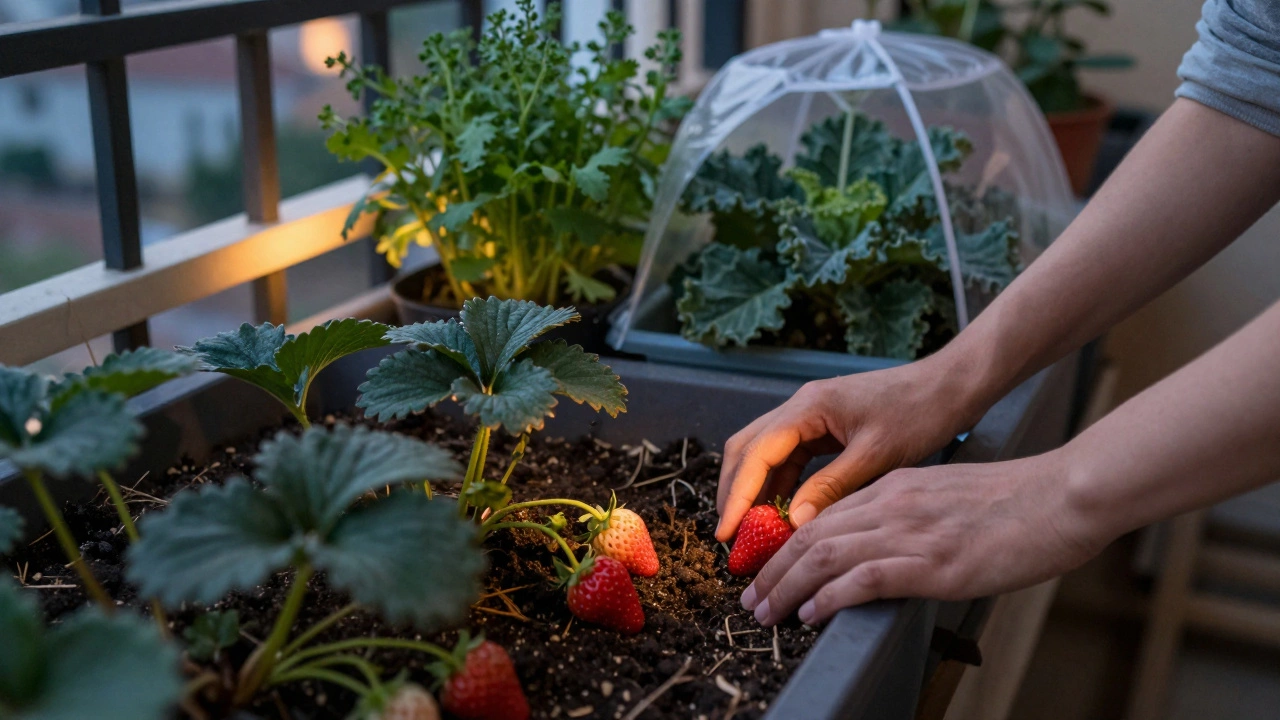
- Strawberries - Use hanging planters or tiered pots. They spread, but not aggressively. Sweet, juicy, and surprisingly easy.
These five will give you quick wins. You’ll see results in weeks, not months. That’s the key to staying motivated.
Watering Right-Not Too Much, Not Too Little
Most balcony gardeners kill plants by overwatering. Or they forget to water for days. The sweet spot? Water when the top inch of soil feels dry. Stick your finger in. If it’s damp, wait. If it’s dusty, water.
Use a watering can with a long spout. Avoid sprinklers-they waste water and encourage mildew. Morning watering is best. It gives plants time to dry before nightfall, which cuts down on fungal diseases.
If you travel often, invest in self-watering planters. They have reservoirs at the bottom that feed plants slowly. Or use a simple drip system with a timer. Even a $15 kit from a hardware store can keep things alive for two weeks.
Pests? Yes. Catastrophe? No
You’ll get aphids. Maybe spider mites. Maybe a few slugs if you live near trees. Don’t panic. Balcony gardens have fewer pests than ground gardens because they’re isolated. And they’re easier to treat.
For aphids, spray with a mix of water and a few drops of dish soap. For slugs, put a ring of coffee grounds or crushed eggshells around pots. If something’s really bad, use neem oil-it’s organic, safe for bees, and works on almost everything.
Keep a close eye on the undersides of leaves. That’s where bugs hide. Check once a week. Catch it early, and you’ll never need chemicals.
Seasons Change-Your Garden Should Too
Winter isn’t a pause-it’s a reset. In cold climates, move sensitive plants indoors near a sunny window. Lettuce and kale can survive frost if you cover them with a cloche or old sheet. In spring, clean out last year’s pots, refresh the soil, and replant.
Rotate crops. Don’t plant tomatoes in the same pot two years in a row. It drains nutrients and invites disease. Swap pots around. Move your herbs to where your tomatoes were. It keeps the soil healthy.
If you live where winters are harsh, consider growing microgreens indoors during the off-season. They need no sun, just a windowsill and 10 days. You’ll have fresh greens all year.
What You’ll Get-Beyond Food
It’s not just about the tomatoes or the herbs. A balcony garden changes how you feel. You’ll notice the sunrise. You’ll hear bees. You’ll smell basil after rain. You’ll stop scrolling and start watching.
Studies show that tending plants-even in small spaces-lowers cortisol, reduces anxiety, and improves sleep. You don’t need a yard. You don’t need to be an expert. You just need to start.
One pot. One plant. One day. That’s all it takes.