Home Vegetable Savings Calculator
Calculate Your Savings
Estimate how much you can save by growing high-demand vegetables in India.
When you think of Indian kitchens, you think of spices, curry leaves, and fresh tomatoes sizzling in hot oil. But behind every flavorful dish is a simple truth: vegetables are the backbone of Indian meals. And right now, certain vegetables aren’t just popular-they’re in high demand across cities, towns, and villages. If you’re thinking of starting a small garden in your backyard, balcony, or terrace, knowing which ones sell out fastest or are most needed can make all the difference.
Tomatoes: The Kitchen Workhorse
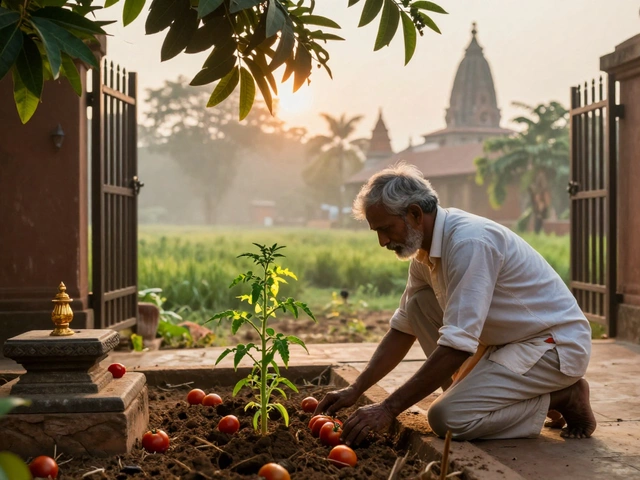
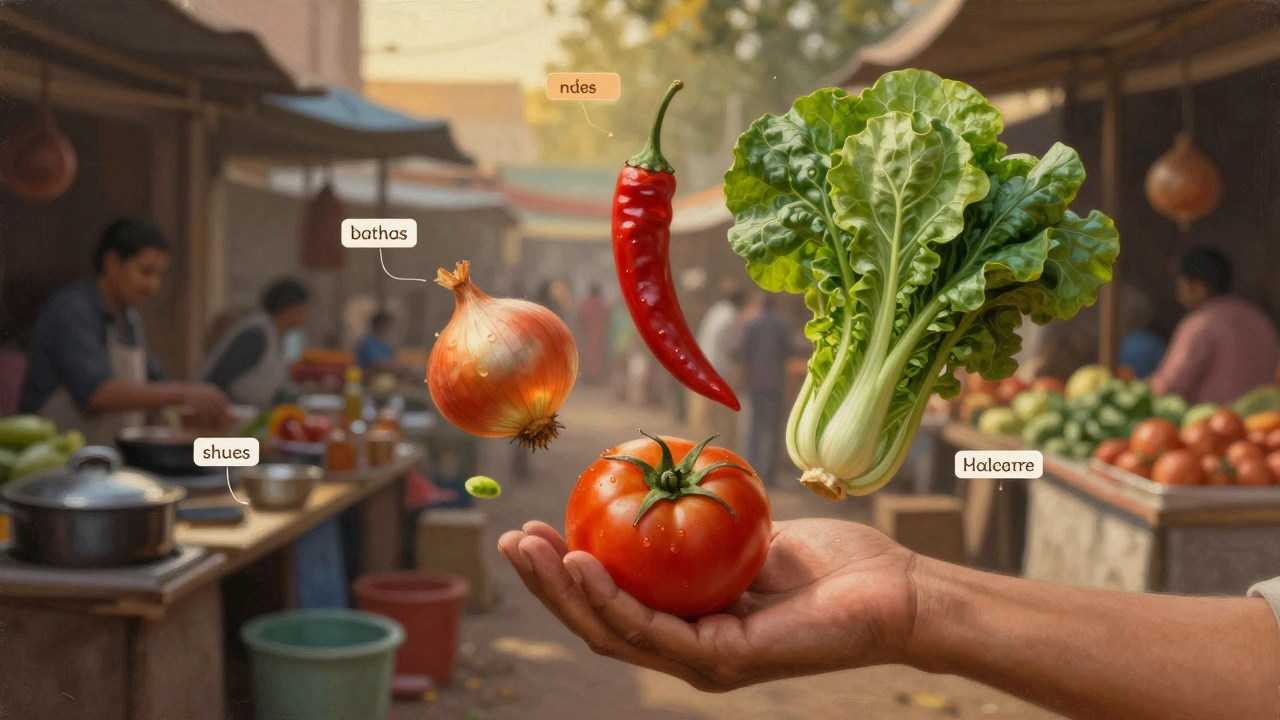
Tomatoes are not just a vegetable-they’re a staple. In India, over 18 million metric tons of tomatoes are produced annually, and demand keeps rising. You’ll find them in chutneys, curries, sabzis, and even as raw snacks with salt and chili. Home gardeners see a clear advantage: tomatoes grow fast, produce heavily, and can be harvested multiple times a year. A single plant can yield 5-7 kg of fruit in a season. Even small spaces like balcony containers work if they get 6-8 hours of sunlight. The real win? People buy fresh tomatoes at local markets for ₹40-₹80 per kg. If you grow your own, you’re not just saving money-you’re cutting out the middleman.
Chili Peppers: Spice That Sells
India eats more chili peppers than any other country in the world. Green chilies alone account for over 1.2 million tons of annual production. Unlike dried spices, fresh green chilies have a short shelf life. That’s why households and street vendors are always looking for fresh stock. Varieties like Byadagi, Jwala, and Kanthari are popular, but even common green chilies sell fast. They’re easy to grow in pots, need minimal space, and thrive in warm climates. A single plant can produce 50-100 peppers in a season. If you plant three pots, you could easily cover your family’s needs and still have extras to trade or sell.
Okra (Bhindi): The Summer Favorite
Okra is a heat-loving crop that’s practically made for Indian summers. It’s used in curries, stir-fries, and fried snacks like bhindi fry. Demand spikes from April to September, when temperatures hit 35°C and above. Okra grows quickly-just 50-60 days from seed to harvest. It’s also drought-tolerant, which makes it perfect for areas with irregular water supply. One plant can give you 20-30 okra pods over its lifespan. Urban gardeners love it because it doesn’t need a large plot. A 12-inch deep pot with good soil is enough. And since most grocery stores charge ₹60-₹100 per kg for fresh okra, growing it yourself pays off fast.
Leafy Greens: Spinach, Amaranth, and Mustard
Leafy greens are non-negotiable in Indian diets. Spinach (palak), amaranth (chaulai), and mustard greens (sarson) are eaten daily in homes from Punjab to Tamil Nadu. These greens are rich in iron, calcium, and fiber. The catch? They spoil fast. Most people buy them from local vendors who source them daily. That’s why homegrown greens are in high demand. You can grow them in shallow trays or recycled containers. Spinach takes 30-40 days to mature, while mustard greens are ready in just 25 days. In winter, when prices rise due to low supply, homegrown greens can be worth ₹80-₹120 per kg at local markets. A single square foot of garden can produce enough for a family of four for a week.
Cucumbers: The Cool Crisp Crop
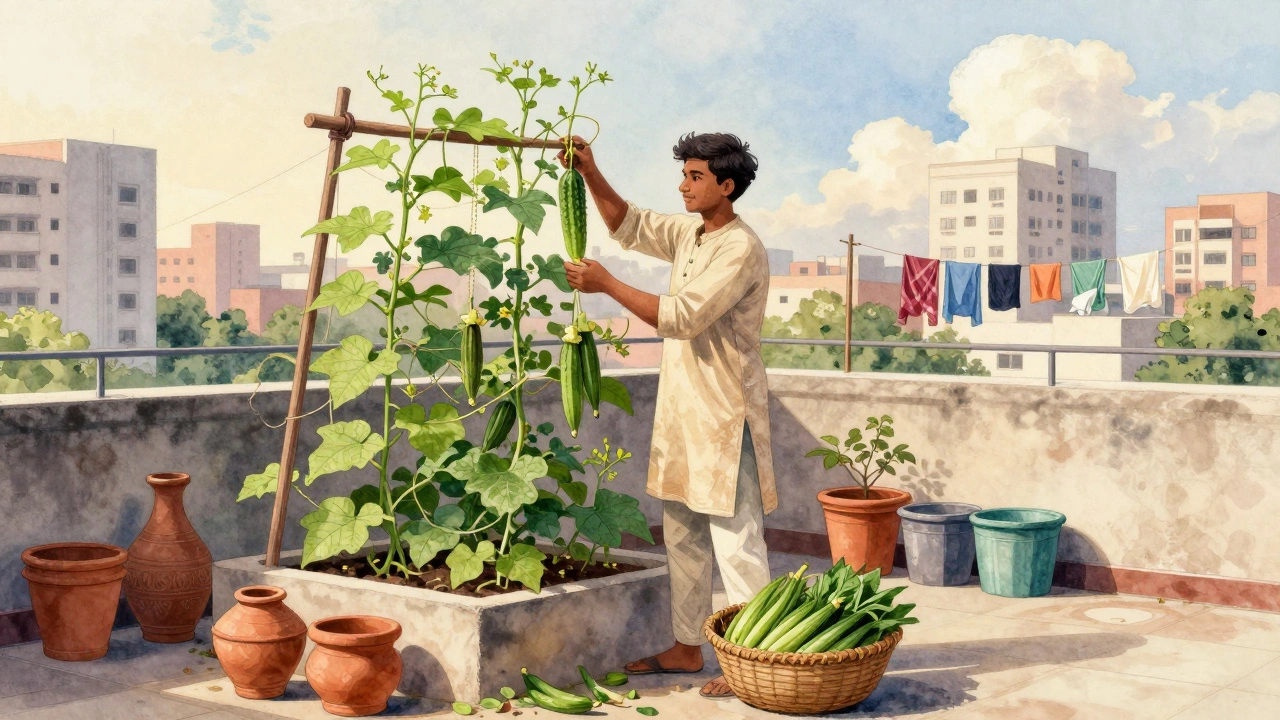
Cucumbers are everywhere-in raitas, salads, pickles, and even as cooling snacks during summer heatwaves. India produces over 1.5 million tons of cucumbers every year, and demand is growing, especially in cities. Unlike tomatoes, cucumbers need more space and support, but they’re still manageable on terraces. Use trellises or old ladders to train vines upward. A single plant can produce 10-15 cucumbers in 50-60 days. They’re also less prone to pests than other vegetables. If you grow 3-4 plants, you’ll have more than enough for personal use. Any extra can be sold at ₹30-₹50 per piece at local markets. And since cucumbers are often imported from other states during off-season, locally grown ones have a clear edge.
Onions: The Flavor Base Everyone Needs
Onions are the foundation of Indian cooking. Almost every curry, dal, or sabzi starts with sautéed onions. But onion prices in India swing wildly-sometimes doubling overnight due to supply shortages. That’s why growing your own onions is a game-changer. You don’t need a big plot. Onions grow well in deep pots or raised beds. Varieties like Bombay Red and Pusa Red are easy to grow and mature in 90-100 days. A single plant produces one bulb, but you can plant 15-20 bulbs in a 1 sq. meter space. At ₹50-₹80 per kg, a small patch of 10 plants can save you ₹500-₹1,000 per harvest cycle. Plus, you avoid the stress of price spikes during monsoon or festival seasons.
Why These Vegetables Dominate Demand
It’s not just about taste. These vegetables dominate because they’re:
- Used daily-not just for special occasions
- Perishable-so people need fresh supply often
- Price-sensitive-even small price changes affect buying habits
- Easy to grow-with basic tools and sunlight
There’s no need to chase exotic imports. The real opportunity lies in what’s already in your kitchen. If you’re starting small, begin with tomatoes and chilies. They’re forgiving, fast-growing, and always in demand. Add okra and leafy greens as you get comfortable. By the second season, you’ll have enough surplus to share with neighbors or sell at your local market.
What Not to Grow (At Least Not Yet)
Not all vegetables are worth the effort. Vegetables like cauliflower, cabbage, and broccoli need cool weather, precise watering, and pest control that’s hard to manage in small spaces. They also have low yields per square foot. In India’s warm climate, they often bolt or rot before harvest. Same goes for potatoes-they need deep soil and careful hilling. For beginners, stick to the top six. Once you’ve mastered those, you can experiment.
Start Small, Think Big
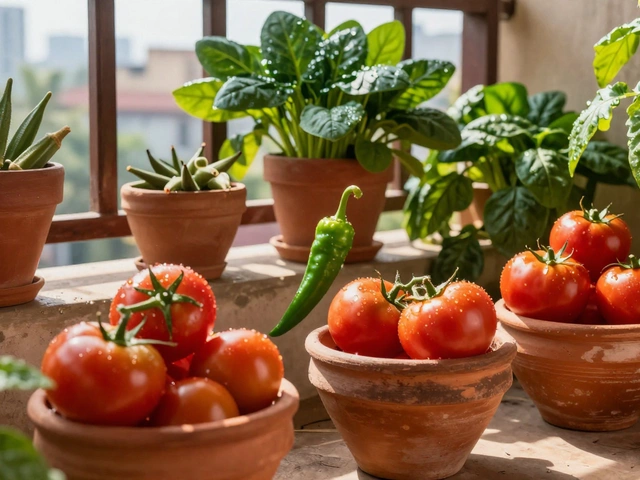
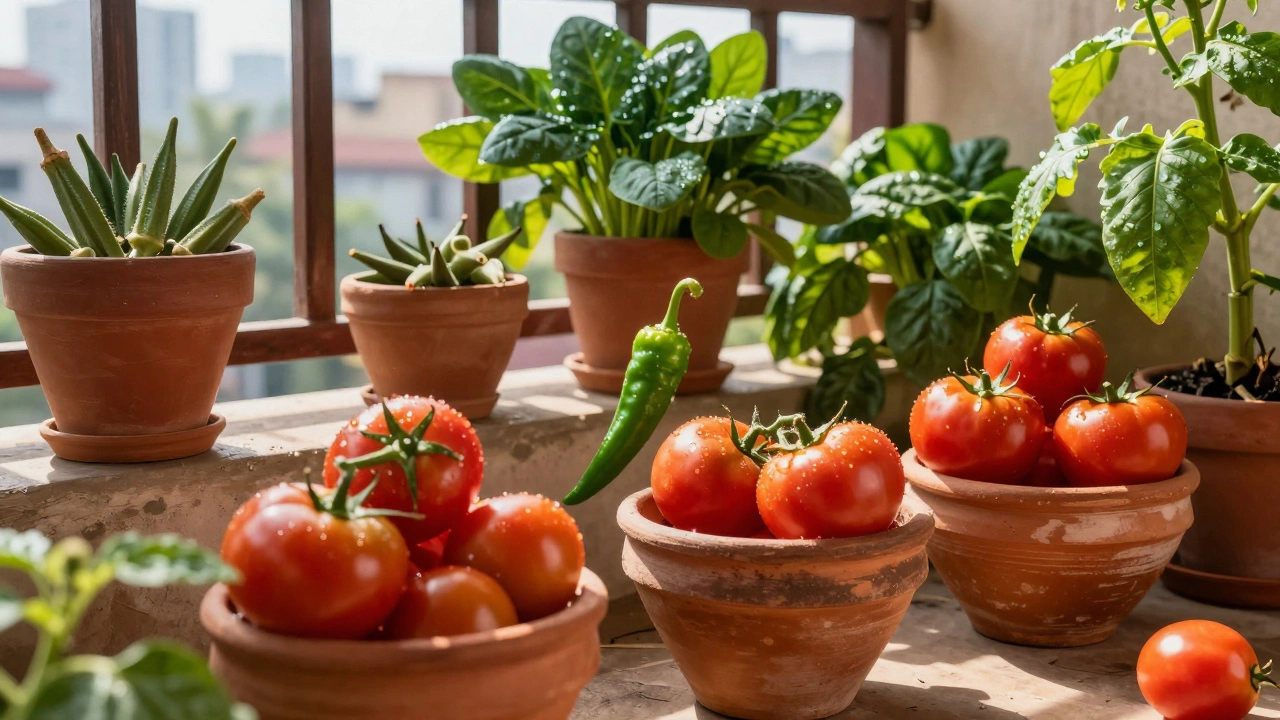
You don’t need an acre of land. A 4 ft x 4 ft balcony, a few pots on a windowsill, or even a repurposed plastic drum can become your vegetable farm. The key is consistency: water every other day, use compost, and pick regularly to encourage more growth. In six months, you’ll have more than enough to feed your family-and maybe even a little extra to trade. In India, where food costs keep rising and supply chains are fragile, growing your own vegetables isn’t just a hobby. It’s a smart, practical choice.
Which vegetable has the highest demand in India for home gardeners?
Tomatoes have the highest demand among home gardeners in India. They’re used in almost every meal, grow quickly, produce high yields, and fetch good prices at local markets. Even small-scale growers can harvest 5-7 kg per plant in a season, making them the most practical choice for beginners.
Can I grow vegetables like tomatoes and chilies on a balcony?
Yes, absolutely. Both tomatoes and chili peppers thrive in containers as long as they get at least 6 hours of direct sunlight daily. Use pots that are at least 12 inches deep and fill them with well-draining soil mixed with compost. Water regularly and add a support stake for tomatoes. You can grow 2-3 plants in a 4 ft x 4 ft balcony space.
How much money can I save by growing my own vegetables in India?
A small vegetable patch of 10-15 plants can save you ₹2,000-₹5,000 per year. For example, a single tomato plant can produce enough fruit to replace ₹1,500 worth of market purchases. Chilies, leafy greens, and cucumbers add similar savings. Plus, you avoid price spikes during monsoons or festivals when supply drops.
What’s the easiest vegetable to grow for beginners in India?
Leafy greens like spinach and mustard are the easiest. They grow fast (25-40 days), need minimal space, and tolerate partial shade. They’re also less prone to pests than fruiting vegetables. Start with these to build confidence before moving to tomatoes or okra.
Are there vegetables that don’t grow well in Indian climates?
Yes. Vegetables like broccoli, cauliflower, and Brussels sprouts need cool, stable temperatures and are hard to grow in most Indian regions due to heat and humidity. Potatoes require deep soil and careful management, making them less ideal for small-space gardening. Stick to heat-tolerant crops until you gain experience.