Sustainable Garden Impact Calculator
Water Management
Soil & Fertilizer
Plant Selection
Your Estimated Annual Savings
Sustainability Score
Recommendations:
- Enter your details and click calculate to see personalized tips.
Look at your garden. Really look at it. Is it a sanctuary for life, or just a high-maintenance display of greenery that guzzles water and relies on chemical inputs? For many of us, the shift toward sustainable gardening starts with a moment of realization that our current methods are working against nature rather than with it. You don’t need to tear everything up and start from scratch to make a difference. Small, intentional changes can transform your outdoor space into a resilient ecosystem that saves you money, reduces waste, and supports local biodiversity.
Making a garden more sustainable isn't about perfection; it's about progress. It involves closing loops-where waste becomes food for the soil, where water is captured and reused, and where plants are chosen for their ability to thrive without constant human intervention. Whether you have a sprawling backyard in Brighton or a small urban patch, these principles apply. Let’s break down exactly how you can build a garden that works for you and the planet.
Build Living Soil Instead of Buying Fertilizer
The foundation of any healthy garden is the soil. If you’re buying bagged compost or synthetic fertilizers every spring, you’re missing out on the most powerful tool available: living soil. Healthy soil is a complex ecosystem teeming with bacteria, fungi, earthworms, and other microorganisms that naturally feed your plants. When you focus on building this biology, you reduce the need for external inputs significantly.
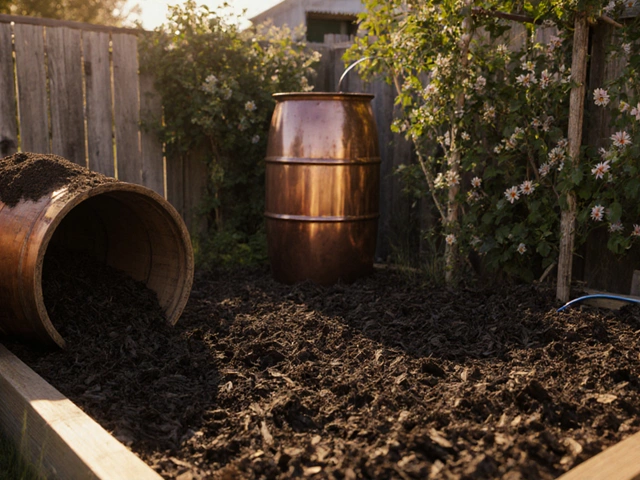
Composting is the process of breaking down organic matter into nutrient-rich humus. This is the cornerstone of sustainable soil management. Start by collecting kitchen scraps like vegetable peels, coffee grounds, and eggshells. Mix these "greens" with "browns" like dry leaves, shredded paper, or straw. The ideal ratio is roughly 1 part green to 3 parts brown by volume. Turn the pile every few weeks to aerate it, and within three to six months, you’ll have dark, crumbly compost that smells like forest floor.
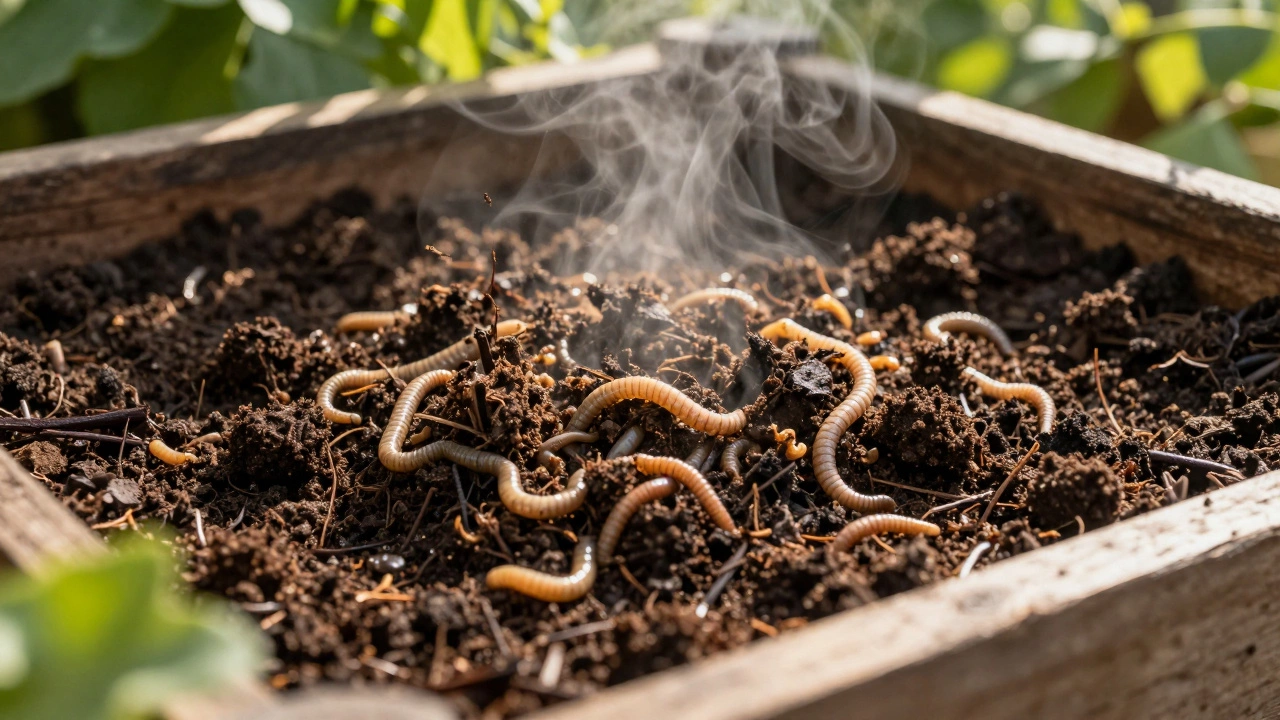
If you don’t have space for a traditional bin, consider vermicomposting (using worms) or bokashi fermentation, which allows you to compost indoors year-round. Once your compost is ready, spread a 2-3 inch layer over your beds as top dressing. This not only adds nutrients but also improves soil structure, helping sandy soils retain water and clay soils drain better. Over time, this practice builds carbon sequestration in your garden, actively fighting climate change one shovel-full at a time.
Capture and Conserve Every Drop of Water
Water scarcity is becoming a pressing issue, even in temperate climates like the UK. Traditional lawns and thirsty ornamental plants can consume hundreds of liters of water per week during summer droughts. Sustainable gardening prioritizes water efficiency through smart design and technology.
Rainwater harvesting is the collection and storage of rainwater for later use. Installing a simple rain barrel under your gutter downspout is one of the highest-impact changes you can make. A standard 200-liter barrel can collect enough water from a moderate rainstorm to irrigate your vegetable patch for a week. Connect a hose tap at the bottom of the barrel for easy access. For larger gardens, consider linking multiple barrels or installing an underground tank.
Beyond collection, how you water matters. Drip irrigation systems deliver water directly to the root zone of plants, reducing evaporation and runoff by up to 50% compared to sprinklers. Set up timers to water early in the morning when temperatures are cooler and winds are lighter. Additionally, mulching plays a critical role in moisture retention. A 5-7 cm layer of organic mulch-such as wood chips, straw, or leaf mold-on top of your soil acts like a blanket, keeping moisture in and weeds out. This simple step can reduce your watering needs by half.
| Method | Efficiency Gain | Initial Cost | Maintenance Level |
|---|---|---|---|
| Drip Irrigation | Up to 50% less water | Medium | Low (check for clogs) |
| Rain Barrels | Free water source | Low | Very Low |
| Organic Mulch | Reduces evaporation | Low | Medium (replenish annually) |
| Oak Leaf Mould | Improves soil structure | Free/Low | Low |
Plant Native Species to Support Biodiversity
One of the biggest mistakes gardeners make is planting exotic species that require constant care and offer little value to local wildlife. Native plants are species that naturally occur in a specific region. In the UK, this means choosing flowers, shrubs, and trees that have evolved alongside local insects, birds, and mammals. These plants are adapted to the local climate and soil conditions, meaning they need less water, no fertilizer, and minimal pest control.
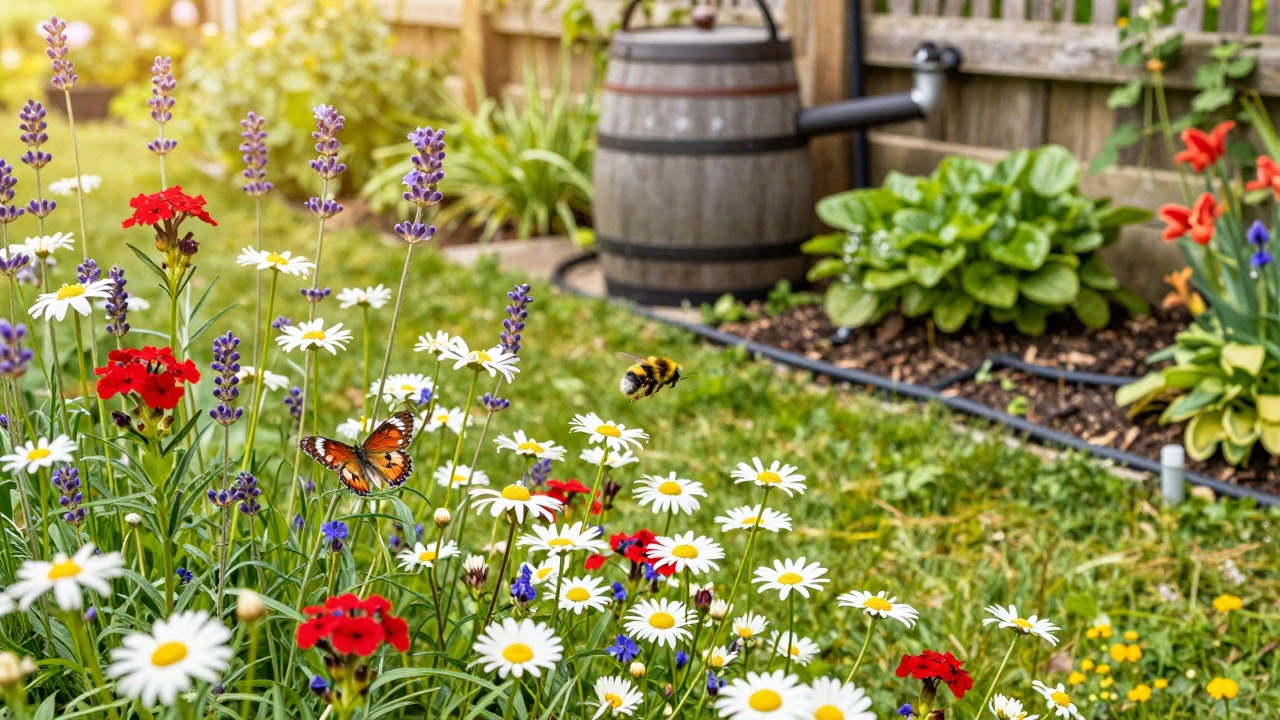
Think about the pollinators. Bees, butterflies, and hoverflies rely on specific host plants to lay their eggs and nectar sources for food. A common lavender plant might attract some bees, but native wildflowers like ox-eye daisy, red campion, and self-heal provide superior nutrition for a wider range of species. By planting a diverse mix of natives, you create a habitat that supports the entire food web, from soil microbes to predatory birds that eat garden pests.
Don’t forget about structural diversity. Layer your garden with groundcovers, herbaceous perennials, shrubs, and trees. This mimics natural ecosystems and provides shelter for hedgehogs, frogs, and beneficial insects. Leave some areas slightly wild-allow seed heads to stand through winter for bird food, and leave logs or piles of stones for hibernating amphibians. Your garden doesn’t need to be manicured to be beautiful; it needs to be alive.
Eliminate Chemical Pesticides and Herbicides
Synthetic chemicals may offer quick fixes for weeds and pests, but they come at a high cost. They kill beneficial insects, contaminate groundwater, and degrade soil health over time. Sustainable gardening embraces biological controls and cultural practices to manage problems naturally.
Start by encouraging beneficial predators. Ladybugs, lacewings, and ground beetles are voracious consumers of aphids, caterpillars, and slugs. Planting umbelliferous flowers like fennel, angelica, and cow parsley attracts these allies. If you do encounter a pest outbreak, try physical removal first-hand-pick slugs or spray aphids off with a strong jet of water. For more stubborn issues, use organic remedies like neem oil or insecticidal soap, which break down quickly and target specific pests without harming pollinators.
Weed management is another area where we can rethink our approach. Instead of reaching for glyphosate, pull weeds by hand when the soil is moist, or smother them with thick layers of cardboard and mulch (sheet mulching). This technique kills existing weeds while building new soil underneath. Over time, dense planting and healthy mulch layers will suppress weed growth naturally, reducing the labor required to maintain your garden.
Reduce Waste Through Circular Practices
A sustainable garden operates on circular principles, where outputs become inputs. This means minimizing what you buy and maximizing what you reuse. Consider the lifecycle of your materials. Plastic pots, styrofoam trays, and synthetic ties contribute to landfill waste. Switch to biodegradable pots made from coir or recycled paper, and use twine or jute string instead of plastic ties.
Save seeds from your favorite vegetables and flowers. Seed saving not only preserves genetic diversity but also adapts plants to your specific microclimate over generations. Store seeds in cool, dry places in labeled envelopes, and note the variety and date. Sharing seeds with neighbors creates a community network of resilience and knowledge exchange.
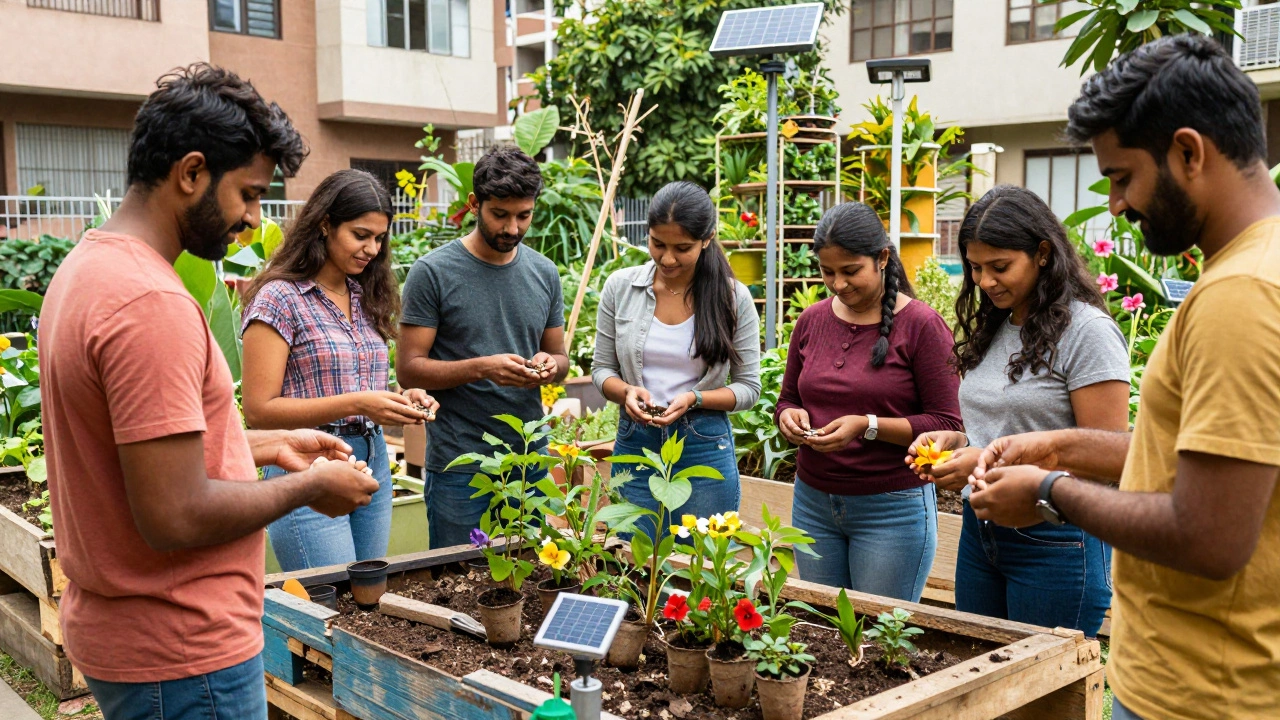
Repurpose household items creatively. Old pallets can become raised beds or vertical trellises. Broken terracotta pots can serve as drainage layers in container bottoms. Even glass jars can be used as cold frames for starting seeds in spring. The goal is to view waste as a resource waiting to be reimagined.
Design for Energy Efficiency and Microclimates
Your garden’s layout affects its energy consumption and environmental impact. Position heat-loving plants near south-facing walls or fences, which absorb sunlight during the day and radiate warmth at night. This passive solar gain extends the growing season and reduces the need for artificial heating in greenhouses.
Create windbreaks using hedgerows or bamboo screens to protect delicate plants from harsh winds, which increase evaporation and damage foliage. Choose evergreen species for year-round protection. Additionally, consider the thermal mass of your hardscaping. Stone paths and gravel driveways absorb heat and can create hotspots suitable for Mediterranean herbs like rosemary and thyme.
Integrate renewable energy sources where possible. Solar-powered lights illuminate pathways without drawing from the grid. Small wind turbines or solar panels can power water pumps or electric tools. While these investments may seem significant upfront, they pay off over time by lowering utility bills and reducing your carbon footprint.
Engage with Your Local Community
Sustainability isn’t just about individual actions; it’s about collective impact. Join local gardening groups, seed libraries, or community orchards. These networks provide valuable resources like free compost, shared tools, and expert advice. Participating in citizen science projects, such as monitoring butterfly populations or recording bird sightings, contributes to broader ecological research.
Educate others by hosting workshops or open garden days. Share your successes and failures openly. Gardening is a learning process, and transparency fosters trust and collaboration. Encourage neighbors to adopt sustainable practices by demonstrating their benefits firsthand. A neighborhood full of biodiverse gardens creates corridors for wildlife movement, enhancing regional biodiversity.
Is sustainable gardening expensive?
Not necessarily. While initial investments in rain barrels or drip irrigation systems may cost money, sustainable practices often save money in the long run. Composting eliminates the need for bought fertilizers, native plants require less water and care, and seed saving reduces annual purchases. Many resources, like fallen leaves and kitchen scraps, are free if you know how to use them.
Can I make my garden sustainable if I live in a city?
Absolutely. Urban gardens can be highly sustainable. Use containers with homemade compost, install small rain barrels on balconies, and choose compact native plants. Vertical gardening maximizes limited space. Even window boxes can support pollinators if planted with native flowers. City dwellers can also join community gardens to share resources and knowledge.
How long does it take to transition to a sustainable garden?
It depends on the size of your garden and the extent of changes. You can start making immediate impacts by stopping chemical use and adding mulch. Building healthy soil takes 1-3 years of consistent composting. Establishing a biodiverse habitat with native plants may take 3-5 years to fully mature. Patience is key, as ecosystems develop gradually.
What are the best native plants for the UK?
Great choices include foxgloves, hawthorn, blackberry, bramble, and various grasses. For flowers, try red campion, ox-eye daisy, and teasel. Shrubs like holly and ivy provide essential winter food for birds. Always check local botanical societies for lists tailored to your specific county or region, as microclimates vary across the UK.
Do I need to remove all my lawn?
No, you don’t have to remove it entirely. However, converting part of your lawn to wildflower meadows or vegetable beds increases biodiversity. If you keep grass, mow less frequently and let clover and daisies grow-they fix nitrogen and support bees. Consider laying turf sparingly in high-traffic areas only.