Rooftop Garden Load Calculator
Calculate Your Rooftop Garden Weight
Turning your rooftop into a garden isn’t just about adding greenery-it’s about creating a quiet escape, growing your own food, and making the most of space you already own. In cities like Brighton, where outdoor space is tight and the sea air brings mild winters, rooftops are some of the best spots for gardening. But before you start planting, you need to know what works-and what could cost you big time.
Check if your roof can handle it
Not every rooftop is built to hold soil, plants, and water. A typical rooftop garden can add 20 to 50 pounds per square foot when wet. That’s like parking a small car on your roof. Most modern buildings built after 1990 can handle it, but older homes, especially in Brighton’s historic areas, might need a structural survey. Don’t guess. Hire a local builder or structural engineer to check the load capacity. They’ll tell you if your roof can support 4 inches of soil, or if you’re limited to lightweight containers only.If your roof is flat, you’re in luck. Sloped roofs are tricky unless you build terraces or use retention systems. Most rooftop gardens in the UK are flat or nearly flat. If you’re renting, get written permission from your landlord. Many landlords don’t mind if you don’t damage the structure or waterproofing.
Waterproofing is non-negotiable
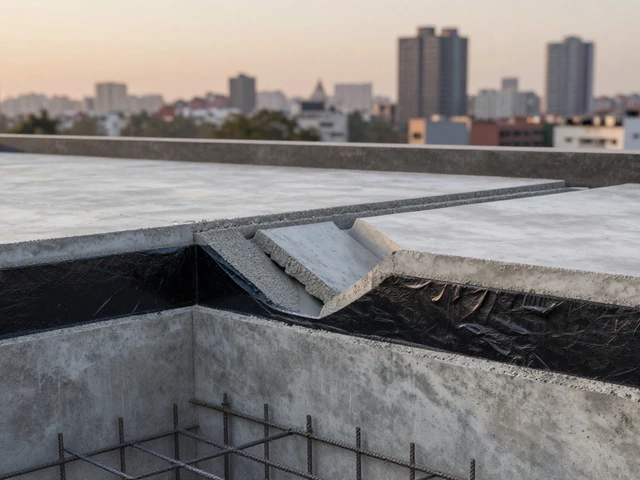
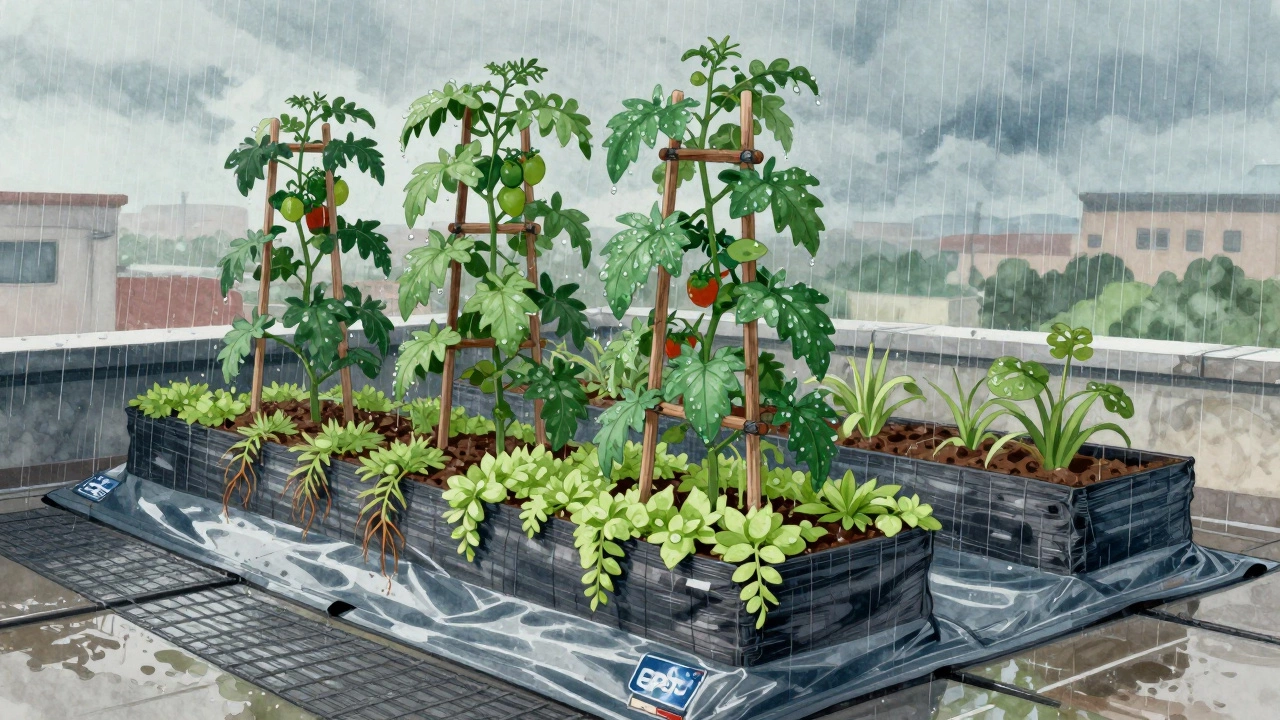
Water leaking through your roof is the #1 reason rooftop gardens fail. You can’t just put pots on concrete and hope for the best. Even a small crack can lead to mold, rot, or ceiling damage downstairs.Start with a professional-grade waterproof membrane. Look for EPDM rubber or TPO (thermoplastic polyolefin)-both are common in UK roofing and last 20+ years. If your roof already has a membrane, check for cracks, blisters, or peeling edges. Repair those first. Then add a root barrier layer on top. Roots from plants like bamboo or lavender can pierce through thin membranes. A 40-mil root barrier sheet costs about £1.50 per square foot but saves you thousands in repairs.
Don’t skip drainage. Even the best soil holds water. Install a drainage layer of gravel or plastic drainage mats under your soil. These let excess water flow away without pooling. In Brighton’s rainy climate, you’ll get 120+ rainy days a year. Your garden needs to shed water fast.
Choose the right containers and soil
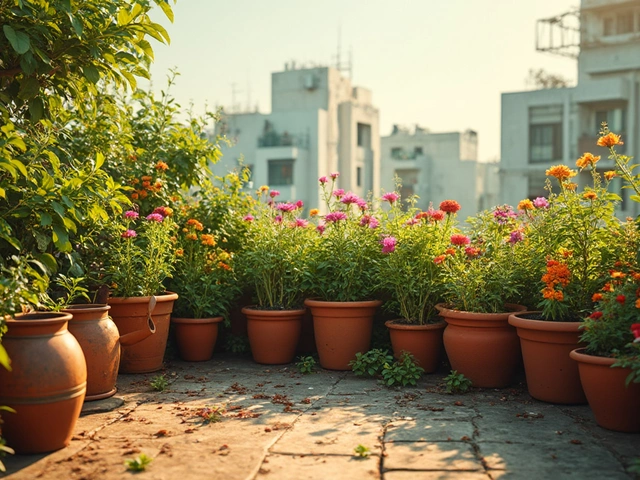
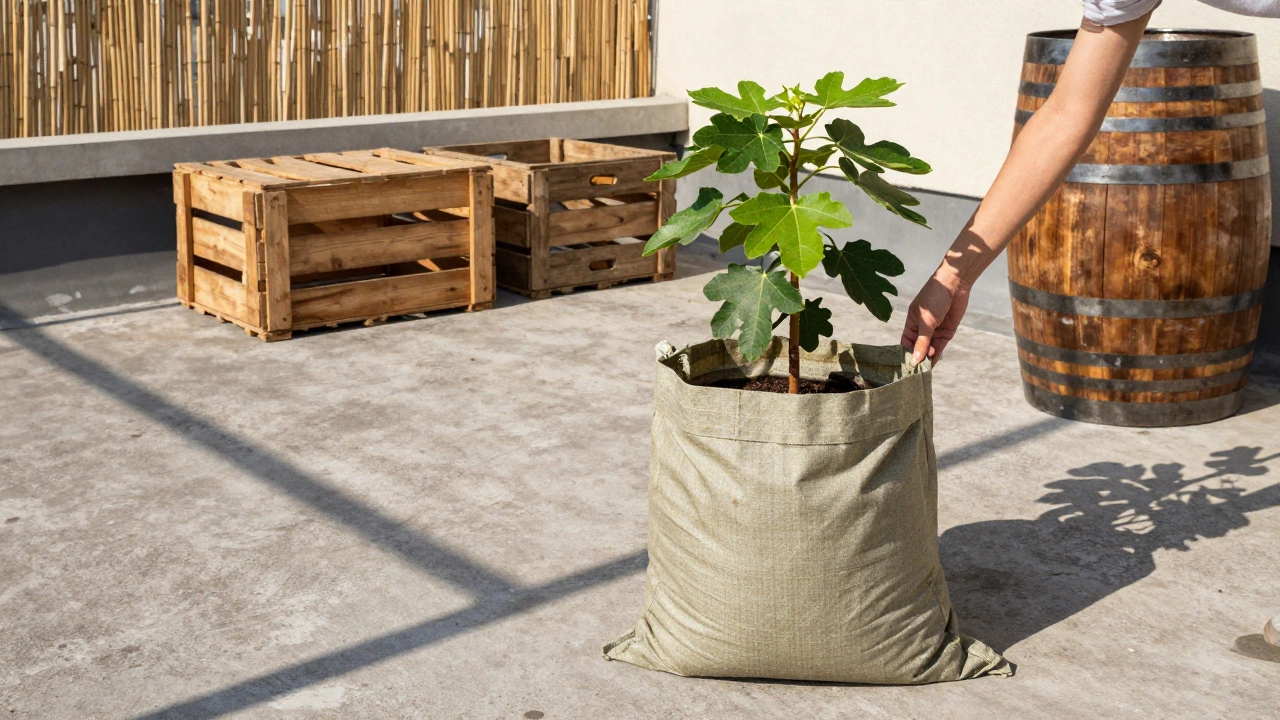
Forget digging into the roof. You’re working with containers. Use lightweight options: fiberglass, polypropylene, or fabric grow bags. Avoid heavy ceramic pots-they’re beautiful but too dense for rooftops. A 24-inch ceramic pot filled with wet soil can weigh over 100 pounds.Soil matters more than you think. Regular garden soil sinks, compacts, and holds too much water. Use a lightweight potting mix designed for containers. Look for blends with perlite, coconut coir, and compost. Avoid peat moss-it’s not sustainable, and it dries out too fast. A good rooftop mix should drain quickly but still hold moisture. Brands like John Innes Compost No. 3 with added perlite work well here.
Depth depends on what you grow. Herbs and lettuce need 6-8 inches. Tomatoes and peppers need 12 inches. Small fruit trees like dwarf apples or figs need 18-24 inches. Plan ahead. You can’t dig deeper later.
Pick plants that thrive on rooftops
Rooftops are hot, windy, and exposed. Your plants need to handle that. In Brighton, you get cool summers and mild winters-perfect for hardy plants.- Herbs: Rosemary, thyme, oregano, and mint grow wild here. They love sun and don’t need deep soil.
- Leafy greens: Lettuce, spinach, kale, and Swiss chard grow fast and can handle partial shade in summer.
- Vegetables: Cherry tomatoes, peppers, beans, and radishes do great in containers. Use stakes or trellises for climbing plants.
- Fruits: Strawberries in hanging baskets, dwarf blueberries in acidic soil, and figs in large pots all work.
- Flowers: Sedum, lavender, echinacea, and marigolds attract bees and need little care.
Avoid tall, top-heavy plants like sunflowers or corn unless you anchor them. Wind can snap them. Also skip plants that need constant moisture like ferns-they’ll dry out fast on a roof.
Manage water and feed smartly
Watering a rooftop garden is a daily job unless you automate it. Rain barrels won’t cut it-rooftops get more sun, so soil dries out faster. A drip irrigation system with a timer is the best solution. You can install a simple one for under £100. Use a moisture sensor so you’re not watering when it’s raining.Feed plants every 2-3 weeks with organic liquid fertilizer. Fish emulsion or seaweed extract works well. Don’t overfeed-too much nitrogen makes leaves grow fast but kills fruit. In late summer, switch to a potash-rich feed to help tomatoes and peppers ripen.
During winter, move sensitive plants like basil or citrus indoors or cover them with horticultural fleece. Most perennials like lavender and sedum survive fine outdoors with a light mulch.
Protect against wind and pests
Wind is your biggest enemy. It dries out leaves, breaks stems, and blows soil out of pots. Install low hedges or trellises with climbing plants like ivy or clematis as windbreaks. You can also use trellis panels or bamboo screens along the edges.Pests? Aphids and slugs show up, but less than in ground gardens. Use sticky traps for whiteflies. Hand-pick slugs at night. Avoid chemical sprays-your rooftop is close to your living space. Neem oil or insecticidal soap works fine.
Birds might peck at your strawberries. Cover plants with lightweight netting. Don’t use wire mesh-it’s ugly and traps small animals.
Start small, then grow
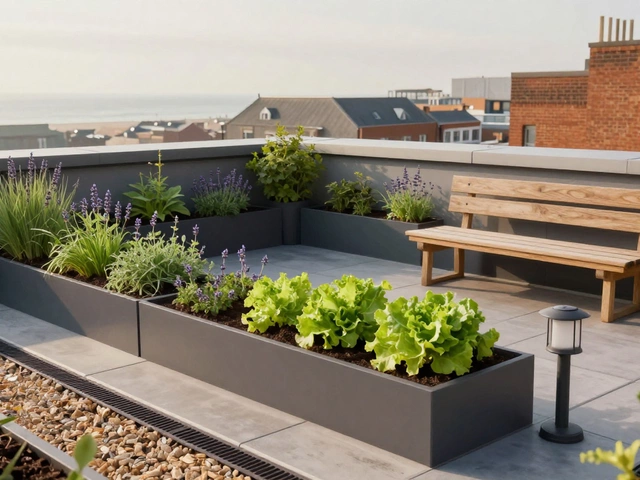
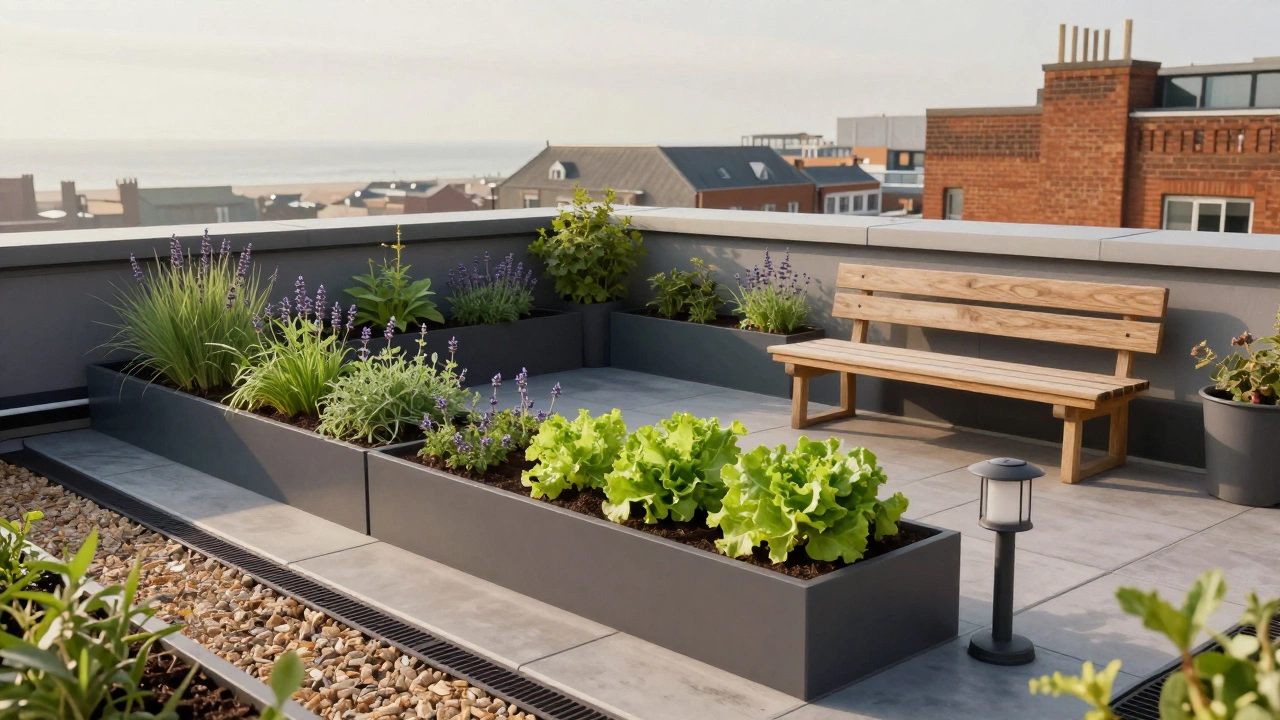
Don’t try to turn your whole roof into a garden in one weekend. Start with five containers. Pick easy plants: herbs and lettuce. See how they do in your wind, sun, and rain. Adjust your watering, move pots around for better light, and learn what works.After a season, you’ll know which spots get the most sun, where water pools, and which plants survive. Then expand. Add a trellis. Add a compost bin. Add a bench. A rooftop garden isn’t just about plants-it’s about creating a space you want to sit in.
Many people in Brighton turn their rooftops into quiet reading nooks with solar lights, a small table, and a few pots of lavender. Others grow enough food to fill a weekly salad bowl. Both are wins.
Keep it sustainable
Use recycled containers. Old buckets, wooden crates, or even repurposed bathtubs make great planters. Collect rainwater with a simple gutter system. Use compost from your kitchen scraps-coffee grounds, eggshells, vegetable peels. You don’t need to buy soil or fertilizer every month.Plant native species when you can. They need less water and support local bees. In Sussex, plants like sea thrift, foxglove, and wild thyme are naturally tough and beautiful.
And remember: a rooftop garden doesn’t have to be perfect. It just has to be yours.