Which Garden Fits Your Lifestyle?
What is your primary goal?
Maximize Yield
I want to grow large quantities of food for storage, freezing, or feeding a family.
Fresh Flavor & Aesthetics
I want fresh herbs and salads for daily cooking in a beautiful, accessible space.
Where will the garden be located?
Large / Distant Plot
Backyard allotment, distant plot, or large contiguous ground area.
Near Kitchen Door
Patio, balcony, windowsill, or steps away from the back door.
How do you prefer to maintain your garden?
Intense Bursts
I don't mind heavy labor upfront (digging, tilling) and checking in weekly.
Daily Touch-ups
I prefer short, frequent sessions (10-15 mins) while waiting for coffee or dinner.
Your Perfect Match
Based on your lifestyle and goals
Recommended Approach:
Key Benefits For You:
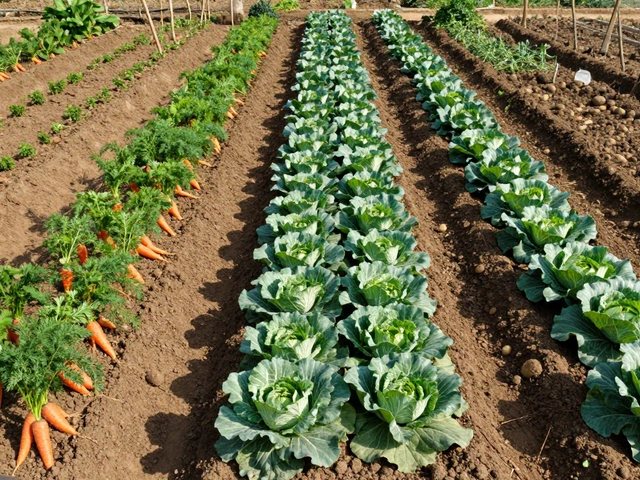
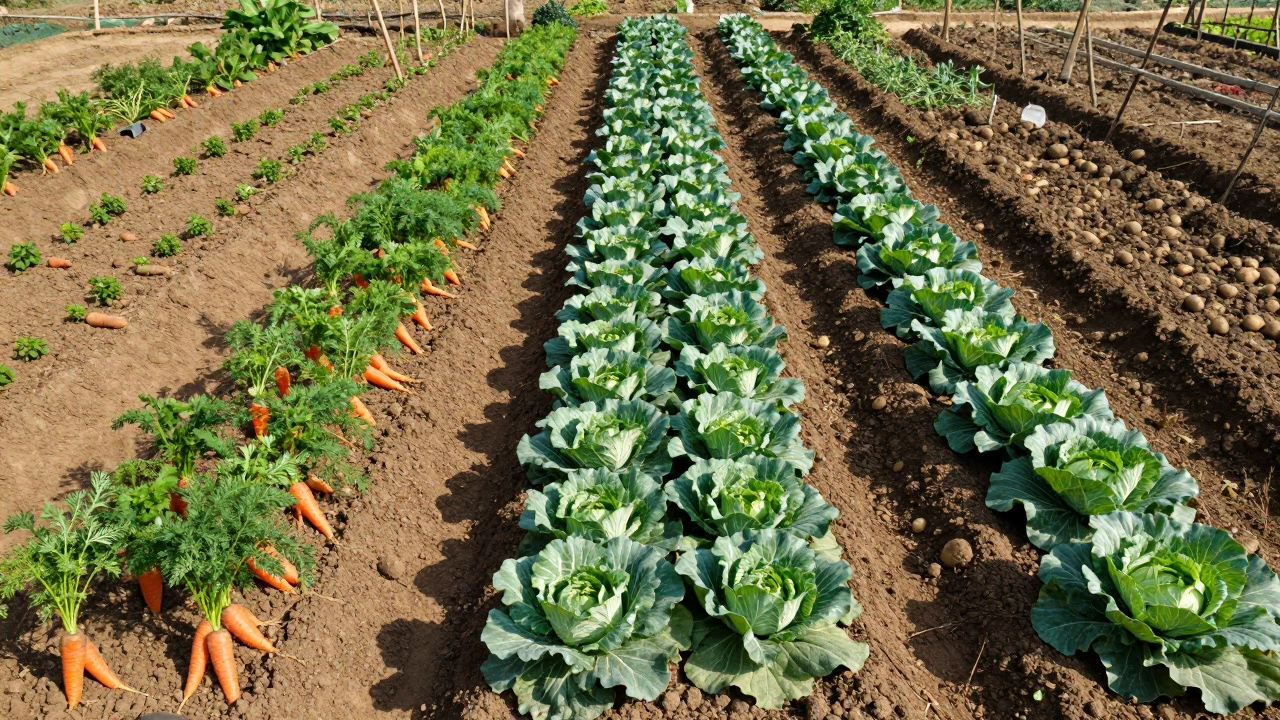
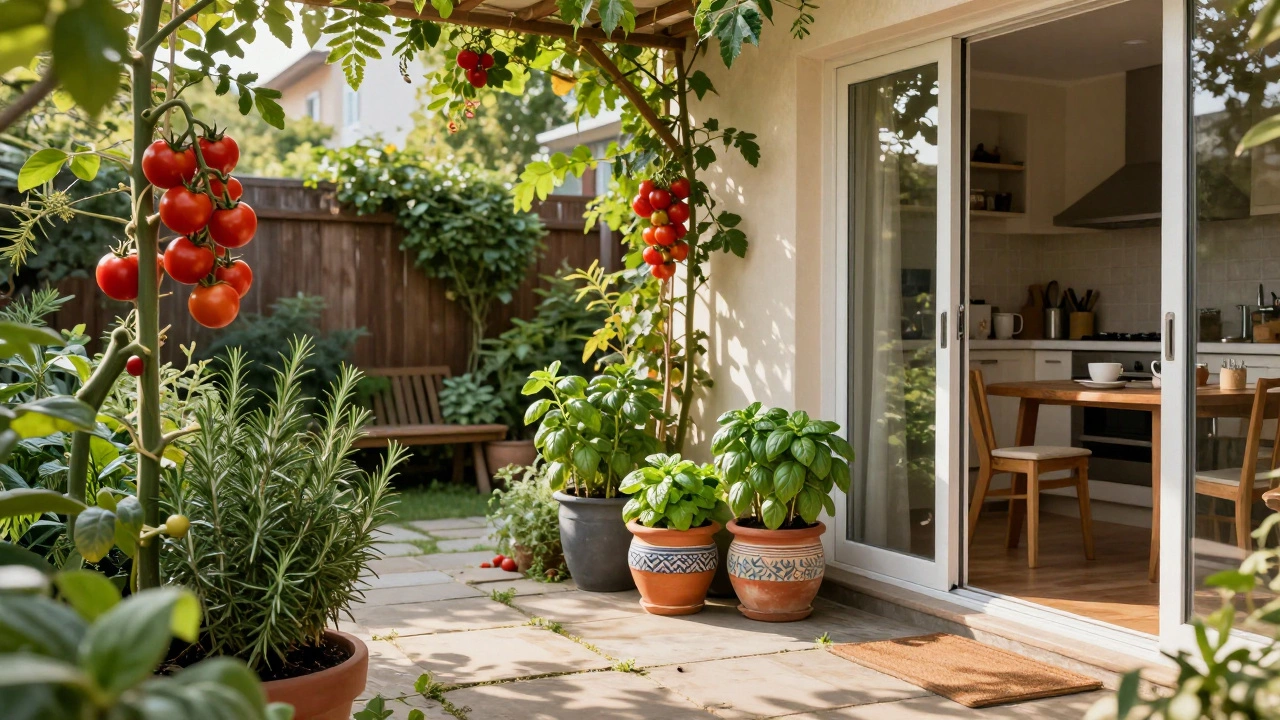
Walk past a traditional allotment in Brighton, and you’ll see neat rows of carrots, potatoes, and cabbages stretching out like military barracks. Now step into a suburban backyard where tomatoes spill over rosemary bushes, herbs weave through flower beds, and strawberries hide under the eaves. Both are growing food. But they feel completely different. One is about volume; the other is about variety and access.
The confusion between a kitchen garden and a vegetable garden isn’t just semantic. It affects how you plan your space, what you plant, and whether you actually eat what you grow. If you’ve ever wondered why your massive harvest of kale went to waste while your neighbor’s tiny patch yields fresh basil every morning, the answer lies in this distinction.
The Core Difference: Purpose Over Produce
At its heart, a vegetable garden is designed for production. Think of it as a small-scale farm. The goal is to maximize yield per square foot. You plant in blocks or rows because that’s efficient for tilling, watering, and harvesting large quantities. A typical vegetable garden might focus on staple crops: potatoes, onions, beans, squash, and leafy greens. These are foods you can store, freeze, or preserve in bulk.
A kitchen garden is a culinary-focused space designed for immediate use and aesthetic integration. It prioritizes flavor, freshness, and convenience over sheer volume. You’re not trying to feed a family for winter storage; you’re trying to garnish tonight’s dinner with fresh chives or pick a ripe cherry tomato right before slicing it onto a salad.
This difference in purpose changes everything. In a vegetable garden, efficiency rules. In a kitchen garden, experience rules. You might sacrifice some yield to keep herbs within arm’s reach of the back door. You might interplant flowers to attract pollinators and add color, even if they take up valuable soil space.
Layout and Design: Rows Versus Layers
If you look at a map of a standard vegetable garden, it looks like a grid. Rows run parallel to each other, often oriented north-south to maximize sun exposure. This layout makes sense when you’re using tools like hoes and wheelbarrows. It allows for mechanization, even if that “machine” is just a push mower or a broadfork.
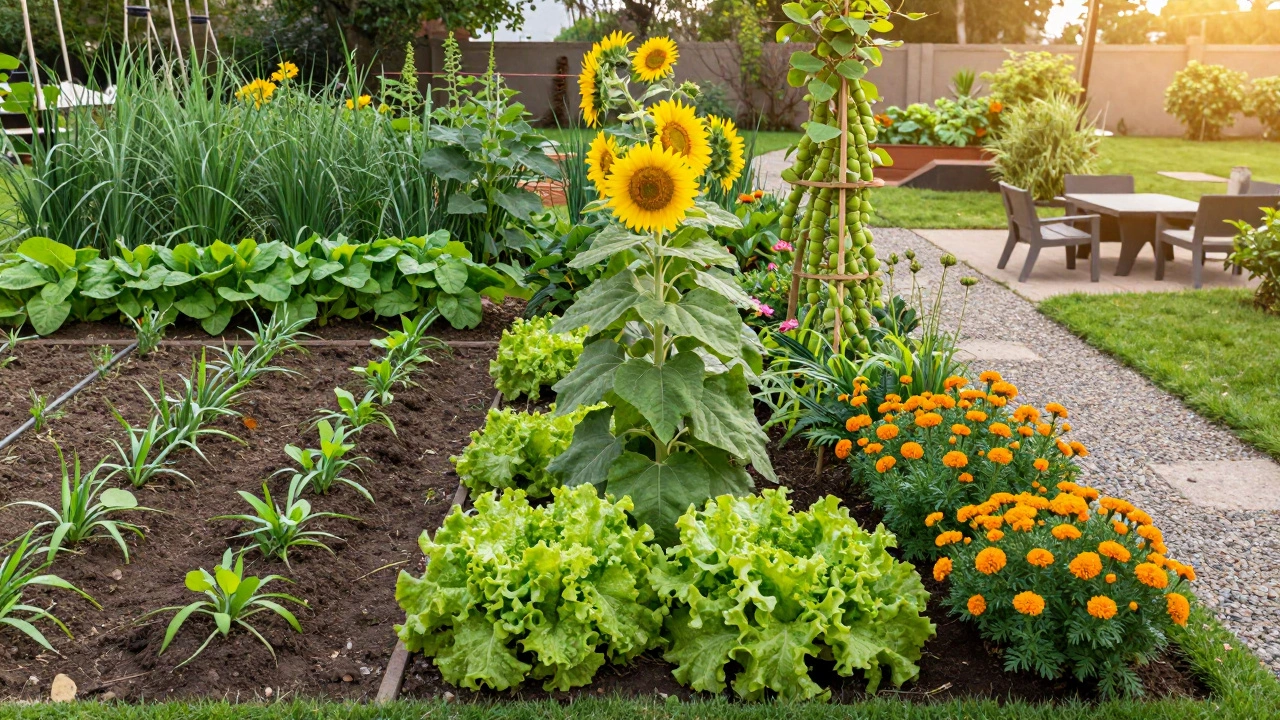
Kitchen gardens rarely follow a grid. They embrace intensive gardening techniques like companion planting and vertical layering. Imagine a bed where tall sunflowers provide shade for lettuce, marigolds repel nematodes, and climbing beans grow up trellises above ground-level radishes. This isn’t just pretty; it’s functional. By stacking plants vertically and mixing species, you create a micro-ecosystem that reduces pests and maximizes biodiversity.
Consider the path design too. Vegetable gardens need wide paths for carts. Kitchen gardens often have narrow, winding paths made of gravel or mulch, encouraging you to walk slowly and inspect plants closely. Some kitchen gardens don’t even have distinct paths-they’re integrated into patios or decks, blurring the line between indoors and outdoors.
| Feature | Vegetable Garden | Kitchen Garden |
|---|---|---|
| Primary Goal | Maximize yield and storage | Immediate culinary use and aesthetics |
| Plant Layout | Rows and blocks | Interplanted, layered, companion planting |
| Crop Focus | Staples (potatoes, cabbage, beans) | Herbs, salads, fruits, specialty veggies |
| Location | Backyard, allotment, distant plot | Near kitchen door, patio, balcony |
| Aesthetic Priority | Low (function over form) | High (edible landscaping) |
| Harvest Frequency | Bulk harvests (weekly/monthly) | Daily picking |
What You Grow: Staples Versus Specialties
In a vegetable garden, you plant what keeps well. Potatoes, carrots, parsnips, and onions are kings here. They thrive in cool soil, store for months, and provide calories. You might also grow large quantities of tomatoes, peppers, and zucchini for canning or freezing. The focus is on reliability and abundance.
A kitchen garden focuses on high-value, perishable crops. Think of the ingredients you buy weekly from the supermarket but pay premium prices for: fresh basil, mint, thyme, rosemary, cherry tomatoes, salad leaves, cucumbers, and strawberries. These items lose quality quickly after harvest. Growing them near your kitchen ensures peak flavor and nutrition.
Herbs are the backbone of most kitchen gardens. Unlike vegetables, which require significant space and time to mature, herbs are compact, fast-growing, and used in small quantities. A single pot of parsley can last all summer if harvested correctly. This makes kitchen gardens ideal for small spaces like balconies or windowsills-places where a full vegetable garden wouldn’t fit.
Space and Location: Proximity Matters
Where you place your garden dictates its type. A vegetable garden can be anywhere with good sunlight and soil. Many people rent allotments miles from home because land is cheaper there. Distance doesn’t matter much when you’re harvesting once a week for bulk storage.
A kitchen garden must be close. Ideally, it’s visible from the kitchen window or steps away from the back door. Why? Because convenience drives usage. If you have to walk 20 minutes to fetch cilantro, you won’t do it. You’ll buy dried cilantro instead. Proximity encourages daily interaction with your plants, leading to better care and higher consumption of home-grown produce.
This proximity also influences design. Kitchen gardens often incorporate seating areas, benches, or pergolas. They’re meant to be enjoyed, not just worked. You might sip coffee among lavender and lemon balm, watching bees pollinate your strawberry plants. This leisure aspect is absent in most vegetable gardens, which are viewed as labor-intensive projects.
Maintenance and Labor: Intensity Versus Consistency
Vegetable gardens demand intense bursts of labor. Preparing the soil involves deep digging, composting, and fertilizing. Planting requires precise timing and spacing. Harvesting can involve hours of weeding and picking. However, once established, these gardens can run on autopilot for weeks. You might check them every few days, water deeply, and then leave them alone until the next major task.
Kitchen gardens require consistent, low-intensity maintenance. Because plants are densely packed and diverse, weeds can spread quickly. Watering needs vary by plant type-herbs prefer drier soil than lettuce. Pruning and deadheading are frequent tasks to encourage new growth. But each session takes only 10-15 minutes. It’s less about heavy lifting and more about regular attention.
This difference matters for busy households. If you work long hours, a vegetable garden might overwhelm you during peak seasons. A kitchen garden, with its modular design and smaller scale, fits better into fragmented schedules. You can tend to it while waiting for the kettle to boil.
Aesthetics and Edible Landscaping
Traditional vegetable gardens prioritize function over form. Mulch is practical, not decorative. Fences are utilitarian. Signs label varieties for identification, not beauty. While some growers appreciate the orderliness of rows, most visitors see a vegetable garden as a workspace, not a living room extension.
Kitchen gardens blur the line between garden and landscape. They use edible landscaping principles to integrate food plants with ornamentals. Rosemary forms a fragrant hedge. Nasturtiums trail down walls, adding color and edible flowers. Dwarf fruit trees serve as focal points. Even vegetable varieties are chosen for visual appeal-purple carrots, golden beets, and striped cucumbers become part of the decor.
This aesthetic approach has psychological benefits. Studies show that visually pleasing environments reduce stress and increase mindfulness. When your garden looks beautiful, you’re more likely to spend time there, notice subtle changes in plant health, and engage creatively with cooking. It transforms gardening from a chore into a hobby.
Who Should Choose Which?
Your choice depends on your goals, space, and lifestyle. Ask yourself:
- Do you want to save money on groceries? A vegetable garden excels here. Bulk production lowers cost per pound significantly.
- Do you cook daily and value fresh flavors? A kitchen garden delivers superior taste and texture for herbs and salads.
- Do you have limited space? Kitchen gardens adapt to containers, vertical towers, and small patches. Vegetable gardens need contiguous ground area.
- Are you willing to invest heavy labor upfront? Vegetable gardens require more initial effort. Kitchen gardens need ongoing, light touch-ups.
- Do you care about curb appeal? Kitchen gardens enhance property value through landscaping. Vegetable gardens may look messy to neighbors unless carefully maintained.
Many successful gardeners combine both approaches. They dedicate one section to staples like potatoes and beans (vegetable garden) and another near the house to herbs and greens (kitchen garden). This hybrid model balances efficiency with enjoyment.
Getting Started: Practical Steps
If you’re leaning toward a kitchen garden, start small. Choose three high-use herbs-basil, parsley, and chives-and plant them in pots near your cooking area. Add a container of cherry tomatoes and a few salad greens. Observe how often you use them. Expand gradually based on actual consumption, not hypothetical desire.
For a vegetable garden, begin with a raised bed measuring 4x8 feet. Focus on easy winners: bush beans, lettuce, and radishes. Use row covers to protect against pests. Plan for succession planting so you’re harvesting continuously rather than all at once.
Regardless of type, success hinges on soil health. Test your pH annually. Amend with compost regularly. Rotate crops to prevent disease buildup. And remember: the best garden is the one you actually maintain. Don’t let perfection paralyze progress.
Can I convert my vegetable garden into a kitchen garden?
Yes, absolutely. Start by replacing some staple crops with herbs and salad greens. Break up rigid rows with companion plants like marigolds or nasturtiums. Add seating or a small table to encourage lingering. Gradually shift your mindset from bulk production to daily harvesting. You don’t need to tear everything out-just evolve the layout over a season.
Which garden saves more money?
A vegetable garden typically saves more money because it produces high-calorie staples in bulk. Potatoes, onions, and beans are expensive to buy in quantity but cheap to grow. A kitchen garden saves money on premium herbs and delicate greens, which are costly per ounce but used sparingly. For maximum savings, combine both types.
Do kitchen gardens attract more pests?
Not necessarily. In fact, diverse kitchen gardens often deter pests better than monoculture vegetable plots. Companion planting confuses insects looking for specific hosts. Flowers attract beneficial predators like ladybugs and lacewings. However, dense foliage can harbor slugs and snails, so monitor moisture levels and remove debris regularly.
Is a kitchen garden suitable for beginners?
Yes, it’s arguably easier for beginners. Smaller scale means fewer mistakes to manage. Herbs and salad greens forgive minor errors in watering or spacing. Immediate feedback-you taste what you grow-helps you learn quickly. Plus, the aesthetic reward keeps motivation high even when results aren’t perfect.
How much space does a kitchen garden need?
As little as 4 square meters (40 sq ft) can sustain a functional kitchen garden. Use vertical space with trellises and hanging baskets. Container gardening allows flexibility on patios or balconies. The key isn’t size-it’s strategic placement near your cooking area to ensure regular use.