Plant Humidity Care Guide
1. Identify Your Plant
2. What is your goal?
Select your plant type and goal to see the recommended care method.
-
-
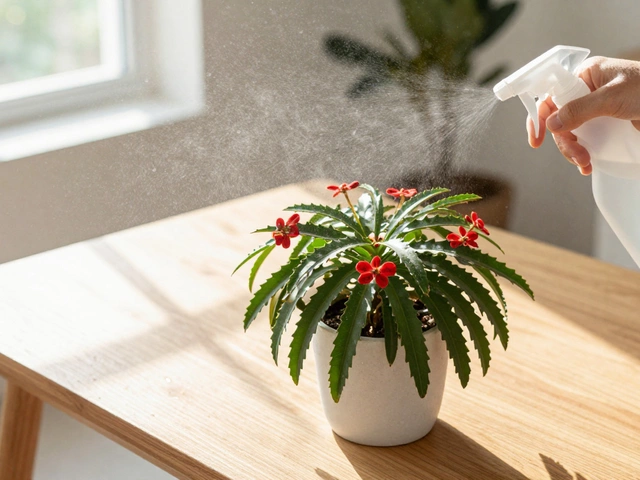
If you want your plant to actually thrive rather than just survive, you need to understand how humidity works and why the "spray and pray" method usually fails. Let's get into what actually works for your greenery.
Quick Summary for Plant Parents
- Misting provides a very temporary humidity boost that rarely lasts more than 10-15 minutes.
- Over-misting can lead to fungal infections, powdery mildew, and bacterial leaf spot.
- Pebble trays and humidifiers are far more effective for long-term moisture.
- Grouping plants together creates a natural microclimate through transpiration.
- Always check your local humidity levels before deciding on a moisture strategy.
The Science of the "Happy Plant"
First, we need to clarify what we're talking about. In the plant world, the term "Happy Plant" usually refers to the Happy Plant is a common trade name for the Euphorbia milii, also known as the Crown of Thorns. This plant is a succulent-like species native to Madagascar. This is where the biggest mistake happens. Because it's an epiphytic succulent, it's built to store water in its stems and survive in dry, arid conditions.
If you treat a Euphorbia like a tropical fern, you're heading for trouble. Succulents hate having water sit on their leaves or stems for long periods. In the wild, they deal with intense sun and low humidity. Adding a layer of moisture to their foliage in a low-airflow indoor environment is essentially inviting rot.
Does Misting Actually Increase Humidity?
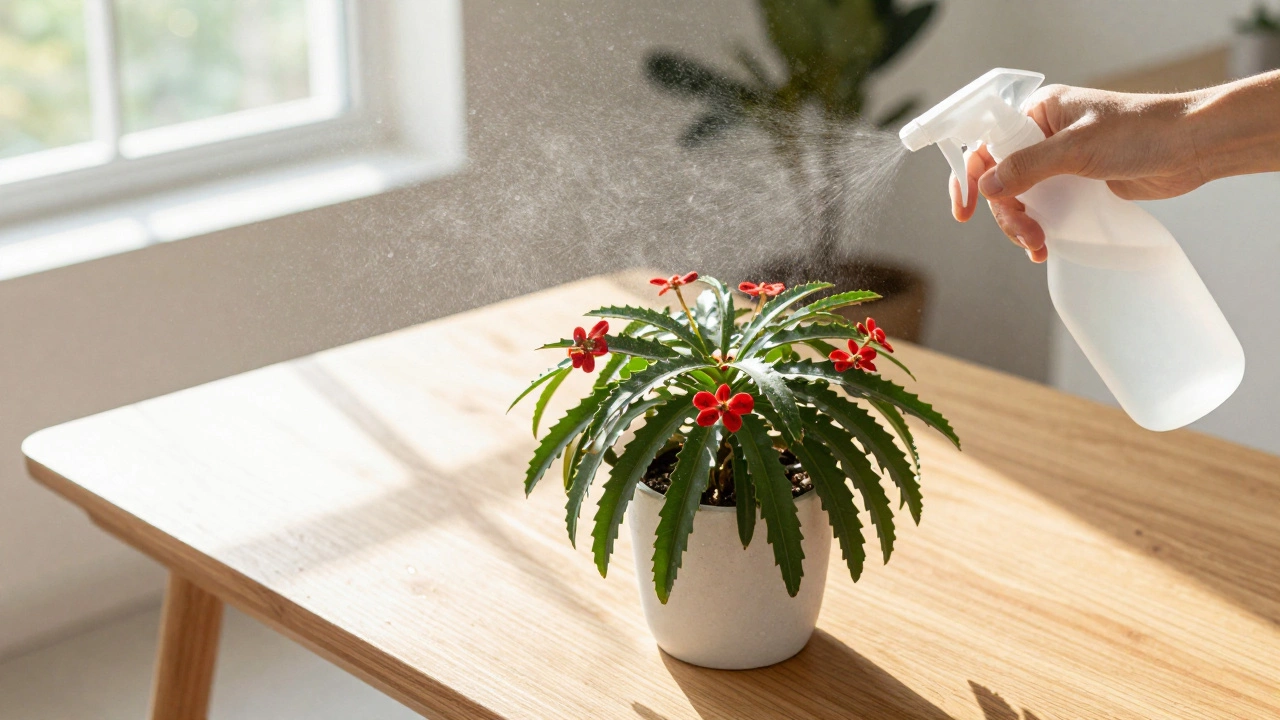
Here is the hard truth: misting your plants is mostly a psychological comfort for the owner. While it feels like you're doing something helpful, the actual impact on the ambient humidity of your room is negligible. Relative Humidity is the amount of water vapor present in the air relative to the maximum amount the air can hold at that temperature. A few squirts from a spray bottle might raise the humidity around the leaf for a few minutes, but as soon as that water evaporates, the air returns to its previous dry state.
Moreover, if you have a draft or a heater running, that water vanishes almost instantly. If you're trying to mimic a tropical rainforest, a spray bottle is like trying to fill a swimming pool with a teaspoon. It's simply not efficient.
The Hidden Dangers of the Spray Bottle
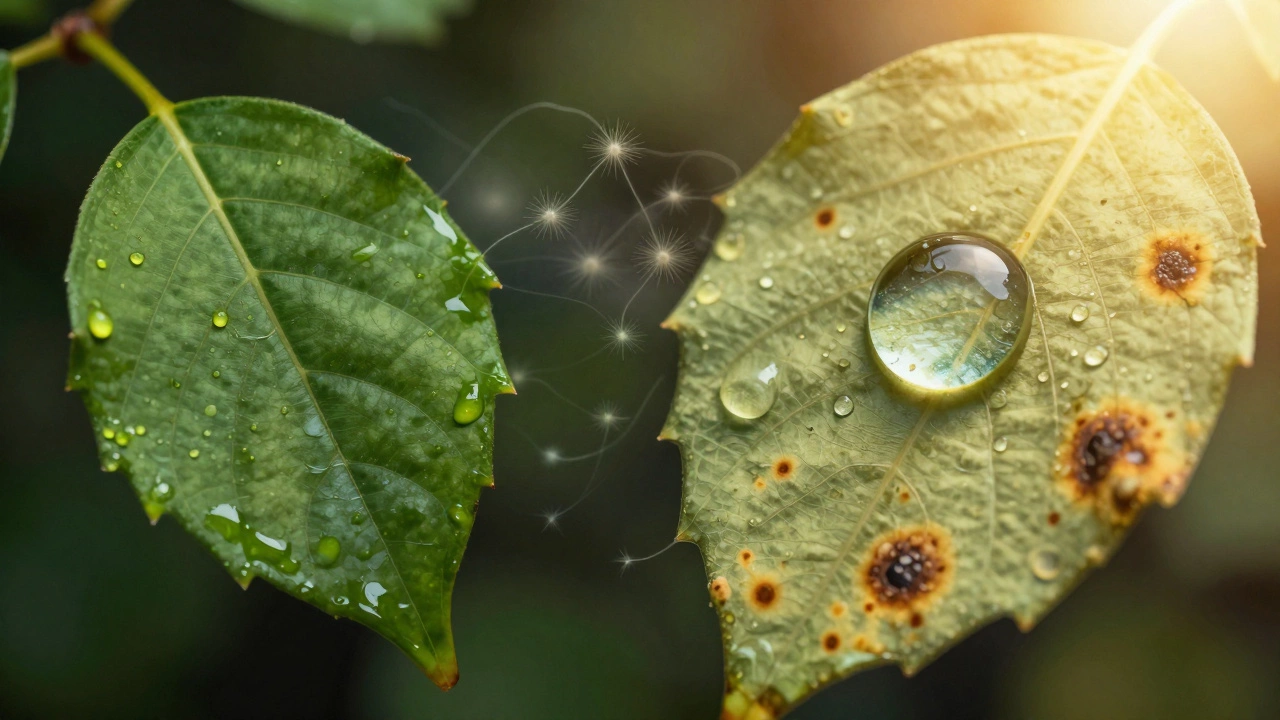
Beyond being ineffective, misting can actually harm your plants. When you leave water droplets on the leaves, you create a breeding ground for pathogens. Powdery Mildew is a fungal disease that loves the combination of stagnant moisture and moderate temperatures. If you mist your plant and then place it in a spot with poor air circulation, the water doesn't evaporate evenly, and spores can easily take hold.
Then there's the risk of bacterial leaf spot. Small droplets can act as magnifying glasses under direct sunlight, potentially burning the foliage, or they can trap dust and pollutants against the leaf surface, clogging the Stomata (the tiny pores plants use to breathe). When a plant can't breathe, it can't photosynthesize efficiently, leading to yellowing leaves and stunted growth.
Better Ways to Boost Humidity
If your plant actually needs more moisture (which, for a true Happy Plant/Euphorbia, it usually doesn't, but for other house plants it might), there are far better ways to do it.
One of the easiest methods is using a Pebble Tray. You fill a shallow tray with pebbles, add water until it's just below the top of the stones, and set your pot on top. As the water evaporates, it creates a localized zone of higher humidity directly around the plant without wetting the foliage.
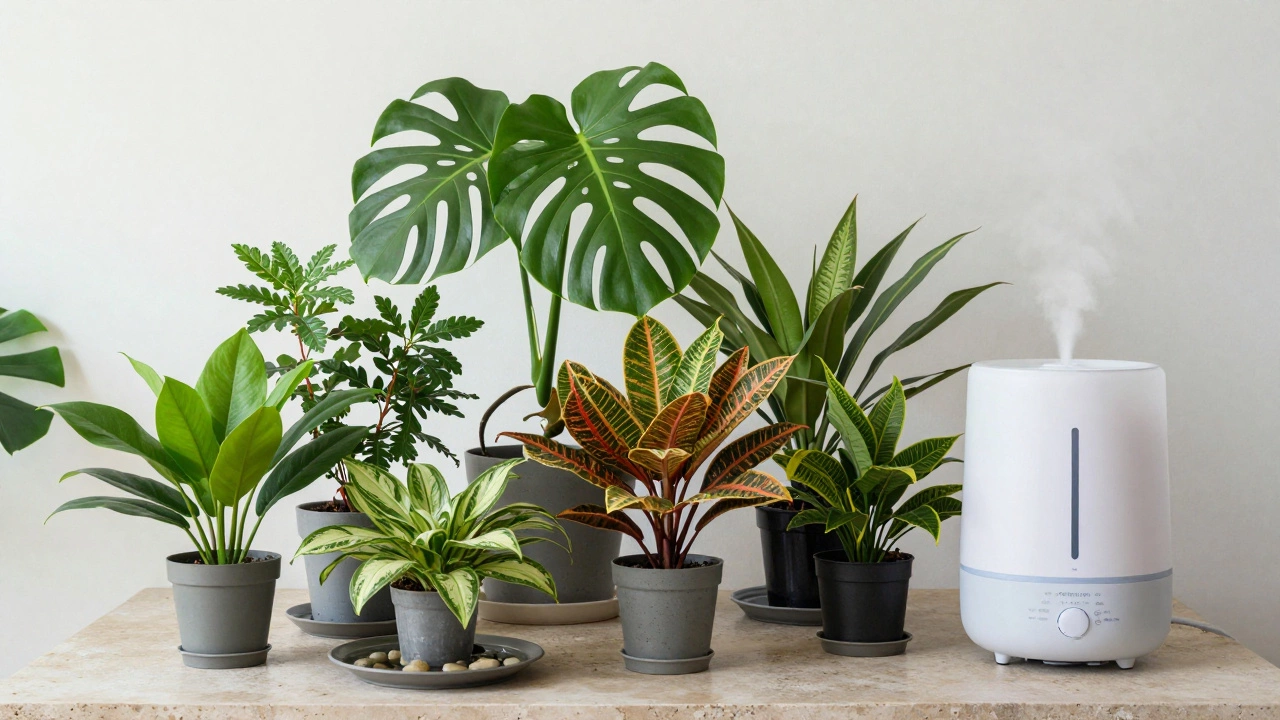
For those with a larger collection, a Humidifier is the gold standard. Whether it's an ultrasonic version or a warm-mist model, it consistently keeps the air at a set percentage (usually 50-60% for most tropicals), which is exactly what plants want.
Another pro tip is grouping your plants together. Plants release moisture through their leaves in a process called Transpiration. When you huddle them together, they create their own little humid bubble, effectively supporting each other.
| Method | Effectiveness | Risk Level | Best For |
|---|---|---|---|
| Misting | Very Low | High (Fungus) | Dusting leaves |
| Pebble Tray | Moderate | Low | Single plants |
| Grouping | Moderate | Very Low | Collections |
| Humidifier | High | Low | Whole rooms |
When SHOULD You Mist?
Is misting always bad? Not necessarily. There are a few specific scenarios where a spray bottle is actually useful. First, it's great for cleaning. Dust buildup on leaves blocks sunlight and hinders photosynthesis. A gentle misting followed by a wipe with a damp cloth is a great way to keep the plant healthy.
Second, if you're dealing with certain pests like Spider Mites, they hate humidity. A targeted misting of the undersides of leaves can make the environment less hospitable for them, though a proper insecticidal soap is usually better.
Lastly, if you have a plant that specifically asks for high humidity and you're in a pinch, a quick mist is better than nothing-provided you have a fan running to ensure the water doesn't just sit and rot on the stems.
Customizing Care for Your Specific Plant
If your "Happy Plant" is indeed a Crown of Thorns, your goal should be dryness, not humidity. Focus on these three things instead:
- Light: Give it the brightest spot in your house. These plants crave sunlight.
- Water: Let the soil dry out completely between waterings. If the soil is still damp, leave it alone.
- Air: Ensure there is plenty of airflow. A stuffy corner is where root rot starts.
Why are my plant leaves turning brown at the edges?
Brown, crispy edges are usually a sign of low humidity or underwatering. However, if the edges are brown but feel soft or mushy, it's often a sign of overwatering or root rot. For a Happy Plant (Euphorbia), this is almost always a sign that you've watered it too frequently.
Can I use tap water for misting?
You can, but be careful. Tap water often contains minerals like calcium and magnesium. When these droplets evaporate on the leaves, they leave behind white, crusty spots. Using distilled or rainwater prevents this buildup and keeps the leaves looking cleaner.
How often should I actually water a Happy Plant?
Depending on your home's light and temperature, usually every 2-3 weeks. The key is to check the soil with your finger; if the top two inches are dry, it's time for a drink. In winter, you can cut this back even further.
Will a terrarium help with humidity?
Yes, a closed terrarium creates a self-sustaining water cycle and very high humidity. However, this is a terrible environment for a Happy Plant/Euphorbia, as they require airflow and lower humidity. Terrariums are best for ferns and mosses.
Does misting help with pests?
It can discourage spider mites, who prefer dry air. But if you have a fungal pest or disease, misting will actually make the problem worse by providing the moisture the fungi need to spread.
Next Steps for Your Plant Journey
If you've been misting your plants and noticing a lack of growth or some weird spots on the leaves, try stopping for two weeks and switching to a pebble tray. Observe how the plant reacts. If you're an advanced plant parent, consider buying a small hygrometer-a cheap device that tells you exactly what the humidity percentage is in your room.
Once you know the actual number, you can stop guessing. If you're at 30% and your plant wants 60%, you know it's time to bring out the humidifier. If you're already at 50%, your plant is likely happy, and you can put the spray bottle away for good.