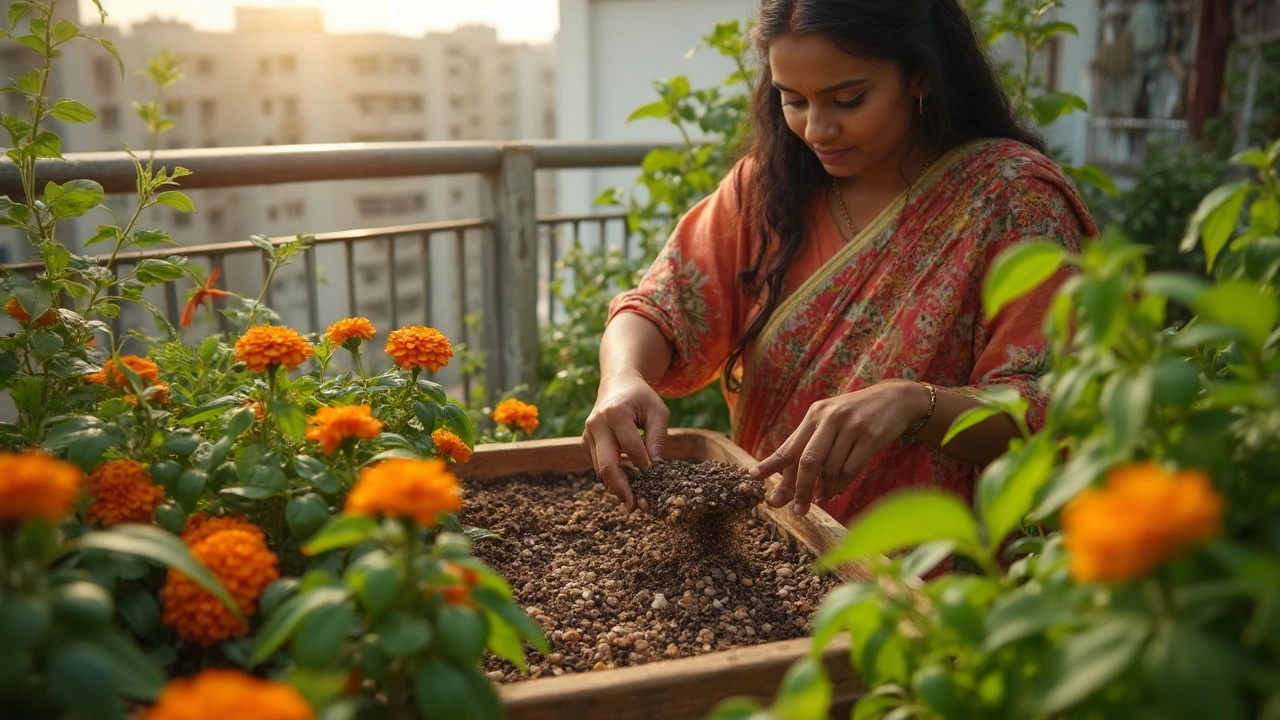
Discover step-by-step tips for filling your balcony planter so your plants thrive, not just survive. Learn which materials keep roots healthy, how to balance drainage and water retention, and how to tailor the setup to your favorite flowers or herbs. Avoid common balcony mistakes with smart hacks for airflow and weight management. Even small spaces can overflow with green if you get this foundation right. Balcony gardening isn't complicated—here’s how to do it the easy, effective way.
Balcony Garden Setup: Essentials for Small Space Gardening in India
When you start a balcony garden setup, a compact, space-smart way to grow plants in urban Indian homes. Also known as container gardening, it’s not just about putting pots on a railing—it’s about working with your space’s limits and strengths to grow food, flowers, and herbs that actually thrive. In cities like Mumbai, Delhi, or Bangalore, where land is scarce and concrete rules, a well-planned balcony garden can give you fresh herbs, colorful blooms, and even tomatoes—all without stepping outside your apartment.
What makes a balcony garden work isn’t luck. It’s understanding sunlight direction, how much sun your balcony gets based on which way it faces. A south-facing balcony in India gets the most all-day sun, perfect for tomatoes, chili peppers, and marigolds. North-facing? Stick to shade-lovers like ferns or mint. Then there’s container gardening, growing plants in pots, buckets, or hanging baskets instead of soil beds. The right container isn’t just about size—it’s about drainage, material, and weight. A plastic pot holds moisture longer than terracotta, which dries out fast in Indian heat. And don’t forget the soil. Dense, clay-heavy soil won’t cut it. You need a mix that drains well—compost, perlite, and coco peat are your best friends.
People think you need a big balcony to grow anything meaningful. That’s not true. Even a 3x3 foot space can give you basil, coriander, and chilies if you pick the right plants and arrange them smartly. Indian balcony plants, species that handle heat, monsoon humidity, and dry spells without constant care include holy basil, spider plants, aloe vera, and portulaca. These don’t demand perfect conditions—they just need you to pay attention. Water in the morning. Rotate pots every week so all sides get light. And don’t overwater. Most balcony plants die from too much love, not too little.
There’s no magic formula, but there are patterns. The best balcony gardens aren’t the most decorated—they’re the ones where someone checks on their plants daily, notices when a leaf turns yellow, and adjusts. That’s the real skill. You’ll find posts here that tell you exactly where not to plant hydrangeas, which plants bloom all year in India, how to fix clogged drip lines, and why basil is the easiest starter plant. You’ll learn how to pick the right orientation, what soil amendments actually work, and how to keep rabbits from snacking on your zinnias. This isn’t theory. It’s what works for real people with real balconies in real Indian weather. Ready to turn your balcony into a green escape? Here’s what others have tried—and what actually grew.
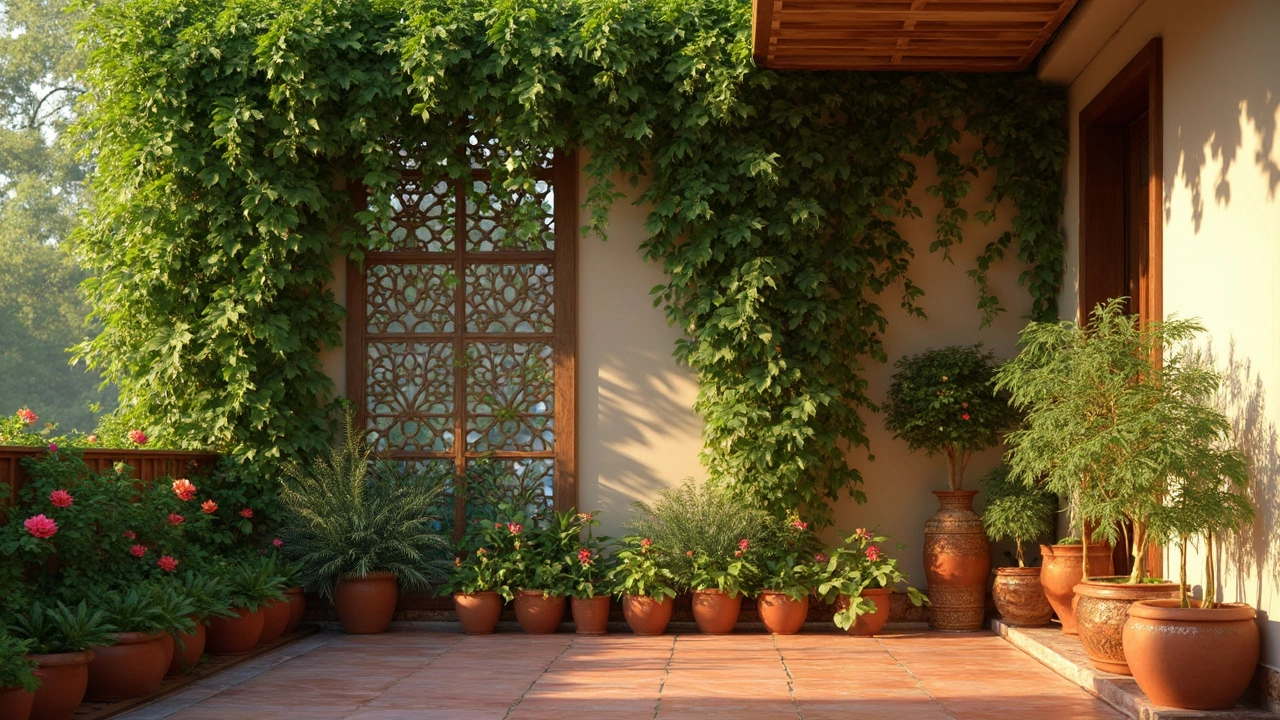
Transform your balcony into a private green oasis with the right plants. This guide offers practical tips for choosing plants that provide both privacy and aesthetic appeal. From fast-growing vines to resilient shrubs, find out which greenery is best suited for your space and climate. Learn how to care for them and boost your balcony's privacy while staying eco-friendly.