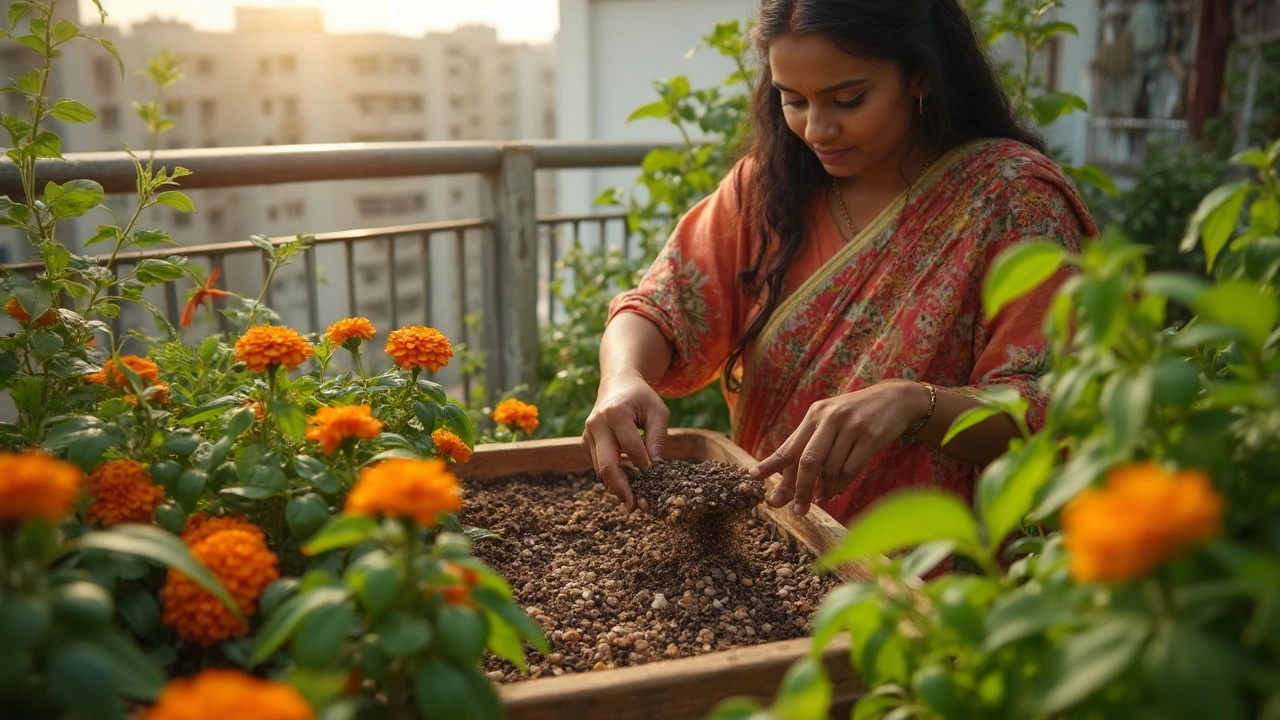
Discover step-by-step tips for filling your balcony planter so your plants thrive, not just survive. Learn which materials keep roots healthy, how to balance drainage and water retention, and how to tailor the setup to your favorite flowers or herbs. Avoid common balcony mistakes with smart hacks for airflow and weight management. Even small spaces can overflow with green if you get this foundation right. Balcony gardening isn't complicated—here’s how to do it the easy, effective way.
Balcony Planter: Best Ways to Grow Plants in Small Spaces
When you live in a city and don’t have a backyard, a balcony planter, a container designed for growing plants on balconies, patios, or rooftops. Also known as container garden, it turns unused space into a productive, green zone. In India, where apartments are common and land is scarce, a balcony planter isn’t just a luxury—it’s the only way many people grow fresh herbs, veggies, and flowers. You don’t need a big yard. You just need the right planter, the right soil, and the right plants.
A good balcony planter, a container designed for growing plants on balconies, patios, or rooftops. Also known as container garden, it turns unused space into a productive, green zone. isn’t just a box with dirt. It’s part of a system. The balcony orientation, the direction your balcony faces, which determines how much sunlight plants get. Also known as sun exposure direction, it decides what you can grow. A south-facing balcony in India gets strong sun all day—perfect for tomatoes and chillies. A north-facing one stays shady—better for mint or ferns. Then there’s the soil, the growing medium that supports plant roots and holds nutrients. Also known as garden soil, it—it can’t be regular dirt from your yard. It needs to drain fast, hold moisture, and be light enough for containers. That’s why people mix in compost, perlite, or coco peat. And don’t forget the watering system, how you deliver water to plants in containers, often using drip lines or manual watering. Also known as drip irrigation, it. Overwatering kills more plants than under-watering, especially in small pots where roots sit in wet soil.
People who use balcony planters aren’t just growing food—they’re growing patience. You learn to watch the leaves, feel the soil, and adjust. Some plants, like basil and spinach, grow fast and give you results in weeks. Others, like jasmine or chilli plants, take months but reward you with scent and flavor. You’ll find that some plants thrive in heat, others need shade. Some need big pots, others are happy in a 6-inch container. The trick isn’t having the fanciest tools—it’s matching the plant to the spot.
What you’ll find in the posts below isn’t theory. It’s what actually works for Indian balconies. You’ll see which plants bloom all year, which ones rabbits avoid, how to fix clogged drip lines, and why some hydrangeas die even when you water them every day. You’ll learn the best time to buy plants, how to make soil less dense, and which plants grow fast enough to harvest in 30 days. No fluff. No guesswork. Just real tips from people who grow food on balconies, in cities, under hot sun and monsoon rains.