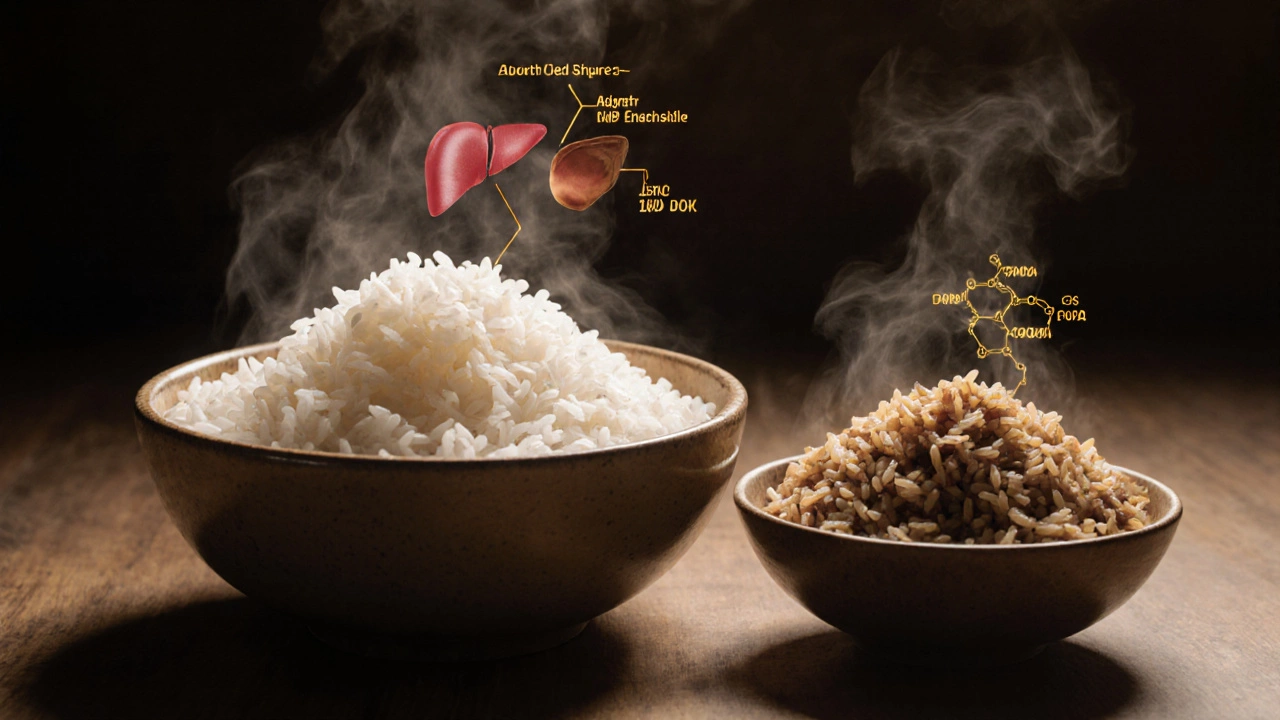
White rice doesn't contain cholesterol, but its rapid digestion spikes blood sugar and triggers your liver to produce more LDL cholesterol. Switching to brown rice or other whole grains can lower bad cholesterol naturally.
Cholesterol: What It Really Means for Your Diet and Garden
When you hear cholesterol, a waxy substance found in your blood and in animal-based foods. Also known as blood lipid, it plays a role in building cells and making hormones—but too much from the wrong sources can raise your risk for heart trouble. Most people think cholesterol only comes from eggs or meat, but the real issue isn’t the cholesterol in your food—it’s the saturated fats, fats that solidify at room temperature and are mostly found in animal products and processed snacks that push your body to make more of it. You don’t need to avoid all cholesterol. Your liver makes plenty on its own. What matters is what you’re eating alongside it.
Here’s where your garden comes in. Plants don’t make cholesterol. That’s right—plant-based foods, everything from leafy greens to beans, nuts, and fruits grown without synthetic inputs are naturally cholesterol-free. Eating more of them doesn’t just lower your cholesterol—it replaces the junk that raises it. Think of your kitchen garden as a quiet medicine cabinet. A handful of spinach, a few almonds, or a tomato from your balcony planter doesn’t just feed you. It helps reset your body’s balance. You won’t find cholesterol in your compost pile, but you will find the building blocks for healthier meals: fiber, antioxidants, and good fats from seeds and oils like flax or olive.
What you avoid matters as much as what you eat. Ultra-processed snacks, fried foods, and packaged baked goods are full of hidden saturated and trans fats. They’re designed to keep you coming back, not to nourish you. And guess what? You won’t find those in a garden. They’re made in factories, not grown in soil. The best way to control your cholesterol isn’t with pills or extreme diets—it’s with consistency. Swap out one processed snack a day for a homegrown apple or a handful of raw peanuts. Over time, that adds up. Your heart doesn’t need perfection. It just needs better choices, day after day.
Below, you’ll find real guides from farmers and gardeners who’ve made these swaps part of their routine—not because they’re on a diet, but because they want to feel better, live longer, and grow food that actually helps. From how to pick the right oils for your terrace garden to which plants thrive in Indian heat without needing chemical help, these posts show you how to eat and live with less worry and more control.