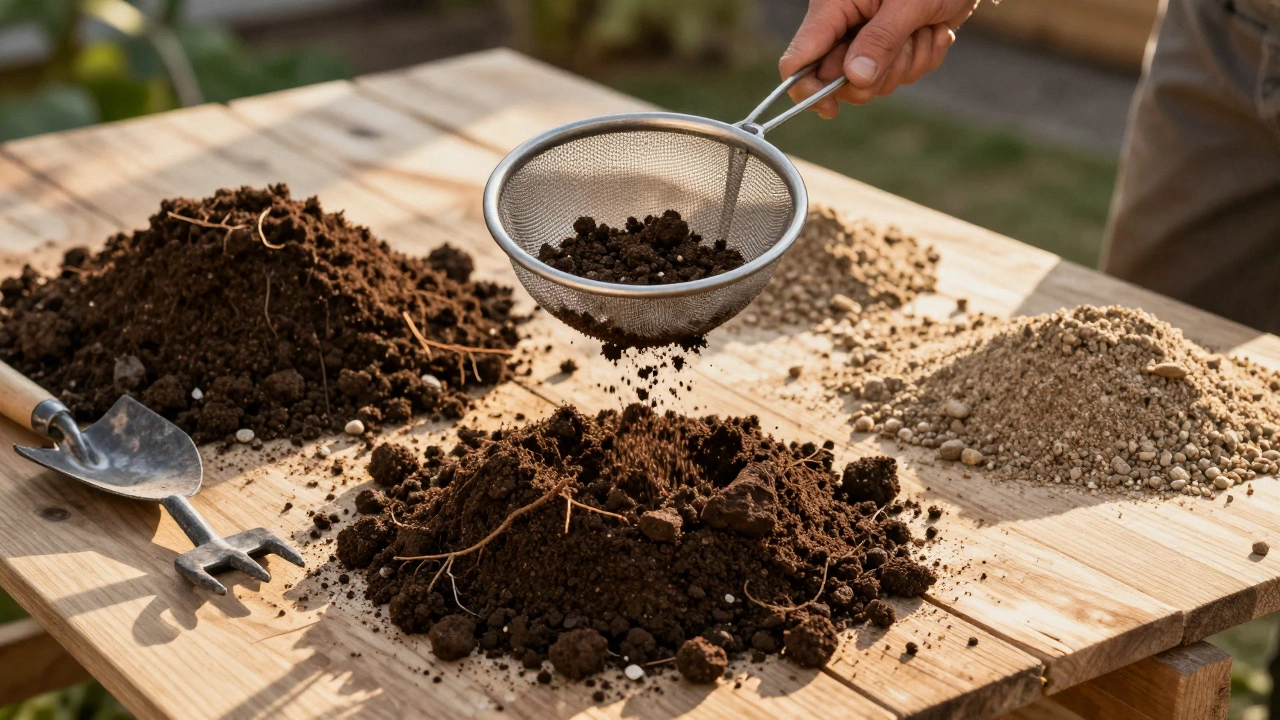
Learn how to make your own topsoil using compost, screened soil, and coarse sand. Save money, avoid contaminants, and grow healthier plants with a custom soil blend that outperforms store-bought options.
DIY Topsoil: How to Make Rich, Healthy Soil for Indian Gardens
When you're growing vegetables, flowers, or herbs in India, the secret isn't fancy tools or expensive bags—it's the DIY topsoil, a custom-blended growing medium made from natural, locally available materials to support strong root systems and healthy plant growth. Also known as garden soil mix, it's what turns dry, hard earth into a living, breathing home for your plants. Most Indian gardens—whether on balconies, terraces, or backyard plots—start with soil that's either too clay-heavy, too sandy, or stripped of nutrients from overuse. Buying topsoil is expensive and often unreliable. Making your own is cheaper, smarter, and gives you full control over what goes in.
Good topsoil, the uppermost layer of soil rich in organic matter and microorganisms that supports most plant life isn't just dirt. It's a balanced mix of three things: compost, decomposed organic waste that adds nutrients and improves soil structure, perlite, a lightweight volcanic rock that improves drainage and prevents compaction, and clean, coarse sand, a mineral component that helps break up heavy soils and improve aeration. You don't need fancy equipment. A big plastic bin, a shovel, and some old burlap sacks are enough. Start with one part compost from your kitchen scraps or vermicompost bin, one part perlite (available at nurseries), and one part sand. Mix it well. Let it sit for a week if you can—this lets the microbes wake up. Test it by squeezing a handful: it should hold shape but crumble when you poke it. If it's too sticky, add more sand. If it's too loose, add more compost.
Indian gardens face unique challenges: monsoon floods, dry summers, and soil that turns to brick after rain. DIY topsoil fixes this. It holds water without drowning roots, drains fast after heavy rain, and feeds plants slowly over weeks. Farmers in Haryana and urban gardeners in Bengaluru both use variations of this mix—it's not magic, just smart recycling. You can tweak it: add coconut coir if you're in a coastal area, or crushed neem leaves to naturally deter pests. This isn't just about growing plants. It's about taking back control from chemical fertilizers and imported soil bags that cost more than your monthly grocery bill.
What you'll find below are real, tested methods from Indian gardeners who’ve done this themselves—how to make topsoil with cow dung, how to fix salty soil, how to use rice husk as a cheap alternative to perlite, and why some people swear by ash while others avoid it. No theory. No fluff. Just what works in your backyard, balcony, or terrace.