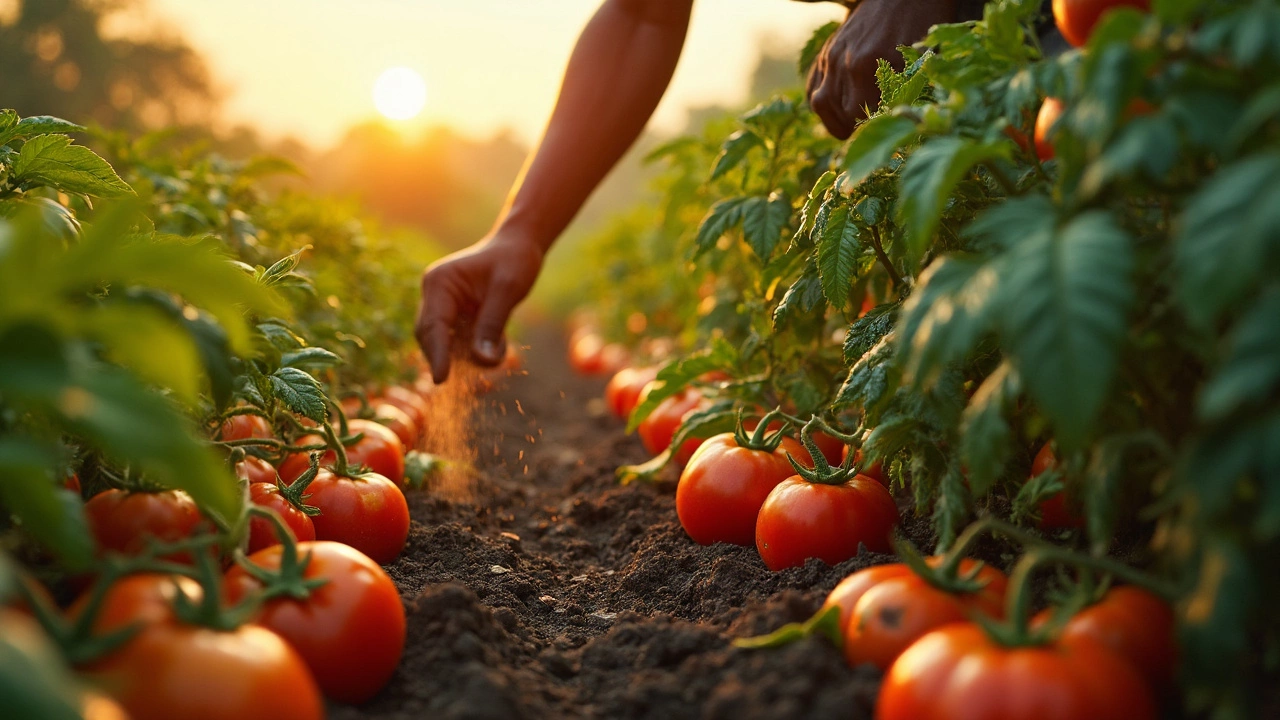
Getting the frequency of fertilizing tomatoes just right can make all the difference in your garden's success. This article delves into the optimal schedule for feeding your tomato plants, how to assess soil health, and tips for using organic and inorganic fertilizers effectively. It provides practical advice to ensure your tomato plants thrive, without overdoing it, all while keeping health and environmental impacts in mind.
Fertilizing Schedule: When and How to Feed Your Plants for Best Results
When you think about fertilizing schedule, a planned timeline for adding nutrients to soil to support healthy plant growth. Also known as plant feeding routine, it's not about dumping fertilizer on your plants every week—it's about matching what your plants need with when they need it. A good fertilizing schedule respects how plants grow, how soil behaves in India’s climate, and what kind of nutrients are actually being used up. Too much, too often, and you burn roots. Too little, and your plants struggle to bloom or fruit. The right schedule keeps things balanced.
It’s not just about the fertilizer itself—it’s about the soil health, the condition of your garden or balcony soil that determines how well plants absorb nutrients. Also known as garden soil quality, it’s the foundation of everything. If your soil is dense and packed down, like clay in many Indian homes, even the best fertilizer won’t help unless you first loosen it with compost or perlite. And if your soil’s already rich from past composting, you might not need much at all. That’s why so many posts here talk about soil amendments, composting, and organic inputs—they’re all part of the same story. A smart fertilizing schedule starts with understanding your soil, not just buying a bag of pellets.
Then there’s the organic fertilizer, natural materials like compost, cow dung, or leaf mold that slowly release nutrients without harming soil life. Also known as natural plant food, it’s what most Indian gardeners trust. Unlike chemical blends that give a quick burst and then vanish, organic options feed microbes, hold moisture, and improve soil texture over time. That’s why you’ll see them come up again and again in posts about compost recipes, balcony gardening, and year-round bloomers. Timing matters here too: you don’t feed flowering plants like hydrangeas the same way you feed fast-growing veggies like spinach. One needs a boost before blooming, the other needs steady feeding during rapid growth.
And don’t forget the gardening timing, the seasonal and daily windows when plants are most ready to absorb nutrients. Also known as plant feeding windows, it’s often overlooked. In India, monsoon rains wash away nutrients fast, so feeding just before the rains hit can be wasted. Dry spells mean plants aren’t drinking much, so fertilizer sits unused and can build up. The best times? Early morning in cooler months, or right after a light watering. Many of the posts here—like the ones on drip emitters, terrace oiling, and 30-day crops—hint at this rhythm. You’re not just feeding plants. You’re syncing with weather, season, and plant biology.
What you’ll find below isn’t a one-size-fits-all chart. It’s real-world advice from people who’ve tried it—whether they’re growing jasmine on a balcony, fixing clay soil in a backyard, or choosing the right compost mix for a kitchen garden. Some posts tell you what not to do with hydrangeas. Others show how to fix clogged drip lines so fertilizer doesn’t get stuck. There’s even a guide on what to add to dense soil to make it work better. All of it ties back to one simple truth: a good fertilizing schedule isn’t about following rules. It’s about watching your plants, listening to your soil, and adjusting as you go.