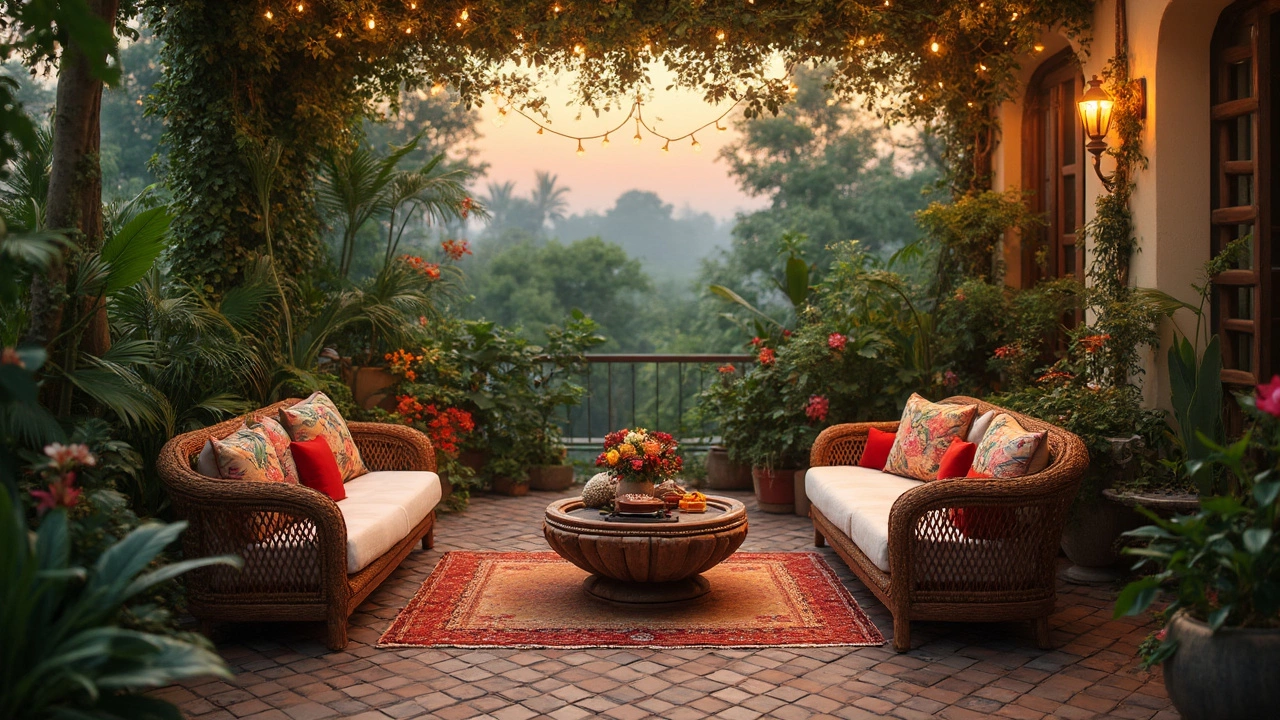
Transform your terrace into a beautiful green haven with simple tips on choosing the right outdoor furniture, adding greenery, and personalizing the space with decor. Explore how to create a cozy ambiance while maximizing functionality, and turn even the smallest spaces into lush retreats. Whether you're an experienced gardener or a newbie, these practical insights will help you make the most of your outdoor area.
Green Space: How to Create and Maintain Healthy Outdoor Areas in Indian Homes
When we talk about green space, a patch of land covered with plants that brings life, calm, and cleaner air to where people live. Also known as urban greenery, it’s not just about having a few pots on a balcony—it’s about creating a living system that supports plants, pollinators, and your own well-being. In Indian cities, where concrete dominates and open land is rare, green space isn’t a luxury. It’s a necessity. A single potted basil plant on your windowsill counts. A row of flowering hibiscus on your terrace counts. Even a vertical garden made from recycled bottles counts. What matters isn’t the size—it’s whether it’s alive, cared for, and working with your local climate.
Building real green space in India means understanding what survives here. You can’t just copy Pinterest ideas from Europe or the US. Monsoons drown plants. Summer heat bakes soil in terracotta pots. Wind on balconies dries out seedlings overnight. That’s why the best green spaces here use year-round plants, native or adapted species that bloom or stay green through heat, rain, and mild winters without constant fuss. Plants like marigolds, lantana, and bougainvillea don’t just look good—they’re built for this. And the soil? It’s not just dirt. soil improvement, adding compost, leaf mold, or perlite to make dense, clay-heavy Indian soil lighter and more draining. Most people skip this step and wonder why their plants die. Healthy soil isn’t bought—it’s built, slowly, with organic matter you can make at home.
Green space also means thinking about space. A balcony garden, a small outdoor area on a high floor, often with limited sunlight, wind, and shallow containers. isn’t just a place to grow herbs. It’s a micro-ecosystem. You need the right orientation—south-facing gets the most sun in India. You need pots that don’t overheat. You need plants that don’t need daily watering. That’s why basil, snake plants, and succulents win. They’re low-maintenance, tough, and give back fast. And when you fix a clogged drip emitter, a small nozzle in an irrigation system that delivers water slowly to plant roots. or choose the right potting mix, you’re not just gardening—you’re solving real problems in your daily life.
What you’ll find below isn’t a list of pretty pictures. It’s a practical toolkit. From how to loosen heavy soil to which plants bloom nonstop in India’s crazy weather, these posts are written by people who’ve tried it, failed, and tried again. No fluff. No theory. Just what works on Indian balconies, terraces, and tiny courtyards. Whether you’ve got one pot or a whole terrace, you’ll find a way to make your green space not just survive—but thrive.