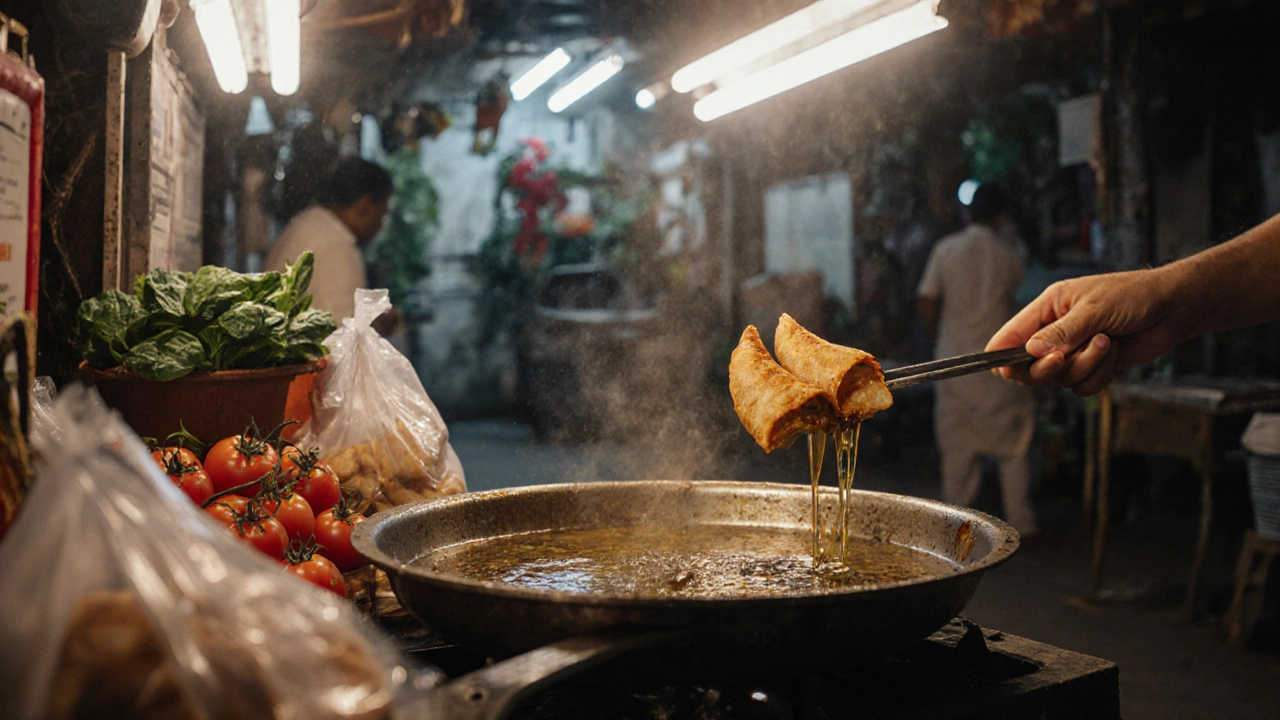
The unhealthiest food in the world isn't a single item-it's ultra-processed, sugar-laden, trans-fat-filled products designed to be addictive. Learn what to avoid and how to make better choices.
Junk Food and Its Impact on Garden Health and Nutrition
When we talk about junk food, highly processed snacks and meals loaded with sugar, salt, and unhealthy fats that offer little to no nutritional value. Also known as processed foods, it shapes not just your diet but your entire relationship with food—how you buy it, how you think about growing it, and whether you even care where it comes from. This isn’t just a personal health issue. The same industrial systems that make junk food cheap and everywhere also push farming practices that strip soil, use toxic chemicals, and ignore natural cycles. If you’re feeding your body empty calories, you’re more likely to accept food that’s grown the same way—out of sync with the land.
Think about it: someone who eats packaged snacks daily might not see the point in composting, saving seeds, or planting vegetables that take weeks to grow. But when you start growing your own food—even just a few herbs on a balcony—you begin to notice how real food tastes, how it changes with the seasons, and how much effort it takes to make it grow. That’s when junk food stops being convenient and starts feeling wrong. The soil health, the condition of the earth that supports plant growth, including its microbial life, structure, and nutrient content. Also known as garden soil, it mirrors what’s happening in your body. Toxic chemicals in junk food? They’re the same ones used in industrial farming. Poor nutrition in your diet? That’s what happens when crops are grown in dead soil. The two are connected. You can’t fix one without the other.
And here’s the quiet revolution: people who grow their own food—even a little—start rejecting junk food without even trying. They taste a tomato grown in compost-rich soil and realize no store-bought version can match it. They see how a single zinnia blooms all year in India and wonder why their snacks last longer than their meals. They learn that basil needs sunlight, not a microwave, and suddenly, the idea of eating something with a shelf life of six months feels absurd. This shift doesn’t come from willpower. It comes from experience. From dirt under your nails. From watching a seed become food you made yourself.
Below, you’ll find real guides from farmers and balcony gardeners who’ve made this shift. They don’t preach about diets. They show you how to grow food that tastes like food should. How to fix soil so your plants thrive. How to choose plants that work with India’s climate, not against it. And how, step by step, you can replace junk food habits with something real—something that feeds your body, your garden, and your future.