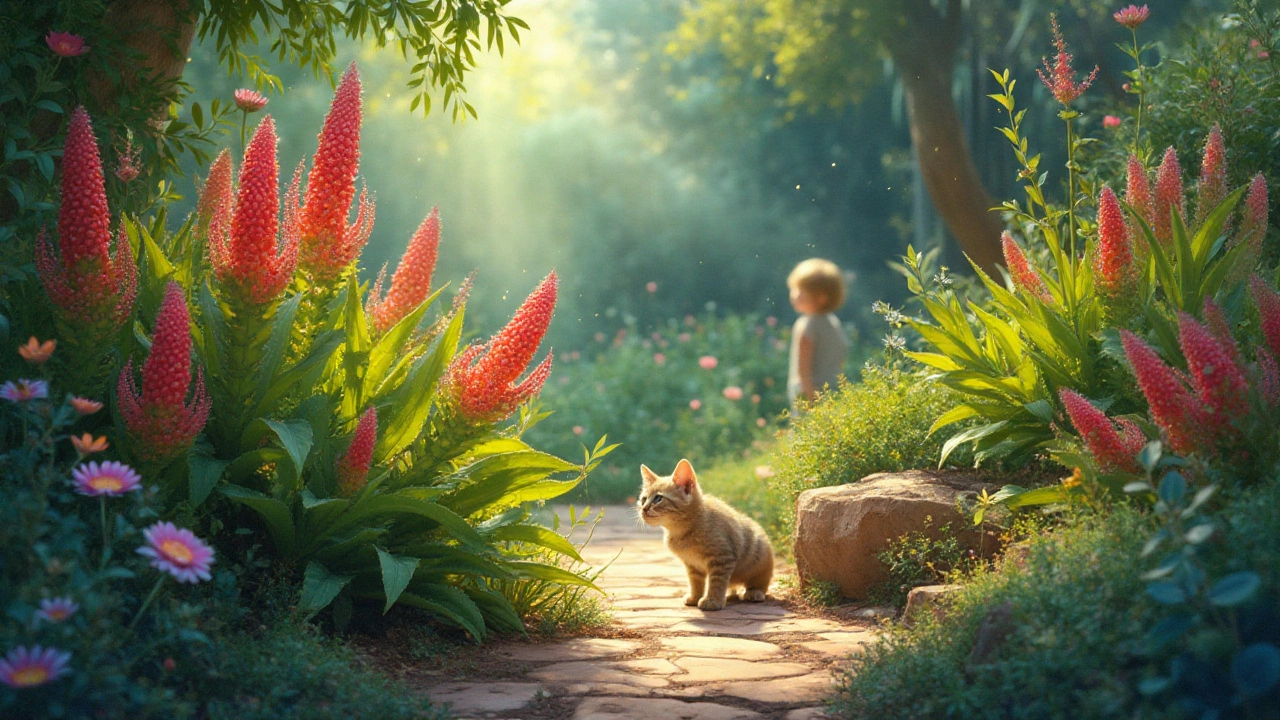
The Mother of Thousands, a striking and unique succulent, is both fascinating and controversial due to its potential toxicity. While cherished for its easy cultivation and proliferation, concerns arise for households with children and pets. Understanding this plant's characteristics and precautions is essential for those looking to incorporate it into their garden. Discover its potential risks and explore safe gardening practices. Learn how to enjoy this plant responsibly without compromising safety.
Kalanchoe: The Easy-Going Flower That Thrives in Indian Homes
When you think of a plant that blooms for months with almost no effort, Kalanchoe, a hardy, succulent-flowering plant native to tropical regions and widely grown in Indian homes. Also known as flaming Katy, it’s the kind of plant that rewards neglect with bursts of color—perfect for busy people who still want a vibrant space. Unlike finicky orchids or high-maintenance roses, Kalanchoe doesn’t need daily attention. It stores water in its thick leaves, survives hot afternoons on balconies, and keeps flowering even when you forget to water it for a week.
What makes Kalanchoe stand out in Indian households isn’t just its looks—it’s how well it fits into everyday life. You’ll find it in balconies in Mumbai, windowsills in Delhi, and terraces in Bangalore, thriving where other plants struggle. It doesn’t need rich soil or constant sunlight. A spot with morning light and good drainage is enough. And when it blooms, the flowers come in bright red, yellow, pink, or orange—colors that pop against concrete balconies and plain walls. It’s also closely related to other succulents like jade plants and aloe vera, which means it shares their drought-tolerant habits. If you’ve ever killed a plant from overwatering, Kalanchoe is your second chance.
People often mix it up with other flowering houseplants, but Kalanchoe is different. It doesn’t need high humidity like orchids. It won’t drop leaves if the AC runs all day. And unlike tropical plants that die in winter, it handles India’s mild winters without a fuss. You can keep it indoors during monsoons and move it outside in spring. It’s the kind of plant that stays alive through power cuts, forgotten watering schedules, and dusty windows. That’s why it’s one of the most common flowering plants you’ll see in Indian homes—and why so many blogs and gardening guides keep coming back to it.
What you’ll find in the posts below isn’t just care tips. You’ll see how Kalanchoe fits into real Indian gardening routines—how it pairs with other low-maintenance plants, how to repot it without stress, and why it’s often the first plant new gardeners choose. You’ll also find comparisons with other year-round bloomers, tips for preventing pests, and even how to encourage more blooms without fancy fertilizers. This isn’t about perfection. It’s about making greenery work in the real world—where life gets busy, balconies get hot, and plants need to be tough to survive.