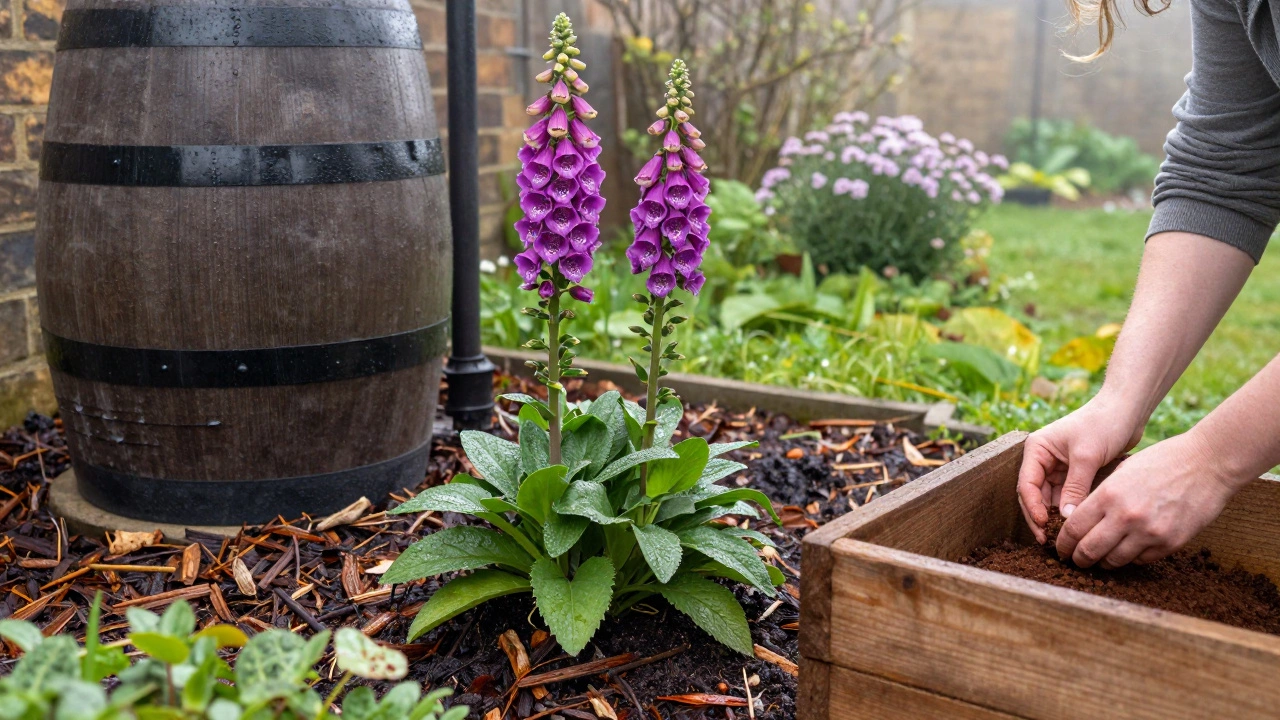
Smart gardening isn’t about fancy tools-it’s about working with nature. Learn how to save water, build healthy soil, and grow more with less using simple, sustainable methods that actually work.
Organic Gardening in India: Simple Ways to Grow Food Without Chemicals
When you start organic gardening, growing food without synthetic fertilizers or pesticides, using natural methods that work with the land. Also known as chemical-free gardening, it’s not just a trend—it’s how farmers and families in India have grown food for centuries before chemicals became common. You don’t need a big plot. Even a balcony with a few pots can become a thriving, chemical-free kitchen garden. The secret isn’t expensive tools or fancy products. It’s understanding your soil, working with seasons, and letting nature do most of the work.
Good organic soil, living, airy dirt full of microbes and nutrients, not just packed earth. Also known as living soil, it’s the foundation of every healthy organic garden. Most Indian soils—whether clay-heavy in the south or sandy in the west—can be fixed with simple additions like compost, leaf mold, or cow dung. You don’t buy soil. You build it. That’s where composting, turning kitchen scraps and garden waste into rich, dark fertilizer. Also known as home composting, it’s the heartbeat of organic gardening. Every banana peel, coffee grounds, and dry leaf you save becomes food for your plants. And when your plants are strong, they naturally fight off pests. No sprays needed. You use things like neem oil, marigolds, or garlic spray—not because they’re trendy, but because they actually work in India’s heat and humidity.
Organic gardening isn’t about perfection. It’s about paying attention. Watching which plants thrive in your balcony’s afternoon sun. Noticing when ants show up—because they often mean aphids are nearby. Letting some weeds stay because they attract helpful insects. It’s gardening with patience, not pressure. You’ll find posts here that show you exactly how to fix dense soil, stop drip lines from clogging, pick plants that bloom all year, and protect your zinnias from rabbits—all without touching a chemical. You’ll learn what to add to your pots, when to water, and which native vegetables grow best in your region. This isn’t theory. It’s what real people in India are doing right now—with buckets, old sacks, and a little time each day.
Discover the top alternative names for sustainable gardening, their meanings, best uses, and practical tips for greener planting.

How effective is apple cider vinegar as a natural insecticide? Explore real results, science, and practical tips for using ACV for pest control in your garden.
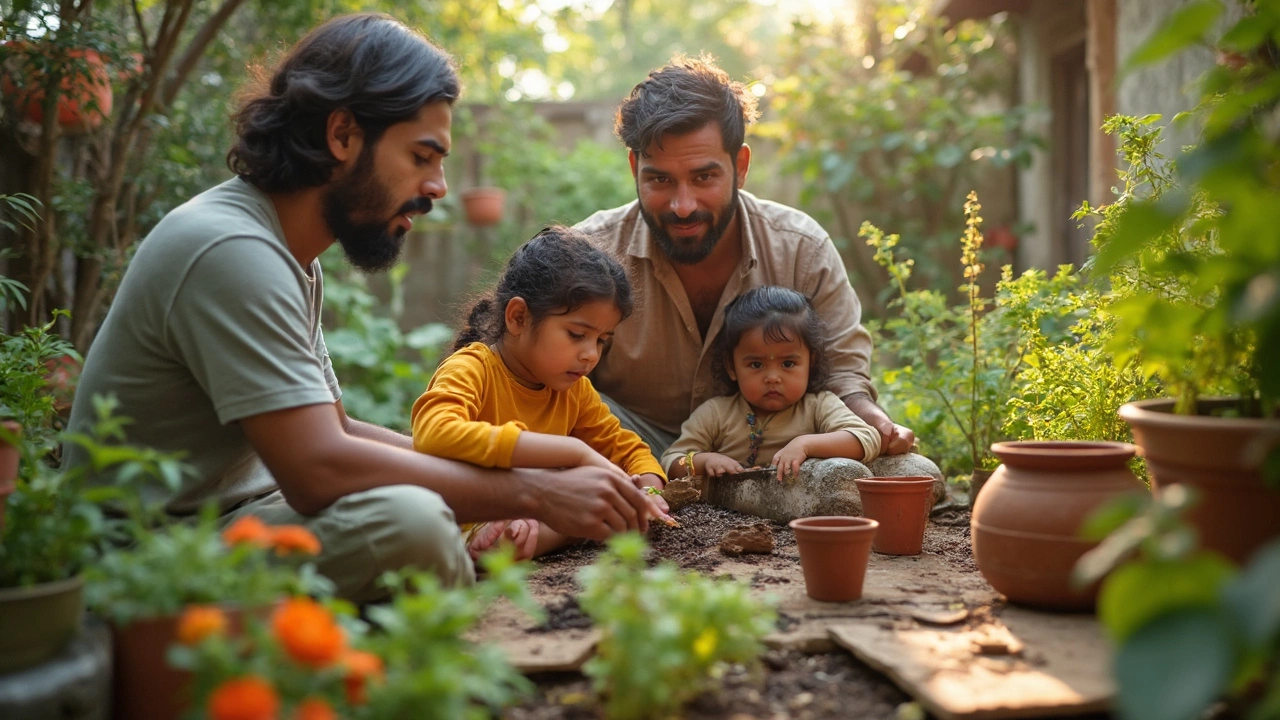
Starting a sustainable garden doesn’t need to be complicated or expensive. This article will walk you through simple steps to grow your own eco-friendly garden, focusing on practical techniques that save resources and support the local ecosystem. You'll find real-life tips on choosing the right spot, building healthy soil, picking smart plants, and managing your garden to use less water and chemicals. Whether you have a big backyard or a tiny balcony, these ideas will help you make a positive impact. Get ready to turn your outdoor space into a low-waste, green haven.