Rainwater Harvesting Calculator
Estimate how much water you can save by collecting rainwater and using mulch. Based on UK Environment Agency data showing 40% reduction with sustainable practices.
Water Savings Estimated
By implementing rainwater harvesting and mulching
When people ask, "What’s a smart word for gardening?" they’re not looking for a fancy synonym. They’re asking how to garden smarter-without wasting water, chemicals, or time. The answer isn’t a single word. It’s a shift. A way of thinking that turns your garden into a quiet, living system that gives back more than it takes.
Smart Gardening Isn’t About Fancy Tools
It’s not about buying the latest smart sprinkler or a $300 soil sensor. Real smart gardening starts with observation. Look at your yard. Where does water pool after rain? Which spots dry out fastest? Which plants thrive without help, and which ones always look tired?
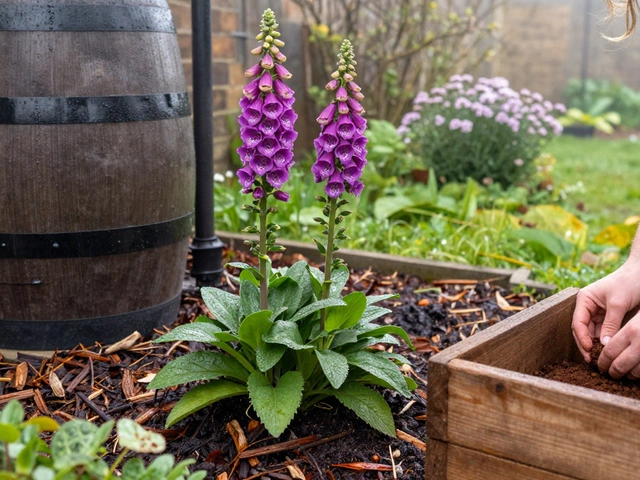
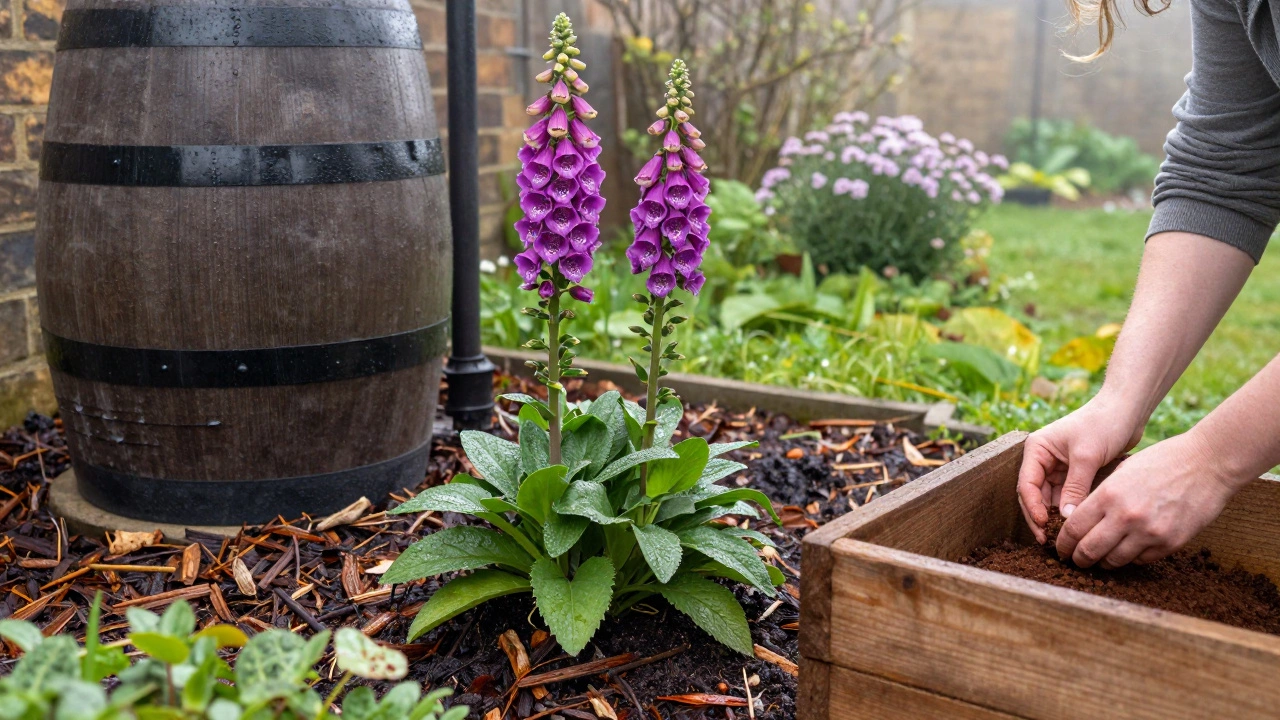
In Brighton, where rain comes in fits and starts, smart gardeners don’t fight the weather. They work with it. That means choosing plants that naturally handle our damp winters and dry spells. Native species like foxglove, meadowsweet, and sea thrift don’t need extra watering. They’ve been here for centuries. They know the soil. They know the rhythm.
Water Is the Real Currency
Most people think gardening is about planting. It’s not. It’s about managing water. In 2025, the UK Environment Agency reported that households using drip irrigation and rain barrels cut outdoor water use by 40% compared to hose-and-sprinkler methods.
Smart gardeners collect rain. A simple barrel under a downspout costs less than £50 and can hold 200 liters. That’s enough to water a small vegetable patch for two weeks. No tap. No bill. No runoff polluting the street.
And mulch? It’s not just decorative. A 5cm layer of composted bark or leaf mold around your plants cuts evaporation by up to 70%. It keeps roots cool in summer, stops weeds from taking over, and feeds the soil as it breaks down. That’s three jobs done with one material.
Soil Isn’t Dirt-It’s a Living Network
Bad soil is like a broken phone. You can keep trying to use it, but it won’t work right. Good soil? It’s alive. A single teaspoon holds more microbes than there are people on Earth. These tiny organisms break down leaves, release nutrients, and build structure.
Smart gardeners never buy chemical fertilizers. Instead, they feed the soil with compost. Kitchen scraps-coffee grounds, eggshells, vegetable peels-go into a bin. In three to six months, they turn into dark, crumbly humus. That’s your free, nutrient-rich soil amendment.
And no-till gardening? It’s the quiet revolution. Digging kills soil life. Smart gardeners plant directly into undisturbed ground. They layer compost on top and let worms do the work. In one Brighton garden, a no-till bed produced 30% more tomatoes than a tilled one, with half the effort.
Plants That Work Together
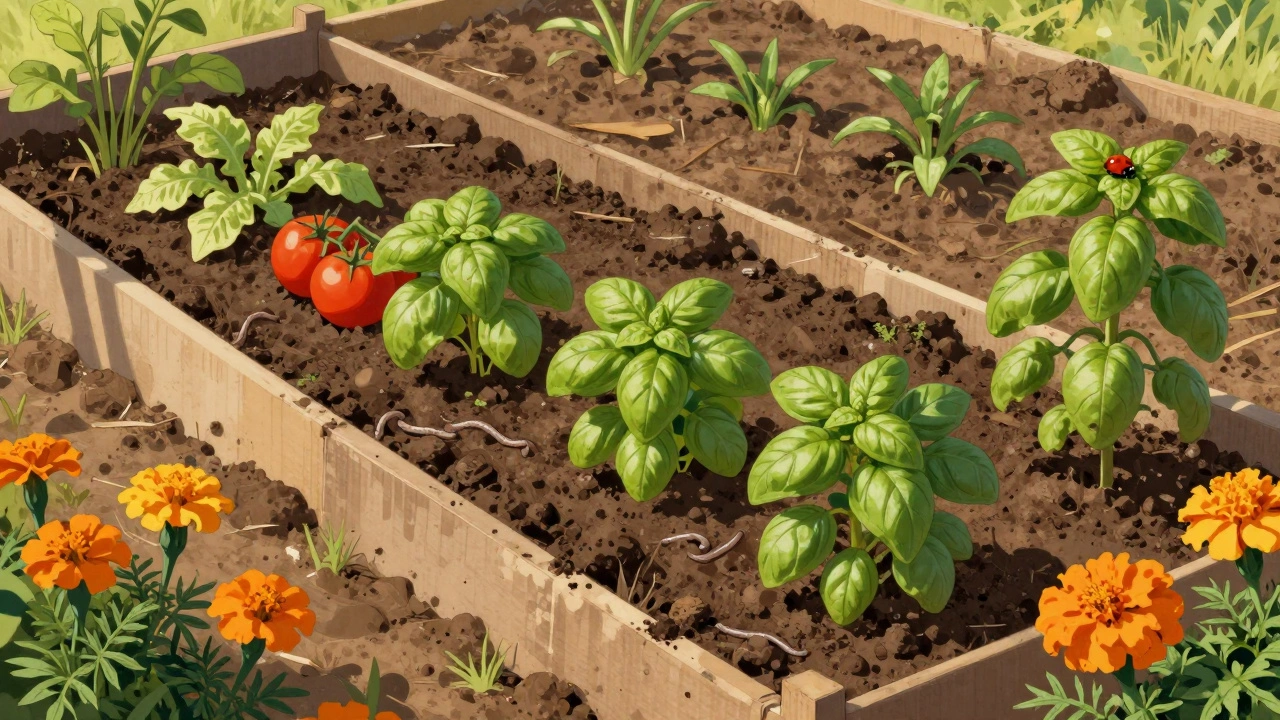
Smart gardening doesn’t mean planting in neat rows like a military parade. It means thinking like a forest. Plants don’t grow alone in nature. They team up.
Marigolds planted near tomatoes keep nematodes away. Basil near peppers improves flavor and repels aphids. Nettles? They’re not weeds. They’re nutrient magnets. Plant them at the edge of your plot, and they draw up minerals from deep down, making them available to nearby plants.
This is called companion planting. It’s not magic. It’s biology. And it cuts down on pesticides, saves space, and boosts yields. In a 2024 trial by the Royal Horticultural Society, gardens using companion planting saw a 25% increase in harvests without any chemical inputs.
Waste Is Just a Resource Waiting to Be Used
Smart gardeners don’t throw anything away. Grass clippings? They become mulch. Old pots? Clean them and reuse them. Broken bricks? Stack them to make raised beds. Even cardboard from deliveries? Lay it down under mulch to smother weeds.
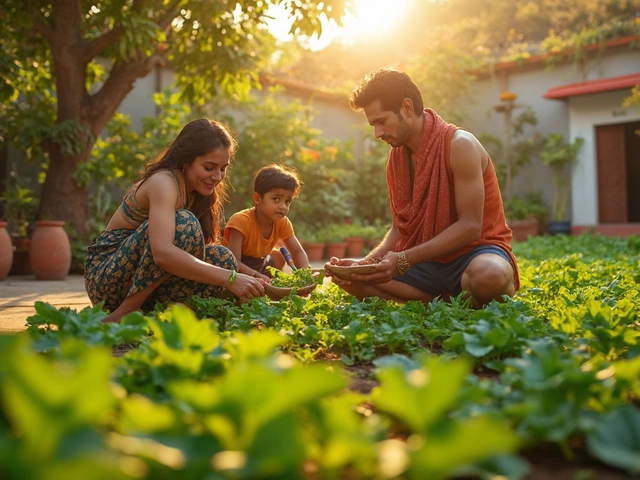
One gardener in Hove turned her entire back garden into a zero-waste zone. She used pallets for raised beds, saved seed from her own tomatoes, and made compost tea from her kitchen scraps. Her garden produced enough food for her family of four-and she never bought a bag of soil or fertilizer.
It’s not about being perfect. It’s about being consistent. Every bit of waste you reuse is one less thing in the landfill-and one more thing feeding your garden.
Smart Gardening Is Measured in Time, Not Money
You won’t save money overnight. But you’ll save time. And that’s worth more.
Once your soil is healthy, you water less. Once you’ve chosen the right plants, you prune less. Once you’ve built a compost system, you stop buying bags of fertilizer. The upfront work pays off in fewer chores, less stress, and a garden that feels alive-not managed.
Smart gardening doesn’t ask you to become an expert. It asks you to pay attention. Watch. Wait. Learn. Let nature show you the way.
Start Small. Think Big.
You don’t need to redo your whole garden tomorrow. Start with one thing.
- Put a rain barrel under your downspout.
- Stop using plastic pots. Use terracotta or repurpose old containers.
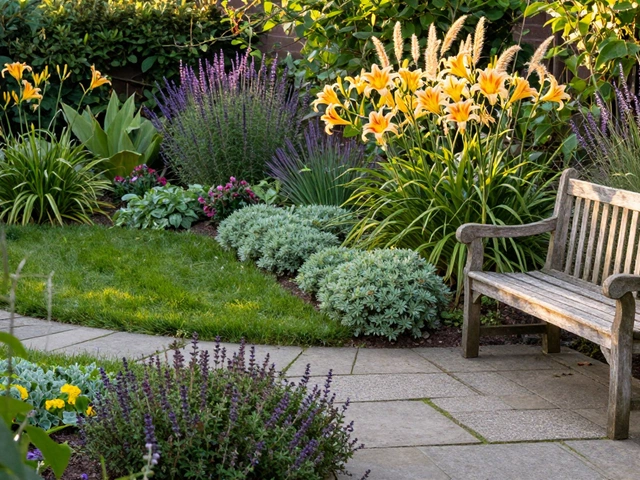
- Replace one lawn patch with native plants.
- Start a compost bin with your fruit peels and coffee grounds.
- Plant marigolds next to your tomatoes this spring.
Each step adds up. And each one makes your garden not just pretty-but resilient, alive, and truly smart.
Is smart gardening the same as organic gardening?
They overlap, but they’re not the same. Organic gardening avoids synthetic chemicals and focuses on natural inputs. Smart gardening is broader-it includes water efficiency, waste reuse, soil health, and plant relationships. You can garden smart without being fully organic, and vice versa. But when you combine both, you get the strongest, most sustainable results.
Do I need special tools for smart gardening?
No. Smart gardening is about how you use what you already have. A trowel, a watering can, and a compost bin are all you need. Fancy gadgets like soil sensors or automated irrigation can help, but they’re not required. Many smart gardeners use nothing more than their hands, a bucket, and a bit of patience.
Can smart gardening work in a small space like a balcony?
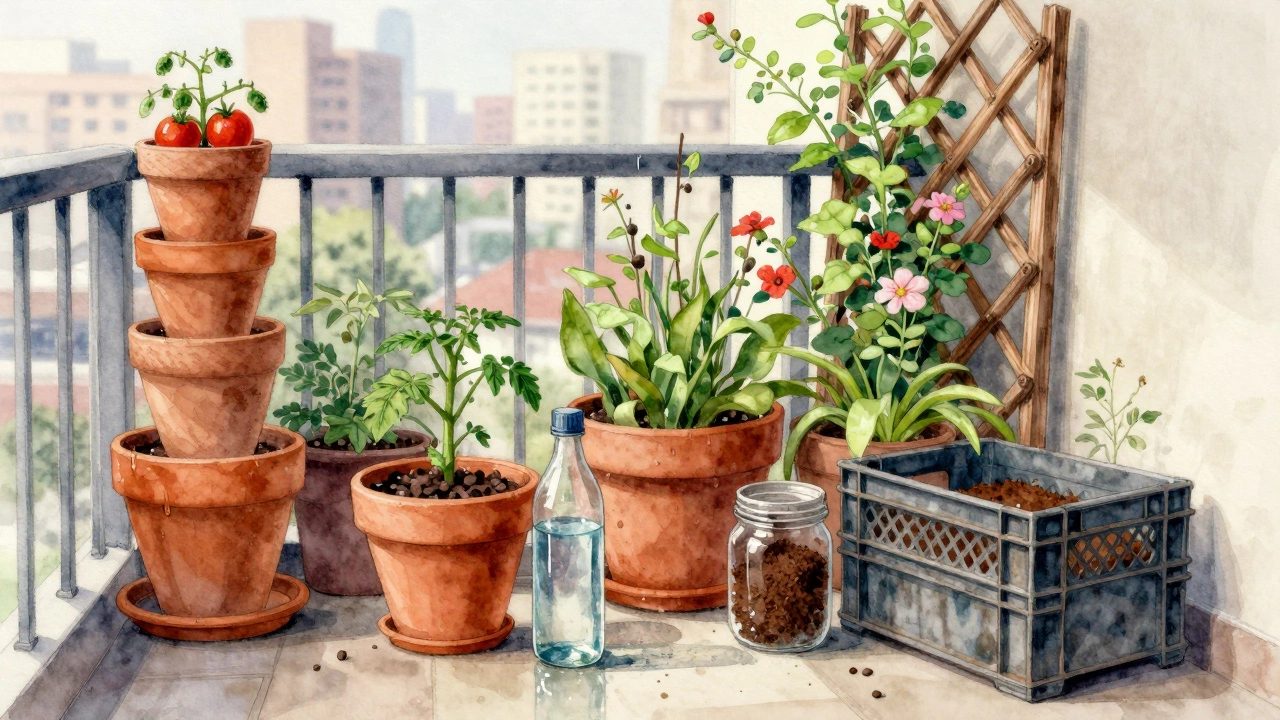
Absolutely. Even a windowsill counts. Use containers with good drainage, choose compact plants like dwarf beans or bush tomatoes, and collect rainwater in a small barrel or even a large bottle. Stack pots vertically to save space. Use compost made from your kitchen scraps. Smart gardening scales down just as well as it scales up.
How long does it take to see results from smart gardening?
You’ll notice changes fast. Within a few weeks, your soil will feel looser and darker if you’ve added compost. Your plants will look healthier with mulch and proper watering. But the real payoff-stronger soil, fewer pests, less work-takes one to two growing seasons. Think of it like building a habit. The first year is learning. The second year is reaping.
What’s the biggest mistake people make when trying to garden smart?
Trying to do everything at once. People read about compost, rainwater, companion planting, and no-till, then panic and overhaul their whole garden. That’s exhausting. Smart gardening is about progress, not perfection. Pick one change. Master it. Then add another. Slow, steady wins the race-and the garden.
Next Steps: What to Do Today
Look around your garden right now. What’s one thing you can change before the weekend?
- If you’ve got a hose lying around-replace it with a watering can. It forces you to move slowly and notice what plants need.
- If you throw away coffee grounds-save them in a jar. They’re free, rich in nitrogen, and perfect for compost.
- If you’ve ever bought potting mix-try making your own next time. Mix equal parts compost, leaf mold, and sharp sand.
- If you’ve got bare soil-cover it with cardboard or mulch. It’s the simplest way to start building healthy ground.
Smart gardening isn’t about doing more. It’s about doing less-of the wrong things-and more of the right ones. Your garden doesn’t need you to be perfect. It just needs you to show up, pay attention, and let nature do the rest.