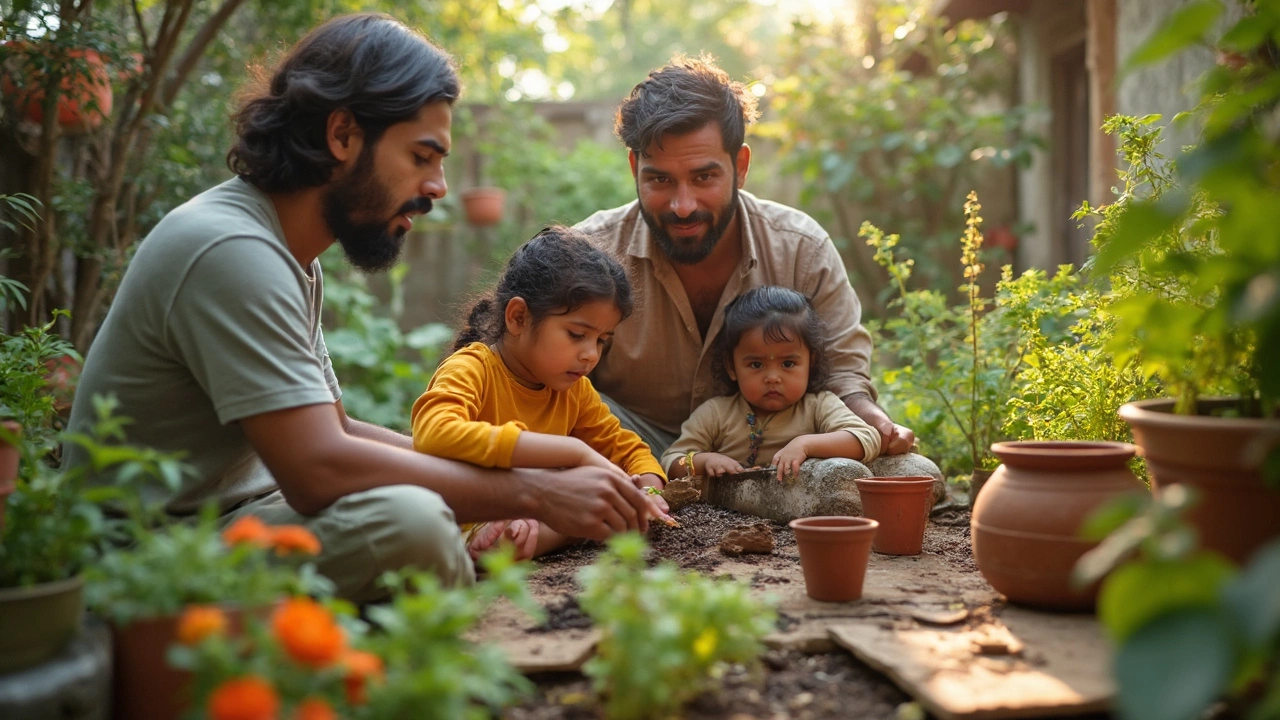
Starting a sustainable garden doesn’t need to be complicated or expensive. This article will walk you through simple steps to grow your own eco-friendly garden, focusing on practical techniques that save resources and support the local ecosystem. You'll find real-life tips on choosing the right spot, building healthy soil, picking smart plants, and managing your garden to use less water and chemicals. Whether you have a big backyard or a tiny balcony, these ideas will help you make a positive impact. Get ready to turn your outdoor space into a low-waste, green haven.
Sustainable Garden: Grow More, Waste Less
When you build a sustainable garden, a way of growing plants that works with nature instead of against it, using local resources and avoiding waste. Also known as eco-friendly gardening, it’s not about perfection—it’s about making choices that help your plants, your soil, and your water supply last longer. In India, where summers are harsh and rains are unpredictable, a sustainable garden isn’t a luxury. It’s the smartest way to keep your plants alive without spending more than you need to.
A sustainable garden, a way of growing plants that works with nature instead of against it, using local resources and avoiding waste. Also known as eco-friendly gardening, it’s not about perfection—it’s about making choices that help your plants, your soil, and your water supply last longer. In India, where summers are harsh and rains are unpredictable, a sustainable garden isn’t a luxury. It’s the smartest way to keep your plants alive without spending more than you need to.
It starts with your soil. Dense, lifeless dirt won’t grow much—no matter how much fertilizer you dump on it. The fix? Add compost. Homemade compost turns kitchen scraps into black gold. You don’t need a fancy bin. A pile in the corner, layered with dry leaves and veggie peels, does the job. This isn’t just recycling—it’s rebuilding your garden’s foundation. And when your soil is healthy, plants resist pests naturally. No sprays needed.
Water is the next big piece. Drip irrigation isn’t just for big farms. Even on a balcony, a simple drip system with emitters saves water and keeps roots happy. But clogged emitters? They ruin the system. That’s why knowing how to clean them, check flow rates, and avoid debris matters. A sustainable garden doesn’t waste water—it uses every drop wisely.
You also don’t need to buy every plant from a nursery. Many of the best plants for Indian gardens are native. They don’t need extra water, don’t get sick easily, and bloom through heat and monsoon. Plants like jasmine, marigold, or curry leaf don’t just look good—they’re built for your climate. Choosing them cuts down on effort, cost, and waste.
And then there’s the little things: skipping plastic pots, reusing old containers, avoiding styrofoam in soil, and planting herbs like basil where you can reach them. These aren’t trends. They’re habits that add up. A good gardener doesn’t chase the newest tool. They watch what works, adjust, and keep going.
Some call it organic gardening. Others say regenerative or climate-smart. But at its core, a sustainable garden is simple: grow what belongs, feed the soil, save the water, and let nature help. You don’t need a big yard. You don’t need to be an expert. You just need to start.
Below, you’ll find real guides from Indian gardeners who’ve done exactly that—fixed broken drip lines, made compost from trash, picked the right plants for balconies, and protected flowers from rabbits without chemicals. No fluff. Just what works.