Natural Insecticide Selector
Select your primary pest problem below to find the best natural solution recommended by our guide.
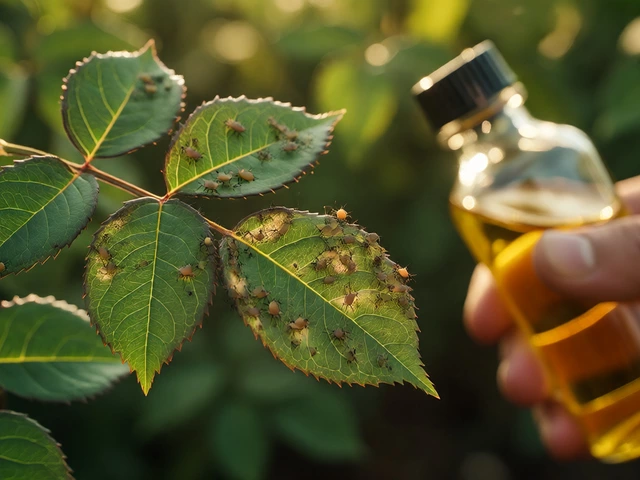
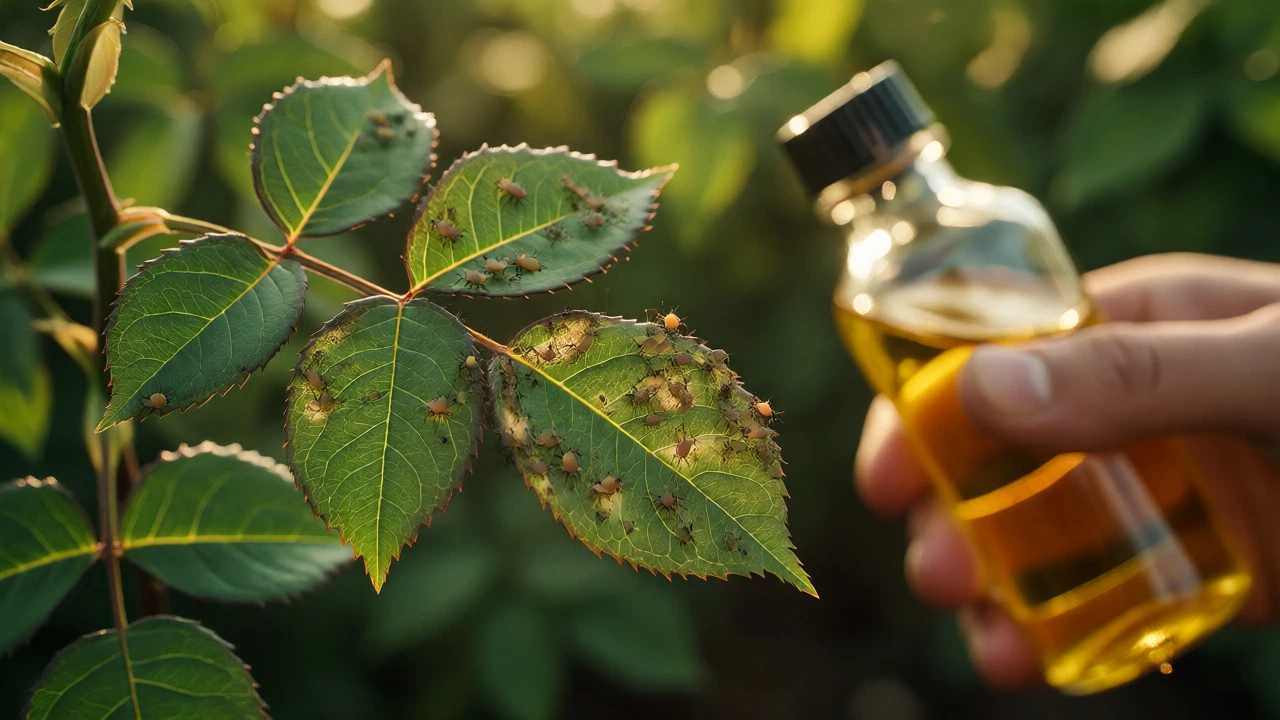
You’ve spotted aphids munching on your roses or caterpillars decimating your brassicas, and you want them gone now. But you don’t want to spray harsh chemicals that kill the bees you’re trying to attract. So, what’s the answer? Is there one single "magic bullet" that wipes out every bug without harming the planet? The truth is, there isn’t one universal champion. The most powerful natural insecticide depends entirely on the specific pest you are fighting and the plant you are protecting. However, if we had to pick a heavyweight contender that balances efficacy, safety, and versatility, Neem Oil stands out as the top generalist, while Spinosad takes the crown for chewing pests.
Let’s break down why these work, when to use them, and how to avoid the common mistakes that turn a helpful spray into a plant killer. This guide covers the science, the application, and the realistic expectations for organic gardening in 2026.
Why "Powerful" Doesn't Mean "One Size Fits All"
When gardeners ask for the most powerful option, they usually mean "what kills bugs fastest?" But in organic gardening, speed often comes with collateral damage. Synthetic pyrethroids knock bugs down instantly but can wipe out beneficial insects like ladybugs and lacewings just as easily. Natural options are generally more selective, which is actually a feature, not a bug.
To understand power, you need to look at the mechanism of action. Some natural insecticides are contact killers-they must touch the bug. Others are stomach poisons-the bug must eat the treated leaf. And some are systemic, meaning the plant absorbs them and becomes toxic to sap-suckers. Knowing this helps you choose the right tool for the job.
| Insecticide | Best For | Mechanism | Safety to Bees | Speed of Action |
|---|---|---|---|---|
| Neem Oil | Aphids, mites, whiteflies | Antifeedant & Hormone Disruptor | Safe once dry | Slow (3-7 days) |
| Spinosad | Caterpillars, thrips, beetles | Nerve Toxin (Stomach/Contact) | Toxic when wet | Fast (1-2 days) |
| Diatomaceous Earth | Crawling insects (ants, slugs) | Physical Desiccation | Safe | Slow (Dehydration) |
| Bt (Bacillus thuringiensis) | Cabbage worms, tomato hornworms | Gut Bacteria Toxin | Very Safe | Medium (2-3 days) |
Neem Oil: The Versatile Heavyweight
If you only buy one bottle for your shed, make it cold-pressed Neem Oil. Derived from the seeds of the Azadirachta indica tree, it contains azadirachtin, a compound that messes with an insect's ability to feed and molt. It doesn’t always kill adults instantly, but it stops their life cycle dead in its tracks.
Here’s why it’s considered the most powerful broad-spectrum option: it works on over 200 species of pests. Aphids, spider mites, whiteflies, and even some fungal diseases like powdery mildew fall victim to it. Because it acts as an antifeedant, pests stop eating within hours, saving your plants from further damage even before they die.
Pro Tip: Neem oil degrades quickly in sunlight. Always apply it in the early morning or late evening. If you spray at noon in July, the UV rays will break down the active ingredient before it has time to work, and you might burn the leaves.
Spinosad: The Killer for Chewing Pests
While Neem is great for sucking pests, it’s often too slow for hungry caterpillars or voracious beetles. Enter Spinosad. This is a fermentation product from a soil bacterium called Saccharopolyspora spinosa. It attacks the nervous system of insects, causing paralysis and death.
Spinosad is exceptionally effective against cabbage loopers, tomato hornworms, and thrips. It’s also approved for organic certification in many regions, including the UK and EU. However, it has a critical weakness: it is highly toxic to bees when wet. Once it dries (usually within 3 hours), it becomes safe for pollinators. This means timing is everything. Never spray Spinosad when flowers are open and bees are active.
Diatomaceous Earth: The Physical Barrier
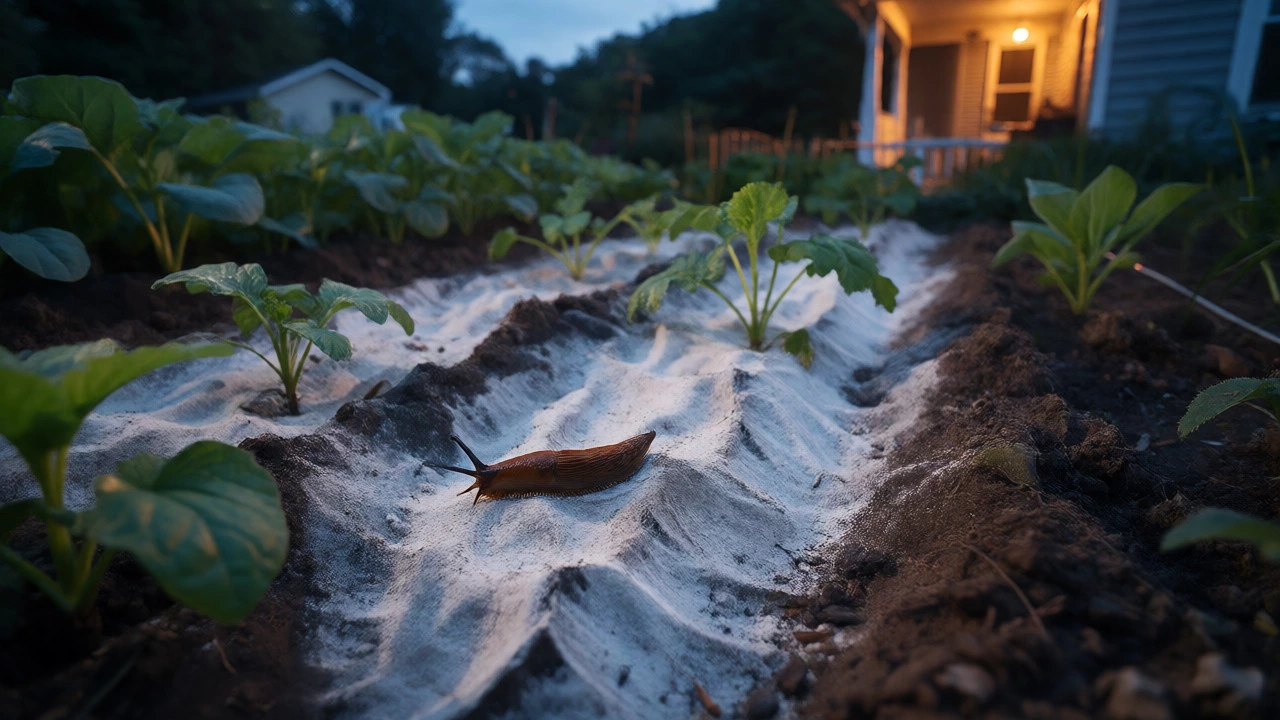
Not all insecticides are chemical sprays. Diatomaceous Earth (DE) is a powder made from fossilized algae. On a microscopic level, it looks like shards of glass. When insects crawl through it, the sharp edges cut their exoskeletons, causing them to dehydrate and die.
This makes DE perfect for crawling pests like ants, cockroaches, earwigs, and slugs. It’s non-toxic to humans and pets (use food-grade DE) and doesn’t degrade over time unless it gets wet. The downside? It’s messy. You have to reapply after rain, and it needs to stay dry to work. Also, wear a mask when applying it-inhaling fine silica dust is bad for your lungs.
Bacillus Thuringiensis (Bt): The Caterpillar Specialist
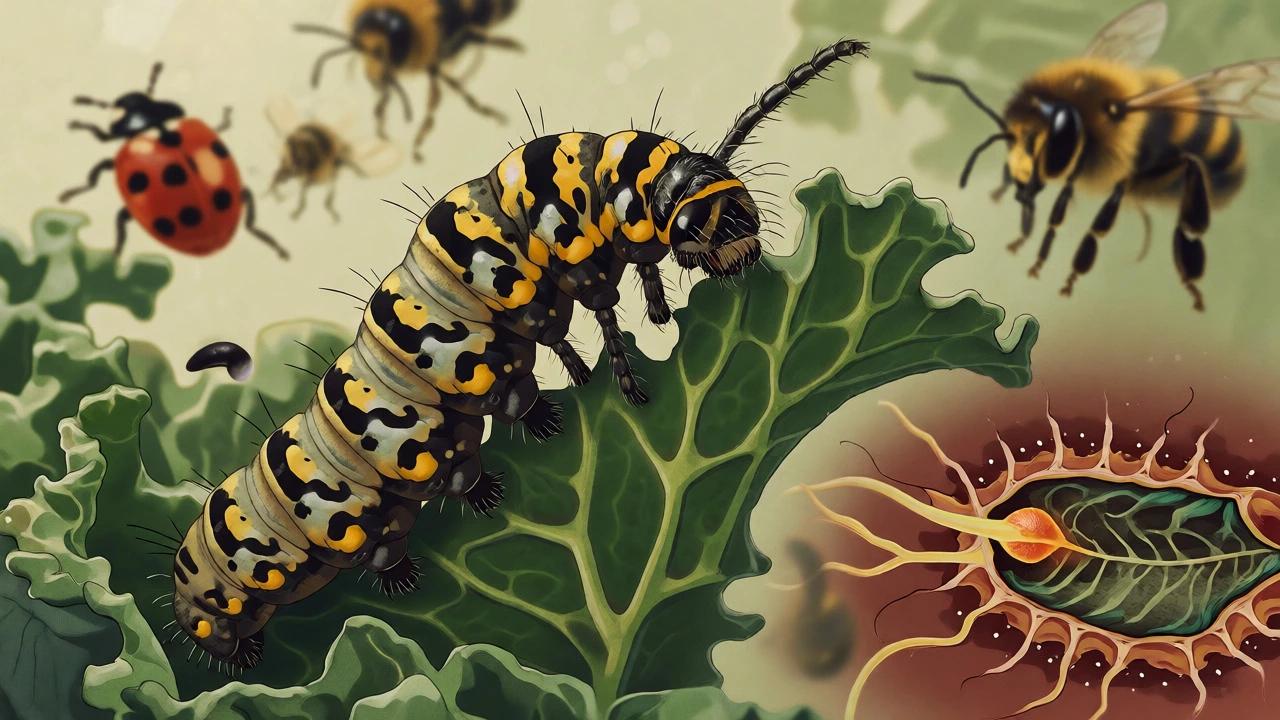
If your main enemy is caterpillars, Bacillus thuringiensis, or Bt, is arguably more powerful than any synthetic spray because it’s so specific. Bt is a naturally occurring soil bacteria that produces proteins toxic only to certain larvae when ingested.
It won’t hurt your bees, birds, or beneficial wasps. It only affects caterpillars with alkaline guts (like cabbage moths and tomato hornworms). Note that different strains target different pests: Bt var. kurstaki handles most caterpillars, while Bt var. israelensis targets mosquito larvae and fungus gnats. If you see holes in your kale leaves but no visible bugs, Bt is likely your best bet.
How to Apply Natural Insecticides Like a Pro
Buying the right product is half the battle; using it correctly is the other half. Here are the golden rules for maximum impact:
- Coverage is Key: With contact sprays like Neem and Spinosad, if you miss the bug, you miss the kill. Spray the undersides of leaves where pests hide. Use a hose-end sprayer for large areas or a pump sprayer for precision.
- Test First: Some plants, especially ferns, succulents, and young seedlings, are sensitive to oils and soaps. Test a small area 24 hours before spraying the whole plant.
- Timing Matters: Avoid spraying during peak heat (above 25°C/77°F) to prevent leaf burn. Early morning or dusk is best for bee safety and product longevity.
- Rotate Modes of Action: Don’t rely on one product forever. Pests can adapt, and resistance builds up. Alternate between Neem, Spinosad, and horticultural soaps to keep pests guessing.
Common Pitfalls to Avoid
Many gardeners fail with natural insecticides because they expect instant results like synthetic pesticides deliver. Natural methods require patience and persistence.
First, don’t confuse "natural" with "safe." Pyrethrin, derived from chrysanthemums, is natural but highly toxic to fish and cats. Always read the label.
Second, don’t over-spray. More isn’t better. Excessive use of Neem oil can coat leaves in a thick film that blocks photosynthesis. A fine mist is sufficient.
Third, ignore the ecosystem. If you wipe out all pests, you starve the predators. Ladybugs and lacewings need a few aphids to survive. Aim for balance, not total annihilation.
Is Neem oil safe for edible vegetables?
Yes, Neem oil is generally safe for edible crops, but you must observe the pre-harvest interval (PHI) listed on the label, typically 1-3 days. Wash produce thoroughly before eating. Do not use Neem oil on plants intended for immediate harvest if the label specifies a longer waiting period.
Does Diatomaceous Earth work on slugs?
Yes, but it works best as a barrier around the base of plants. Slugs dislike crawling across the abrasive texture. However, if the DE gets wet from dew or rain, it loses effectiveness until it dries out again. Reapply after rainfall for consistent protection.
Can I mix Neem oil and Spinosad together?
You can mix them, but check compatibility first. Some formulations may separate or lose potency. Generally, it’s safer to apply them separately, allowing one to dry before applying the other. Mixing increases the risk of phytotoxicity (plant damage).
How long does Spinosad last on plants?
Spinosad breaks down rapidly under UV light, typically lasting 3 to 7 days depending on sun exposure. Rain can wash it off sooner. Reapply every 5-7 days during heavy infestations, or after significant rainfall.
Will natural insecticides harm my compost pile?
Most natural insecticides like Neem and Bt are biodegradable and safe for compost. However, avoid adding heavily treated plant material to worm bins immediately, as high concentrations of oils can disturb the moisture balance. Let treated leaves dry out slightly before adding them.
Final Thoughts: Choosing Your Weapon
So, what is the most powerful natural insecticide? For broad-spectrum control of sucking pests, Neem Oil is your best friend. For fast-acting control of chewing pests like caterpillars, Spinosad wins. For crawling ground pests, Diatomaceous Earth is unbeatable. And for targeted caterpillar control without hurting friends, Bt is the specialist.
Start by identifying your pest. Then, choose the product that matches its biology. Remember, consistency beats intensity. Regular monitoring and timely applications will keep your garden healthy without compromising the environment. Happy gardening!