Terrace Crop Planner
Select the crops you are interested in growing to see the specific requirements for your terrace setup.
Available Crops
Your Garden Plan
Select crops from the list to build your personalized terrace farming guide.
Quick Tips for Terrace Success
- Prioritize "dwarf" or "patio" varieties of vegetables.
- Focus on high-value crops (things that are expensive to buy organic at the store).
- Use lightweight potting mixes to avoid stressing your building's structure.
- Group plants by water needs to make irrigation easier.
The Heavy Hitters: Leafy Greens and Herbs
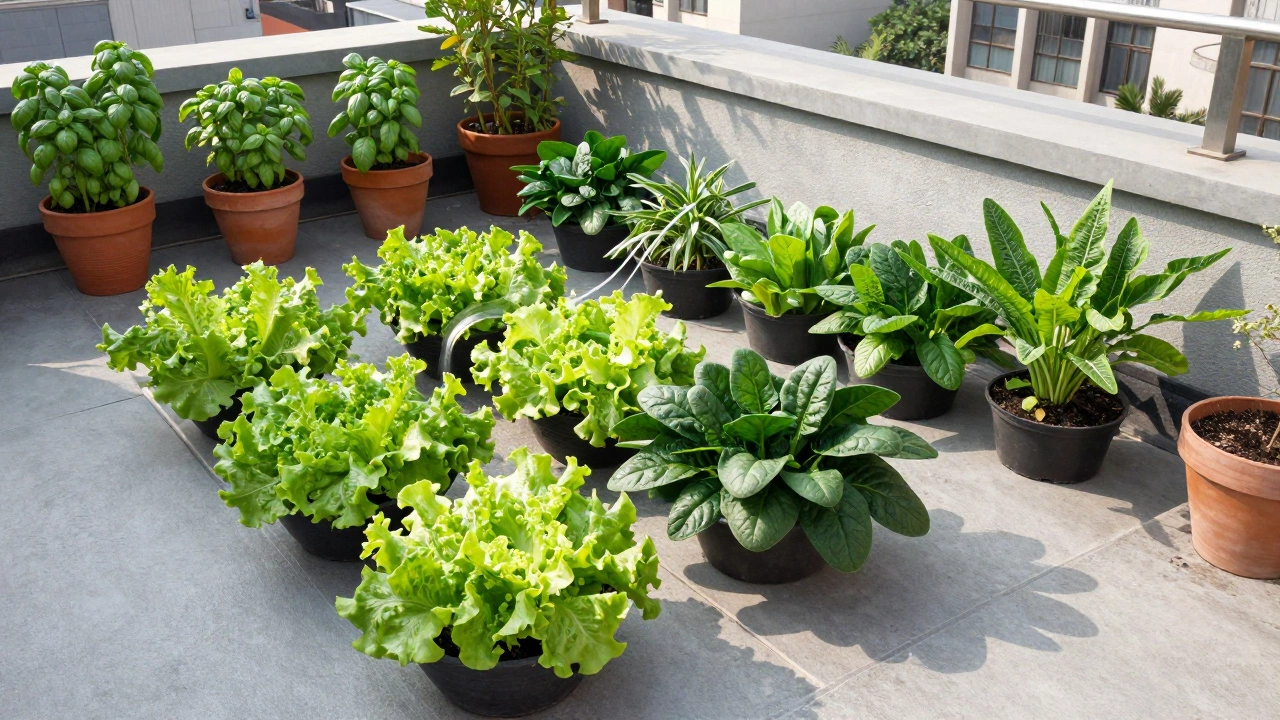
If you're just starting, leafy greens are your safest bet. They have shallow root systems, meaning they don't need massive, heavy pots. Lettuce is a cool-season annual vegetable that grows rapidly in shallow containers. Because it grows so fast, you can use the "cut and come again" method-snipping off the outer leaves while leaving the center to keep growing. This allows you to harvest the same plant for weeks.
Then there's Spinach, which thrives in the partial shade that often occurs on terraces due to surrounding walls. If you have a spot that only gets 4-6 hours of sun, put your spinach there. Pair these with Basil, a sun-loving herb that actually prefers the heat of a rooftop. Just be careful not to let the soil dry out completely, or the leaves will wilt in minutes.
Herbs are essentially "cheat codes" for terrace farming. They take up almost no space and provide an immediate return on investment. Think about mint, parsley, and cilantro. Just a pro tip: always plant mint in its own separate pot. If you put it in a shared planter, it will act like an invasive species and choke out everything else in its path.
Vertical Victories: Climbing Vegetables
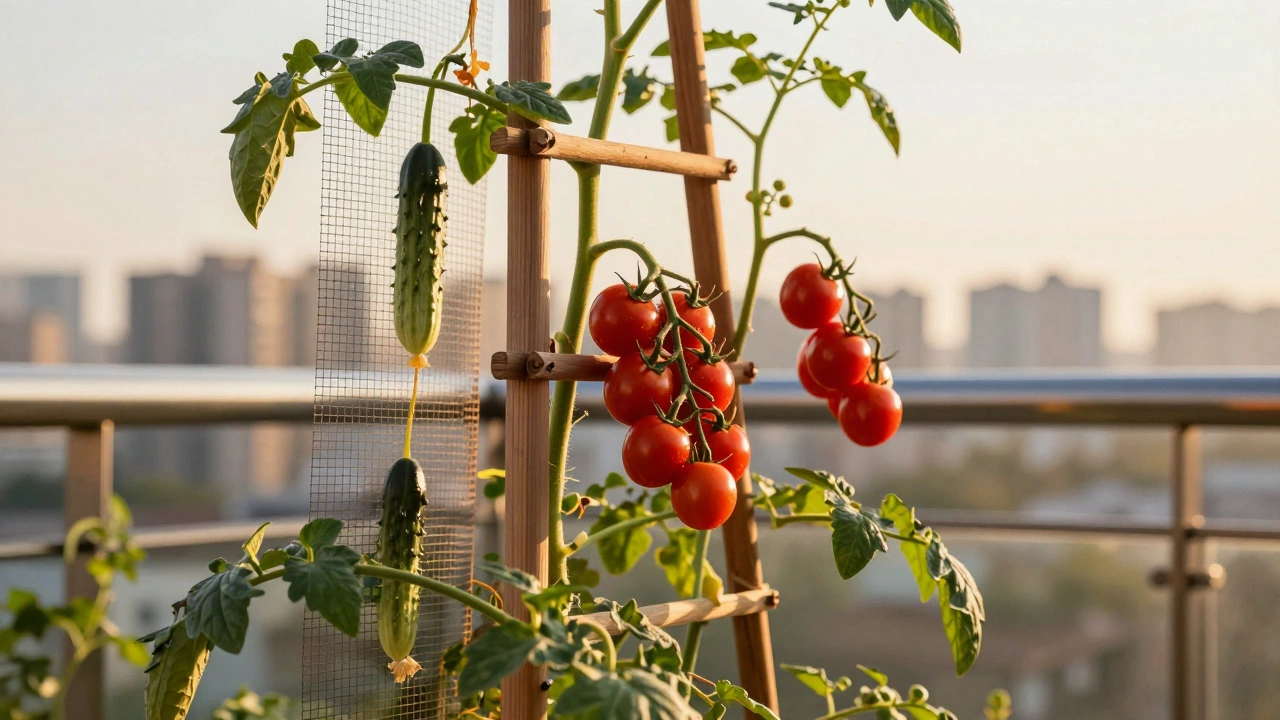
When you're farming on a terrace, you can't expand horizontally, so you have to go up. This is where climbers come in. Cherry Tomatoes are the gold standard for terrace farming crops. Unlike large beefsteak varieties, cherry tomatoes are generally more resilient and produce hundreds of fruits throughout the summer. They require a sturdy trellis or cage to keep the fruit off the ground.
For those who want something more unique, Cucumber varieties like 'Suyo' or 'Spool' are bred for smaller spaces. They can climb a simple piece of netting attached to your terrace railing. When cucumbers grow vertically, they stay cleaner and are less prone to powdery mildew because the air circulates better around the leaves.
Don't forget about Pole Beans. These are fantastic because they don't just give you food; they actually improve the soil. Beans are nitrogen-fixers, meaning they take nitrogen from the air and put it back into the dirt, making the soil richer for the next plant you grow in that pot.
| Crop | Sun Requirement | Pot Depth Needed | Best Variety |
|---|---|---|---|
| Lettuce | Partial Sun | 6-8 inches | Butterhead / Romaine |
| Cherry Tomatoes | Full Sun | 12-18 inches | Tiny Tim / Sungold |
| Spinach | Partial Shade | 6 inches | Bloomsdale |
| Chillies | Full Sun | 10-12 inches | Habanero / Thai Bird's Eye |
| Pole Beans | Full Sun | 12 inches | Blue Lake |
The Heat Lovers: Peppers and Eggplants
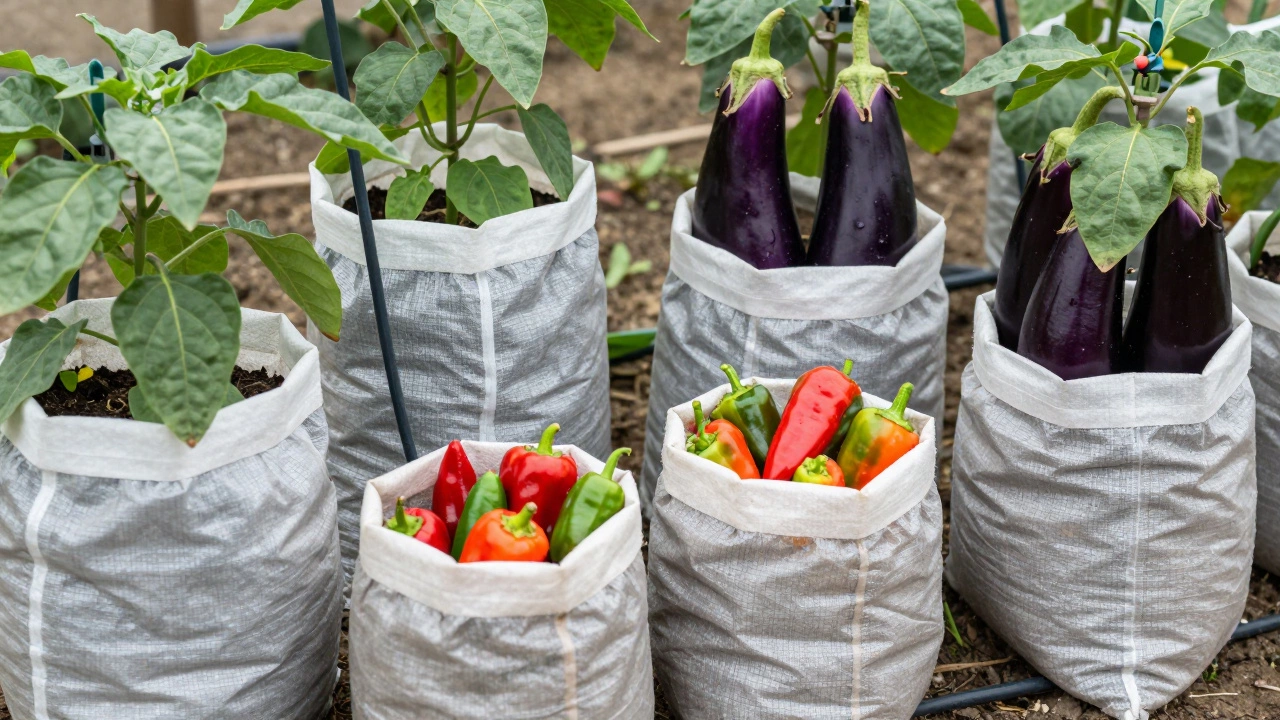
Terraces can become heat traps, especially if you have a concrete floor that absorbs sun all day. While this kills some plants, it's a paradise for Chilli Peppers. Peppers love the heat and don't require massive amounts of space. A 12-inch pot is usually plenty for one healthy plant. If you're looking for high yield, go for the Thai Bird's Eye or Habanero varieties; they produce a high volume of small fruits that are much more valuable than one large bell pepper.
Similarly, Eggplants (or Brinjals) do well in containers. However, eggplants are "hungry" plants. They will deplete the nutrients in a small pot very quickly. If you notice the leaves turning yellow, it's a signal that you need to add more compost or a liquid fertilizer. I've found that using a slow-release organic fertilizer at the start of the season prevents the mid-summer crash many terrace gardeners experience.
Root Vegetables: The Depth Challenge
Can you grow root vegetables on a terrace? Yes, but you have to be mindful of the container shape. You can't grow a massive carrot in a shallow tray. For Radishes, any pot will do because they grow so quickly-some varieties are ready in just 25 days. They're the perfect "filler" crop to plant around the base of your tomatoes.
For Carrots, you need a deep pot or a grow bag. Look for "Chantenay" or " Nantes" carrots, which are shorter and wider. If you plant long varieties in a pot, they'll either hit the bottom and deform or simply stop growing. The key here is the soil texture. If your soil is too heavy or has clay, the carrots will struggle to push downward. Use a mix of coco peat and perlite to keep the medium fluffy.
Managing the Environment: Wind and Water
The biggest difference between a backyard and a terrace is the wind. High-altitude wind can strip leaves and knock over tall plants. To fix this, create a windbreak using sturdy plants or a simple mesh screen. This protects your more delicate crops like lettuce and basil from getting shredded during a storm.
Watering is another hurdle. Pots dry out much faster than the ground. If you're using a standard plastic pot, you might find yourself watering twice a day in July. I recommend switching to Self-Watering Planters or installing a simple drip irrigation system. These systems use a reservoir to provide a steady stream of moisture, which prevents the "stress-wilt-recover" cycle that can stunt fruit production.
Also, keep an eye on the weight. Wet soil is incredibly heavy. If you're gardening on an older building, avoid using heavy ceramic pots. Instead, use fabric grow bags. They are lightweight, they allow the roots to breathe (preventing root rot), and they make it much easier to move your plants around if you need to chase the sun as the seasons change.
Which vegetables grow the fastest in pots?
Radishes are the undisputed champions, often ready for harvest in 3 to 4 weeks. Leafy greens like arugula and baby spinach follow closely, usually taking 4 to 6 weeks. If you want a quick win to keep your motivation high, start with these.
Do I need special soil for terrace farming?
Yes. Never use regular garden soil in a pot; it's too heavy and will compact, suffocating the roots. Use a "soilless" potting mix containing coco peat, perlite, and vermiculite. This ensures the mix is lightweight and drains well, which is critical for container health.
How often should I fertilize container crops?
Because you're watering frequently, nutrients leach out of the soil quickly. A good rule of thumb is to use a liquid organic fertilizer every two weeks during the growing season, or mix a slow-release compost into the soil every few months.
Can I grow corn or pumpkins on a terrace?
It's possible but difficult. Corn requires massive amounts of nitrogen and deep soil, and pumpkins take up a huge amount of space. If you try, use the largest containers you have (at least 20 gallons) and look for specific "bush" varieties of pumpkin designed for small spaces.
What are the best crops for a low-sun terrace?
Stick to the "greens." Spinach, kale, Swiss chard, and various types of lettuce can thrive with only 4 hours of sunlight. Most fruiting plants (tomatoes, peppers) will fail if they don't get at least 6-8 hours of direct sun.
Next Steps for Your Garden
If you're a total beginner, don't try to plant twenty different things at once. Start with three: one leafy green (lettuce), one herb (basil), and one fruiting plant (cherry tomatoes). Once you understand how they react to the sun and wind on your specific terrace, you can scale up.
For those who have already mastered the basics, try "intercropping." This means planting a fast-growing crop like radishes in the same pot as a slow-growing crop like peppers. By the time the pepper plant needs the space, the radishes are already harvested. It's the best way to maximize every square inch of your rooftop.