Low-Effort Garden Planner
Your Current Setup
Upgrade Choices
Select features to add to your new design:
Projected Impact
Based on average UK gardening statistics
Recommended Zoning Strategy
Imagine walking out your back door in July. The sun is blazing, the hose is dry, and your garden looks lush instead of dead. You haven’t mowed in weeks. You haven’t watered manually since spring. This isn’t a fantasy; it’s the result of building a maintenance-free home a property designed with landscaping strategies that minimize human intervention while maximizing ecological health. For most of us, "maintenance-free" doesn’t mean zero work forever. It means shifting from daily chores to occasional checks. It means designing a system that works *with* nature rather than fighting against it.
In Brighton, where our coastal winds can strip moisture from soil and our summers are getting hotter, traditional high-mow lawns and thirsty annual beds are becoming liabilities. They demand constant attention, money, and guilt when we’re on holiday. By switching to a sustainable, low-input model, you reclaim your weekends. Here is how you build a garden that looks after itself.
The Mindset Shift: From Control to Collaboration
The biggest mistake people make is trying to control every leaf. A maintenance-free approach requires accepting that nature has its own rhythm. Your role changes from a micromanager to a curator. Instead of forcing plants to grow where they don’t want to, you select species that thrive in your specific conditions. This reduces stress on the plants, which means fewer diseases, less need for chemicals, and significantly less pruning.
Think about the last time you had to weed a patch of dense ground cover versus a bare patch of dirt. The dense area stayed clean because the plants crowded out invaders. That’s the core principle: create density and resilience. When you stop treating weeds as enemies and start seeing them as indicators of soil gaps, you begin to close those gaps with better plant choices. This shift alone cuts your weekly workload by half.
Zone Your Garden for Efficiency
Not all parts of your garden need the same treatment. Zoning helps you allocate effort where it matters most. Divide your outdoor space into three categories:
- The High-Traffic Zone: Areas near the house, patios, or kids’ play areas. These might need some tidying but should still use low-maintenance materials like gravel or mulch rather than grass.
- The Semi-Wild Zone: Borders, edges, and corners. This is where perennials and shrubs go. Once established, these areas require only one or two cuts a year.
- The Wild Zone: Far corners or slopes. Let this area go native. Plant wildflowers, leave leaf litter, and allow self-seeding. This becomes a habitat for pollinators and requires almost no human input.
By zoning, you stop trying to manicure the entire property. You focus your energy on the spaces you actually use, while letting the rest do the heavy lifting ecologically. This strategy is particularly effective in smaller urban gardens where every square foot counts.
Kill the Lawn (Or Shrink It Drastically)
Lawns are the single biggest source of garden maintenance. Mowing, edging, watering, and fertilizing take up hours every week during the growing season. To build a truly low-effort home, you need to rethink turf. You don’t have to remove it entirely, but you should shrink it to functional areas only-like a path or a play zone.
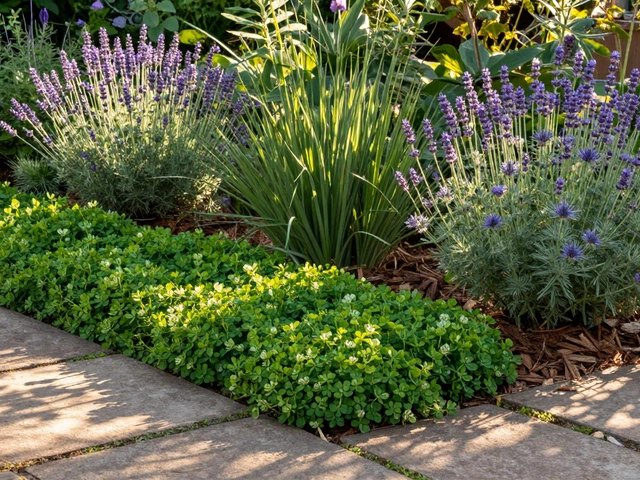
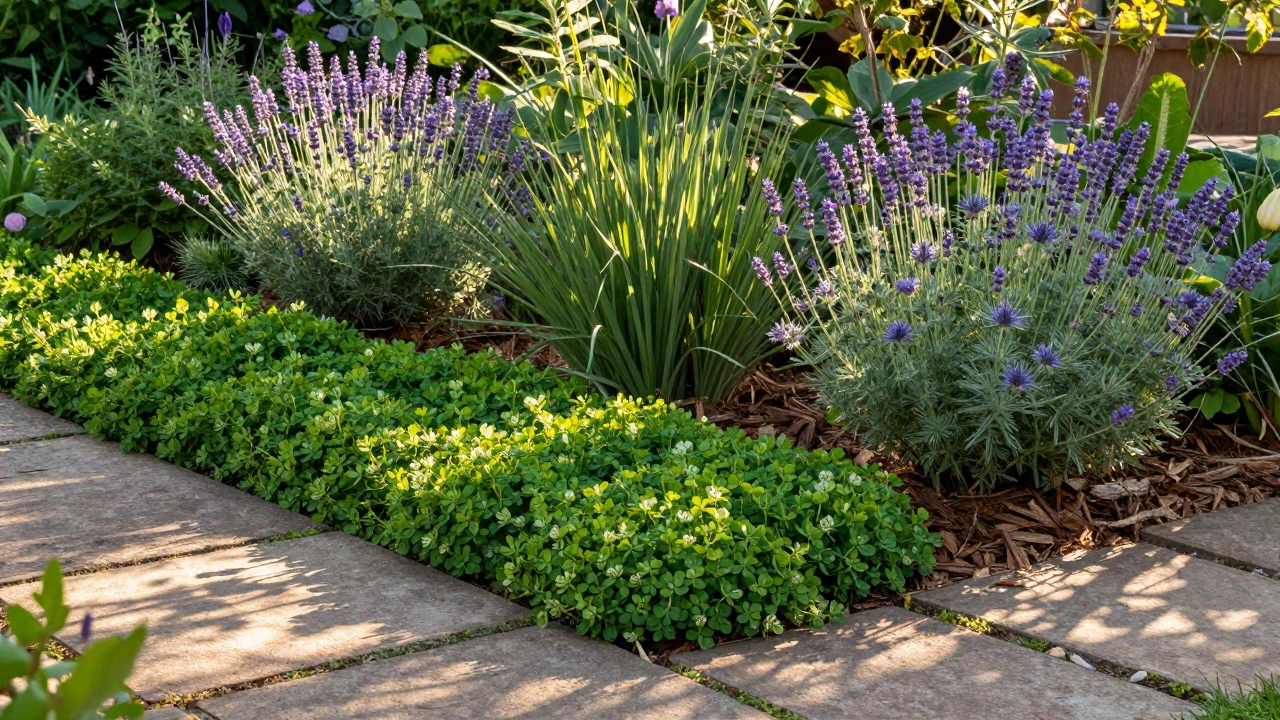
Replace the rest with alternatives that look good and do less. Clover lawns low-growing nitrogen-fixing ground covers that replace traditional grass are a fantastic option. They stay green longer in drought, don’t need mowing often, and fix nitrogen in the soil. Alternatively, use ornamental grasses or creeping thyme between stepping stones. If you keep a small lawn, raise your mower blade to 3-4 inches. Longer grass shades the soil, retains moisture, and chokes out weeds naturally.
Choose Perennials Over Annuals
Annuals die after one season. That means digging them up, clearing the debris, buying new plants, and replanting every spring. It’s a cycle of endless labor. Perennials, on the other hand, come back year after year. They get bigger, stronger, and more established each season. Once a perennial bed is full, it becomes a self-sustaining ecosystem.
Select plants based on your local climate. In the UK, especially in coastal areas like Brighton, choose wind-resistant and salt-tolerant varieties. Look for native species such as Sea Holly Eryngium maritimum, a spiky, silver-blue perennial that thrives in poor, sandy soils, Sedum succulent perennials known for extreme drought tolerance and autumn flowers, and Lavender aromatic shrubs that prefer dry, sunny conditions and repel pests. These plants ask for very little once they are rooted. Group them together in drifts rather than scattering them singly. Dense planting suppresses weeds and creates a fuller look faster.
Mulch Heavily and Often
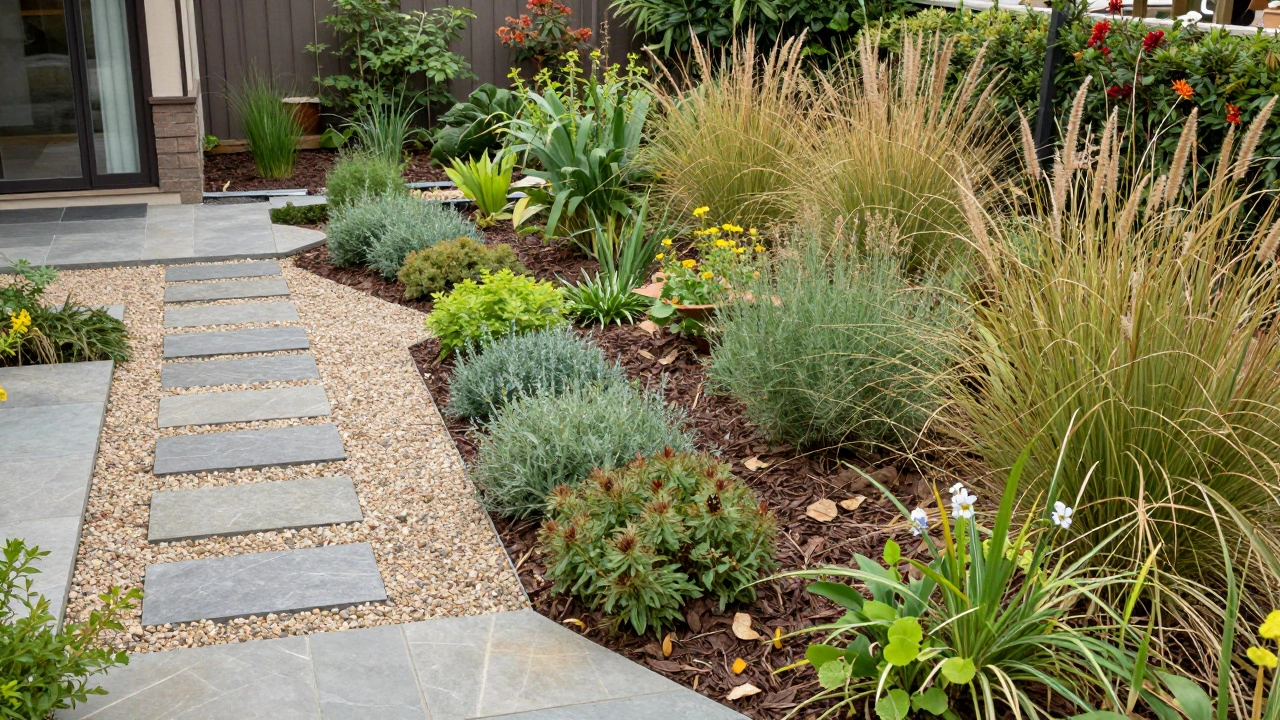
If there is one secret weapon in low-maintenance gardening, it’s mulch. Mulch is any material spread over the soil surface to conserve moisture, suppress weeds, and regulate temperature. Organic mulches like wood chips, bark, or shredded leaves also break down over time, feeding your soil.
A layer of 5-7 centimeters of mulch around your plants does the work of hours of weeding. It stops sunlight from reaching weed seeds, so they never germinate. It keeps the soil cool, meaning you water less. In winter, it protects roots from frost. Apply fresh mulch once a year, usually in late autumn or early spring. This simple habit transforms your garden from a dusty, weedy mess into a tidy, moist, and healthy environment with minimal effort.
Smart Watering Systems
You can’t be everywhere at once, especially if you travel. Manual watering is inefficient and stressful. Install a smart irrigation system that uses weather data to adjust watering schedules. Many modern systems connect to Wi-Fi and check local rainfall forecasts. If it’s going to rain, they skip the cycle. This saves water and prevents root rot.
Use drip irrigation or soaker hoses instead of sprinklers. Sprinklers waste water through evaporation and wind drift. Drip lines deliver water directly to the root zone, where it’s needed. Bury the lines under mulch to hide them and reduce evaporation further. For potted plants, consider self-watering pots or terracotta spikes that release water slowly. These tools ensure your plants survive heatwaves even when you’re away.
Hardscaping for Durability
Plants change with the seasons. Hardscaping provides structure and interest without any care. Use natural stone, gravel, or composite decking to create paths, seating areas, and borders. Gravel driveways and paths are particularly low-maintenance. They drain well, don’t crack like concrete, and blend seamlessly with planting beds.
When choosing materials, think about longevity. Cheap timber rots and needs staining every few years. Natural stone lasts decades with zero upkeep. Invest in quality hardscape elements that define your space. This reduces the amount of planting area you need to manage, giving you more room to relax and less ground to tend.
| Feature | High Maintenance | Low Maintenance | Effort Saved |
|---|---|---|---|
| Ground Cover | Turf Grass | Clover or Ground Ivy | Mowing, Edging, Fertilizing |
| Flowers | Annual Beds | Perennial Borders | Replanting, Deadheading |
| Weed Control | Hand Weeding | Thick Mulch Layer | Daily Bending & Digging |
| Watering | Hose & Can | Smart Drip Irrigation | Daily Monitoring |
| Paths | Loose Gravel | Sett Pavers or Stone | Raking & Re-leveling |
Embrace the "Cut and Drop" Method
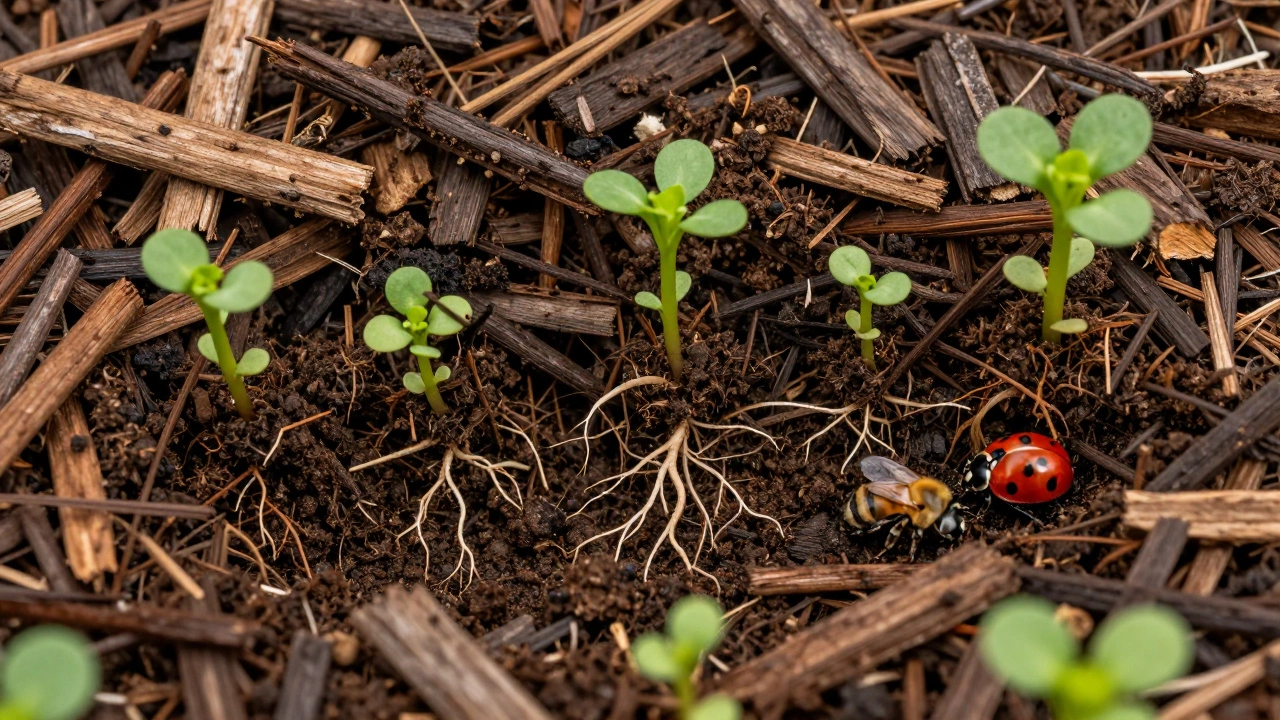
Traditional gardening involves cutting back plants to the ground and removing the waste. This takes time and deprives the soil of nutrients. The "cut and drop" method is simpler. In late winter or early spring, cut your perennials back hard, but leave the clippings right there on top of the soil. As they decompose, they return nutrients to the earth and act as a natural mulch.
This technique mimics natural forest cycles. It builds soil health over time, reducing the need for synthetic fertilizers. It also protects beneficial insects that overwinter in the hollow stems of plants. By leaving the debris, you support biodiversity while saving yourself the chore of bagging and disposing of green waste.
Preventative Pest Management
Pests become a problem when gardens are unbalanced. A monoculture of one plant type invites specific pests. A diverse garden attracts predators that eat those pests. Encourage birds, hedgehogs, and beneficial insects by providing shelter and food sources. Leave some bare ground for solitary bees. Install bird boxes. Plant nectar-rich flowers for ladybugs and lacewings.
Instead of spraying chemicals at the first sign of aphids, wait. Ladybugs will likely arrive within days. Chemical sprays kill the good bugs along with the bad, leading to a cycle of dependency. A balanced ecosystem regulates itself. Your job is to provide the habitat, not the pesticide.
Start Small and Scale Up
Don’t try to transform your entire garden in one weekend. Burnout is real. Start with one border or one corner. Replace the lawn with a perennial bed. Add mulch. Install a drip line. See how it performs over a season. Then expand to the next area. Each year, your garden will require less effort as the plants establish themselves. Within three to five years, you’ll have a landscape that thrives on its own terms.
Is a maintenance-free garden really possible?
True zero-maintenance is rare, but "low-maintenance" is absolutely achievable. It shifts the work from weekly chores to seasonal tasks like pruning and mulching. With the right plant choices and design, you can reduce active gardening time to just a few hours a month.
What are the best plants for a low-effort UK garden?
Native perennials are best. Look for Sedum, Lavender, Sea Holly, Echinacea, and Nepeta. These plants are adapted to local weather, resist disease, and tolerate drought once established. Avoid tropical exotics that need constant protection and feeding.
How do I stop weeds without chemicals?
The most effective method is thick mulching. A 5-7cm layer of wood chips or bark blocks sunlight, preventing weed seeds from germinating. Dense planting also crowds out weeds. Hand-pulling any breakthroughs early keeps the task manageable.
Can I keep a lawn in a maintenance-free garden?
Yes, but shrink it. Keep turf only where you walk or play. Raise the mower height to 8-10cm to reduce mowing frequency. Consider mixing in clover or wildflowers to create a meadow-style lawn that needs cutting only twice a year.
Does a low-maintenance garden look messy?
Not if designed well. Structure comes from hardscaping, repeated plant forms, and clear zones. "Natural" doesn't mean "neglected." Regular mulching and strategic pruning keep the garden tidy while allowing plants to grow freely.
How much does it cost to convert to a low-maintenance garden?
Initial costs may be higher due to plants and hardscaping, but long-term savings are significant. You save on water bills, fuel for mowers, fertilizers, and professional gardening services. Smart irrigation and bulk mulch purchases help offset upfront expenses.
What about wildlife in a maintenance-free garden?
Wildlife thrives in low-intervention gardens. Native plants provide food for pollinators. Leaf litter and log piles offer shelter for hedgehogs and beetles. By reducing chemicals and increasing diversity, you create a vibrant ecosystem that supports local biodiversity.
How often should I water my low-maintenance garden?
Once established, most perennials need little to no supplemental water. In severe droughts, deep watering once a week is sufficient. Smart irrigation systems automate this based on weather data, ensuring plants get water only when necessary.