Stinky Flower Odor Comparison Tool
Flower Details
Select a flower to see details...
Comparison Result
Select a flower and adjust intensity to see comparison...
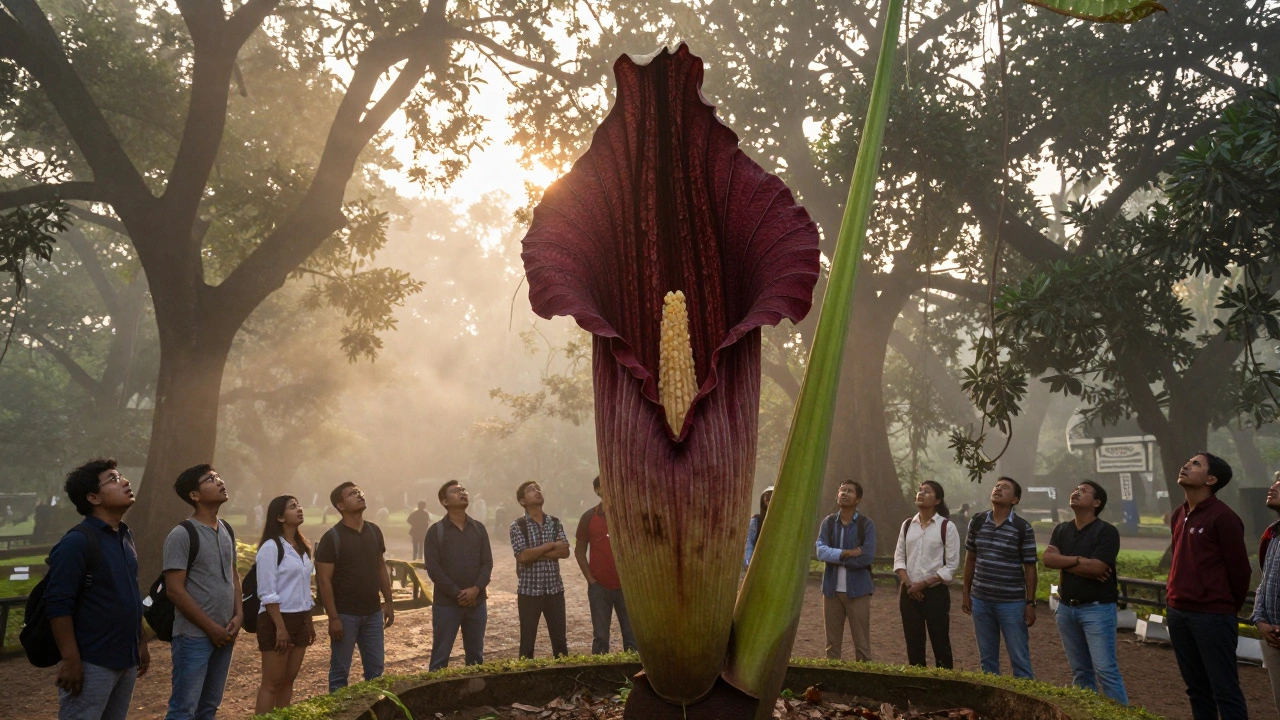
Have you ever walked past a flower and thought, what in the world is that smell? If you’ve ever been near a blooming corpse flower, you know exactly what I mean. It’s not just a bad odor-it’s a deep, rotting-meat stench that lingers for hours. And yes, this isn’t some urban legend. In India, gardeners in botanical gardens and private collections have been growing these bizarre, smelly blooms for decades. The flower they’re talking about? It’s usually the Amorphophallus titanum is a massive flowering plant native to Sumatra, known for its enormous inflorescence and putrid odor that mimics decaying flesh. Also known as Titan Arum, it can reach over 3 meters tall and only blooms once every 7 to 10 years.
Why Does It Smell So Bad?
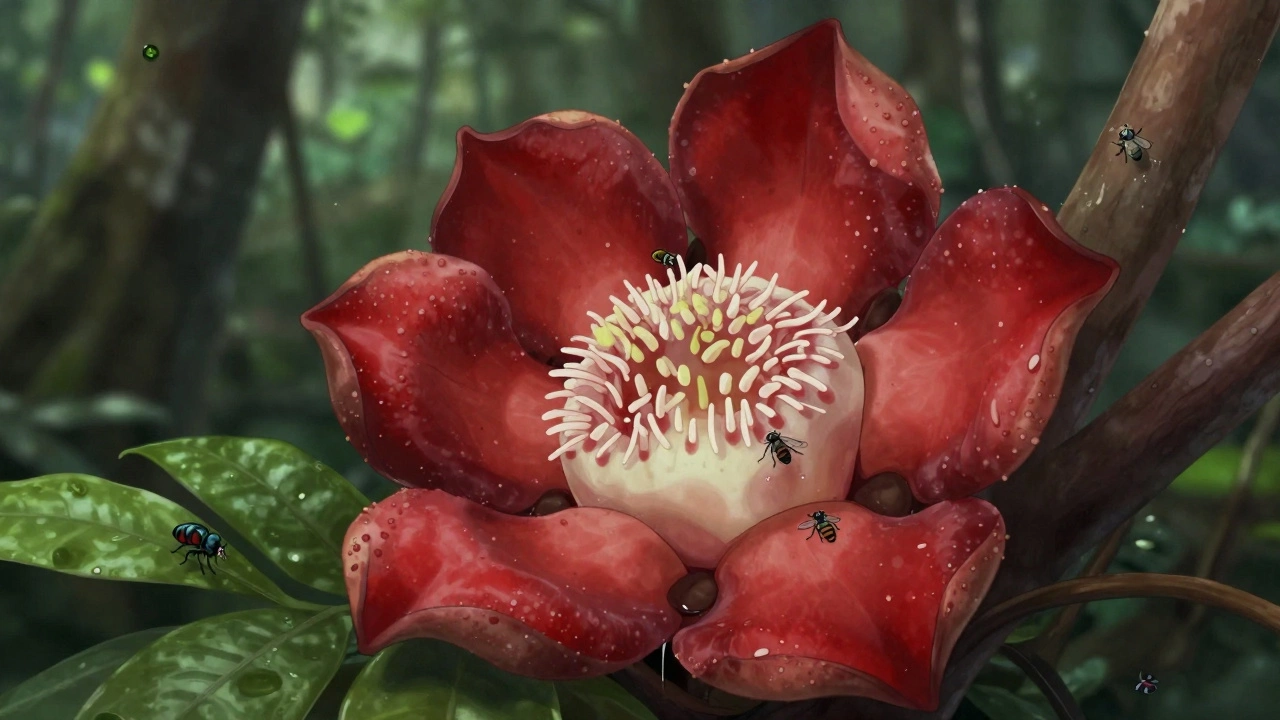
The corpse flower doesn’t stink to annoy you. It’s a survival tactic. Its smell-like rotting meat, sewage, and old fish-is designed to attract pollinators: carrion beetles and flesh flies. These insects normally lay eggs on dead animals, so when they land on the flower, they think they’ve hit the jackpot. While crawling around, they accidentally transfer pollen. The plant doesn’t care if you’re repulsed. It just wants to reproduce.
In India, this flower is mostly seen in major botanical gardens like the Indian Botanic Garden in Howrah, West Bengal, and the National Botanical Research Institute in Lucknow. When it blooms, crowds gather. People line up for hours just to catch a whiff (or to run away). The scent can travel over 1 kilometer. Some gardeners say it’s so strong, it makes your eyes water and your stomach turn.
Other Smelly Flowers in Indian Gardens
The corpse flower isn’t the only stinker in town. India’s warm, humid climate is perfect for several odoriferous plants that gardeners either love or loathe.
- Stinking Passionflower is a vine with purple blooms and a foul, musky scent, often grown in southern Indian gardens. Also known as Passiflora foetida. It’s common in Kerala and Tamil Nadu. The smell is less intense than the corpse flower but still noticeable-like wet fur and old cheese.
- Rafflesia is a parasitic plant found in parts of northeastern India, producing large, leathery flowers with a putrid odor. Also known as Corpse Flower of the East. Though rare, it’s been spotted in Arunachal Pradesh and Assam. Unlike the titan arum, Rafflesia has no leaves, stems, or roots-it lives entirely inside its host vine.
- Dracunculus vulgaris is a European native that’s been successfully cultivated in Indian hill stations like Ooty and Munnar. Also known as Dragon Arum. It blooms in late spring with a dark purple spathe and a smell that’s been compared to a dead raccoon left in the sun.
These plants aren’t just oddities. They’re part of India’s rich botanical heritage. Many gardeners in Kerala and West Bengal keep them as conversation pieces. They’re not for everyone-but for those who love unusual plants, they’re worth the smell.
Can You Grow a Corpse Flower at Home?
Short answer? Only if you have a greenhouse, a lot of patience, and zero neighbors.
The Amorphophallus titanum needs:
- Consistent warmth: 25-30°C year-round
- High humidity: 70-90%
- A huge pot: At least 1 meter deep and wide
- Rich, well-draining soil: A mix of compost, perlite, and leaf mold
- Months of dormancy: The tuber rests for 6-8 months before blooming
Most home gardeners in India don’t attempt it. The plant can weigh over 100 kg when mature. It needs constant misting, special fertilizers, and careful temperature control. Even then, it might take 10 years to bloom.
But some enthusiasts do. In Pune, a retired botanist named Rajesh Mehta grew one that bloomed in 2023. He kept a logbook. It took 12 years. The bloom lasted 48 hours. He says it was the most intense experience of his life-both the smell and the silence that followed.
Why Do People Still Grow Them?
It’s not about beauty. The corpse flower doesn’t have petals. It doesn’t smell sweet. It doesn’t attract bees.
People grow it because it’s rare. Because it’s science. Because it’s a living oddity that reminds you nature doesn’t care about your comfort.
In Indian botanical gardens, these blooms are educational events. Schools organize field trips. Universities study the pollination process. Tourists come from across Asia just to see it. The smell? It’s part of the experience. You don’t go to see a corpse flower-you go to feel something you can’t explain.
What Happens After It Blooms?
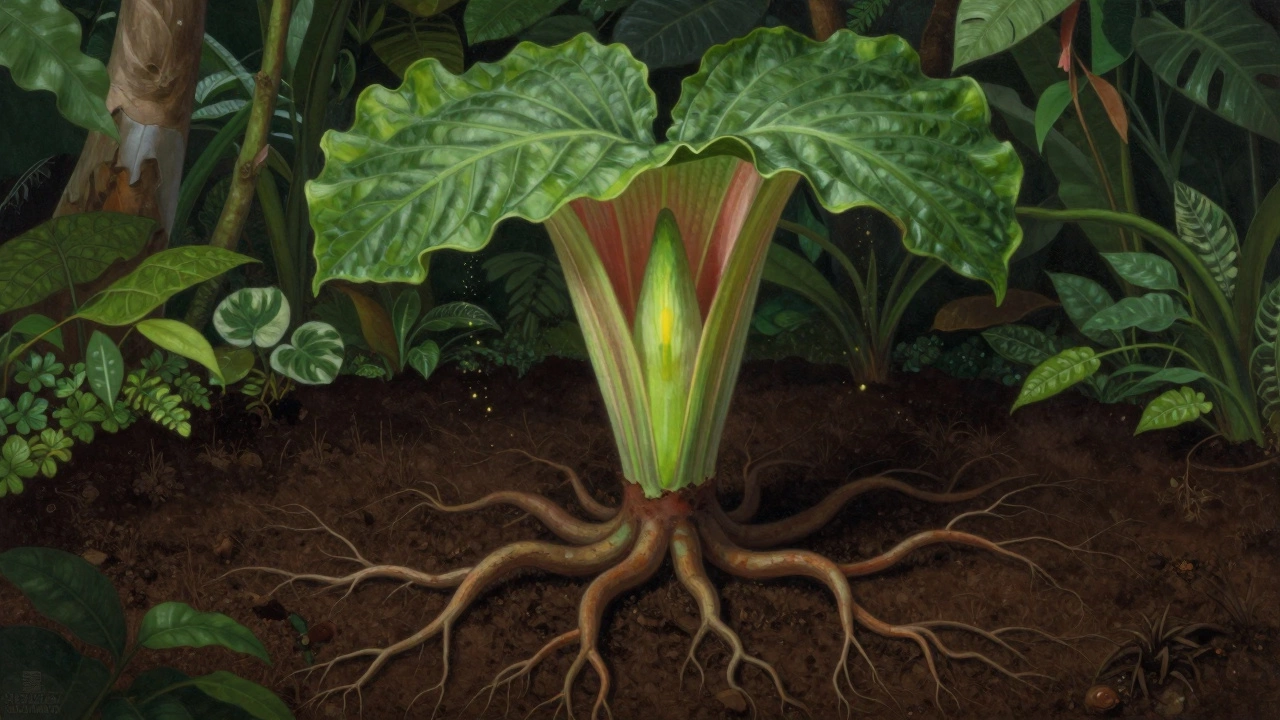
The bloom lasts only 24 to 48 hours. After that, the spathe (the big petal-like structure) collapses. The plant then grows a single, massive leaf-sometimes over 6 meters tall-that looks like a small tree. This leaf lives for a year, storing energy in the tuber for the next bloom.
Many gardeners in India cut the leaf after it yellows. Others let it die naturally. The tuber can survive for decades. Some in Kerala have tubers passed down through generations.
There’s no way to force it to bloom faster. No fertilizer trick. No special light. It’s all about patience. And if you’re lucky? You’ll get one bloom in your lifetime.
Is It Dangerous?
No. The smell is unpleasant, but not toxic. The plant does contain calcium oxalate crystals, which can irritate skin if you touch the sap. Always wear gloves when handling it. Keep pets away-the smell might attract them, and the sap can cause stomach upset.
There’s no evidence it harms air quality or spreads disease. It’s just… really, really stinky.
Where to See It in India
If you want to witness one of these blooms without growing it yourself, here are the top spots:
- Indian Botanic Garden, Howrah, West Bengal - The most reliable site. Has multiple specimens. Blooms every 3-5 years.
- National Botanical Research Institute, Lucknow - One of the few places with a climate-controlled greenhouse for it.
- Botanical Garden of the Indian Republic, Delhi - Often hosts public viewings when it blooms.
- Calcutta Botanical Society - Offers newsletters with bloom alerts.
- Periyar Botanical Garden, Kerala - Known for its Rafflesia and Dracunculus collections.
Follow their social media pages. Most post bloom alerts 2-3 days in advance. Arrive early. Lines form fast.
What is the stinky flower called?
The most famous stinky flower is the Amorphophallus titanum, also called the corpse flower or titan arum. In India, people also encounter the stinking passionflower (Passiflora foetida) and Rafflesia, especially in the northeast. All three produce a foul odor to attract pollinators like flies and beetles.
Why does the corpse flower smell like rotting meat?
The smell mimics decaying flesh to attract carrion insects like flies and beetles. These insects normally lay eggs on dead animals. When they land on the flower, they pollinate it by accident. The odor is made up of sulfur compounds like dimethyl disulfide and trimethylamine-the same chemicals found in rotting meat and sewage.
Can you grow the corpse flower in a home garden in India?
It’s possible but extremely difficult. You need a greenhouse with constant heat (25-30°C), high humidity (70-90%), a very large pot, and rich soil. The plant takes 7-10 years to bloom and can weigh over 100 kg. Most home gardeners avoid it due to space, cost, and odor. It’s better suited for botanical gardens.
How long does the corpse flower bloom last?
The bloom lasts only 24 to 48 hours. After that, the large spathe collapses, and the plant grows a single massive leaf that can live for a year. The tuber then goes dormant for another 6-8 months before starting the cycle again.
Are stinky flowers dangerous to humans or pets?
The smell is unpleasant but not harmful. However, the sap of the corpse flower and related plants contains calcium oxalate crystals, which can irritate skin or cause stomach upset if ingested. Keep pets away, and always wear gloves when handling the plant.
Final Thoughts
If you’re a gardener who loves the unusual, the stinky flower is worth knowing about. It’s not pretty. It doesn’t bloom often. But when it does, it changes how you think about nature. It’s raw. It’s real. It doesn’t care if you like it.
In India, where monsoon rains and dense forests create perfect conditions for strange life, these flowers are part of the landscape. They’re not pests. They’re not mistakes. They’re evolution in action.
Next time you hear about a smelly bloom in a garden, don’t roll your eyes. Go see it. Smell it. Then tell someone else. Because flowers like this? They’re not just plants. They’re events.