Heavy Soil Treatment Planner
Garden Bed Details
Treatment Options
There is nothing quite as frustrating as digging into your garden and hitting a wall of stubborn, wet earth. If you live in places like Brighton or much of the UK, you likely know this feeling well. Your shovel slides off, water pools on the surface for days, and your plants look stunted despite your best efforts. This is heavy garden soil-often called clay-and it feels less like growing medium and more like concrete when dry, and glue when wet.
But here is the good news: you do not need to rip out your entire garden or replace the topsoil with expensive bagged dirt. Heavy soil has hidden strengths. It holds nutrients incredibly well and retains moisture during droughts. The problem isn't the soil itself; it's the structure. By adding specific amendments and changing how you work the land, you can transform that brick-like clay into loose, crumbly loam that roots love.
Why is my soil so heavy?
Heavy soil is primarily composed of clay particles. These particles are microscopic and flat, allowing them to pack together tightly. This tight packing eliminates air pockets, leading to poor drainage and compacted conditions that restrict root growth.
Understanding the Nature of Heavy Soil
To fix the problem, you first have to understand what you are dealing with. Clay soil is a type of soil dominated by fine clay particles that create high nutrient retention but low permeability. Unlike sandy soil, which drains too fast, or silt, which is prone to erosion, clay sticks together. When it gets wet, those particles swell and seal gaps. When it dries, they shrink and crack open deep fissures.
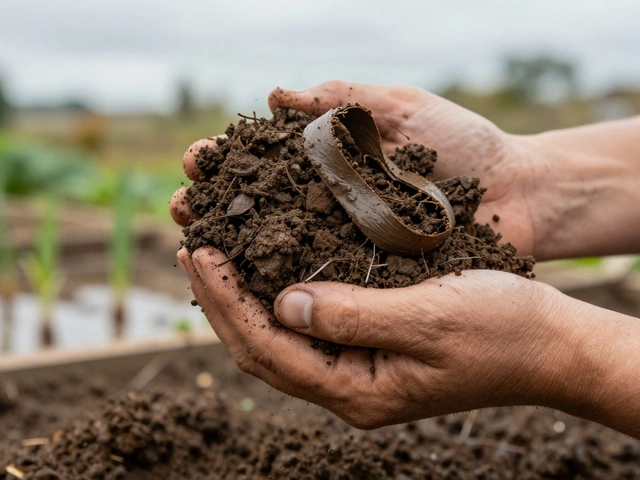
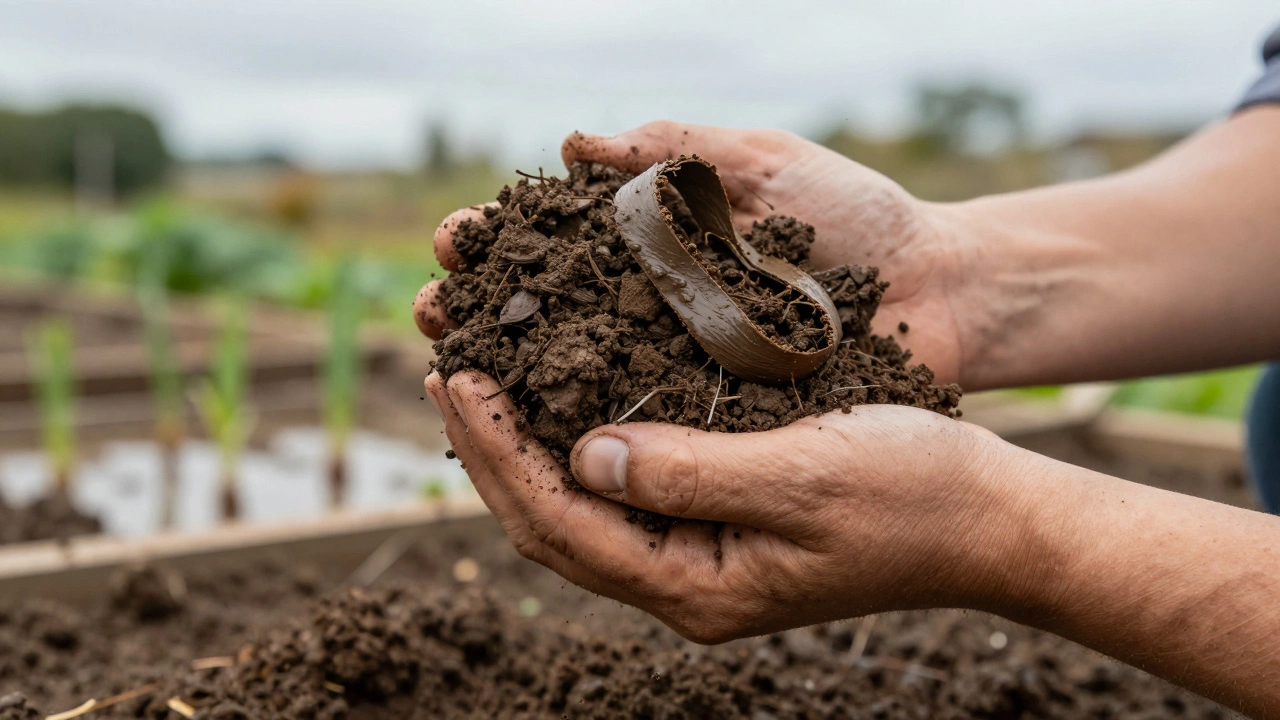
This cycle creates two major issues for gardeners. First, drainage suffers. Rain sits on top instead of soaking down, drowning shallow roots. Second, compaction becomes severe. Foot traffic and machinery press those tiny particles closer together, squeezing out the oxygen your plants need. If you squeeze a handful of wet soil and it forms a solid ribbon that doesn't break, you are definitely working with heavy clay.
The goal isn't to remove the clay. That is impossible without massive excavation. Instead, the goal is to improve the structure. You want to create aggregates-clumps of soil particles held together by organic glue-that allow water and air to move through freely. This transformation turns a hostile environment into a thriving ecosystem.
The Power of Organic Matter
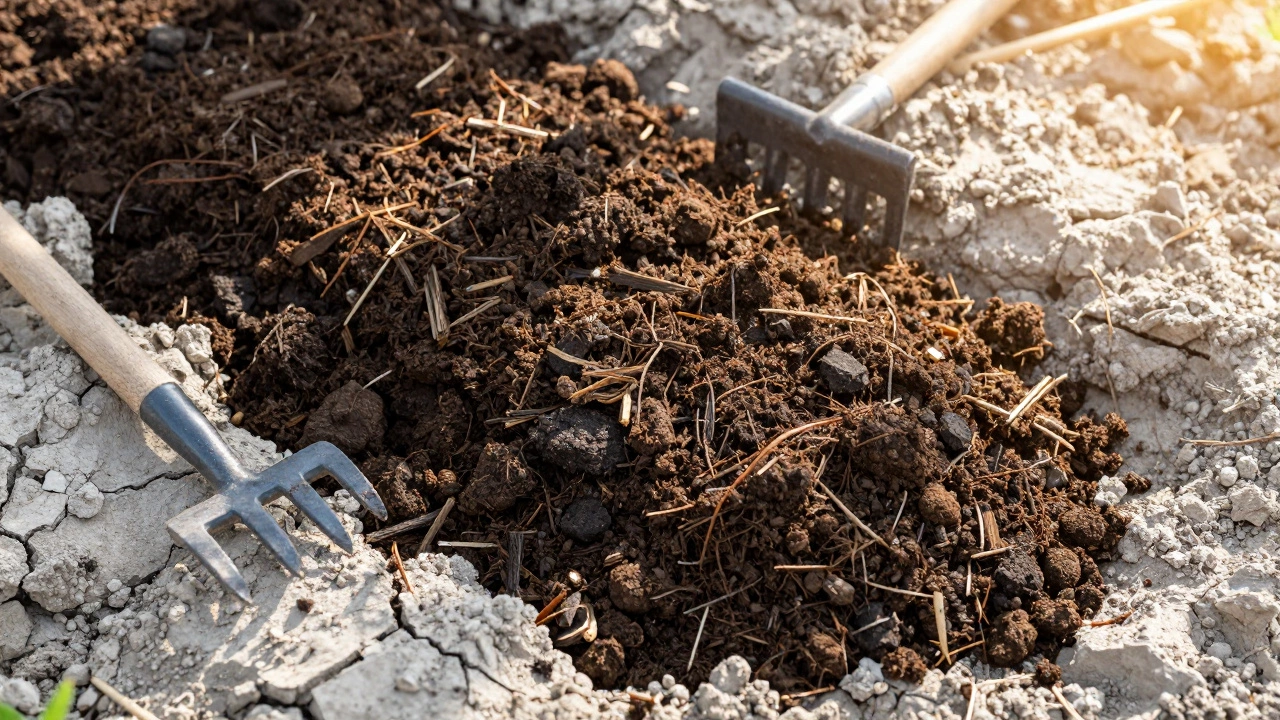
If there is one magic bullet for heavy soil, it is organic matter. Adding compost, well-rotted manure, or leaf mold does more than just feed your plants. It physically changes the texture of the ground. As microorganisms break down this material, they produce sticky substances called polysaccharides. These act like cement, binding individual clay particles into larger clusters known as aggregates.
These aggregates create pore spaces between them. Suddenly, water can flow through, and air can circulate. Roots can push through these gaps easily. Without organic matter, clay remains dense and impermeable. With it, the soil becomes crumbly and friable-the ideal state for gardening.
- Compost: Homemade or bought, compost adds bulk and life. Aim for 2-3 inches spread over the surface each year.
- Well-rotted Manure: Horse or cow manure provides nitrogen and structure. Ensure it is aged for at least six months to avoid burning plants.
- Leaf Mold: Decayed leaves add humus, which improves water retention and aeration simultaneously.
- Green Waste: Chopped grass clippings and vegetable scraps can be worked into the top layer to decompose quickly.
Don't just scratch this into the top inch. For best results, incorporate it into the top 6-8 inches of soil. However, be careful not to over-till. Excessive digging can actually worsen compaction in deeper layers. Gentle incorporation is key.
Aeration Techniques for Compacted Ground
Adding organic matter helps, but if your soil is severely compacted, you need to physically open it up. Aeration introduces air into the soil profile, breaking the seal that traps water and suffocates roots. There are several ways to do this, ranging from simple tools to mechanical equipment.
Forking is the most traditional method. Take a sturdy garden fork and push it vertically into the ground. Don't lever it back; just insert it and wiggle it slightly to create cracks. Do this across the entire bed, about every 10-15 centimeters. This creates channels for water to drain and air to enter. It’s labor-intensive but highly effective for smaller beds.
For larger areas, core aeration is superior. A core aerator removes small plugs of soil from the ground, leaving holes behind. These holes allow water, fertilizer, and air to penetrate deep into the root zone. You can rent these machines from local hardware stores. After aerating, top-dress with compost to fill the holes with beneficial material rather than letting them close up with bare clay.
Another option is using hollow tines. These are long, tube-like tools that you step on to drive into the soil. They pull out cores of earth as you lift them. While slower than a machine, they are cheaper and easier to store. Use them in early spring or autumn when the soil is moist but not waterlogged.
Planting Strategies for Clay Soils
While you are improving your soil, you still need to grow things. Some plants are naturally better equipped to handle heavy conditions. Choosing the right species can speed up the improvement process because their root systems help break up the clay.
Deep-rooted perennials are excellent allies. Plants like comfrey, daylilies, and coneflowers send thick taproots deep into the ground. As these roots grow and die back, they leave behind tunnels that improve drainage and aeration. Comfrey, in particular, is a dynamic accumulator, pulling nutrients from deep below and bringing them to the surface in its leaves, which you can then chop and drop as mulch.
Legumes also play a crucial role. Beans, peas, and clover fix nitrogen from the air into the soil. Planting a cover crop of white clover or winter rye protects the soil from erosion during winter and adds biomass when cut down. Rye has aggressive roots that help loosen compacted layers, making it a great choice for fall planting before turning it under in spring.
| Plant Type | Examples | Benefit to Soil |
|---|---|---|
| Perennials | Comfrey, Daylily, Coneflower | Deep roots break up compaction |
| Legumes | White Clover, Winter Rye, Fava Beans | Fix nitrogen, prevent erosion |
| Vegetables | Kale, Brussels Sprouts, Carrots (short varieties) | Tolerant of heavier textures |
| Shrubs/Trees | Hawthorn, Black Locust, Willow | Extensive root systems stabilize soil |
Avoid planting shallow-rooted annuals in unimproved clay unless you use raised beds. Their roots struggle to find oxygen and water, leading to poor yields. Focus on establishing strong perennials first to build the foundation.
Mulching to Protect and Improve
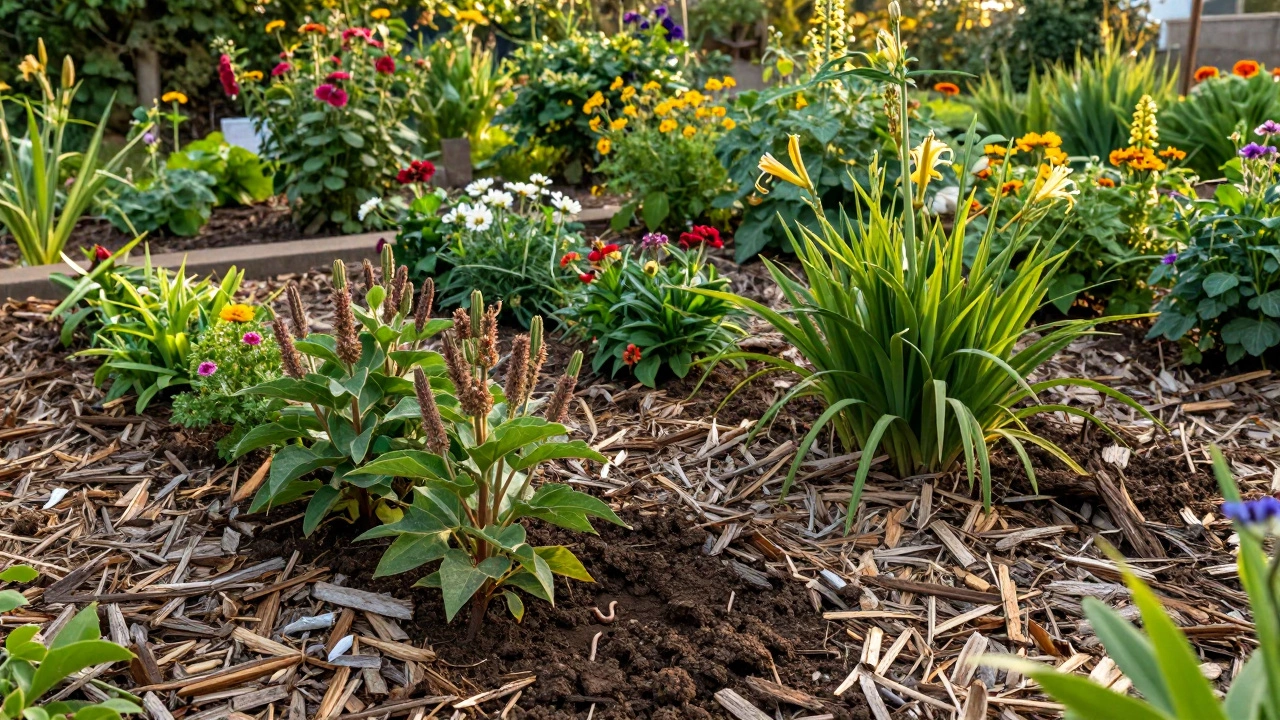
Once you have added organic matter and aerated the soil, protect your work with mulch. Mulch acts as a shield against the elements. In heavy soils, raindrops can cause surface sealing, where the impact breaks apart soil aggregates and clogs pores. A layer of mulch absorbs this impact, keeping the surface loose.
Organic mulches like wood chips, straw, or bark continue to decompose over time, feeding the soil beneath. They also regulate temperature, keeping the soil cooler in summer and warmer in winter. This stable environment encourages earthworm activity. Earthworms are nature's tillers. Their burrows aerate the soil, and their castings are rich in nutrients.
Apply a 5-7 cm layer of mulch around your plants, keeping it away from stems to prevent rot. Replenish it annually as it breaks down. Over time, the mulch will integrate with the topsoil, creating a dark, fertile layer that contrasts sharply with the pale clay below.
What to Avoid: Common Mistakes
In your eagerness to fix heavy soil, you might be tempted to take shortcuts that actually make things worse. One common mistake is adding sand to clay. This sounds logical-sand is light, clay is heavy, so mixing them should balance things out. But if you don't add enough sand (at least 50% by volume), you create a concrete-like mixture. The sand fills the gaps between clay particles, locking them tighter together. Only add sand if you are completely replacing the soil in a container or raised bed.
Another error is working the soil when it is wet. Clay is plastic when wet. Tilling or digging it in this state destroys its structure, turning it into a smooth, hard mass once it dries. Always wait until the soil is moist but not soggy. A good test is to squeeze a handful. If it crumbles easily, it's ready. If it stays in a ball, wait another day.
Finally, avoid compacting the soil yourself. Walking on wet garden beds presses down the particles. Create permanent paths made of gravel, wood chips, or stepping stones. Keep your feet off the growing areas. This simple habit preserves the aeration you've worked so hard to achieve.
Long-Term Maintenance
Fixing heavy garden soil is not a one-time project. It is an ongoing process. Clay tends to revert to its compacted state if neglected. Commit to adding organic matter every year. Even a thin layer of compost in spring and autumn makes a significant difference over time.
Monitor your soil's health. Look for earthworms. Their presence indicates good structure and biological activity. Check drainage after heavy rains. If water still pools, consider installing French drains or swales to redirect excess water away from sensitive areas.
Rotate your crops. Growing the same family of plants in the same spot depletes specific nutrients and invites pests. Rotating legumes with heavy feeders like brassicas helps maintain balance. This diversity supports a wider range of microbes, further enhancing soil structure.
Patient persistence pays off. Within three to five years of consistent amendment and care, you will notice a dramatic change. Your soil will darken, smell earthy, and feel light. Your plants will thrive, putting down deep roots and producing abundant harvests. The effort you put in now builds a legacy of fertility for decades to come.
Can I add sand to clay soil to improve drainage?
Generally, no. Adding small amounts of sand to clay can create a concrete-like substance. Unless you are replacing the entire soil volume with at least 50% sand, it is better to focus on organic matter and aeration.
How often should I aerate heavy soil?
Aerate annually, preferably in early spring or autumn when the soil is moist. For severely compacted areas, core aeration once a year combined with organic top-dressing yields the best results.
What is the best time to work clay soil?
Work clay soil when it is moist but not wet. Spring and autumn are ideal seasons. Avoid working it when it is saturated with rain, as this leads to further compaction and structural damage.
Does gypsum help with clay soil?
Gypsum (calcium sulfate) can help disperse sodium in alkaline clay soils, improving structure. However, for most typical garden clays, organic matter is more effective and sustainable for long-term improvement.
How long does it take to fix heavy soil?
Significant improvements can be seen in 1-2 years, but full transformation into loamy soil typically takes 3-5 years of consistent organic amendment and proper management.