Balcony Watering Calculator
Calculate Your Watering Schedule
Get personalized watering advice based on your balcony conditions
Your Watering Recommendations
Results will appear here after calculation
Living in Brighton, I know the struggle. You spend hours arranging your pots, picking the perfect tomatoes, and then a strong sea breeze comes in and dries them out in a day. Watering plants on a balcony isn't just about pouring water from a can. It is about managing a microclimate that is often harsher than a ground-level garden. The wind hits harder, the sun reflects off buildings, and the soil in pots drains faster. If you get the watering wrong, your plants wilt, your balcony floor gets stained, and your neighbors might complain about the drips.
This guide cuts through the noise. We will look at exactly how to keep your balcony green without drowning your plants or wasting water. You will learn which tools actually work, how to time your watering for maximum effect, and how to set up systems that water themselves when you are busy.
Quick Summary / Key Takeaways
- Balcony plants dry out faster due to wind and container heat, requiring more frequent checks than ground gardens.
- Water in the early morning to reduce evaporation and prevent fungal diseases.
- Use a soil moisture meter to avoid guessing when to water.
- Install drip irrigation or self-watering pots for low-maintenance care.
- Always use drainage trays to protect your balcony floor and manage runoff.
Why Balcony Watering is Different
When you garden on the ground, the earth retains moisture deep down. On a balcony, everything is in a container. This changes the physics of how water moves. The Soil Moisture level in a pot fluctuates rapidly because the roots have nowhere to escape for water. Add to that the wind factor common in coastal cities like Brighton, and you have a recipe for rapid drying. A plant that needs watering every three days in a garden might need it daily on a south-facing balcony.
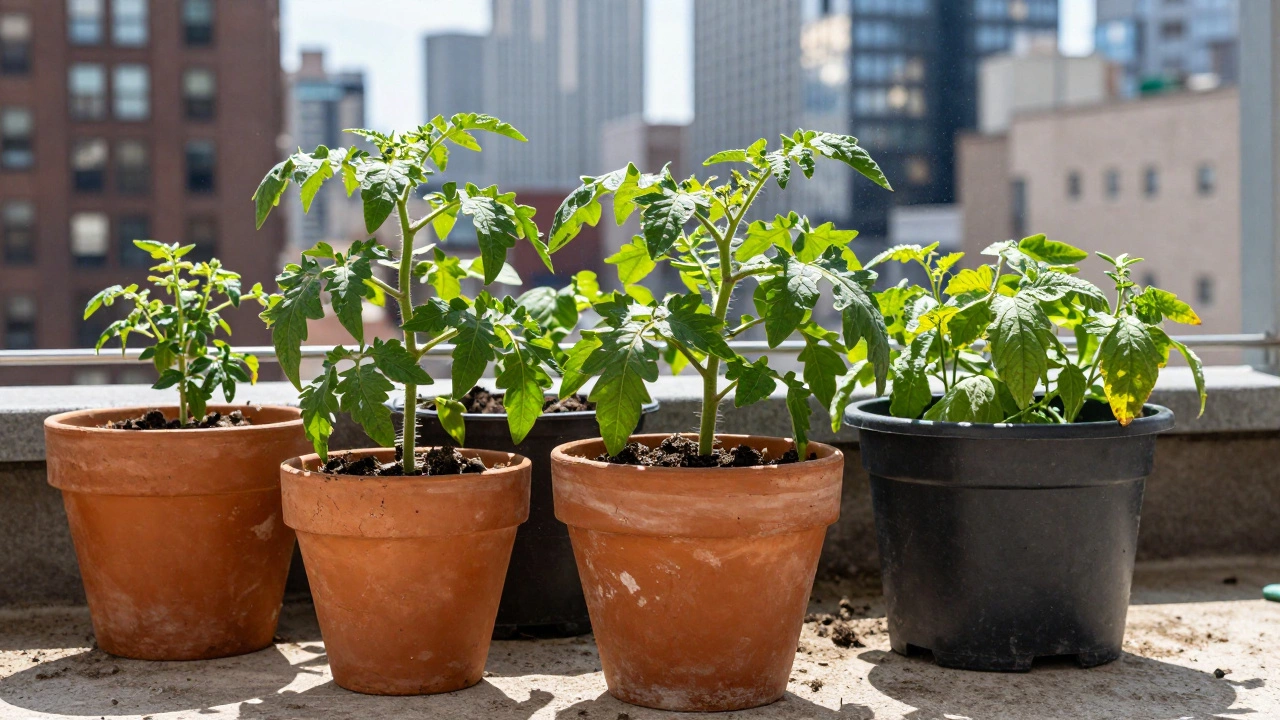
Material matters too. Terracotta Pots are porous clay containers that allow air and water to pass through the walls. They look classic, but they lose water through the sides as well as the bottom. Plastic or ceramic pots hold water longer. If you are growing thirsty plants like tomatoes in terracotta, you will be watering constantly. If you switch to plastic, you save time but must be careful not to overwater because the soil stays wet longer.
Heat reflection is another hidden factor. If your balcony is surrounded by brick walls or glass, the heat bounces back onto your plants. This creates a greenhouse effect that cooks the soil. You might see the leaves curling up during the afternoon even if you watered in the morning. Understanding this environment is the first step to keeping your garden alive.
Choosing Your Watering Method
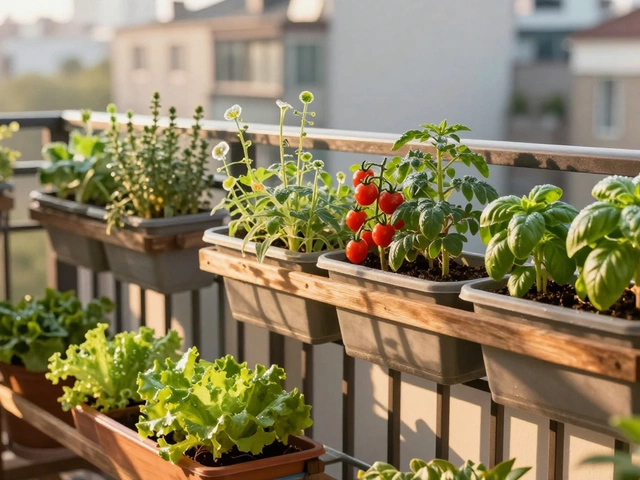
There is no single right way to water, but some methods are better suited for small spaces. Hand watering with a watering can gives you control. You can see exactly where the water goes. However, it is labor-intensive. If you have twenty pots, carrying a heavy can up and down stairs is a workout you might not want every day.
For a more efficient approach, consider a Drip Irrigation system that delivers water slowly directly to the plant roots through tubes and emitters. This setup uses a timer and a water source. It ensures every plant gets the same amount of water. It is especially useful if you go away for the weekend. You can set it to run for five minutes every morning. The initial setup takes an hour, but it saves hours of work over the season.
Another option is Self-Watering Pots containers with a built-in reservoir that allows plants to draw up water as needed. These are great for herbs and small flowers. You fill the reservoir once a week, and the plant sucks up what it needs through a wick. It prevents overwatering because the soil never gets soggy. However, they can be expensive for large plants like vegetables.
| Method | Effort Level | Cost | Best For |
|---|---|---|---|
| Watering Can | High | Low | Few pots, precise control |
| Drip Irrigation | Low | Medium | Many pots, vacations |
| Self-Watering Pots | Very Low | High | Herbs, small flowers |
| Garden Hose | Medium | Low | Large containers, quick fill |
Timing is Everything
When you water is just as important as how you water. The best time is early morning, between 6 AM and 9 AM. The air is cooler, so less water evaporates before reaching the roots. The plants also have time to dry off before nightfall. If leaves stay wet overnight, you invite fungal diseases like powdery mildew, which loves the humidity of a balcony at night.
Watering in the evening is risky. The water sits in the soil while the temperature drops, leading to root rot. If you must water in the evening, do it early enough that the leaves dry before sunset. Avoid midday watering during summer heat. The water evaporates instantly, and the droplets can act like magnifying glasses, burning the leaves.
How often should you water? There is no fixed schedule. A sunny day might need water every morning. A cloudy, rainy day might need none. The rule is to check the soil. Stick your finger an inch deep. If it feels dry, water it. If it feels damp, wait. This simple test prevents most problems.
Tools That Save Time
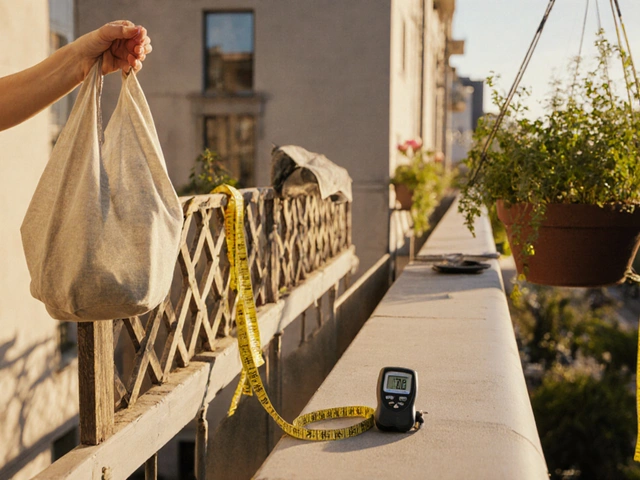
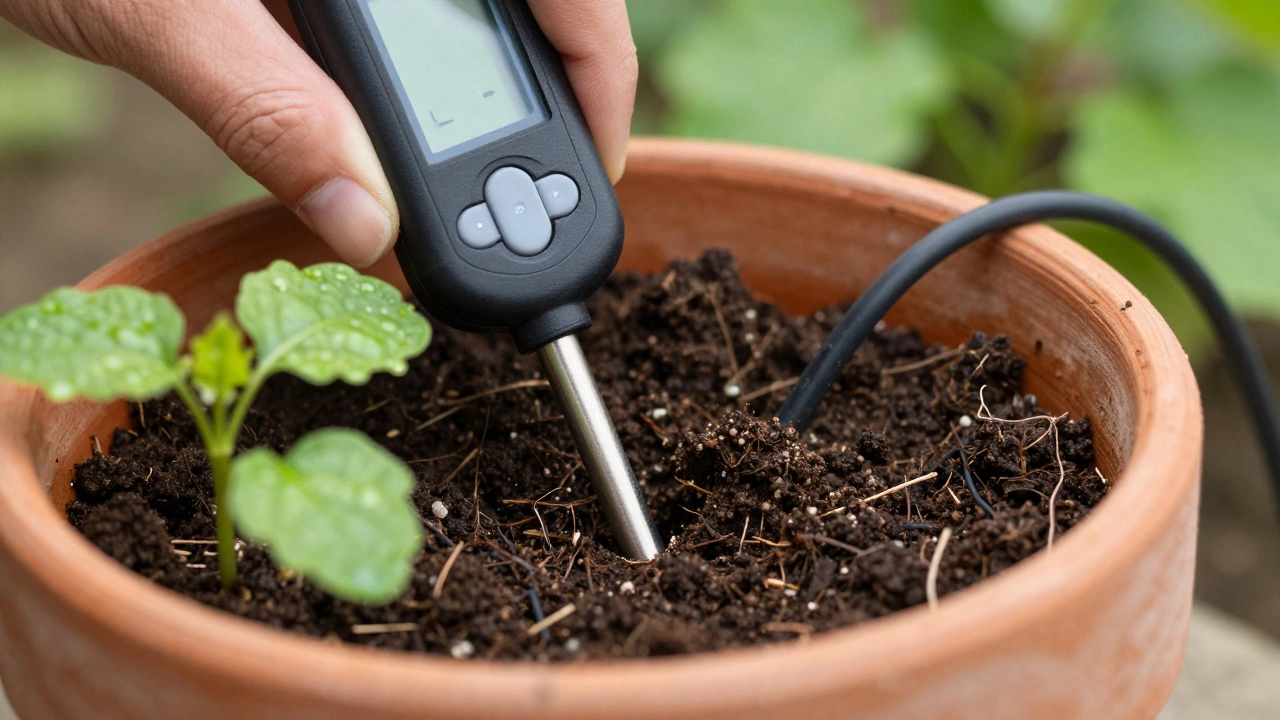
Technology can help you avoid the guesswork. A Soil Moisture Meter a handheld device that measures the water content in the soil. is a cheap tool that saves your plants. You stick the probe into the soil, and it gives a reading. It takes the guesswork out of the finger test. Some advanced models connect to your phone, alerting you when the soil is too dry.
For those with a water source nearby, a Rain Barrel a container used to collect rainwater from a roof or gutter for later use. is a game-changer. Rainwater is better for plants than tap water because it lacks chlorine and fluoride. In Brighton, we get enough rain in winter to fill a barrel for the dry summer months. Connect a hose to the barrel, and you have a free water supply.
Smart timers are also worth the investment. They attach to your faucet and control the drip system. You can set them to water only when the humidity is low. Some models connect to weather stations and skip watering if rain is forecast. This prevents wasting water when nature does the job for you.

Drainage and Weight Safety
Watering creates runoff. If your pots drain onto the balcony floor, you risk water damage to the wood or concrete. Always use Drainage Trays shallow containers placed under pots to catch excess water. Empty them after watering so mosquitoes don't breed in the stagnant water. If you have a balcony with a slope, the water might flow toward the railing or the door. Check the flow direction before setting up.
Weight is another concern. Wet soil is heavy. A large pot filled with wet soil can weigh over 50 kilograms. Check your balcony's weight limit before filling it with big containers. Distribute the weight evenly. Do not put all the heavy pots in one corner. If the balcony is on an upper floor, water dripping down can annoy neighbors. Ensure your drainage is contained or directed away from their windows.
Seasonal Adjustments
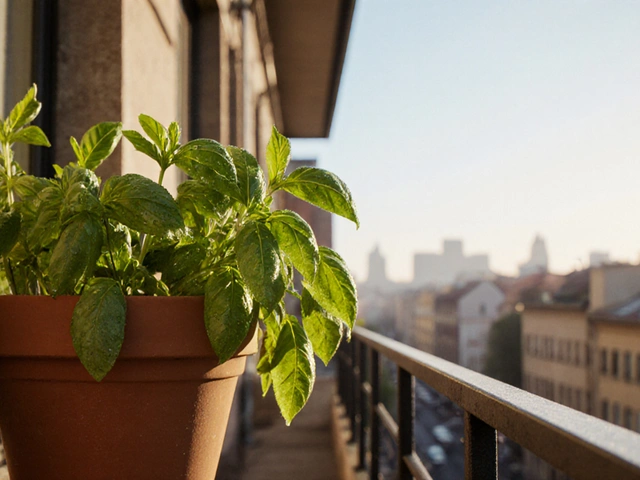
Gardening changes with the seasons. In March, as we are now, the weather is unpredictable. You might need to water one day and cover the plants the next. In summer, the demand spikes. You might need to water twice a day for thirsty plants like basil. In winter, most plants go dormant. They need very little water. Overwatering in winter is the leading cause of plant death. Check the soil less often and only water when it is bone dry.
Protect your plants from the winter wind. It dries out the soil even when the air is cold. Move pots to a sheltered corner or wrap them in fleece. This reduces the need for watering and protects the roots from freezing. In spring, flush the soil with water to wash away any salt buildup from the winter air.
Common Mistakes to Avoid
Many people think more water is better. It is not. Overwatering suffocates the roots. They need oxygen as much as water. If the soil is always soggy, the roots rot. Signs of overwatering include yellow leaves and a musty smell. Signs of underwatering are crispy, brown leaf edges and drooping.
Another mistake is watering the leaves instead of the soil. Watering the leaves wastes water and spreads disease. Aim the water at the base of the plant. Use a watering can with a long spout to reach the soil without splashing the leaves.
Finally, do not ignore the wind. If your balcony faces the sea, the salt spray can damage leaves. Rinse the leaves occasionally with fresh water to remove the salt. This helps the plants breathe and look healthy.
How often should I water balcony plants in summer?
In summer, balcony plants often need water every day, sometimes twice a day. Check the soil daily. If the top inch is dry, water them. Windy or sunny days require more frequent watering.
Is it better to water in the morning or evening?
Morning is best. Watering between 6 AM and 9 AM reduces evaporation and allows leaves to dry before night, preventing fungal diseases.
Can I use tap water for balcony plants?
Yes, tap water is generally safe, but rainwater is better. Rainwater lacks chlorine and fluoride, which can build up in soil over time and harm sensitive plants.
What is the best way to water many pots?
Drip irrigation is the most efficient method for many pots. It delivers water directly to the roots and can be automated with a timer.
How do I know if I am overwatering?
Look for yellowing leaves, a musty smell from the soil, or roots that look brown and mushy. The soil will also feel constantly wet to the touch.
Do self-watering pots work for vegetables?
They work well for small vegetables like herbs and lettuce. Large vegetables like tomatoes usually need more water than a standard self-watering pot can provide.
Should I water plants during the rain?
No, skip watering if it is raining. Check the soil first. If the rain is light and the soil is dry, you might still need to top up.
How does wind affect balcony watering?
Wind increases evaporation, drying out the soil faster. Windy balconies need more frequent watering and protection from salt spray.
What type of pot holds water the longest?
Plastic or glazed ceramic pots hold water longer than terracotta. Terracotta is porous and allows water to evaporate through the sides.
Can I automate my balcony watering?
Yes, use a smart timer connected to a hose or drip system. Some models connect to weather apps to adjust watering automatically.
Managing water on a balcony takes practice. Start by checking your soil daily. Notice how the wind affects your specific spot. Adjust your routine as the seasons change. With the right tools and timing, your balcony garden will thrive all year round. Keep it simple, stay consistent, and enjoy your green space.