Terrace Seepage Prevention Calculator
Is your downstairs neighbor complaining? Use this tool to assess your current setup and get immediate fixes for water seepage.
Current Setup Assessment
Your Seepage Risk Score
--
Select options and click Analyze to see recommendations.
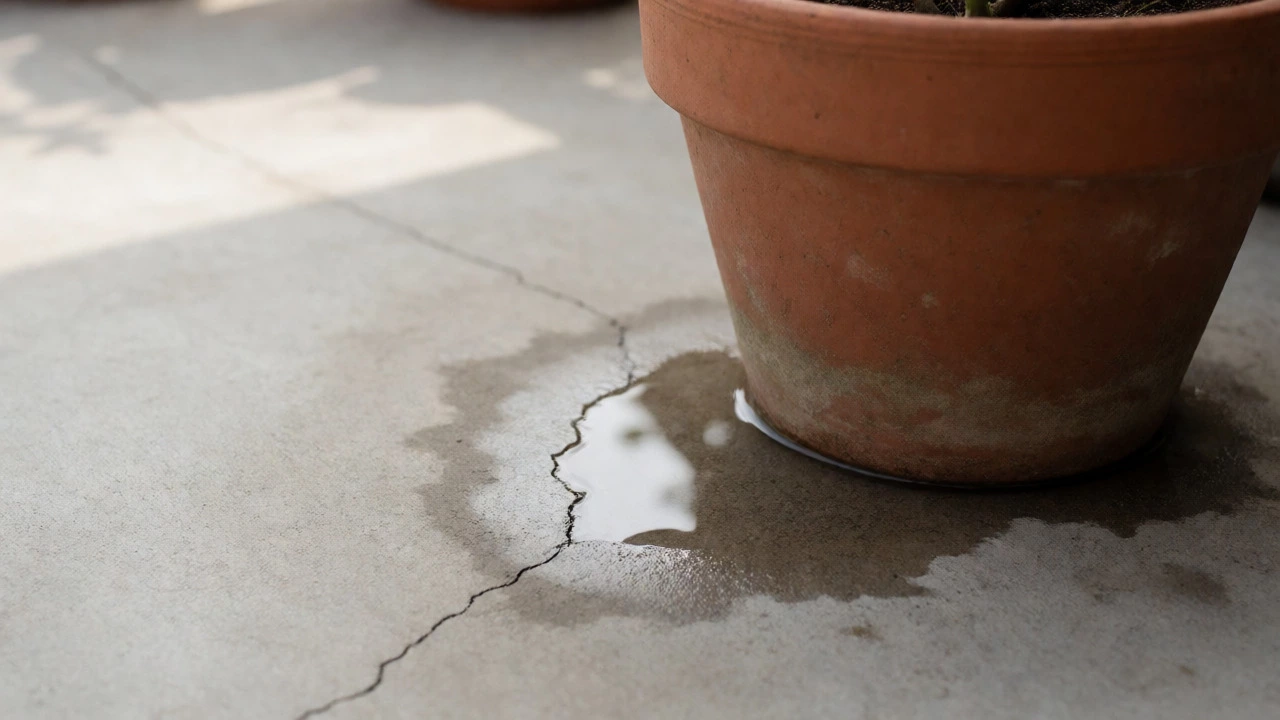
Nothing ruins a good afternoon on the balcony quite like discovering your downstairs neighbor’s ceiling is turning brown. If you’ve ever stared at a damp patch spreading across your patio tiles, wondering if your potted tomatoes are responsible, you know the panic. It’s not just about keeping plants alive; it’s about protecting your property and maintaining peace with whoever lives below you. The culprit is usually water seepage, a sneaky issue that happens when excess moisture bypasses the soil and finds cracks in your concrete or tile work.
The problem isn’t always obvious at first. You water your plants, they drink what they need, and the rest? That excess water has to go somewhere. In a ground-level garden, it soaks into the earth. On a terrace, it hits a hard surface. If your drainage is poor or your pots are leaking, that water sits, stagnates, and eventually finds its way through microscopic fissures in the floor. But here’s the good news: you don’t need to tear up your entire terrace to fix this. With the right mix of soil amendments, smart potting techniques, and a bit of maintenance, you can keep the water where it belongs-around your plant roots.
Why Water Seeps Through Your Terrace
Before we fix it, let’s understand it. Concrete and tiles aren’t perfectly impermeable forever. Over time, weather, temperature changes, and even the weight of heavy ceramic pots cause tiny cracks to form. These are often invisible to the naked eye but wide enough for water to penetrate. When you water your plants heavily, gravity pulls that liquid down. If the soil in your pot doesn’t drain well, the water pools at the bottom of the container. From there, it spills out onto the terrace floor. If the floor slopes slightly toward a wall or corner, that water lingers. It evaporates slowly, especially in cooler months like September in Brighton, allowing it to seep downward.
Another common mistake is using regular garden soil in containers. Garden soil is designed for open ground, where it can spread out and breathe. In a pot, it compacts. Compacted soil holds too much water and drains too slowly. This creates a reservoir effect at the base of the pot, increasing the volume of runoff that lands on your terrace. Understanding this mechanism helps you see why simply adding a saucer under every pot isn’t enough-you need to manage the water before it leaves the pot.
The Right Soil Mix Is Your First Line of Defense
You cannot control the concrete below, but you can absolutely control what goes into your pots. The secret to stopping seepage starts with improving internal drainage. Standard potting mix can become hydrophobic (water-repellent) when dry, causing water to run off the sides rather than soaking in, or conversely, it can stay soggy if it’s too fine. Both scenarios lead to messy overflow.
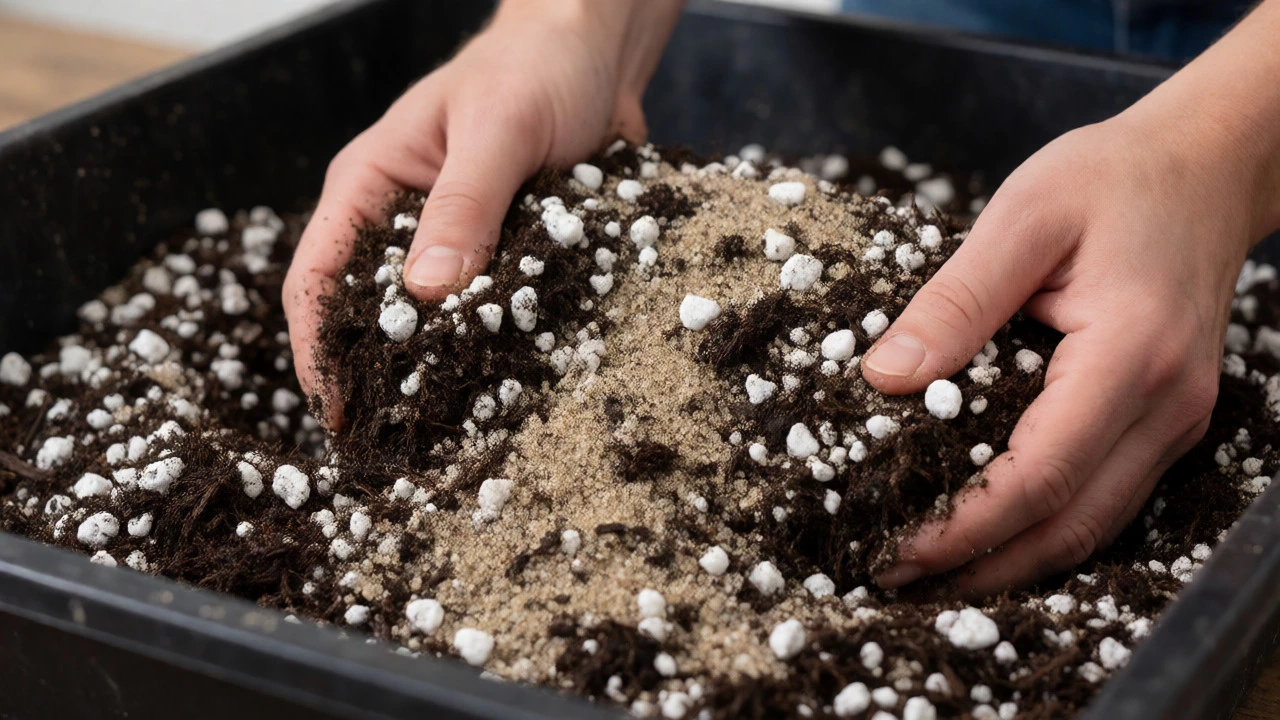
Try mixing your own substrate. A blend of 60% high-quality potting compost, 20% perlite, and 20% coarse horticultural sand works wonders. Perlite adds air pockets, which help water move through the root zone faster. Coarse sand prevents compaction. This structure ensures that when you water, the liquid moves quickly through the soil profile and exits the drainage holes efficiently, rather than sitting stagnant. Efficient drainage means less standing water in the pot, which means less spillage onto your terrace floor.
| Amendment | Primary Function | Best For | Caution |
|---|---|---|---|
| Perlite | Increases aeration and drainage speed | General container plants | Lights up easily in wind; floats to top |
| Vermiculite | Retains moisture while aiding aeration | Seedlings and moisture-loving plants | Can compact over time; reduces drainage if used alone |
| Horticultural Sand | Prevents compaction and improves flow | Succulents, cacti, and heavy soils | Must be coarse; builder's sand contains salt |
| Bark Chips | Adds structure and slow decomposition | Orchids and large shrubs | Decomposes over years; needs topping up |
Pot Selection and Placement Strategy
Your choice of container plays a huge role in how much water escapes. Terracotta pots are porous, meaning they actually absorb some water and release it through evaporation from their walls. This natural wicking action reduces the amount of runoff compared to glazed ceramic or plastic pots, which are non-porous and force all excess water out the bottom. If you’re worried about seepage, terracotta is a friend. However, terracotta can crack in freezing conditions, so bring them inside during winter if you live in a colder climate.
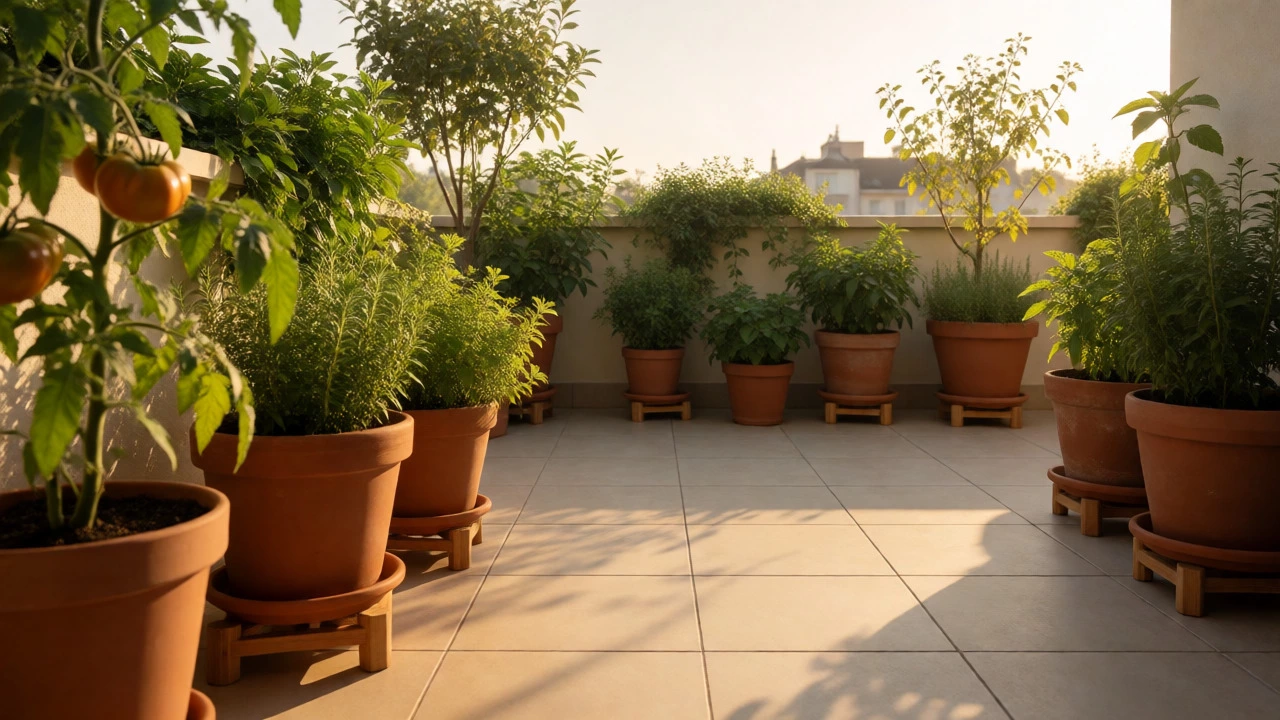
Plastic pots are lightweight and durable but notorious for retaining heat and forcing rapid drainage. To mitigate the mess, never place plastic pots directly on the terrace floor. Use raised pot feet or stands. Elevating the pot by even two inches allows air to circulate underneath. This airflow dries any spilled water quickly, preventing it from sitting long enough to seep through micro-cracks. Plus, it keeps the bottom of the pot from becoming a breeding ground for mosquitoes, which love stagnant water in late summer.
Consider the size of the drainage holes. Manufacturers sometimes make them small to prevent soil loss. But small holes clog easily with root growth or debris. Check your pots annually. If the holes are blocked, clear them with a wire coat hanger. Alternatively, line the bottom of the pot with a layer of broken crockery or large gravel before adding soil. This creates a physical barrier that keeps soil out of the hole while allowing water to pass freely.
Watering Techniques That Minimize Runoff
How you water matters as much as what you use. Many people water until liquid gushes out the bottom, thinking this ensures deep hydration. While thorough watering is good, excessive flooding is wasteful and messy. Instead, try the "soak and wait" method. Water the plant slowly in stages. Give it a little, wait five minutes for the soil to absorb it, then add more. This allows the soil to act like a sponge rather than a sieve. By the time water reaches the drainage hole, the soil is fully saturated, but you haven’t created a torrential downpour on your patio.
Morning is the best time to water. As the day warms up, evaporation rates increase. Any minor spillage on the terrace will dry out faster, reducing the window of opportunity for seepage. Evening watering leaves moisture sitting on cool surfaces overnight, which is prime time for water to find its way into cracks. In September, days are still warm enough for daytime drying, but nights get cooler, so timing is critical.
Sealing and Waterproofing Your Terrace Floor
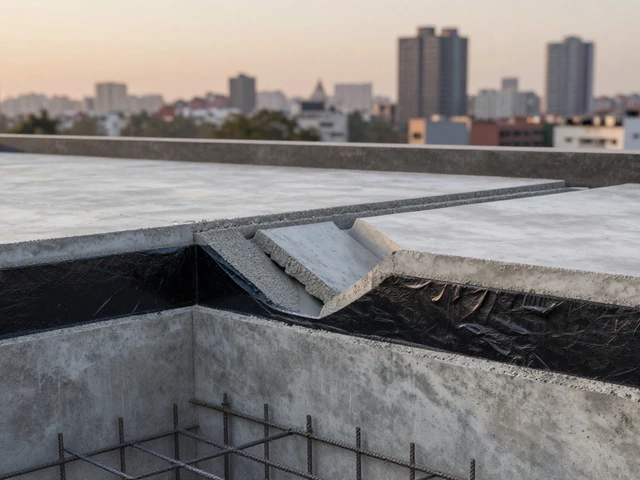
If your pots are optimized and you’re still seeing stains, the issue might be structural. Terrace floors need occasional maintenance. Inspect the grout lines between tiles. Cracked or missing grout is a direct highway for water. Repointing these gaps with a flexible, exterior-grade sealant can solve the problem cheaply. For concrete terraces without tiles, consider applying a penetrating silane-siloxane sealer. Unlike paint-like coatings that peel, these sealers soak into the concrete pores, repelling water while letting the material breathe. They last several years and are invisible once applied.
Check your slope. Ideally, a terrace should slope slightly away from the building or toward a drain. If water pools in one spot, it’s likely a low point. You can correct minor pooling with self-leveling compounds, but for larger issues, consult a contractor. Ignoring pooling water leads to moss and algae growth, which traps moisture against the surface and accelerates deterioration.
Managing Rainfall and Overflow
In the UK, rain is inevitable. You can’t stop it from falling on your terrace, but you can manage where it goes. Ensure your terrace drain is clear of leaves and dirt. A clogged drain turns your outdoor space into a pond within hours of a heavy shower. Clean it monthly during autumn when leaves fall.
For pots placed near walls, install a drip tray system. Not the shallow plastic ones that overflow, but deeper trays with a spigot or siphon tube. These collect runoff and allow you to empty it manually or connect it to a small reservoir. This is particularly useful for hanging baskets or elevated shelves where water might splash sideways rather than straight down. Regularly check these trays; neglecting them defeats the purpose and creates a new source of seepage if they overflow.
Quick Checklist for Seepage Prevention
- Inspect Pots: Clear drainage holes of roots and debris annually.
- Elevate Containers: Use pot feet to allow air circulation and quick drying.
- Optimize Soil: Mix perlite or grit into potting compost for better flow.
- Water Wisely: Water in the morning and avoid over-saturating.
- Seal Floors: Repair cracked grout or apply a penetrating concrete sealer.
- Clear Drains: Remove leaf litter from terrace outlets weekly in autumn.
Tackling water seepage isn’t about perfection; it’s about management. You’ll never eliminate every drop, but by controlling the source (the pot) and the path (the floor), you protect your home and your friendships. Start with the soil mix-it’s the cheapest and most effective change you can make today. Then look at your pots and watering habits. Only tackle the structural sealing if those steps don’t yield results. Your terrace can remain a lush, green retreat without becoming a plumbing headache.
Do I really need to elevate my pots?
Yes, elevating pots is highly recommended. It allows air to circulate beneath the container, which helps dry any spilled water quickly. This prevents moisture from sitting on the terrace surface long enough to seep into cracks. It also protects the pot itself from rotting if made of wood or metal.
What is the best soil amendment for drainage?
Perlite is widely considered the best option for general container gardening because it is lightweight, sterile, and creates excellent air pockets. Horticultural sand is also effective, particularly for succulents or heavier plants, as it adds weight and stability while improving flow.
How do I know if my terrace needs resealing?
Look for dark patches that persist after the sun comes out, efflorescence (white powdery deposits) on concrete, or visible cracks in tile grout. If water beads up poorly or absorbs instantly into the concrete, the existing sealant may have degraded and needs reapplication.
Can I use regular garden soil in terrace pots?
It is not advisable. Garden soil compacts in containers, leading to poor drainage and root rot. It also tends to hold too much water, which increases runoff onto your terrace. Always use a dedicated potting mix amended with perlite or grit.
Does terracotta reduce water seepage?
Partially. Terracotta is porous and allows some moisture to evaporate through the pot walls, reducing the volume of water exiting the drainage holes. However, it does not eliminate runoff entirely, so proper drainage management is still required.