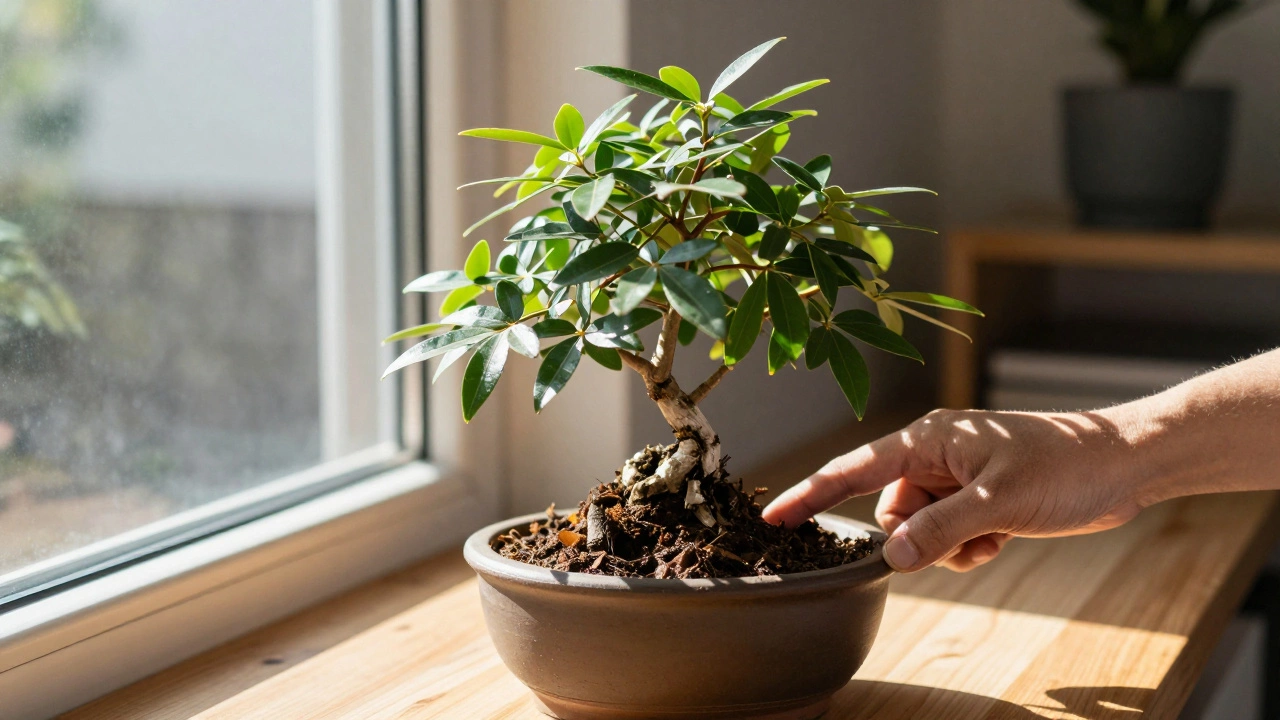
Learn how to care for a bonsai tree as a beginner with simple, practical steps on watering, light, soil, pruning, and seasonal care. Avoid common mistakes and keep your mini tree thriving for years.
Beginner Bonsai: Simple Steps to Grow and Care for Miniature Trees in India
When you start with beginner bonsai, a form of living art where trees are grown in small pots and shaped over time. Also known as miniature tree cultivation, it’s not about fancy tools or expensive pots—it’s about patience, observation, and working with nature, not against it. Many think bonsai is only for experts or requires years of training, but that’s not true. You can start today with a cheap nursery plant, a basic pot, and a little daily attention. In India, where balconies and small homes are common, beginner bonsai is one of the most practical ways to bring quiet, living beauty into your space without needing a garden.
What makes bonsai work in Indian homes? It’s the climate. Most bonsai trees like warmth, bright light, and good airflow—conditions you already have on a south-facing balcony or near a window. You don’t need tropical humidity or freezing winters. Species like Ficus, Jade, and Chinese Elm thrive here with minimal fuss. They grow slowly, which means you won’t be trimming them every week. And because they’re grown in small containers, you control their water and soil—no more overwatering or drowning roots like with houseplants. bonsai care, the routine of watering, pruning, and repotting is simple once you learn the rhythm. Water when the top inch of soil feels dry. Prune new growth to keep shape. Repot every 2–3 years to refresh the soil. That’s it.
One big mistake beginners make? Buying a tree that’s already shaped like a bonsai from a market stall. Those are often stressed, over-pruned, or planted in bad soil. Instead, start with a healthy, unshaped sapling—something you can train yourself. It’s cheaper, more rewarding, and you’ll understand how the tree grows. indoor bonsai, trees kept inside year-round work well if you give them enough light. A sunny window is better than a dim corner. And don’t forget: bonsai training, the process of shaping branches and roots over time isn’t about forcing the tree into a shape. It’s about guiding it gently, like teaching a child to stand straight. You’ll make mistakes. Branches might break. Leaves might drop. That’s normal. Every gardener who’s been at this for years still learns something new each season.
What you’ll find in the posts below isn’t a list of perfect trees or magic formulas. It’s real advice from people who’ve tried, failed, and kept going. You’ll learn how to make your own soil mix that drains well in India’s humid monsoons. You’ll see which plants survive dry winters and hot summers. You’ll get tips on watering without a drip system, how to handle pests without chemicals, and why some pots crack while others last decades. There’s no single right way to do bonsai—just what works for your space, your time, and your patience. Start small. Watch closely. Let the tree teach you. And when you see your first new bud after months of waiting? That’s when you know you’re not just growing a tree—you’re growing something deeper.