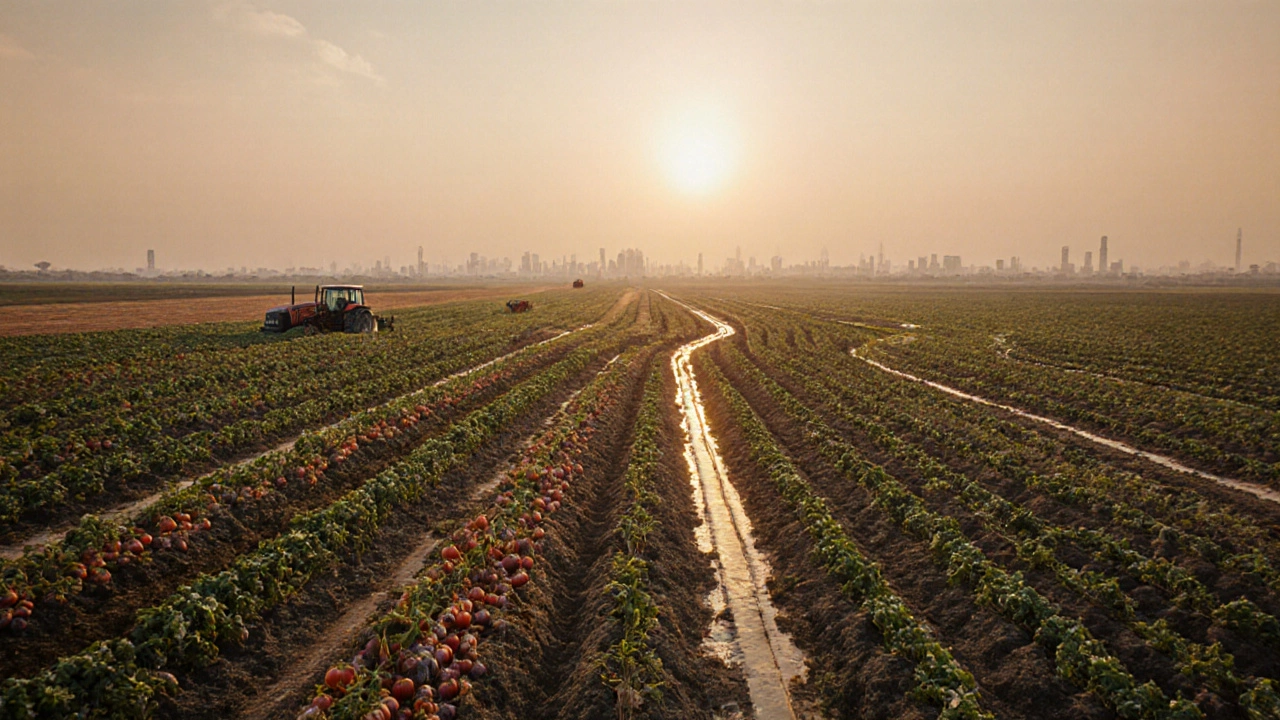
Haryana is India's vegetable capital, producing over 12 million metric tons of diverse vegetables annually. Learn why its soil, irrigation, and farming practices make it the top producer-and how home gardeners can copy its success.
Haryana Vegetables: What Grows Best and How to Grow Them
When you think of Haryana vegetables, vegetables that are commonly grown and consumed in the state of Haryana, India, known for its fertile plains and two major cropping seasons. Also known as North Indian vegetables, they form the backbone of local diets and small-scale farming across the region. Haryana’s climate—hot summers, cool winters, and predictable monsoon patterns—makes it ideal for a specific set of crops that don’t need fancy inputs to thrive. These aren’t exotic imports. These are the onions, tomatoes, cauliflower, spinach, and bottle gourds your grandmother grew, and your neighbor still grows today.
What makes Haryana vegetables different isn’t just the soil—it’s the rhythm. Farmers here plant in two waves: Kharif crops, summer-sown vegetables like okra, bitter gourd, and cluster beans that rely on monsoon rains and Rabi crops, winter-sown vegetables like spinach, peas, carrots, and radishes that grow best after the rains stop. This isn’t guesswork. It’s generations of trial and error baked into local practice. You won’t find many farmers here trying to grow strawberries in December or lettuce in May. They work with the land, not against it.
And here’s the thing: you don’t need a big farm to grow these. Many of the same Haryana vegetables do just fine in balcony pots, terrace containers, or even small backyard plots. The key? Match the plant to the season. A tomato planted in late October won’t fruit well—but if you wait until February, you’ll get more fruit than you can share. Same with spinach. It bolts fast in heat, so plant it cool, water it lightly, and let it grow. No fancy fertilizers needed. Just good soil, regular watering, and a little patience.
What you’ll find in the posts below are real, tested methods from people who grow these vegetables every year. You’ll learn how to fix common problems—like why your cauliflower heads don’t form, or why your spinach turns bitter. You’ll see how compost from kitchen scraps makes more difference than store-bought fertilizer. You’ll read about the best time to plant, how to avoid pests without chemicals, and which varieties actually survive Haryana’s dry spells.
This isn’t theory. It’s what works on the ground. Whether you’re a farmer in Hisar, a gardener in Gurgaon, or someone with a single balcony in Faridabad, the same principles apply. Grow what the land allows. Respect the seasons. Use what you have. And don’t overcomplicate it. The best Haryana vegetables aren’t the most expensive ones. They’re the ones that show up on your plate, fresh, reliable, and full of flavor—because they were grown the way they always have been.