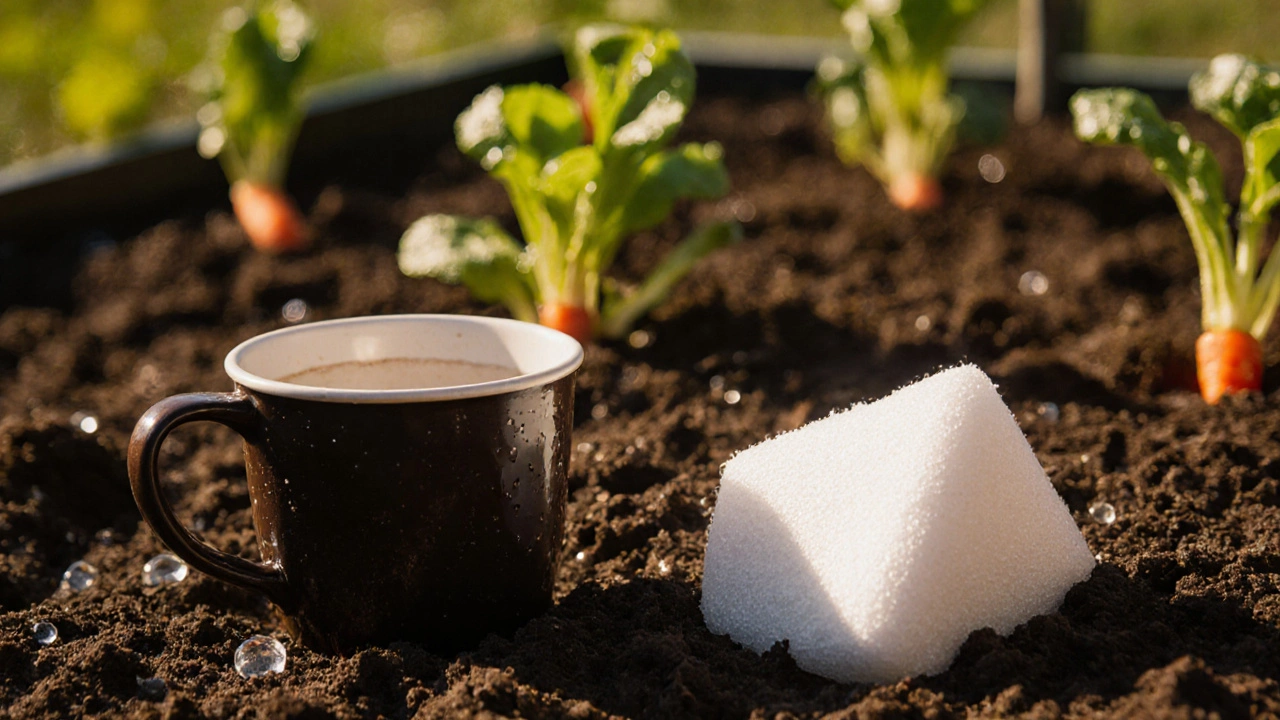
Explore the safety of styrofoam in vegetable gardens, covering its effects on soil health, risks, benefits, alternatives, and practical guidelines for growers.
Styrofoam Garden Safety: Is It Safe to Use in Your Indian Garden?
When you think of styrofoam, a lightweight, rigid plastic foam often used in packaging and plant containers. Also known as expanded polystyrene, it’s cheap, easy to find, and commonly reused in gardening to cut soil weight and improve drainage. But here’s the real question: is it safe for your plants—and your health—especially in India’s hot, humid climate?
Many gardeners in cities like Delhi, Bangalore, or Mumbai use styrofoam pieces at the bottom of pots to save on soil and reduce weight on balconies. It seems smart—until you realize styrofoam doesn’t break down. It fragments into microplastics over time, especially when exposed to sun and rain. These tiny particles can leach into the soil and eventually get absorbed by plants. Studies from Indian agricultural universities show that long-term use of polystyrene in vegetable gardens can lead to trace chemical buildup in edible crops. That’s not something you want in your tomatoes or spinach.
What’s more, styrofoam blocks airflow in the soil. Even though people think it helps with drainage, it actually traps water above it, creating a soggy layer where roots rot. Your plants need oxygen at the root zone, not a plastic barrier. And if you’re using it in a balcony garden, you’re also adding to India’s plastic waste crisis—something local municipalities are starting to crack down on.
So what should you use instead? perlite, a natural volcanic rock that expands when heated, creating lightweight, porous granules. Also known as expanded volcanic glass, it’s affordable, reusable, and improves drainage without harming soil health. Or try broken terracotta shards, coconut coir, or even clean gravel. These materials let water flow freely, let air reach the roots, and won’t leave toxic residue behind.
Some people argue that styrofoam is fine if it’s not in direct contact with soil. But in practice, it shifts, breaks, and mixes in—especially during monsoon rains or when you repot. And if you’re growing herbs or veggies, even small amounts of plastic exposure matter. Your garden should be a safe space, not a hidden source of pollution.
There’s also a cultural shift happening. More Indian gardeners are moving away from synthetic shortcuts and toward natural, locally available materials. Compost, cow dung, and rice husk are not just traditional—they’re proven to work better than styrofoam. They feed the soil, not just the plant.
What you’ll find in the posts below aren’t just tips—they’re real solutions from gardeners who’ve tried styrofoam and switched to something better. You’ll see how to fix a heavy balcony pot without plastic, how to improve drainage naturally, and what materials actually last through India’s extreme seasons. No fluff. No gimmicks. Just what works.