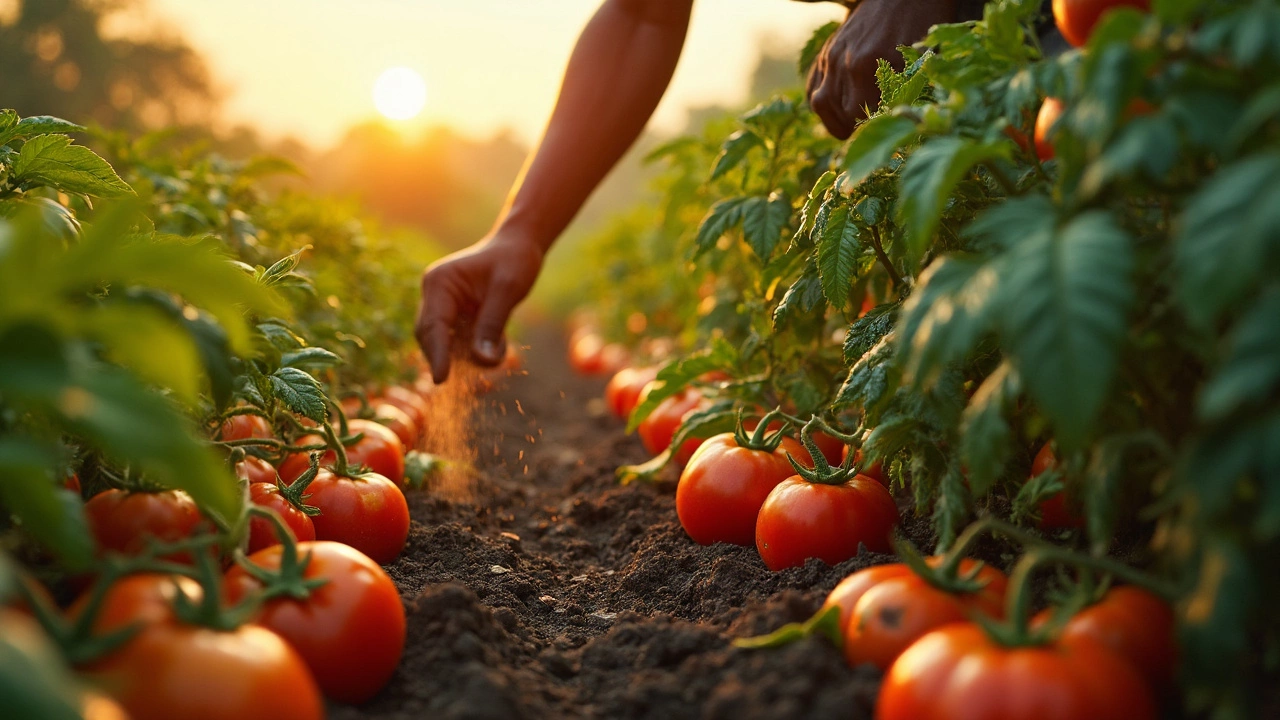
Getting the frequency of fertilizing tomatoes just right can make all the difference in your garden's success. This article delves into the optimal schedule for feeding your tomato plants, how to assess soil health, and tips for using organic and inorganic fertilizers effectively. It provides practical advice to ensure your tomato plants thrive, without overdoing it, all while keeping health and environmental impacts in mind.
Tomato Growth: How to Grow Healthy Tomatoes in Indian Gardens
When you talk about tomato growth, the process of cultivating tomatoes from seed to ripe fruit, often in home gardens or small farms. Also known as tomato cultivation, it’s one of the most rewarding tasks for Indian gardeners because tomatoes thrive in warm weather, need little space, and give you fresh fruit in just a few months. Whether you’re growing them in a balcony pot, a backyard plot, or a small farm, getting tomato growth right means understanding the soil, the sun, and the season.
Tomato growth isn’t just about planting seeds and waiting. It’s tied to other key elements like garden soil improvement, adding organic matter or perlite to make soil loose and drain well, which matters because tomatoes hate soggy roots. It also connects to compost for clay soil, a natural way to feed tomatoes and keep them strong without chemicals. And if you’ve ever seen your tomato plants droop or turn yellow, that’s often linked to drip irrigation problems, like clogged emitters or uneven watering—something many Indian gardeners fix with simple cleaning or better setup.
Indian weather gives tomatoes a long growing window, but it also brings challenges. Too much rain? Roots rot. Too much heat? Flowers drop. Not enough sun? Fruits stay small. That’s why timing matters. Most gardeners here plant tomatoes after the monsoon, when days are still warm but nights are cooler. You’ll find that some varieties grow faster than others—cherry tomatoes often beat big beefsteaks by weeks. And while you might read about fancy fertilizers, the truth is, most successful tomato growers just use well-made compost, regular watering, and a little patience.
What you’ll find in the posts below isn’t theory. It’s what real gardeners in India have tried. One post breaks down exactly how long tomatoes take to grow—from seed to table—so you know when to expect your first red fruit. Another talks about soil that’s too heavy and how to fix it with things you already have at home. There’s even a guide on how to spot when your tomato plant is thirsty, sick, or just needs more light. No jargon. No fluff. Just clear, tested advice for growing tomatoes that taste like tomatoes should.