Kitchen Garden Vegetable Selector
Find the perfect vegetables for your specific space, sunlight, and experience level.
Recommended Vegetables
Pro Tips
Imagine walking into your kitchen and grabbing fresh basil, crisp lettuce, or ripe tomatoes straight from the soil just steps away. That is the dream behind kitchen gardening, which is the practice of growing edible plants in small spaces like balconies, patios, or backyards. But before you start digging, you need to know what you are actually planting. You asked for a list of all vegetables, but here is the catch: there isn't one single list that fits every gardener. The "right" vegetable depends entirely on your space, your climate, and what you actually eat.
Instead of overwhelming you with a botanical encyclopedia, let’s break down the most practical, high-yield vegetables for home growers. We will categorize them by how they grow, so you can pick the ones that fit your lifestyle. Whether you have a tiny windowsill or a sprawling backyard, this guide will help you build a productive food source right at home.
The Leafy Greens: Quick Harvests for Small Spaces
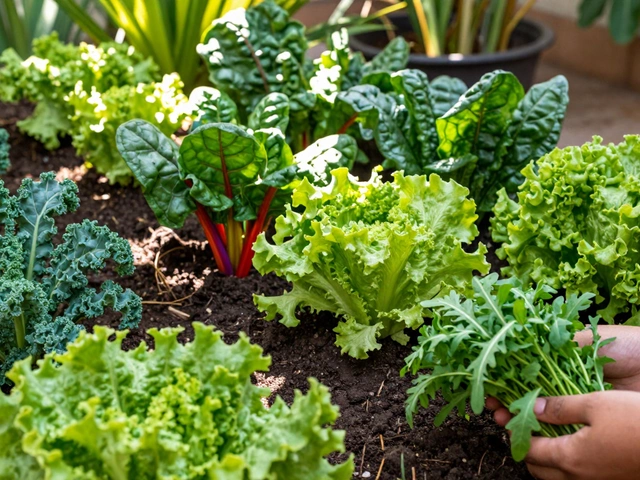
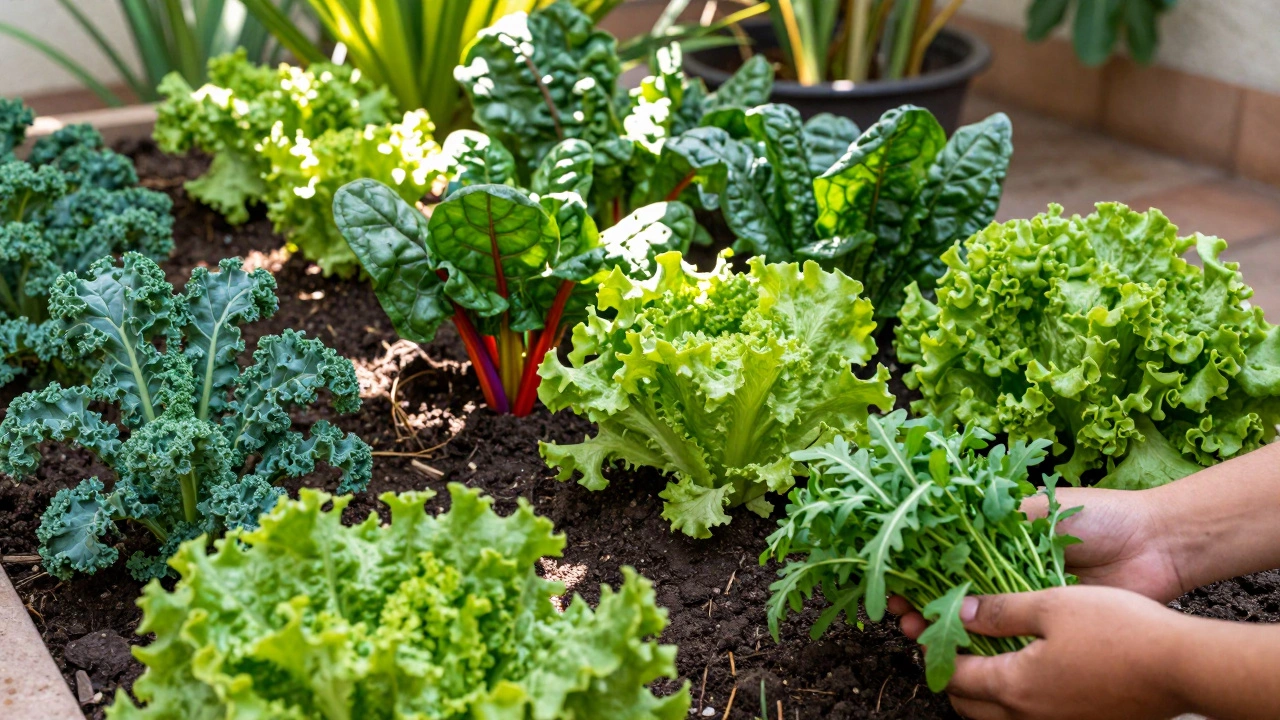
If you are new to gardening or have limited space, leafy greens are your best friends. They grow fast, don’t need deep soil, and you can harvest them continuously. This means you plant once and eat for weeks.
- Lettuce: A cool-season crop that thrives in partial shade. Varieties like Romaine, Butterhead, and Looseleaf offer different textures and flavors.
- Spinach: Rich in iron and nutrients, spinach prefers cooler temperatures and bolts (goes to seed) quickly in heat.
- Kale: Extremely hardy and pest-resistant. Curly kale and Lacinato kale are popular choices that survive light frosts.
- Arugula: Known for its peppery flavor, arugula grows rapidly and is perfect for salads.
- Swiss Chard: Beautiful and nutritious, chard comes in rainbow colors and tolerates warmer weather better than spinach.
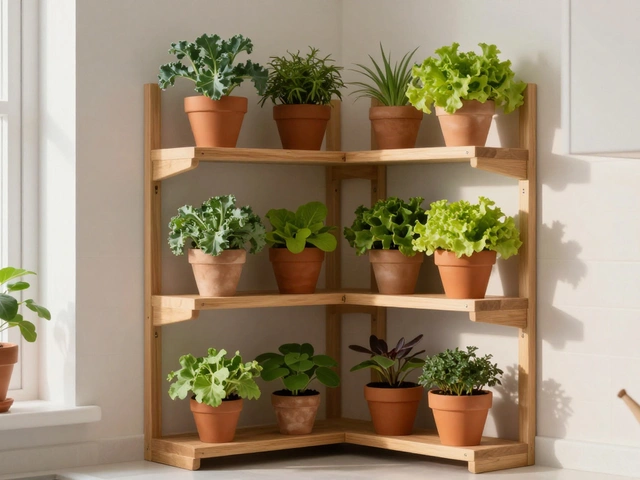
These greens are ideal for container gardening because their root systems are shallow. You can grow them in pots that are only 6-8 inches deep. The key is consistent moisture; if the soil dries out, the leaves turn bitter.
The Fruiting Family: Sun-Lovers That Need Support
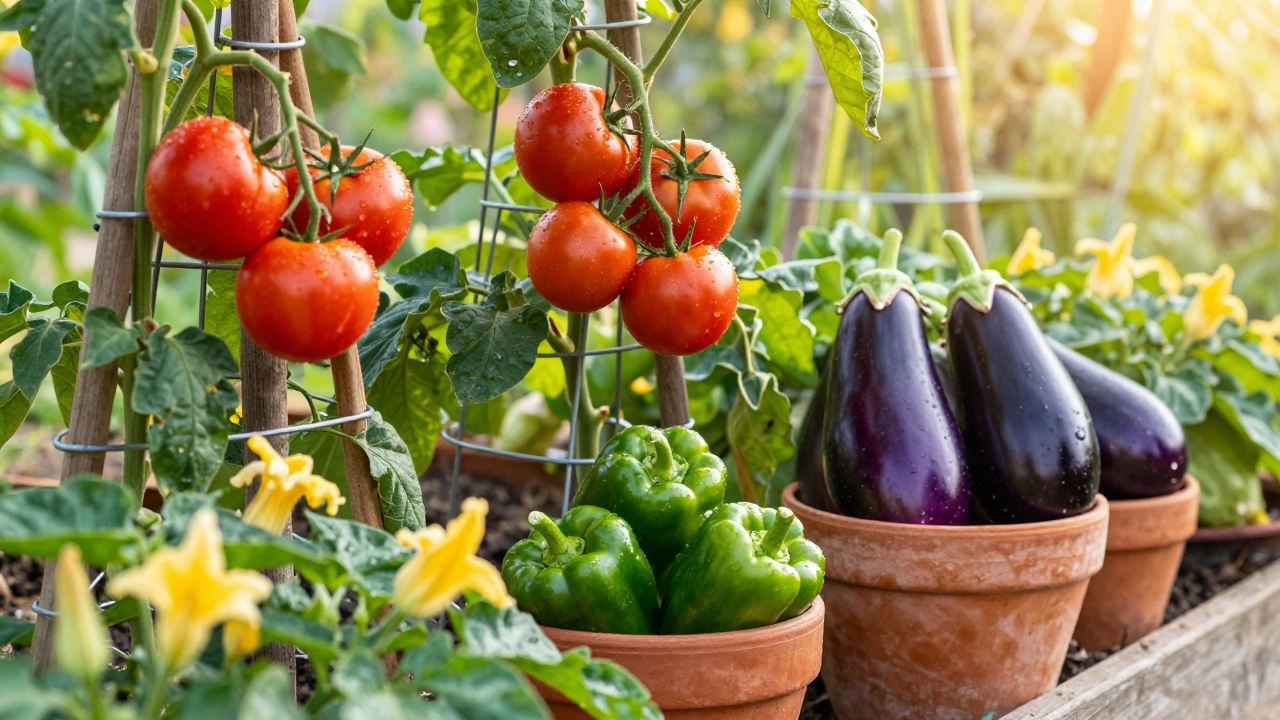
Botanically speaking, these are fruits, but we cook them as vegetables. They require more sun, deeper soil, and often some support structure like cages or trellises. These are the heavy hitters of the garden, providing large harvests if given enough warmth.
| Vegetable | Sunlight Needs | Support Required? | Days to Harvest |
|---|---|---|---|
| Tomatoes | Full Sun (6-8 hours) | Yes (Cages/Stakes) | 60-100 days |
| Peppers | Full Sun (6-8 hours) | No (usually) | 60-90 days |
| Eggplant | Full Sun (6-8 hours) | Yes (Stakes) | 70-90 days |
| Squash/Zucchini | Full Sun (6-8 hours) | No (Bush types) | 45-55 days |
Tomatoes are the kings of the kitchen garden. You have determinate varieties (which fruit all at once) and indeterminate varieties (which keep producing until frost). Peppers range from sweet bell peppers to fiery habaneros, all belonging to the same family. Eggplants love heat and need well-drained soil to prevent root rot. Squash, including zucchini and yellow crookneck, are prolific producers-just two plants can feed a family for summer.
The Root Crew: Underground Treasures
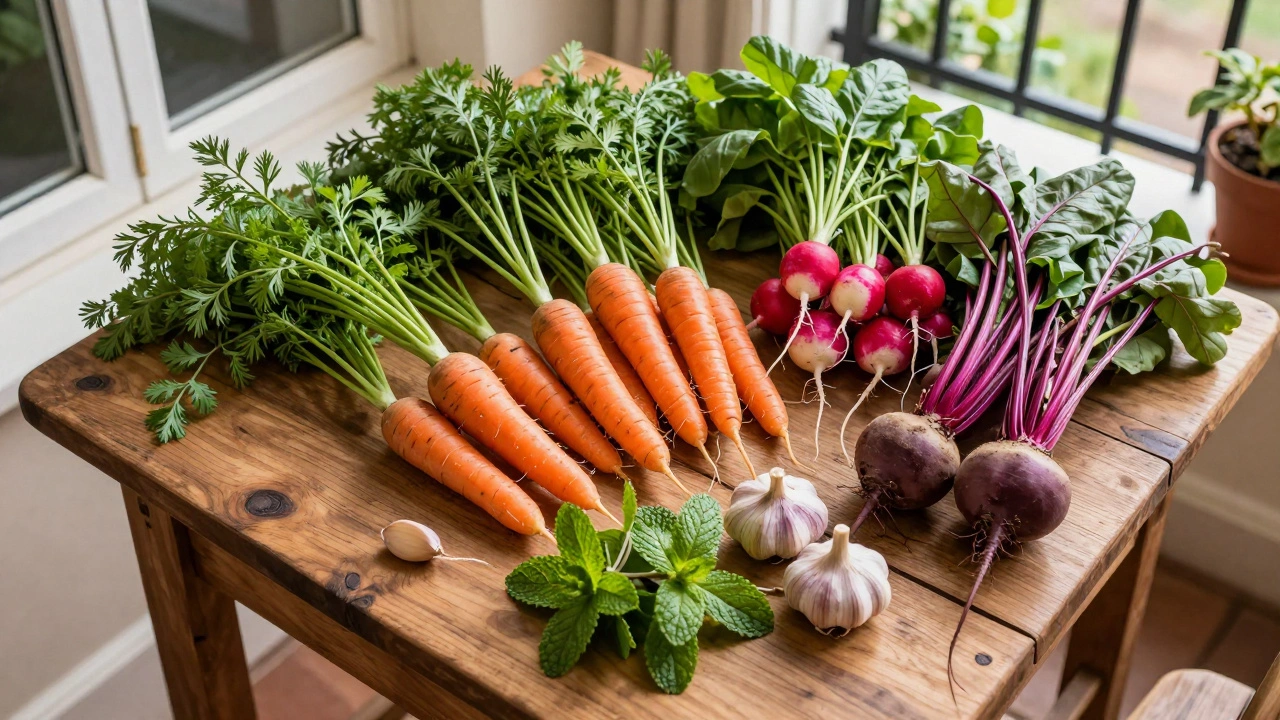
Root vegetables grow below the surface, meaning they need loose, stone-free soil. They are great for using vertical space in your garden bed since the foliage takes up little room above ground. However, they dislike being transplanted, so direct seeding is usually best.
- Carrots: Require deep, sandy soil. Varieties like Nantes and Danvers are reliable for home gardens.
- Radishes: One of the fastest-growing vegetables, ready in as little as 25 days. Great for filling gaps between slower crops.
- Beets: You get both the bulb and the greens. Detroit Dark Red is a classic variety.
- Potatoes: Can be grown in bags or hills. Russet and Yukon Gold are versatile cooking potatoes.
- Onions/Garlic: Long-season crops that store well through winter. Garlic is typically planted in fall for summer harvest.
Carrots can be tricky if your soil is compacted. If you are growing in containers, use raised beds filled with potting mix to ensure the roots can expand freely. Radishes are excellent companion plants; their quick growth helps break up soil for neighboring crops.
The Legume Group: Nitrogen Fixers
Legumes are unique because they improve the soil while they grow. They fix nitrogen from the air into the soil, benefiting nearby plants. This makes them essential for sustainable gardening practices.
- Green Beans: Available in bush (no support needed) and pole (needs trellis) varieties. Bush beans produce quickly; pole beans produce longer.
- Peas: Cool-season crops that thrive in spring and fall. Sugar snap peas and snow peas are eaten whole.
- Cowpeas/Black-Eyed Peas: Heat-loving legumes that are drought-tolerant and great for southern climates.
Pole beans are a space-saver. By training them up a trellis, you maximize vertical space and keep the pods off the damp ground, reducing disease risk. Peas should be planted early in spring before the heat sets in, as warm temperatures cause them to stop producing.
The Allium Family: Flavor Enhancers
You cannot cook without alliums. These pungent plants add depth to almost every dish. They are generally easy to grow and deter many pests due to their strong scent.
- Garlic: Planted in cloves, harvested in late summer. Hardneck varieties have better flavor; softneck varieties store longer.
- Onions: Grown from seeds, sets, or bulbs. Yellow, red, and white onions vary in sweetness and storage life.
- Shallots: Milder than onions, shallots multiply underground, giving you more plants each year.
- Leeks: Slow-growing but rewarding. They require blanching (mounding soil around the stem) to keep the lower part white and tender.
Growing garlic is one of the easiest tasks in the garden. Plant it in the fall, water it occasionally, and let it sit through the winter. In spring, green shoots emerge, and by mid-summer, you harvest large bulbs. Onions require day-length sensitivity; choose short-day, long-day, or day-neutral varieties based on your latitude.
Cucurbits: Vines That Take Over
This family includes melons and squashes. They are vigorous growers that need plenty of space or strong trellising. They are heavy feeders, meaning they require rich, compost-amended soil.
- Zucchini: Prolific producer. Harvest when fruits are small (6-8 inches) for best tenderness.
- Summer Squash: Includes yellow crookneck and pattypan. Similar care to zucchini.
- Winter Squash: Butternut, acorn, and spaghetti squash. These cure in the field and store for months.
- Cucumbers: Slicing, pickling, and burpless varieties. Sensitive to cold; wait until soil is warm before planting.
Cucumbers are incredibly thirsty. Consistent watering prevents bitter flavors and blossom end rot. Winter squash is fantastic for long-term storage; after harvesting, leave them in the sun for a week to harden the skin, then store in a cool, dry place.
Herbs: The Kitchen Garden Staples
While not technically vegetables, herbs are integral to any kitchen garden. They are low-maintenance and provide fresh flavor year-round if grown indoors during winter.
- Basil: Warm-season herb. Pinch off flowers to encourage leaf growth.
- Parsley: Cool-season biennial. Flat-leaf and curly varieties serve different culinary purposes.
- Cilantro: Bolts quickly in heat. Succession planting ensures a continuous supply.
- Mint: Invasive runner. Always grow in containers to prevent it from taking over the garden.
Mint is a powerhouse flavor but a nightmare if planted directly in the ground. Its rhizomes spread aggressively. Keep it potted, and you’ll have fresh garnishes for drinks and dishes all season. Basil loves heat and should be started indoors or bought as transplants after the last frost.
Choosing What to Grow: A Decision Framework
With so many options, how do you decide? Use this simple framework:
- What do you eat? Don’t grow broccoli if you hate it. Start with ingredients you use weekly.
- How much sun do you have? Less than 4 hours? Stick to leafy greens and herbs. More than 6 hours? Add tomatoes, peppers, and squash.
- What is your space? Balcony? Focus on containers with shallow roots (lettuce, radishes, cherry tomatoes). Backyard? Consider larger plants like corn or pumpkins.
- When do you want to harvest? Impatient? Choose radishes and lettuce. Patient? Plant garlic and winter squash.
Start small. It is better to have five thriving tomato plants than fifty struggling ones. As you gain experience, you can expand your variety list.
What are the easiest vegetables for beginners?
The easiest vegetables for beginners are leafy greens like lettuce and spinach, radishes, and bush beans. These crops have short growing seasons, are forgiving of minor mistakes, and don’t require complex support structures. Herbs like basil and parsley are also very beginner-friendly.
Can I grow vegetables in containers?
Yes, most vegetables can be grown in containers. Key factors are pot size and drainage. Leafy greens need 6-8 inch deep pots, while tomatoes and peppers require 5-gallon pots or larger. Ensure the container has drainage holes and use high-quality potting mix, not garden soil.
How many sunlight hours do vegetables need?
Most fruiting vegetables like tomatoes, peppers, and squash need 6-8 hours of direct sunlight daily. Leafy greens and herbs can tolerate partial shade, thriving with 3-4 hours of sun. Insufficient sunlight leads to leggy growth and poor yields.
What vegetables can I grow year-round?
True year-round outdoor growing depends on your climate. In mild climates, kale, spinach, and garlic can survive winter. For colder regions, indoor gardening with grow lights allows year-round production of herbs, lettuce, and microgreens. Cold frames can extend the outdoor season.
Should I buy seeds or transplants?
Buy transplants for slow-starting crops like tomatoes, peppers, and eggplants to save time. Buy seeds for root vegetables (carrots, radishes), legumes (beans, peas), and leafy greens, as these dislike being transplanted. Seeds are also cheaper and offer more variety.