Rice Water Footprint Calculator
How much water does your rice use?
Rice farming is extremely water-intensive. It takes approximately 2,500 liters of water to produce just 1 kilogram of rice. This calculator shows you the water footprint of your rice consumption and connects it to the global water crisis.
Your Water Footprint
Weekly Water Usage:
Annual Water Usage:
Global Context
Global Rice Waste: Over 200 million tons of rice are wasted annually worldwide.
Water Saved: That's equivalent to liters of water wasted.
Reduce Your Impact
Did you know? One-third of all rice produced globally is wasted. Simple changes like cooking only what you need and proper storage can make a big difference.
- Use a rice cooker Saves 30% water
- Leftovers? Store in fridge
- Use cold rice Less water needed
Did you know that more than half the world’s population eats rice every day? It’s not just a side dish-it’s the backbone of daily meals in Asia, Africa, and Latin America. But beyond the plate, rice has a story written in soil, water, and centuries of human effort. Here are five real, surprising facts about rice that go beyond what you see in your bowl.
Rice is the most important food crop for human consumption
While wheat and corn grow over larger areas, rice feeds more people than any other single crop. Around 3.5 billion people rely on rice for more than 20% of their daily calories. In countries like Bangladesh, Cambodia, and Laos, that number jumps to over 50%. The United Nations Food and Agriculture Organization (FAO) reports that over 700 million tons of milled rice were produced globally in 2024. That’s enough to give every person on Earth nearly 90 pounds of rice per year. No other staple comes close in terms of direct human consumption.
Rice grows in water-but not all rice needs flooding
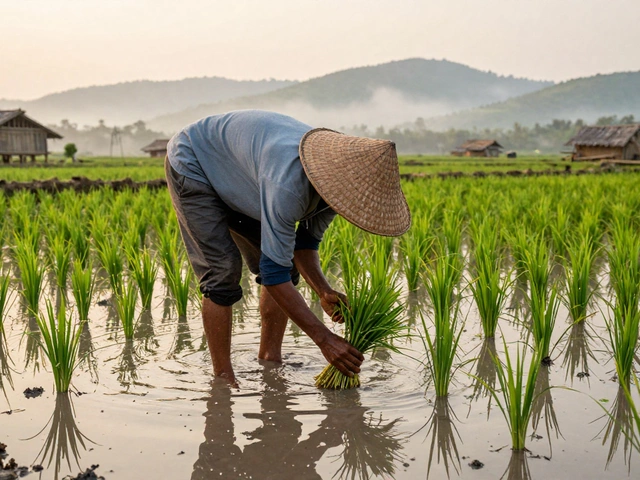
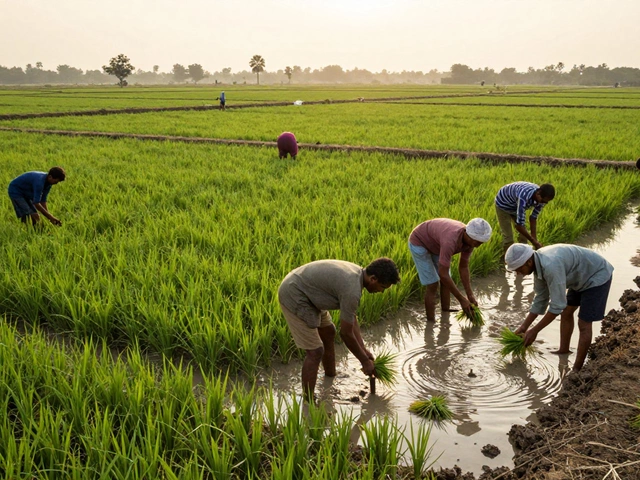
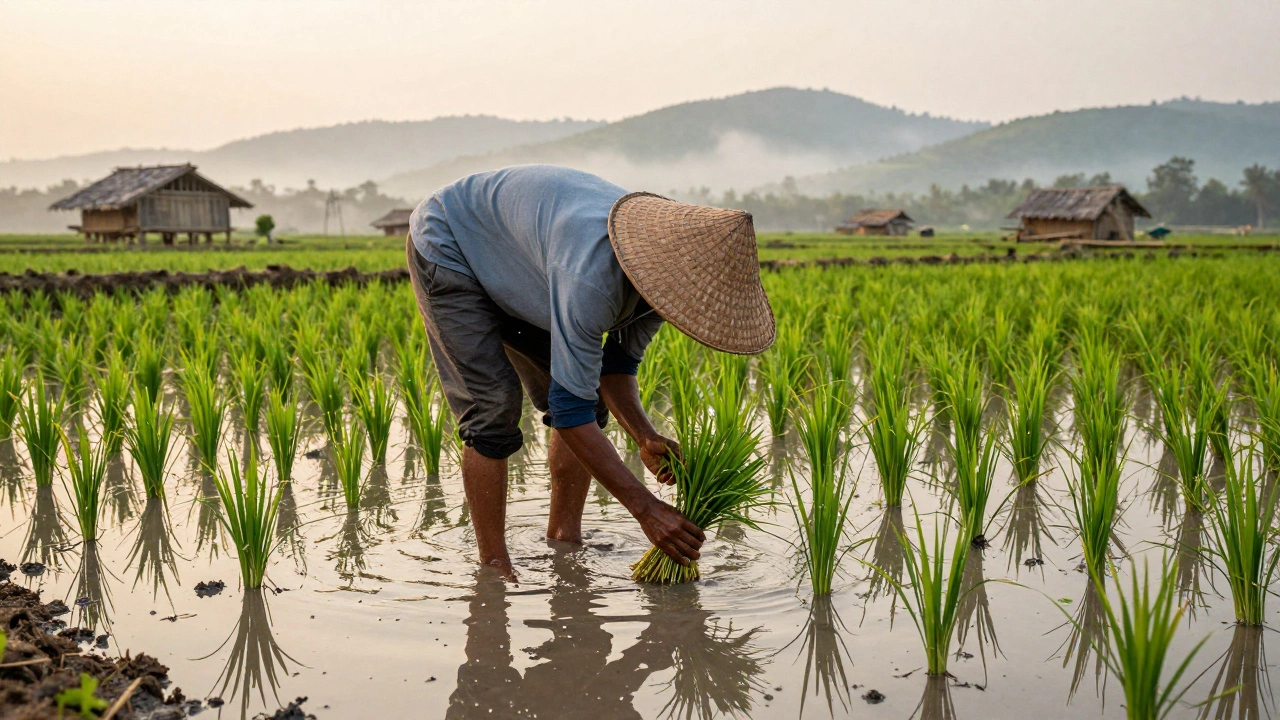
Most people picture rice paddies: flooded fields with farmers bending over in muddy water. That’s traditional lowland rice, which makes up about 75% of global production. But there’s another type-upland rice-that grows on dry land, like wheat or corn. Upland rice is grown in hilly areas across Southeast Asia and parts of Africa, where flooding isn’t possible. It doesn’t need irrigation channels or levees. Instead, it relies on rainfall and hardier root systems. In fact, scientists have developed drought-resistant rice strains that can survive with 30% less water. This isn’t science fiction-it’s already being planted in parts of India and Nigeria to cope with climate change.
There are over 40,000 varieties of rice
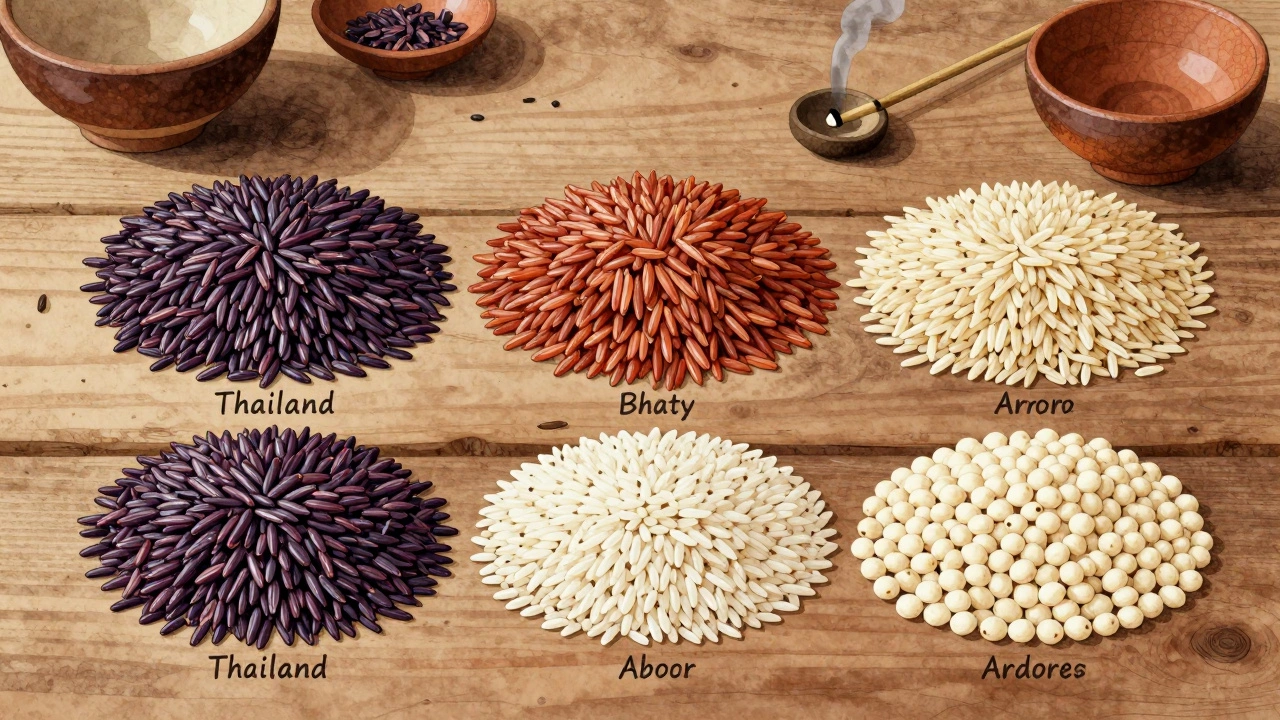
You might think of rice as white or brown, but the truth is far more colorful. From deep purple black rice in Thailand to red rice from Bhutan and sticky glutinous rice used in Japanese mochi, there are more than 40,000 distinct varieties. Each one has been bred over generations for flavor, texture, cooking time, and even aroma. Basmati rice from India and Pakistan has a unique fragrance because of a gene called BADH2. Jasmine rice from Thailand smells like pandan leaves. Then there’s Arborio, the short-grain rice used in Italian risotto, which releases starch slowly to create creaminess. These aren’t just labels-they’re genetic differences shaped by centuries of farmer selection.
Rice farming shaped ancient civilizations
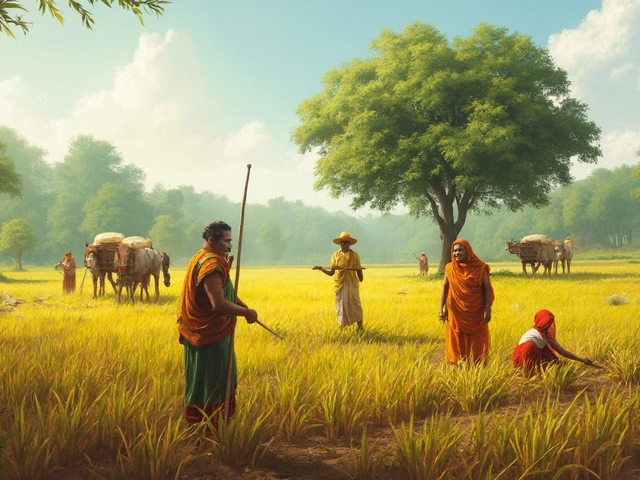
The development of rice cultivation didn’t just feed people-it built empires. Archaeological evidence from China’s Yangtze River Valley shows rice was domesticated over 9,000 years ago. That’s older than the pyramids. The ability to grow rice in wet fields allowed early societies to store surplus food, support larger populations, and develop complex social structures. In ancient China, rice fields required coordinated labor to build irrigation systems, which led to centralized governance. In Southeast Asia, rice calendars dictated religious festivals and seasonal rituals. Even today, in rural Vietnam or Indonesia, planting and harvesting rice still follow lunar cycles passed down for generations.
Rice is more than food-it’s a cultural symbol
In many cultures, rice isn’t just eaten-it’s honored. In Japan, the Emperor performs a ritual planting ceremony each spring. In India, newlyweds throw rice at weddings to symbolize prosperity and fertility. In the Philippines, rice is so sacred that farmers leave the first handful of harvest in the field as an offering to ancestral spirits. Even the way rice is served carries meaning: in Korea, you never stick chopsticks upright in a bowl-it looks like incense sticks at a funeral. These traditions aren’t superstition. They’re reminders of how deeply rice is woven into human identity. When you eat rice, you’re tasting history, not just carbs.
Modern rice farming is changing fast
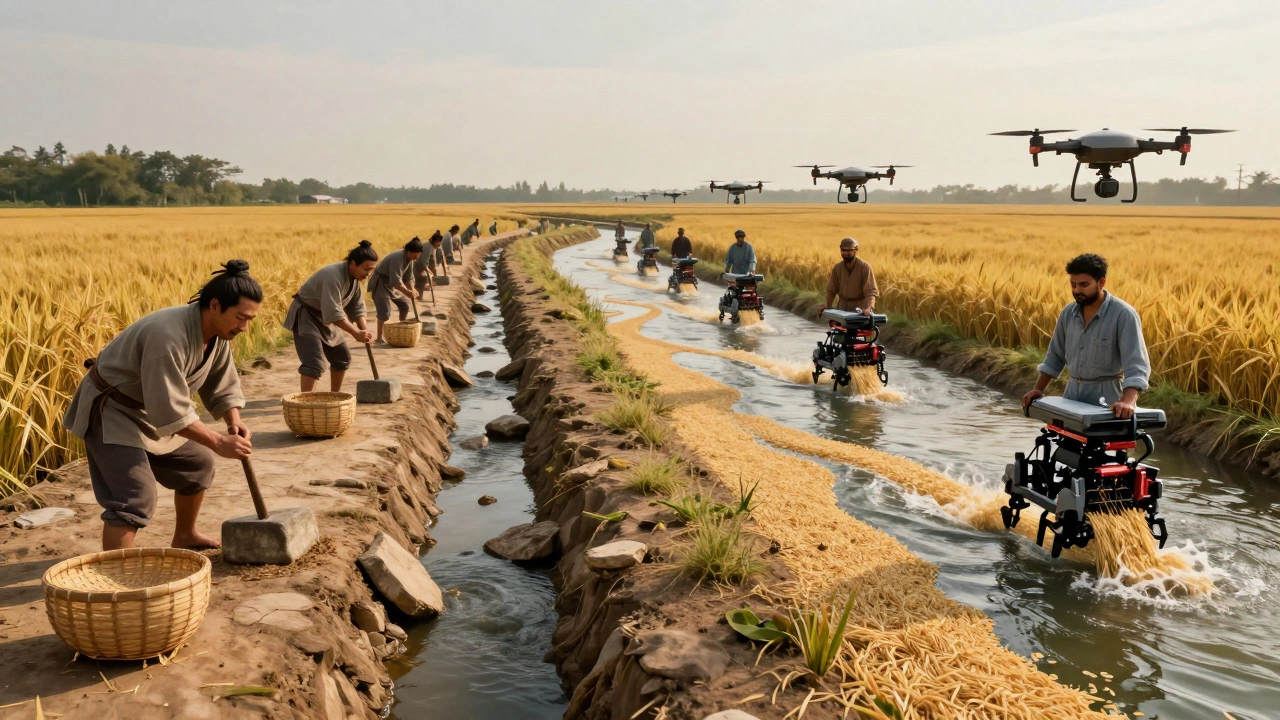
Traditional rice farming is labor-intensive. A single farmer might spend months hand-planting and weeding a small plot. But new technologies are shifting that. In the U.S. and Australia, drones now monitor water levels and nutrient needs. In China, robotic transplanters plant seedlings with GPS precision. Scientists are even developing rice that can grow in saltwater-something once thought impossible. A variety called “Sea Rice 86,” developed in China, can thrive in soil with up to 6% salinity. That’s a game-changer for coastal regions where rising seas are ruining farmland. These innovations aren’t replacing small farmers-they’re helping them survive.
Rice waste is a hidden crisis
One-third of all rice produced globally is lost or wasted. That’s more than 200 million tons a year-enough to feed 800 million people. Most of this waste happens after harvest, in storage and transport. In developing countries, poor drying and pest control cause mold and spoilage. In wealthy nations, restaurants and households throw out perfectly good rice because it’s seen as cheap and plentiful. But rice production uses more freshwater than any other crop. Every grain wasted is also a wasted drop of water, a wasted hour of labor, and a wasted pound of fertilizer. Reducing waste isn’t just smart-it’s essential.