Compost Balance Calculator
Enter the volume of "Browns" (carbon-rich) and "Greens" (nitrogen-rich) materials you are adding to your bin. This tool estimates if your mix is balanced for optimal microbial activity.
Browns Carbon Sources
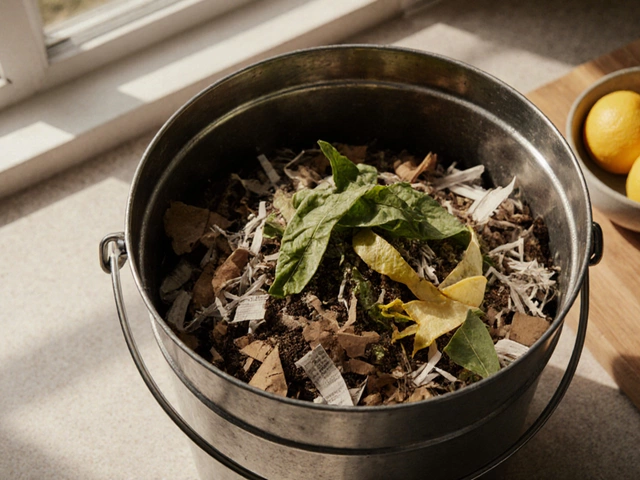
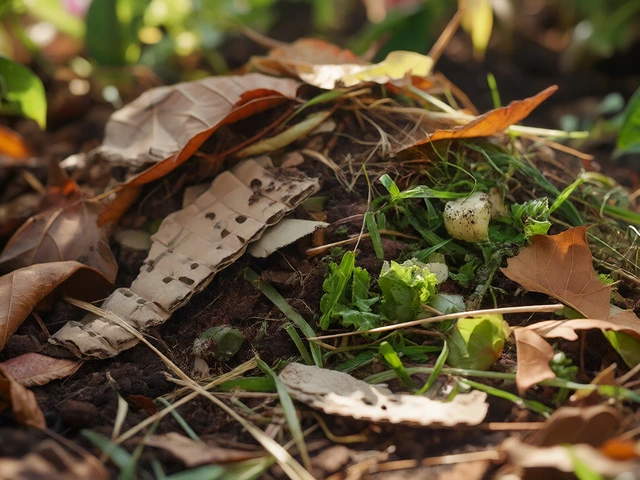
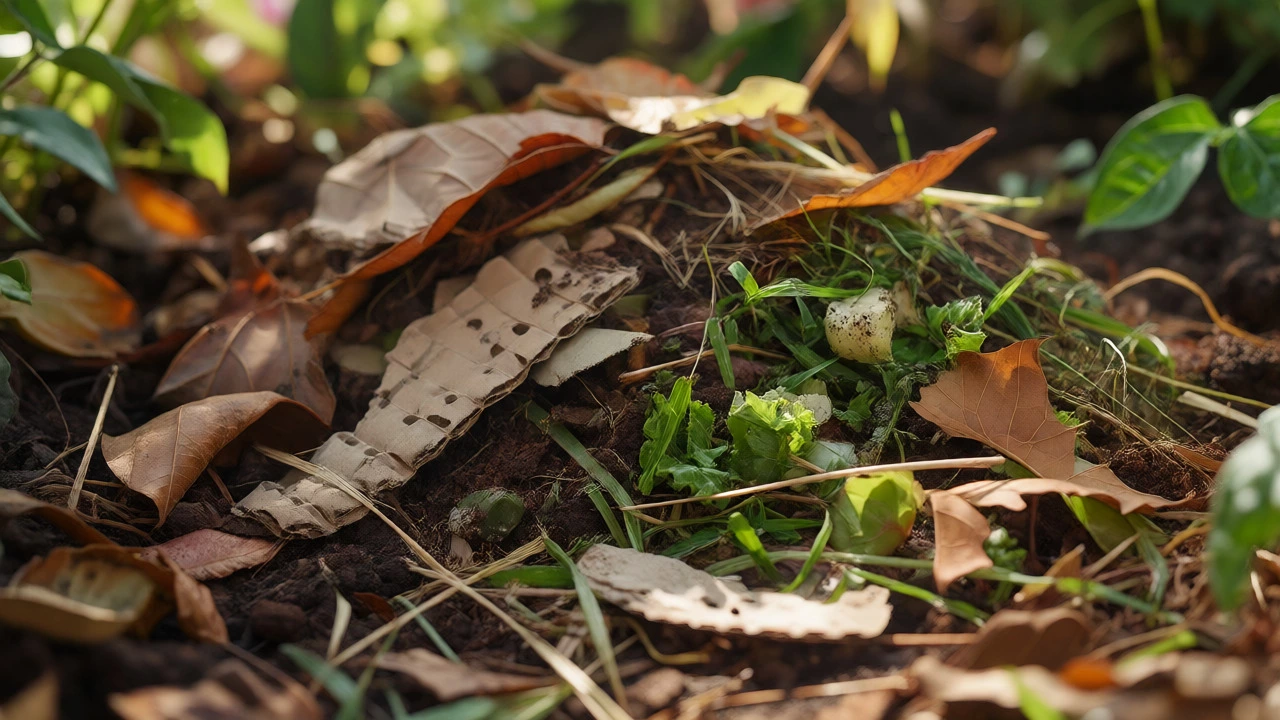
Dry leaves, cardboard, straw, paper
Greens Nitrogen Sources
Fruit scraps, grass clippings, coffee grounds
Recommendations:
Remember, water is the third ingredient! The pile should feel like a wrung-out sponge. If it's dry, add water. If it's dripping wet, add more Browns.
Most people think composting is just about throwing old lettuce leaves and coffee grounds into a bin. But if your pile turns into a slimy, smelly mess or stays unchanged for months, you’re missing the chemistry. Compost isn’t magic; it’s biology. To get rich, dark earth that plants love, you need a specific mix of three things: carbon-rich "browns," nitrogen-rich "greens," and water. Without this balance, the microbes doing the heavy lifting either starve or drown.
Here in Brighton, I’ve seen too many gardeners struggle with piles that refuse to heat up. The fix usually isn’t buying a fancy tumbler; it’s adjusting what goes in. Let’s break down exactly what those three ingredients are, why they matter, and how to keep them in check so you stop guessing and start growing.
The Quick Fix: What You Actually Need
| Ingredient Type | Primary Role | Examples | Target Ratio |
|---|---|---|---|
| Browns (Carbon) | Energy source & structure | Dry leaves, cardboard, straw | ~30 parts |
| Greens (Nitrogen) | Protein for microbes | Fruit scraps, grass clippings | ~1 part |
| Water | Medium for life | Rainwater, tap water | Moist sponge feel |
Browns: The Carbon Backbone
If greens are the fuel, browns are the engine block. Carbon-rich materials, commonly called "browns," provide the energy that bacteria need to survive and multiply. They also create air pockets in your pile, which is critical because the microbes responsible for decomposition are aerobic-they need oxygen to breathe.
You might be thinking, "I don't have a forest." That’s fine. In an urban setting like here in the UK, browns are often hiding in plain sight. Think about the corrugated cardboard box from your last online order. Tear it up. Think about the dry autumn leaves blowing across your street. Collect them. Even shredded newspaper (avoid glossy ads) counts.
- Dry Leaves: Shred them first. Whole leaves mat together and block airflow.
- Cardboard & Paper: Remove tape and staples. Soak briefly if very dry to help absorption.
- Straw or Hay: Great for bulk, but ensure it hasn’t been treated with herbicides.
- Sawdust: Use sparingly. It’s dense and can compact easily. Stick to untreated wood sources.
A common mistake is using only fresh yard waste. If you throw in wet grass clippings without enough browns, you’ll get anaerobic conditions-meaning no oxygen. This leads to smells like rotten eggs. Browns prevent that by keeping the pile fluffy and breathable.
Greens: The Nitrogen Engine
Nitrogen is the protein component. Microbes are made of protein, so to reproduce rapidly and generate heat, they need a steady supply of nitrogen. Nitrogen-rich materials, or "greens," are typically wet, fresh, and decompose quickly. They provide the moisture and nutrients required for microbial metabolism.
Kitchen scraps are the obvious source here, but not all kitchen waste is equal. Fruit peels and vegetable trimmings are excellent. Coffee grounds are surprisingly potent-even though they look brown, they act as a green material due to their high nitrogen content. Grass clippings are another powerhouse, but they must be mixed well. If you dump a thick layer of fresh grass on top of your pile, it forms a solid mat that blocks air, turning your compost heap into a sludge pit.
Here’s what qualifies as a green:
- Fruit & Vegetable Scraps: Peels, cores, and spoiled produce.
- Coffee Grounds & Tea Bags: Ensure tea bags are plastic-free (many contain polypropylene). Check the label or rip open the bag.
- Fresh Grass Clippings: Best when dried slightly before adding.
- Plant Trimmings: Soft stems and flowers from annuals. Avoid diseased plants or weeds with seeds unless your pile gets very hot (above 60°C).
- Eggshells: Technically calcium, not nitrogen, but they add grit that helps worms grind food later in the process. Crush them first.
Water: The Invisible Ingredient
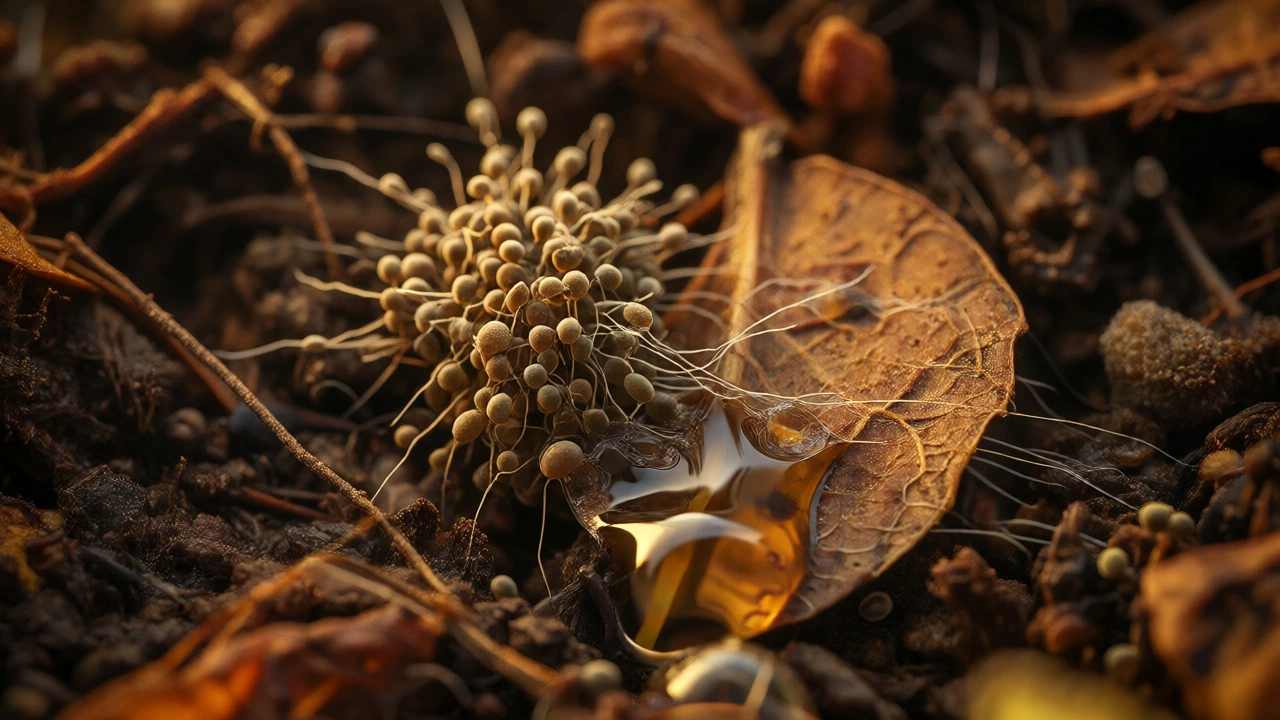
You can have the perfect carbon-to-nitrogen ratio, but if your pile is bone dry, nothing happens. Decomposition is a chemical reaction that takes place in a liquid medium. Water acts as the transport system, allowing microbes to move around and dissolve nutrients so they can absorb them.
The ideal moisture level is often described as "a wrung-out sponge." When you squeeze a handful of compost, a drop or two should appear, but it shouldn’t drip freely. If it’s too dry, the microbes go dormant. If it’s too wet, water fills the air spaces, suffocating the aerobic bacteria and letting anaerobic ones take over (hello, bad smell).
In the UK, rain does most of the work, but during dry spells in late summer, you’ll need to intervene. Here is how to manage moisture:
- Check Regularly: Poke your hand into the center of the pile. Is it warm and damp? Good. Is it dusty? Add water.
- Add Dry Browns if Wet: If the pile feels soggy after heavy rain, mix in extra cardboard or dry leaves to absorb excess fluid.
- Use Rainwater: Tap water is fine, but rainwater is better because it lacks chlorine, which can inhibit some beneficial microbes in small amounts.
The Golden Rule: Balancing the Ratio
This is where most beginners get stuck. You’ve heard about the "carbon-to-nitrogen ratio" (C:N). Ideally, you want a ratio of roughly 30:1. That means for every 30 parts of carbon, you need 1 part of nitrogen. Don’t panic-you don’t need a lab scale. Just use volume.
A practical rule of thumb for home composters is to aim for two to three buckets of browns for every one bucket of greens. Greens are denser and heavier, while browns are bulky and light. By volume, this balances out the chemical weight.
Why does this matter? If you have too much nitrogen (too many greens), the excess nitrogen escapes as ammonia gas, causing a pungent smell. If you have too much carbon (too many browns), the microbes lack protein to build new cells, and decomposition slows to a crawl. Your pile will sit there looking exactly like it did six months ago.
Troubleshooting Your Pile
Once you understand these three ingredients, fixing problems becomes intuitive. Instead of guessing, look at the symptoms.
My compost smells like rotten eggs. What do I do?
This usually means the pile is too wet and lacks oxygen (anaerobic). You likely have too many greens or not enough browns. Mix in plenty of dry, coarse browns like shredded cardboard or straw to introduce air and absorb moisture. Turn the pile thoroughly to reintroduce oxygen.
My compost isn't heating up or breaking down. Why?
It’s probably too dry or lacking nitrogen. Test the moisture: if it’s dust-like, water it. If it’s damp but cold, add more greens (coffee grounds, fresh grass, or manure) to feed the microbes. Turning the pile also helps redistribute heat and moisture.
Can I put cooked food scraps in my compost?
Yes, but with caution. Cooked vegetables are fine. Meat, dairy, and oily foods can attract pests like rats and flies, especially in smaller bins. If you have a sealed hot compost system, you can handle these, but for standard open heaps, stick to raw fruit and veggie scraps to avoid odor and pest issues.
Do I need to buy a compost activator?
Rarely. Activators are usually just concentrated nitrogen sources like blood meal or commercial blends. If you follow the brown/green/water balance correctly, your own pile has enough natural microbes and nutrients. Save your money and use free resources like used coffee grounds from local cafes instead.
How long does it take to make finished compost?
With active management (turning weekly, correct ratios), you can have usable compost in 3 to 6 months. Passive piles, where you just add waste and wait, can take 1 to 2 years. Heat is the accelerator; keeping the pile moist and aerated speeds up the biological breakdown significantly.
Final Thoughts on Building Better Soil
Composting isn’t about perfection; it’s about participation. You don’t need to measure every leaf. Start by separating your wet kitchen waste from your dry paper products. Keep a bag of shredded cardboard next to your bin. Every time you add a handful of apple cores, toss in a few pieces of torn paper. Add water if it looks dry. That’s it.
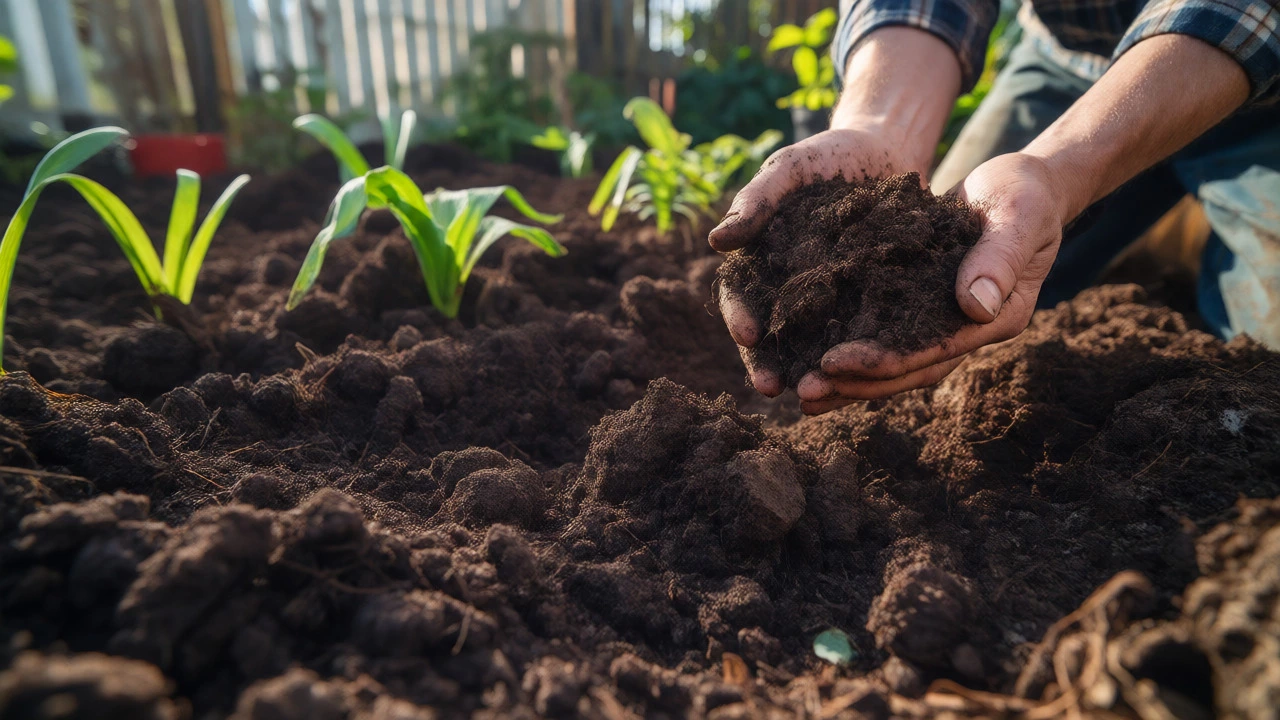
Over time, you’ll notice the difference. The pile will stay warm in winter. It won’t smell. And when you dig into your garden beds next spring, that dark, crumbly texture will speak for itself. Stop fighting nature and give the microbes the three things they ask for: food, shelter, and hydration.