Sprinkler Zone Design Calculator
Zone Configuration
Recommended Setup
Enter your zone details to generate a layout recommendation.
Performance Check
💡 Pro Tip:
Ensure overlap between heads to avoid dry spots.
Watering your garden by hand with a hose feels personal, but it’s inefficient. You stand there for hours, and half the water evaporates or runs off before it soaks in. That’s where an automated sprinkler irrigation system changes the game. It delivers water evenly across large areas, saving you time and ensuring your plants get exactly what they need without waste.
How a Sprinkler Irrigation System Works
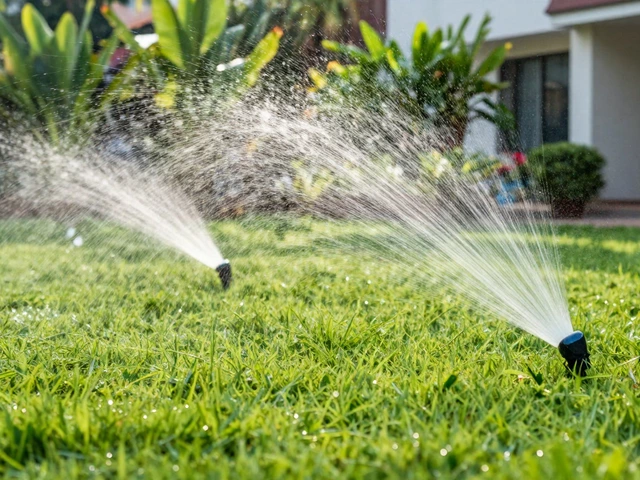
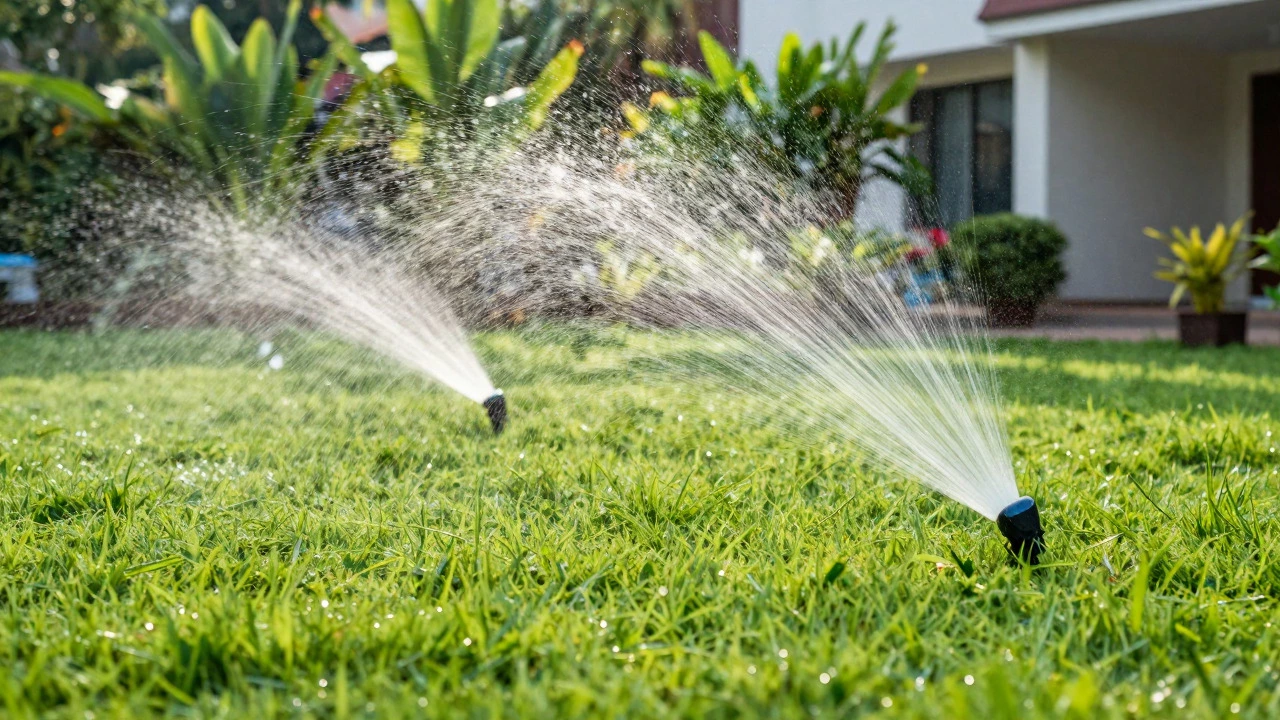
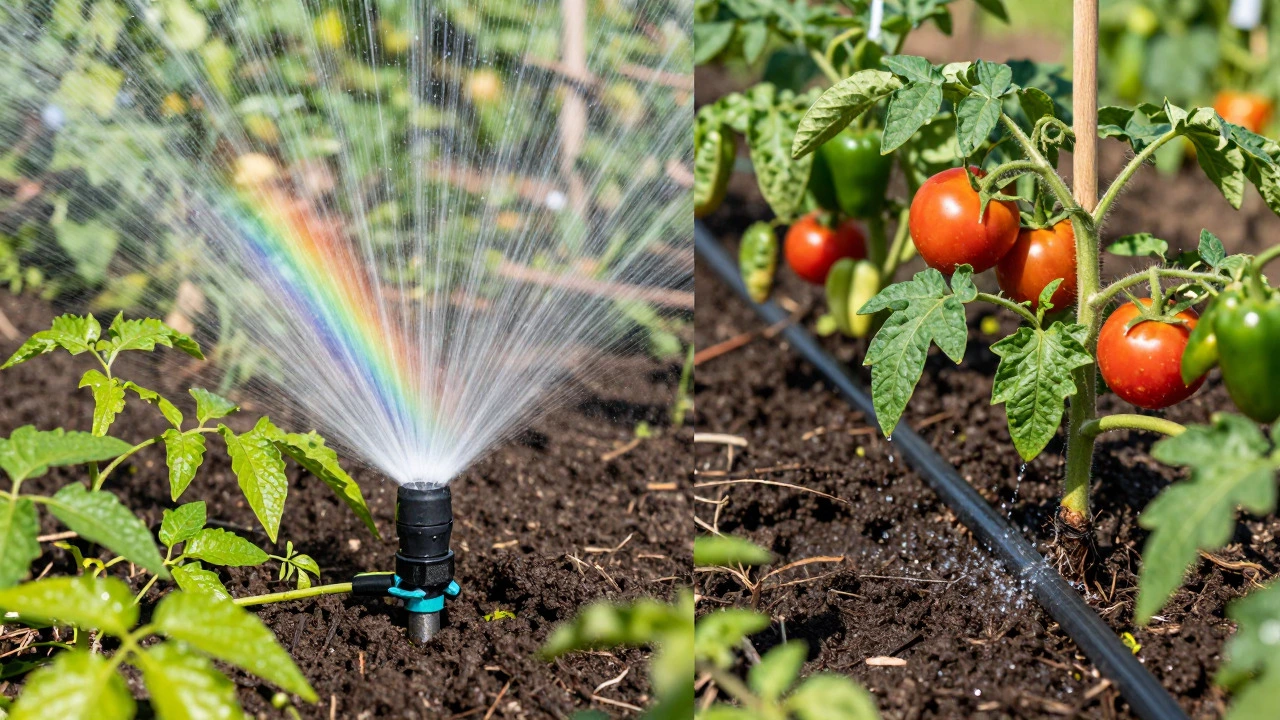
A sprinkler irrigation system is a method of applying water to crops or lawns by spraying it into the air, where it breaks up into small droplets that fall to the ground like rain. Unlike drip irrigation, which delivers water directly to the root zone through emitters, sprinklers cover a wide area above the soil surface. This makes them ideal for lawns, open fields, and certain types of vegetable gardens where uniform coverage is critical.
The basic mechanism involves three main components: a water source, a network of pipes, and sprinkler heads. Water is pumped from a well, municipal supply, or storage tank through mainlines and laterals. At the end of these lines, sprinkler heads rotate or spray water outward. The pressure determines how far and how high the water travels. Most residential systems operate between 30 and 50 PSI (pounds per square inch), while agricultural systems may require higher pressures to cover larger distances.
There are different types of sprinkler heads depending on the application. Impact sprinklers use a rotating arm that hits a target to create a rhythmic clicking sound as it sprays water in circles. Rotary nozzles offer smoother rotation and quieter operation, making them better for residential lawns. Spray heads cover smaller areas with a fixed pattern, often used in flower beds or tight spaces. Understanding these differences helps you choose the right setup for your specific landscape needs.
Types of Sprinkler Systems for Different Needs
Not all sprinkler systems are created equal. Your choice depends on the size of your area, budget, and whether you’re managing a home garden or a commercial farm. Here’s a breakdown of the most common configurations:
- In-Ground Automatic Systems: These are installed underground with pop-up heads that rise when water flows and retract afterward. They’re invisible when not in use, protecting them from damage and keeping your yard looking neat. Ideal for lawns and established landscapes.
- Above-Ground Temporary Systems: Portable sprinklers connected to hoses or quick-connect fittings. Great for seasonal use, small gardens, or renters who can’t install permanent fixtures. Examples include oscillating sprinklers for rectangular areas and impact sprinklers for circular zones.
- Central Pivot Systems: Used primarily in agriculture, these long arms rotate around a central point, covering vast fields efficiently. They’re expensive to install but highly effective for large-scale crop production.
- Lateral Move Systems: Similar to pivot systems but move linearly rather than rotating. Common in row-crop farming where precise alignment with planting rows is necessary.
For most homeowners, an in-ground automatic system offers the best balance of convenience and aesthetics. However, if you’re working with a limited budget or renting property, above-ground options provide flexibility without major installation costs.
Sprinkler vs. Drip Irrigation: Which Is Better?
This is one of the most debated topics in gardening. Both methods have their place, but they serve different purposes. Let’s compare them head-to-head based on efficiency, cost, and suitability.
| Feature | Sprinkler Irrigation | Drip Irrigation |
|---|---|---|
| Water Efficiency | Moderate (60-80% due to evaporation) | High (90-95% direct delivery) |
| Best For | Lawns, large open areas, turf grasses | Vegetable beds, trees, shrubs, containers |
| Installation Cost | Higher for in-ground systems | Lower initial cost, scalable |
| Maintenance | Head cleaning, nozzle replacement | Emitter clogging checks, filter maintenance |
| Wind Sensitivity | High (water drifts away) | Low (ground-level delivery) |
| Disease Risk | Higher (wet foliage promotes mold) | Lower (dry leaves reduce pathogens) |
If you have a lush green lawn, sprinklers are unmatched for even coverage. But if you’re growing tomatoes, peppers, or roses, drip irrigation keeps foliage dry and reduces fungal diseases like powdery mildew. Many successful gardens combine both: sprinklers for the lawn and drip lines for planters and beds.
Key Components of a Sprinkler System
To build or maintain a reliable sprinkler system, you need to understand its core parts. Each component plays a vital role in delivering consistent performance.
- Backflow Preventer: Protects your drinking water supply from contamination by preventing dirty water from flowing backward into the mains. Required by code in many regions.
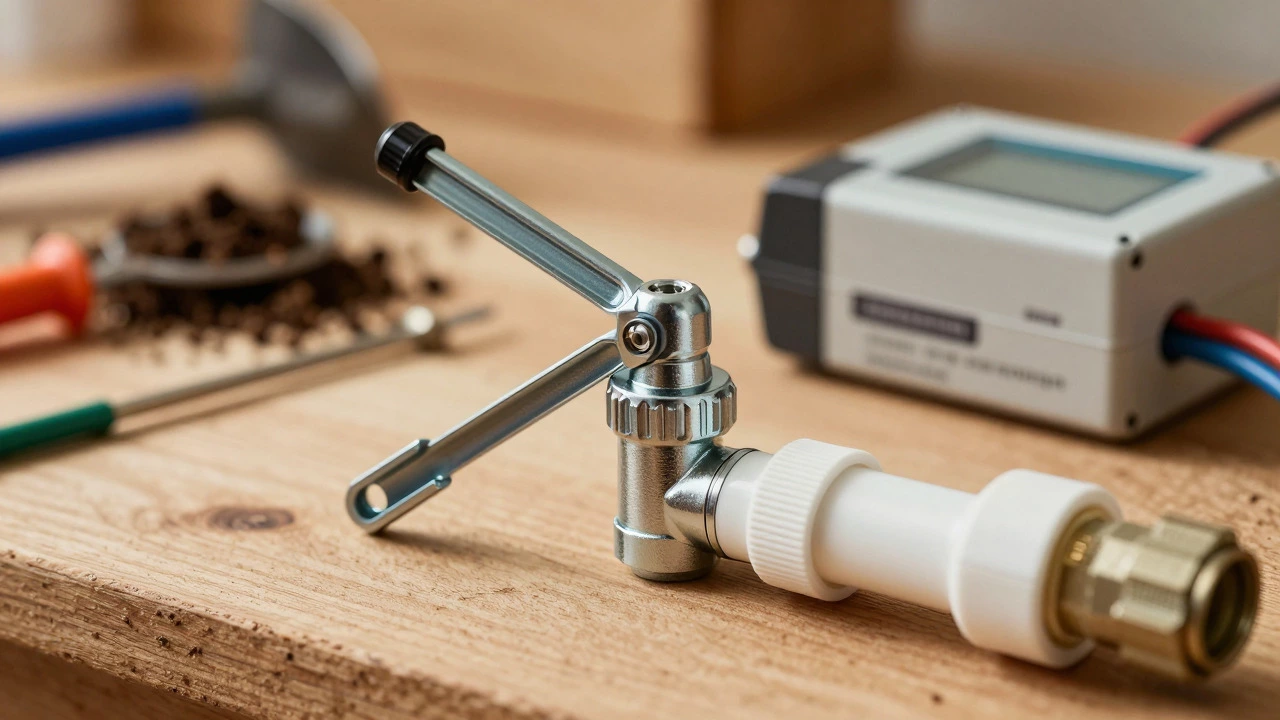
- Valves: Control water flow to different zones. Solenoid valves open and close automatically via a controller, allowing you to program schedules for each section.
- Pipes: Typically made of PVC or polyethylene. PVC is rigid and durable for underground mains, while poly tubing is flexible and easier to work with for lateral lines.
- Sprinkler Heads: The visible part that distributes water. Choose heads matched to your zone’s shape-full circle for round areas, half-circle for borders along sidewalks.
- Controller/Timer: The brain of the system. Modern smart controllers connect to Wi-Fi and adjust watering based on local weather data, helping you save water during rainy periods.
Investing in quality components upfront saves money down the road. Cheap valves fail faster, and mismatched sprinkler heads lead to uneven watering, causing brown patches or soggy spots.
Designing Your Own Sprinkler Layout
Before digging any holes, sketch a map of your yard. Divide it into zones based on sun exposure, plant type, and water needs. Group similar plants together so they receive appropriate amounts of moisture. Avoid mixing thirsty vegetables with drought-tolerant succulents in the same zone.
Next, calculate the required flow rate. Check your home’s static pressure using a gauge available at hardware stores. If pressure drops below 30 PSI, consider installing a booster pump. Then, determine how many sprinkler heads fit within each zone without overloading the pipe capacity. Overloading causes low pressure, resulting in poor coverage.
Place sprinkler heads strategically. For example, position full-circle heads in the center of open spaces, and use quarter-circle heads near corners. Ensure overlap between adjacent heads to eliminate dry strips. A general rule is to space heads so their spray patterns intersect slightly, creating uniform distribution.
Don’t forget drainage. Slope pipes slightly toward cleanouts or drain valves to prevent freezing in cold climates. In warmer regions, focus on avoiding puddles that attract mosquitoes or erode soil.
Common Mistakes to Avoid
Even experienced gardeners make errors when setting up sprinkler systems. Learning from others’ mistakes can save you frustration and wasted resources.
- Ignoring Soil Type: Sandy soils absorb water quickly, requiring shorter, more frequent cycles. Clay soils hold water longer, needing less frequent but deeper watering. Adjust your schedule accordingly.
- Overwatering: Running sprinklers too long leads to runoff and nutrient leaching. Use the "can test"-place empty cans around your yard, run the system for 15 minutes, then measure water collected. Aim for 0.5 inches per session.
- Neglecting Maintenance: Clogged nozzles reduce output by up to 50%. Clean filters monthly and inspect heads seasonally. Trim vegetation that blocks spray paths.
- Using Wrong Nozzle Size: Mismatched nozzles cause overspray onto driveways or houses. Match nozzle precipitation rates to ensure balanced coverage across the zone.
Regular audits keep your system running smoothly. Walk your property during operation to spot misting, geysers, or missed spots. Fix issues immediately to prevent long-term damage.
Smart Technology Integration
Modern sprinkler systems aren’t just about plumbing-they’re increasingly integrated with technology. Smart controllers like Rachio, Orbit B-hyve, or Rain Bird ESP-Trak use real-time weather data to optimize watering schedules. They pause irrigation during rain events and adjust run times based on temperature and humidity.
Some advanced setups include soil moisture sensors buried in key areas. These devices detect actual wetness levels and signal the controller to skip cycles if the ground is already saturated. This level of precision minimizes waste and extends equipment life.
Mobile apps allow remote control, letting you turn off forgotten cycles or modify settings while away from home. Security features notify you of leaks or malfunctions, giving peace of mind whether you’re vacationing or simply busy at work.
Environmental Impact and Water Conservation
With growing concerns about water scarcity, choosing an efficient irrigation system matters. Traditional sprinklers lose significant water to evaporation and wind drift. Upgrading to high-efficiency rotary nozzles or adding rain sensors can cut usage by 20-30%.
Municipalities often offer rebates for installing smart controllers or converting to water-wise landscaping. Check local programs to offset installation costs. Pairing efficient irrigation with native plants creates a sustainable ecosystem that thrives with minimal intervention.
Remember, every gallon saved contributes to broader conservation efforts. By optimizing your sprinkler system, you’re not just caring for your garden-you’re supporting environmental stewardship.
Is a sprinkler irrigation system better than drip irrigation?
It depends on your application. Sprinklers excel at covering large, open areas like lawns uniformly. Drip irrigation is superior for targeted delivery to individual plants, reducing waste and disease risk. Combine both for optimal results in mixed landscapes.
How much does it cost to install a sprinkler system?
Cost varies widely. Above-ground temporary systems range from $50-$200. In-ground residential installations typically cost $2,000-$5,000 depending on yard size and complexity. Agricultural systems exceed $10,000. Get multiple quotes and verify contractor licenses.
Can I install a sprinkler system myself?
Yes, DIY kits are available for small yards. Basic skills in trenching, pipe fitting, and electrical wiring suffice. Larger projects benefit from professional help to ensure proper zoning, pressure management, and compliance with local codes.
How often should I water my lawn with a sprinkler?
Most lawns need 1-1.5 inches of water weekly, including rainfall. Split this into two or three sessions to encourage deep root growth. Morning watering (6-10 AM) reduces evaporation loss compared to evening or midday applications.
Do sprinklers increase the risk of plant diseases?
Yes, wet foliage fosters fungal growth such as black spot on roses or blight on tomatoes. To mitigate this, water early morning so leaves dry quickly. Alternatively, switch to drip irrigation for susceptible plants.
What happens if I don’t winterize my sprinkler system?
Frozen water expands inside pipes, causing cracks or bursts. Winterizing involves blowing out residual water with compressed air. Neglecting this step leads to costly repairs in spring. Consult a pro if unsure about procedures.
Are smart sprinkler controllers worth the investment?
Absolutely. Smart controllers adapt to changing weather conditions, potentially saving 20-50% on water bills. With rising utility rates and eco-conscious goals, the payback period is usually under two years. Plus, convenience factors heavily favor automation.