Kale Garden Planner & Nutrition Calculator
Your Profile
Your Personalized Plan
Enter your details and click calculate to see your nutritional targets and garden requirements.
Walk into any health food store or scroll through social media, and you’ll see a different "superfood" crowned as the king of nutrition every few months. One week it’s chia seeds; the next, it’s spirulina. But if you ask nutritionists, dietitians, and agricultural experts what truly holds the title of the #1 healthiest food, the answer often surprises people. It isn’t an exotic berry from the Amazon or a rare root from Asia. It’s likely sitting in your local grocery store aisle, or better yet, growing in your own backyard.
The consensus among health professionals points to leafy greens, specifically dark green varieties like kale, spinach, and collard greens. Among these, kale frequently takes the top spot due to its unparalleled nutrient density. But why does this humble cabbage relative beat out more glamorous options? And how can you grow it yourself to ensure maximum freshness and flavor?
Why Kale Takes the Crown
To understand why kale is considered the healthiest food, we have to look at nutrient density. This term refers to the amount of vitamins, minerals, antioxidants, and phytochemicals present in a food relative to its calorie count. Most superfoods are high in nutrients but also come with caveats-some are hard to digest, others are expensive, and many lose their potency quickly after harvest.
Kale, scientifically known as Brassica oleracea var. sabellica, is a leafy green vegetable that belongs to the same family as broccoli and cauliflower. It packs a massive nutritional punch for very few calories. A single cup of raw kale contains over 200% of your daily recommended intake of Vitamin K, which is crucial for bone health and blood clotting. It also provides significant amounts of Vitamin C, Vitamin A, and manganese.
Unlike many other fruits and vegetables, kale retains its nutrients well even when cooked lightly, though eating it raw preserves the most enzymes. Its fiber content aids digestion, while compounds like sulforaphane offer potent anti-inflammatory and antioxidant benefits. These properties help protect cells from damage and may reduce the risk of chronic diseases, including heart disease and certain cancers.
The Problem with Store-Bought Greens
If kale is so healthy, why doesn’t everyone eat it? The main issue is taste and texture. Store-bought kale can be bitter, tough, and fibrous. This happens because produce often sits on shelves or in transit for days before reaching your plate. During this time, nutrients degrade, and the plant’s natural sugars break down, leaving behind harsh flavors.
Furthermore, conventional farming practices sometimes result in lower nutrient profiles compared to organically grown counterparts. Pesticide residues can also be a concern, although washing helps. For those looking to maximize the health benefits of the world’s healthiest food, buying pre-packaged bags of greens is rarely the best option. The secret lies in freshness. The shorter the time between harvest and consumption, the higher the nutrient retention and the better the taste.
Growing Your Own Superfood
This is where gardening comes into play. Growing your own kale transforms it from a chore to eat into a delicacy. Homegrown kale is tender, sweet, and incredibly vibrant. Plus, you control exactly what goes into the soil, ensuring no unwanted chemicals end up on your plate.
Kale is remarkably easy to grow, making it perfect for beginners. It’s a cool-season crop, meaning it thrives in spring and fall. In fact, light frost actually improves the flavor by converting starches into sugars, making the leaves sweeter. Here is how you can start growing your own supply of the healthiest food on earth.
Choosing the Right Variety
Not all kale is created equal. When selecting seeds or seedlings, consider the following popular varieties:
- Lacinato (Dinosaur) Kale: Known for its long, bumpy blue-green leaves. It has a milder flavor and softer texture than curly kale, making it excellent for salads.
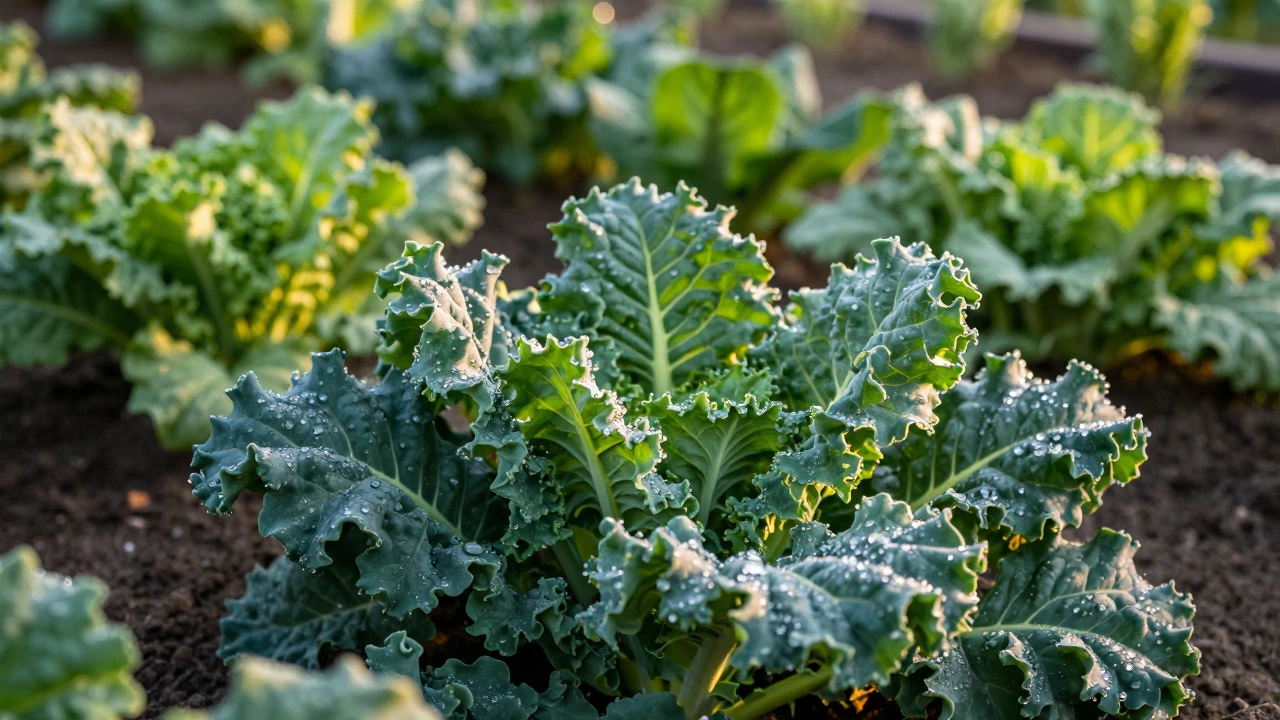
- Curly Kale: The classic supermarket variety. It’s tougher and more bitter but works beautifully when massaged with oil or cooked down.
- Red Russian Kale: Flat leaves with purple veins. It’s very tender and has a nutty flavor, ideal for quick cooking or raw eating.
Soil and Planting Requirements
Kale grows best in well-draining soil rich in organic matter. Aim for a pH level between 6.0 and 7.5. Before planting, mix compost or aged manure into the soil to provide steady nutrients. Since kale is a heavy feeder, it will benefit from regular side-dressing with nitrogen-rich fertilizers during the growing season.
Plant seeds directly in the garden about two weeks before your last expected frost date, or start them indoors four to six weeks prior. Space plants 12 to 18 inches apart to allow for air circulation, which helps prevent fungal diseases. If you’re gardening in containers, ensure pots are at least 12 inches deep and have drainage holes.
Care and Maintenance
Watering is key. Kale needs consistent moisture, especially during hot weather. Drought stress can make leaves tough and bitter. Mulching around the base of the plants helps retain soil moisture and suppress weeds. Keep an eye out for pests like aphids, cabbage worms, and flea beetles. Row covers are an effective physical barrier against larger pests, while insecticidal soap can manage smaller infestations.
Harvesting for Maximum Nutrition
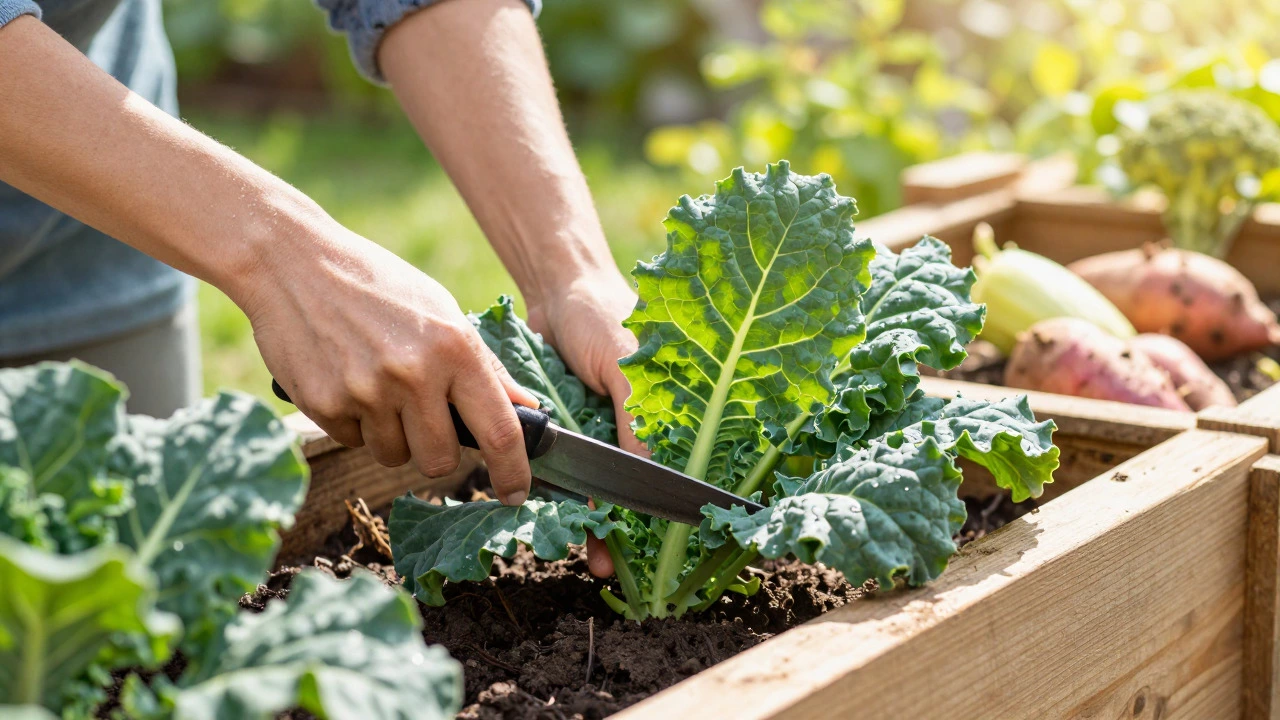
The beauty of growing kale is that it’s a cut-and-come-again crop. You don’t need to pull the whole plant out. Instead, harvest the outer leaves first, allowing the center to continue growing. Start harvesting when leaves are about 6 to 8 inches long. This method encourages continuous production throughout the season.
For the highest nutrient content, harvest in the morning after the dew has dried but before the sun gets too hot. Use sharp scissors or a knife to cut the stem close to the base. Eat the leaves within 24 hours of harvesting for peak freshness and flavor. If you must store them, keep them in a plastic bag in the refrigerator crisper drawer, but try to use them within a few days.
Beyond Kale: Other Powerhouse Vegetables
While kale often wins the title of the healthiest food, a diverse diet is essential for optimal health. Relying on just one vegetable means missing out on other vital nutrients. Consider rotating kale with other nutrient-dense crops that are also easy to grow at home.
| Vegetable | Key Nutrients | Health Benefits | Growing Difficulty |
|---|---|---|---|
| Kale | Vitamin K, A, C, Manganese | Bone health, immunity, inflammation reduction | Easy |
| Spinach | Iron, Folate, Magnesium | Blood health, energy metabolism | Easy |
| Broccoli | Sulforaphane, Vitamin C, Fiber | Cancer prevention, digestive health | Moderate |
| Sweet Potato | Beta-carotene, Potassium | Vision health, immune support | Moderate |
| Garlic | Allicin, Manganese | Heart health, antimicrobial properties | Easy |
Spinach is another leafy green that rivals kale in nutrient density, particularly in iron and folate. Broccoli offers unique cancer-fighting compounds. Sweet potatoes provide sustained energy and vision-supporting beta-carotene. By growing a variety of these vegetables, you create a personal superfood garden that supports overall wellness.
Preparing and Eating Kale
Even the freshest kale can be intimidating if you don’t know how to prepare it. The bitterness and toughness are common complaints, but simple techniques can transform it into a delicious meal.
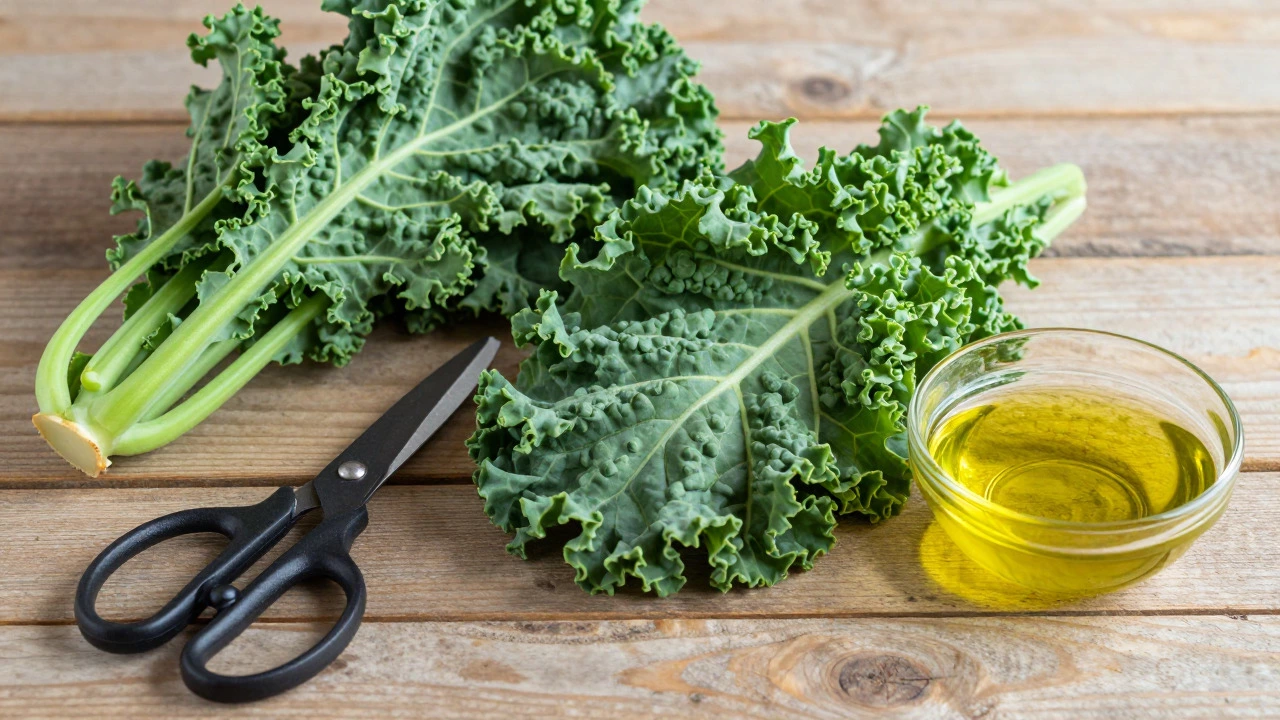
Massaging: For raw salads, massage the chopped leaves with a little olive oil, lemon juice, or salt. This breaks down the fibrous cell walls, making the leaves tender and easier to digest. It also mellows the bitter flavor.
Cooking Methods: Sautéing kale with garlic and onions brings out its natural sweetness. Steaming preserves more nutrients than boiling. Roasting kale leaves until crispy makes a healthy snack alternative to chips. Adding kale to soups, stews, and smoothies is another effortless way to incorporate it into your daily diet.
The Environmental Impact
Eating locally grown, seasonal produce like kale also benefits the planet. Transporting food across continents contributes significantly to carbon emissions. By growing your own vegetables, you reduce your food miles to zero. Additionally, home gardening promotes biodiversity and reduces reliance on industrial agriculture, which often involves heavy pesticide use and monoculture practices.
Kale is also a resilient crop. It requires less water than many other vegetables and can thrive in poor soil conditions. This makes it an sustainable choice for gardeners concerned about resource conservation. Composting kitchen scraps to feed your kale plants creates a closed-loop system that minimizes waste.
Conclusion: Your Plate, Your Power
There is no single magic bullet for health, but kale comes close. Its combination of vitamins, minerals, antioxidants, and fiber makes it a standout among all foods. However, the true power lies in how you source and prepare it. Fresh, homegrown kale offers superior taste and nutrition compared to store-bought alternatives. By taking the time to grow your own, you invest not only in your health but also in the environment. Start small, experiment with different varieties, and enjoy the rewards of eating the world’s healthiest food straight from your garden.
Is kale really the healthiest food in the world?
While no single food can meet all your nutritional needs, kale is consistently ranked as one of the most nutrient-dense foods available. It provides high levels of Vitamins K, A, and C, along with powerful antioxidants, for very few calories. Nutritionists often cite it as a top-tier superfood due to its broad spectrum of health benefits.
How do I make kale taste better?
To improve the taste and texture of kale, try massaging the leaves with olive oil and salt before eating them raw. Cooking methods like sautéing, roasting, or steaming can also enhance its flavor. Adding acidic ingredients like lemon juice or vinegar helps balance the bitterness. Fresh, homegrown kale naturally tastes sweeter and more tender than store-bought varieties.
Can I grow kale in a small space or container?
Yes, kale is an excellent choice for container gardening. It grows well in pots that are at least 12 inches deep. Ensure the container has good drainage and place it in a location that receives full sun to partial shade. Regular watering and feeding with balanced fertilizer will help your container-grown kale thrive.
When is the best time to plant kale?
Kale is a cool-season crop. The best time to plant is in early spring, about two to four weeks before your last expected frost date. You can also plant it in late summer for a fall harvest. Kale tolerates cold temperatures well and often tastes sweeter after a light frost.
Does cooking kale destroy its nutrients?
Cooking kale can reduce some heat-sensitive nutrients like Vitamin C, but it increases the bioavailability of others, such as fat-soluble vitamins A and K. Light steaming or sautéing is generally recommended to preserve the most nutrients. Avoid boiling, which can leach water-soluble vitamins into the cooking water.