Lotus Growth Suitability Calculator
How to Use This Tool
The lotus (Nelumbo nucifera), India's national flower, has specific growing requirements. Enter your conditions below to see if they're suitable for lotus cultivation.
Lotus Growth Requirements
Note: Lotus plants can tolerate slight variations from these ideal conditions.
The national flower of India isn’t just a pretty bloom-it’s a symbol woven into the country’s history, religion, and daily life. If you’ve ever seen an image of India’s ancient temples, its currency, or its national emblems, you’ve likely seen the lotus. But why this flower? And what makes it different from other seasonal plants in India? The answer goes far beyond beauty.
The Lotus: A Flower Rooted in History
The lotus, scientifically known as Nelumbo nucifera, was officially declared India’s national flower in 1950, shortly after the country became a republic. It wasn’t chosen randomly. For thousands of years, the lotus has appeared in Hindu, Buddhist, and Jain scriptures. In ancient Indian art, gods and goddesses like Lakshmi and Brahma are often shown seated on or holding lotus flowers. The flower’s presence in temple carvings from the Indus Valley Civilization-dating back over 4,000 years-shows how deeply it’s tied to Indian identity.
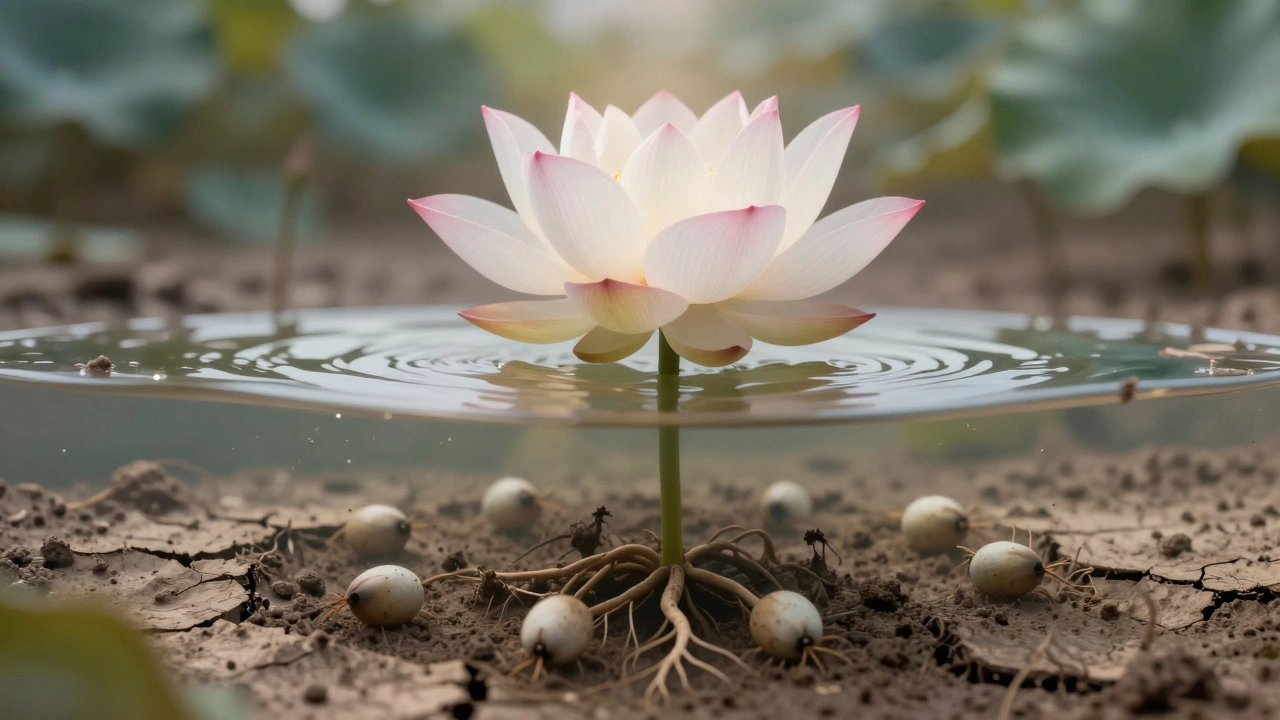
Unlike many flowers that bloom briefly and fade, the lotus thrives in muddy waters and still emerges clean and radiant. This quality made it a powerful metaphor for purity, spiritual awakening, and resilience. In a land with extreme seasons-from scorching summers to monsoon floods-the lotus doesn’t just survive. It flourishes.
Why the Lotus, Not the Rose or Marigold?
India is home to thousands of flowering plants. Marigolds are used in every festival. Roses are grown in vast gardens. Yet neither became the national flower. Why?
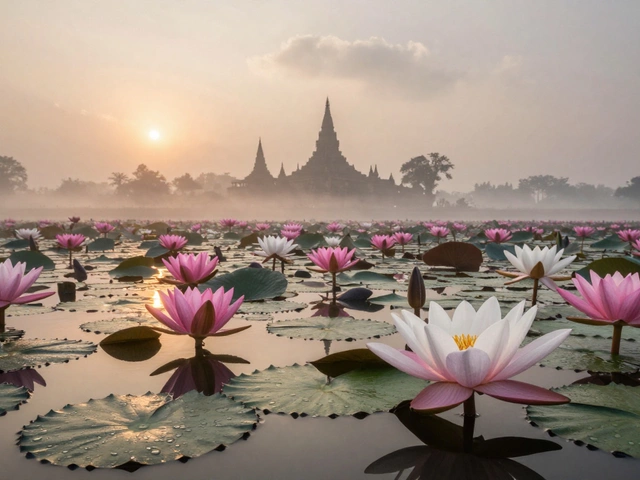
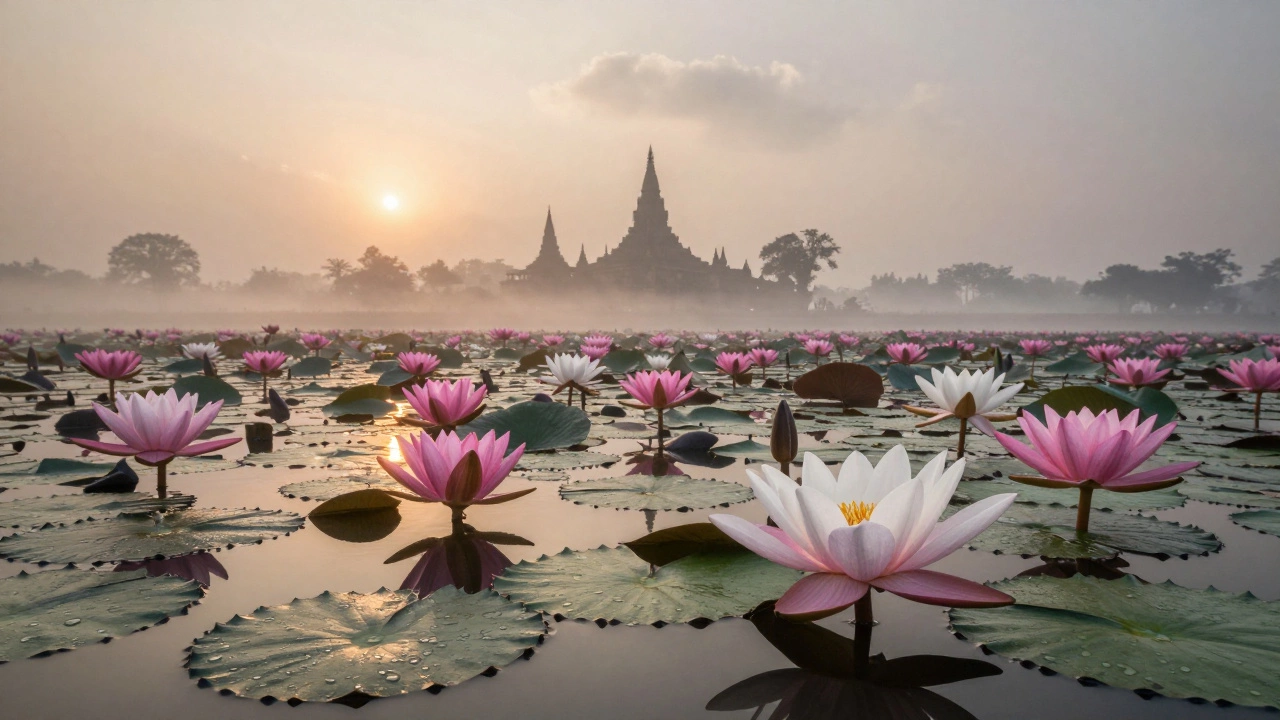
Marigolds, while common and vibrant, are mostly associated with temporary rituals and decorations. Roses, though popular in gardens, were introduced to India centuries ago and don’t hold the same indigenous or spiritual weight. The lotus, on the other hand, is native to South Asia. It grows wild in ponds, lakes, and slow-moving rivers across the country-from the Himalayan foothills to the wetlands of Kerala.
It’s also deeply tied to India’s agricultural rhythm. The lotus blooms in late spring and stays in flower through summer and early autumn. In regions like Uttar Pradesh, West Bengal, and Bihar, lotus harvesting is part of the seasonal cycle. The seeds, roots (called lotus root or nadru), and leaves are all used in traditional cuisine. In Bengal, lotus stem curry is a staple. In Kashmir, dried lotus seeds are roasted and sold as snacks.
How the Lotus Grows: A Plant Built for Survival
The lotus isn’t just symbolic-it’s biologically remarkable. Its leaves have a natural water-repellent surface, so raindrops roll off, keeping the plant clean. This is called the “lotus effect,” and scientists have copied it to create self-cleaning surfaces in modern technology.
Its roots anchor in muddy lakebeds, but its flowers rise above the water, untouched by dirt. Even its seeds can survive for centuries. In 1994, scientists in China germinated lotus seeds that were over 1,300 years old, found in an ancient lakebed. That kind of endurance is rare in the plant world.
In India, the lotus blooms best between April and September. It needs full sun, warm temperatures (25-35°C), and still or slow-moving water. Unlike many ornamental flowers, it doesn’t need fancy soil or fertilizers. It thrives in natural conditions, making it a perfect symbol for a country where millions still live close to the land.
The Lotus in Modern India
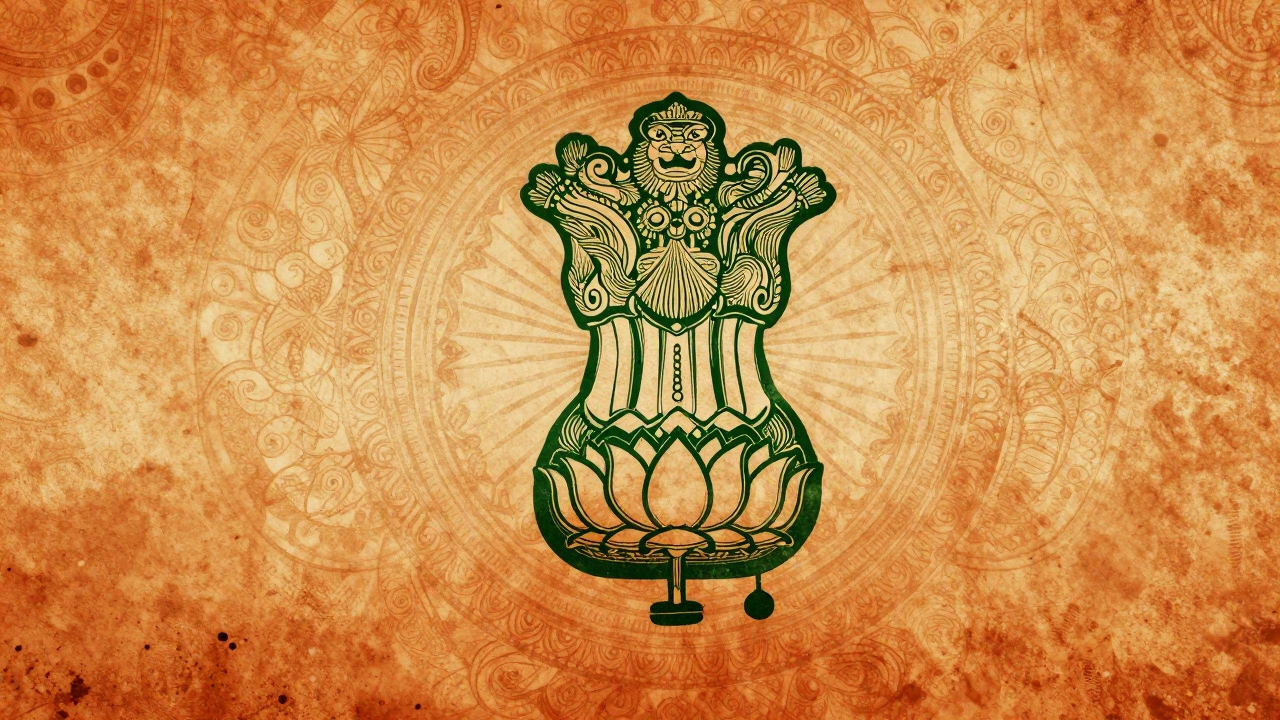
Today, the lotus appears everywhere in official India. It’s on the emblem of the Indian government, the State Emblem of India, which is based on the Lion Capital of Ashoka. The lotus forms the base of that emblem. It’s printed on Indian currency notes. It’s carved into the pillars of Parliament House.
It’s also part of India’s environmental identity. The government has launched wetland conservation projects specifically to protect natural lotus habitats. In places like Keoladeo National Park in Rajasthan and Chilika Lake in Odisha, lotus beds are monitored and preserved as part of broader biodiversity efforts.
Even in cities, the lotus is making a comeback. Urban ponds in Delhi, Bangalore, and Pune now include lotus plants-not just for beauty, but to help clean the water. The plant naturally filters pollutants and supports aquatic life. In that way, the lotus isn’t just a symbol. It’s a solution.
Lotus Varieties in India
Not all lotus flowers look the same. India grows several varieties, each with slight differences in color, size, and blooming time:
- White Lotus (Nelumbo nucifera var. alba)-the most common and sacred form. Often seen in temples.
- Pink Lotus (Nelumbo nucifera var. rosea)-slightly larger petals, favored in religious ceremonies and festivals like Diwali.
- Red Lotus-rare, found mostly in southern states like Tamil Nadu and Kerala.
- Double Petal Lotus-cultivated for ornamental gardens. Has more petals than wild varieties.
Each variety has cultural meaning. The pink lotus is linked to the divine in Hinduism. The white lotus represents purity and enlightenment in Buddhism. In Jainism, it symbolizes non-attachment.
How to Grow Lotus in Your Garden
Even if you don’t live near a lake, you can grow lotus at home. It’s easier than you think.
You need a large container-like a 20-gallon tub or a small pond. Fill it with heavy garden soil (not potting mix). Plant the lotus rhizome (the thick root) horizontally, just below the surface. Add water slowly until it’s 6-12 inches above the soil. Place it in full sun.
Don’t fertilize in the first year. Let it adjust. By the second season, you’ll see leaves rising above the water, then flowers. In colder climates, bring the container indoors in winter. The rhizome can survive freezing if kept moist.
Lotus plants don’t need daily care. They’re low-maintenance, drought-tolerant once established, and attract pollinators like bees and butterflies. In India, they’re often grown alongside rice paddies and fish ponds because they improve water quality and provide habitat.
Common Misconceptions
Many people confuse the lotus with the water lily. They look similar, but they’re not the same. Water lilies have flat leaves that float on the surface. Lotus leaves stand tall above the water. Water lily flowers are smaller and don’t have the same cultural depth in India.
Another myth is that the lotus is only found in sacred places. In reality, it grows wild in village ponds, roadside ditches, and even flooded fields. It’s not a luxury plant-it’s a common, hardworking part of India’s landscape.
What the Lotus Teaches Us
More than a symbol, the lotus offers a lesson. It grows in mud. It faces storms. It endures heat and floods. And yet, it blooms with grace. In a country with 1.4 billion people, diverse languages, and complex challenges, the lotus stands as a quiet reminder: beauty can rise from difficulty.
It’s no accident that India chose this flower. It’s not just about tradition. It’s about resilience. It’s about nature’s quiet strength.
Is the lotus the only national flower of India?
Yes, the lotus (Nelumbo nucifera) is the only officially designated national flower of India. While other plants like the marigold and jasmine are culturally significant, none hold the same legal or symbolic status.
When does the lotus bloom in India?
The lotus typically blooms between April and September, with peak flowering in June and July. It thrives during the warm, wet months and begins to fade as temperatures drop in October.
Can you eat the lotus flower?
Yes, every part of the lotus is edible. The seeds are roasted or used in sweets. The rhizomes (roots) are sliced and fried or added to curries. The leaves are used as natural wrappers for steaming food. Even the petals can be brewed into tea in some regions.
Is the lotus endangered in India?
No, the lotus is not endangered. It’s widespread and adaptable. However, pollution and wetland destruction threaten its natural habitats. Conservation efforts focus on protecting ponds and lakes where it grows wild, especially in protected areas like Chilika Lake and Loktak Lake.
Why is the lotus important in Indian religions?
In Hinduism, the lotus symbolizes purity and divine birth. In Buddhism, it represents enlightenment rising above suffering. In Jainism, it stands for non-attachment. Gods and saints are often depicted seated on lotus thrones, showing spiritual elevation beyond worldly chaos.
Next Steps: How to Connect with the Lotus
If you want to learn more, visit a local botanical garden with a water feature. Many Indian cities have lotus ponds open to the public. Try visiting the National Botanical Research Institute in Lucknow or the Acharya Jagadish Chandra Bose Indian Botanic Garden in Howrah.
Or, start small. Buy a lotus rhizome from a nursery and grow it in a tub on your balcony. Watch how it grows. Notice how it responds to sunlight and rain. You’ll not only see a beautiful flower-you’ll understand why India chose it as its national symbol.