Century Plant Bloom Calculator
When Will Your Century Plant Bloom?
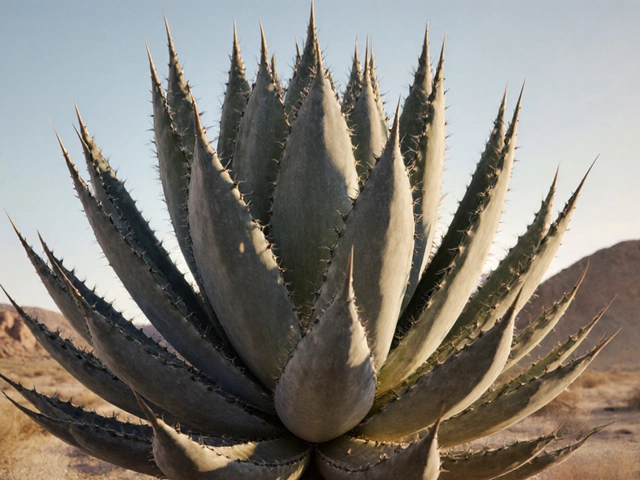
There’s a plant out there that waits a century to show its true self. Not a myth. Not a legend. A real, living thing that spends most of its life quietly growing-then, in one explosive burst, it flowers, sets seed, and dies. If you’ve ever heard of a plant that blooms only once every 100 years, you’re thinking of the agave americana, often called the century plant. It doesn’t actually take 100 years every time, but the wait feels like it.
Why the Century Plant Doesn’t Bloom on a Clock
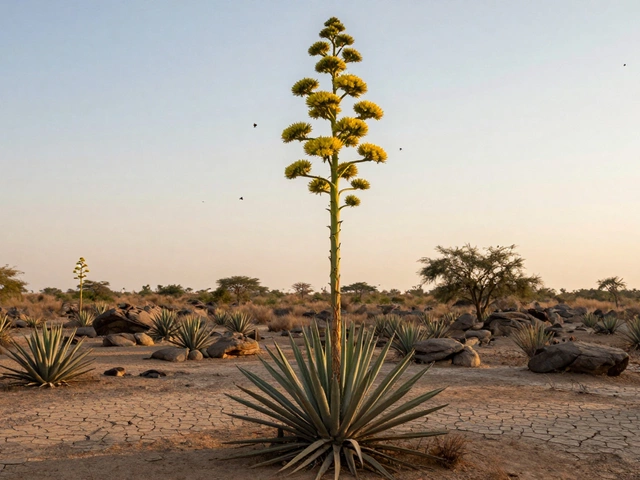
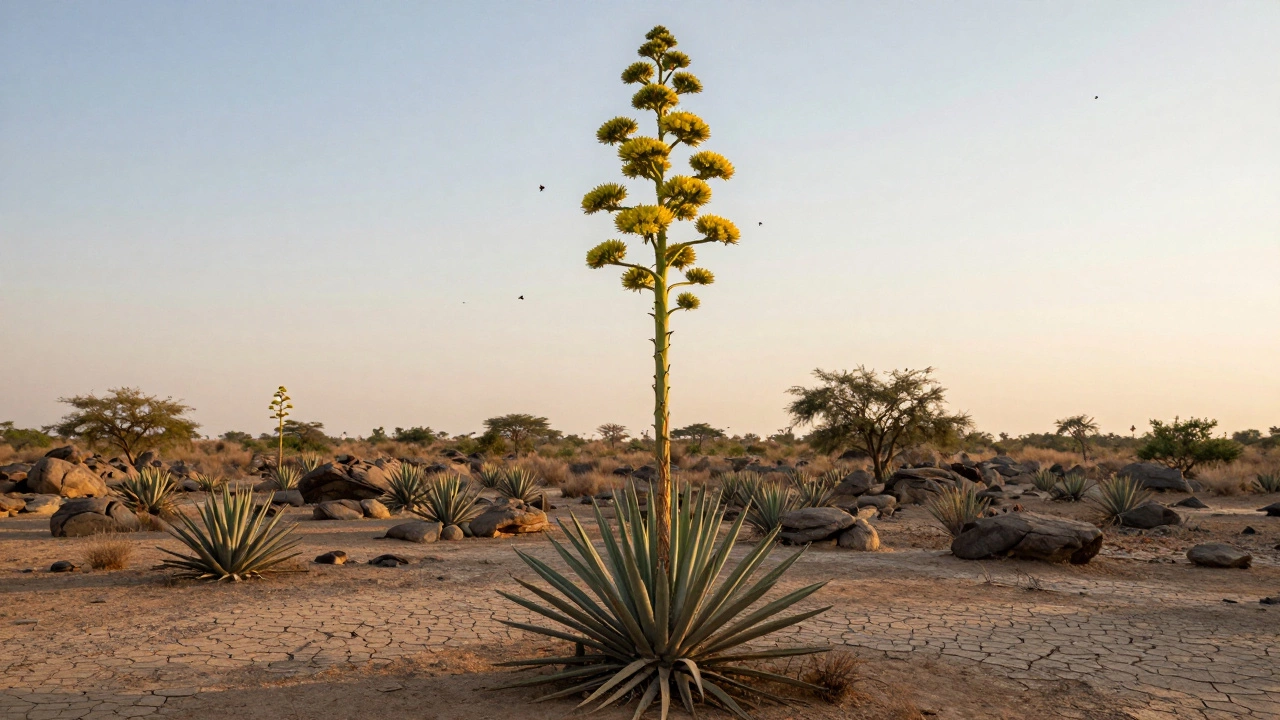
People say it blooms every 100 years because it’s so rare to see it happen. In reality, most agave americana plants flower between 10 and 30 years after planting, depending on climate, soil, and care. In hot, dry places like the American Southwest or northern India, it often takes 15 to 25 years. In cooler, wetter regions, it can stretch to 30 or even 40. The "100-year" label stuck because most people never live long enough to witness it in their own gardens.It’s not a clock. It’s a survival strategy. The agave stores energy for decades, building up sugars and nutrients in its thick, fleshy leaves. When conditions are just right-usually after a dry spell followed by warm spring rains-it channels everything into one towering flower spike. That spike can grow over 20 feet tall, covered in yellow or greenish-yellow flowers that attract bats, moths, and birds.
What Happens After It Blooms?
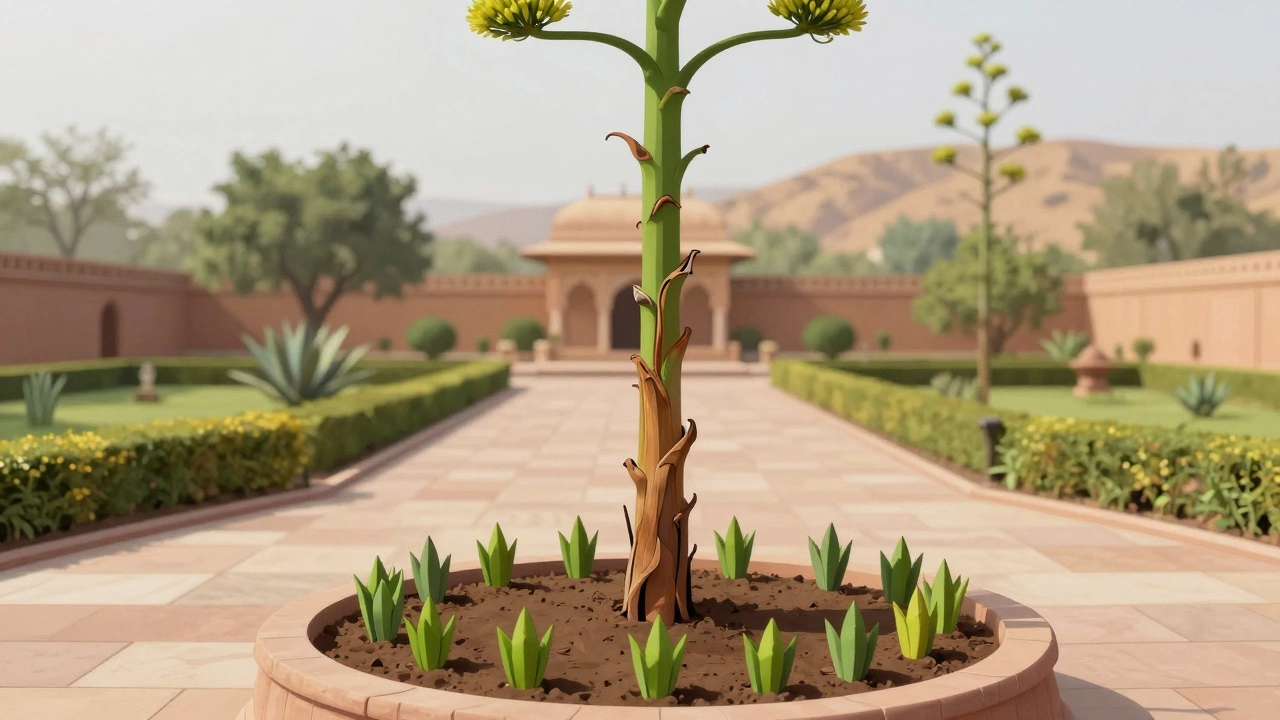
Once the agave flowers, it’s done. That’s the whole point. It’s a monocarpic plant, meaning it flowers once and then dies. The plant doesn’t "choose" to die-it physically can’t survive after blooming. All its energy goes into producing seeds. You’ll see the main stem begin to wither, the leaves turn brown, and the whole plant slowly collapse inward. It’s not sad. It’s natural.But here’s the trick: it doesn’t disappear. Before it dies, the agave produces offsets-small baby plants-that grow around the base. These are clones of the parent. In gardens, people often transplant them to keep the cycle going. In the wild, animals or wind scatter the seeds. In India, where agave is grown for fiber and traditional medicine, farmers often let the plant go to seed naturally, then collect the pups for replanting.
Where You’ll Find Century Plants in India
In India, agave americana isn’t native, but it’s common in dry, rocky areas. You’ll spot it along roadsides in Rajasthan, Gujarat, and parts of Maharashtra. It thrives in poor soil and survives months without water. In flower gardens in Pune, Hyderabad, and Jaipur, it’s planted as a dramatic focal point. Gardeners love it because it needs almost no care. No fertilizer. No pruning. Just sun and space.Some Indian farmers grow it for sisal fiber, which comes from the leaves. The fiber is used to make ropes, mats, and even eco-friendly bags. In traditional medicine, the sap is applied to wounds and burns. It’s not magic-but it’s tough, and that’s why it’s survived in harsh climates for centuries.
How to Grow Your Own Century Plant
If you want to grow an agave americana in your garden, here’s what you need to know:- Soil: It needs sharp drainage. Mix sand or gravel into regular garden soil. Clay soil? Don’t plant it there unless you raise the bed.
- Light: Full sun. At least 6-8 hours a day. It won’t thrive in shade.
- Water: Water deeply once every 2-3 weeks in summer. In winter, stop watering completely. Overwatering kills agaves faster than drought.
- Space: Give it room. Mature plants spread 6-10 feet wide. Don’t plant it near walkways-those spiky leaves are no joke.
- Temperature: It handles heat well. But frost below 20°F (-6°C) can kill it. In colder parts of India, grow it in pots and bring indoors during winter.
Plant it in spring. Use a pot with drainage holes if you’re unsure about your soil. Wait. And wait some more. Don’t expect results in your lifetime. But if you do see that flower spike rise-stop everything. Take a photo. Sit under it. You’re witnessing something most people never get to see.
Other Plants That Bloom Once and Die
The agave isn’t alone. There are other plants with similar life cycles:- Bamboo: Some species bloom only once every 60-120 years. After flowering, entire forests die off at once. Scientists still don’t fully understand why.
- Amorphophallus titanum (Corpse Flower): Blooms once every 7-10 years, lasts 2-3 days. Smells like rotting meat. Not a century plant, but just as dramatic.
- Paris polyphylla: A rare Himalayan plant that flowers once every 30-40 years. Found in high-altitude gardens in Uttarakhand and Sikkim.
These plants share a strategy: live slow, store energy, go all-in once. It’s a high-risk, high-reward approach. But for them, it works.
Why This Matters for Gardeners
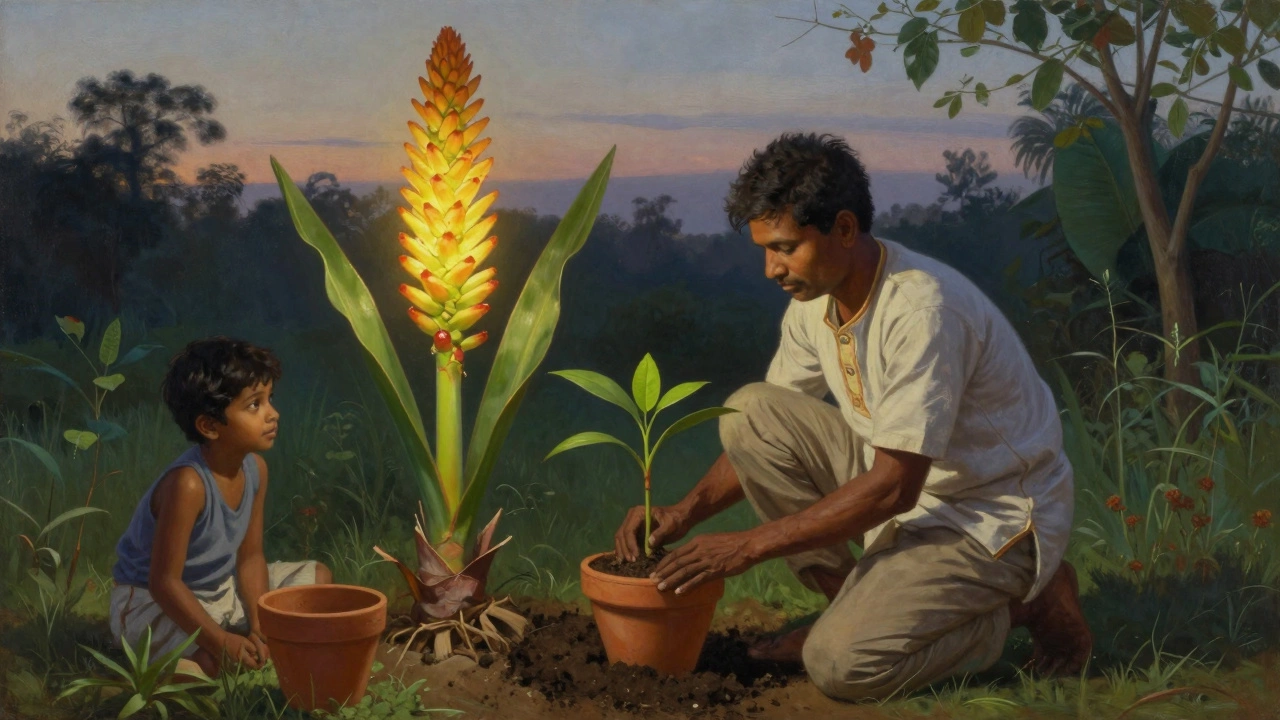
Most of us want instant results. We plant a seed and expect color in weeks. The century plant flips that idea. It teaches patience. It reminds us that beauty doesn’t always come on a schedule. It comes when the plant is ready.In flower gardening, especially in places like India where water is scarce and summers are brutal, plants like agave offer a different kind of reward. Not constant blooms, but a single, unforgettable moment. It’s not about filling your garden with color every month. It’s about creating a living timeline. A story that unfolds over decades.
When you grow an agave, you’re not just planting a flower. You’re planting a memory. One that might outlive you. And if you’re lucky, you’ll pass it on to someone else-so they can watch it bloom too.
What to Do When It Blooms
If your agave finally flowers, don’t panic. Don’t cut it down. Let it run its course. The flower spike is a spectacle. It can last for months. Bees and butterflies will swarm it. Birds will nest in the thick stalks.While it’s blooming, take photos. Share the moment. Collect seeds if you want to grow new plants. But most importantly, watch. This is nature’s version of a fireworks show-rare, quiet, and over before you know it.
After it dies, dig up the main plant. Leave the pups. Water them lightly. Let them grow. In 15 to 25 years, someone else will stand where you stood-and see the same miracle.
Does the century plant really bloom only once every 100 years?
Not exactly. The "100-year" name is a myth. Most agave americana plants bloom between 10 and 30 years after planting. The long wait comes from how slowly they grow in cooler or less ideal climates. In hot, dry regions like Rajasthan or Gujarat, it often blooms in 15-20 years. The 100-year idea stuck because few people live long enough to see it happen.
Can I grow a century plant in my backyard in India?
Yes, and it’s easier than you think. Agave americana thrives in dry, sunny spots with well-draining soil. It’s common in gardens across Rajasthan, Gujarat, Maharashtra, and parts of Karnataka. Just make sure it gets full sun, doesn’t sit in wet soil, and has plenty of space-mature plants spread over 6 feet wide. Avoid planting near paths or play areas because of the sharp leaf tips.
What happens after the century plant flowers?
The main plant dies. It’s built to do this. All its energy goes into producing flowers and seeds. But before it dies, it produces small offshoots called pups around the base. These are clones of the parent plant. You can dig them up and replant them to keep the cycle going. In the wild, animals or wind help spread the seeds.
Is the century plant dangerous?
Not dangerous, but it can be risky if you’re not careful. The leaves have sharp, spine-like tips that can pierce skin. The sap can cause mild skin irritation in some people, especially if exposed to sunlight afterward. Always wear gloves when handling it. Keep it away from children and pets who might bump into it. But once you know how to give it space, it’s completely safe.
Are there other plants in India that bloom once in a lifetime?
Yes. The Himalayan Paris polyphylla blooms once every 30-40 years. Some bamboo species flower en masse every 60-120 years, then die. These plants are rare and hard to find, but they exist in the wild forests of Uttarakhand, Sikkim, and Arunachal Pradesh. They’re not common in home gardens, but their existence shows how common this "one-time bloom" strategy is in nature.