Perlite Suitability Checker
Plant & Growing Conditions
Quick Guide
Select your plant and conditions, then check if perlite is suitable.
- 🌿 Moisture lovers: Generally avoid high perlite
- 🌵 Succulents: Can tolerate 40-50% perlite
- 🥬 Vegetables: Moderate amounts (10-20%) recommended
- ⚠️ Dust hazard: Wet perlite before handling
- ♻️ Eco-friendly: Consider pumice or biochar
Perlite is the white, popcorn-like stuff you see in almost every bag of potting mix. It’s cheap, lightweight, and does a great job of keeping soil from turning into a concrete block. But here’s the thing: it isn’t magic. In fact, using it blindly can wreck your plants faster than compacted soil ever could.
I’ve spent years tweaking soil recipes in my Brighton garden, battling the damp British climate while trying to keep roots happy. I used to throw perlite into everything-tomatoes, herbs, even houseplants. Then I started losing seedlings to drought stress and watching valuable nutrients wash straight out of my pots. That’s when I realized perlite has serious downsides if you don’t know when to leave it out.
The Dust Hazard: Why You Should Never Breathe It
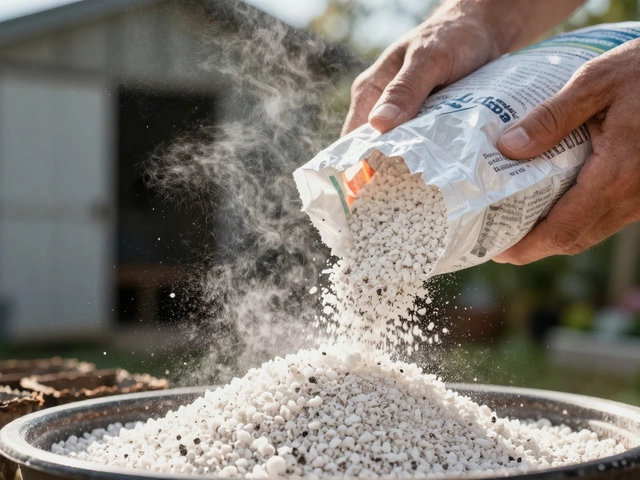
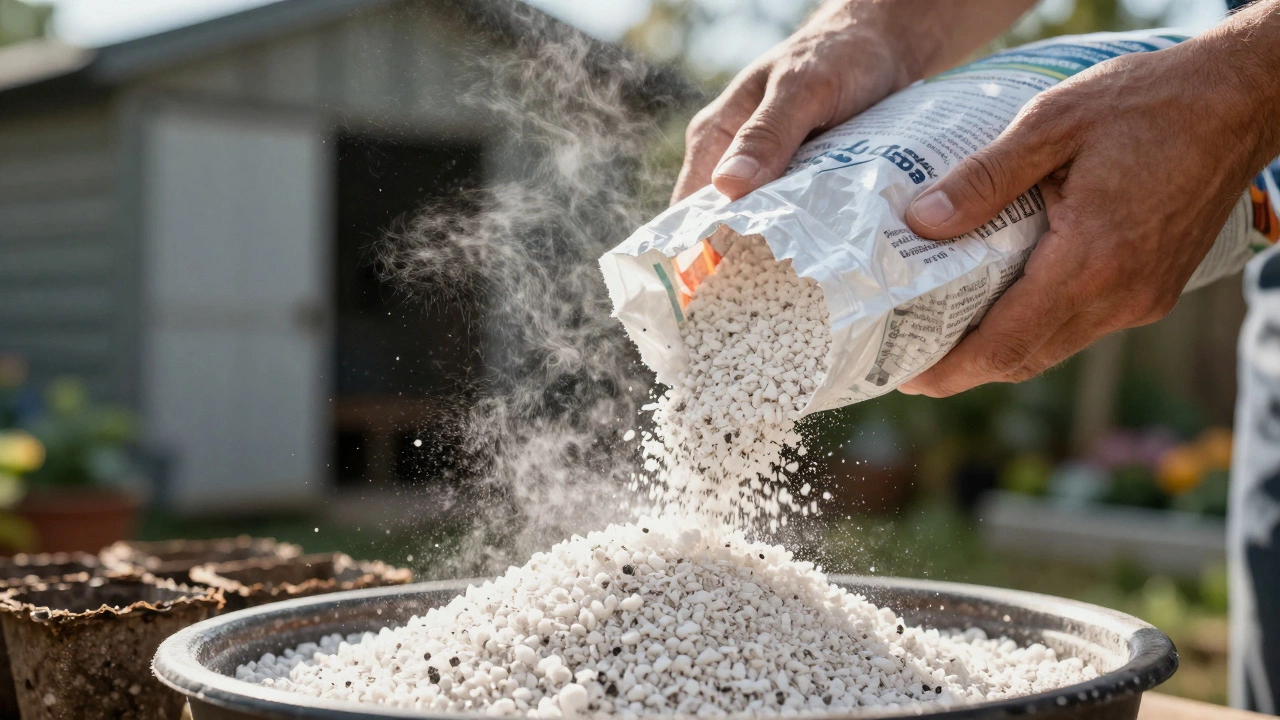
Before we talk about plant health, let’s talk about yours. Perlite is volcanic glass that has been heated to extreme temperatures until it expands like popcorn. This process creates tiny, sharp shards. When you pour dry perlite from a bag, it creates a fine dust cloud. Inhaling this silica dust is not good news for your lungs.
If you are mixing large batches of soil indoors or on a windy balcony, that dust goes everywhere. It gets into your eyes, your nose, and your airways. If you have asthma or respiratory issues, skip the dry perlite entirely. Instead, wet the perlite before you add it to your mix. Dampening it weighs down the particles so they don’t fly around. Or better yet, use a safer alternative like pumice, which doesn’t create as much hazardous dust because its structure is naturally porous rather than shattered glass.
Water Retention Myths: When Perlite Makes Soil Too Dry
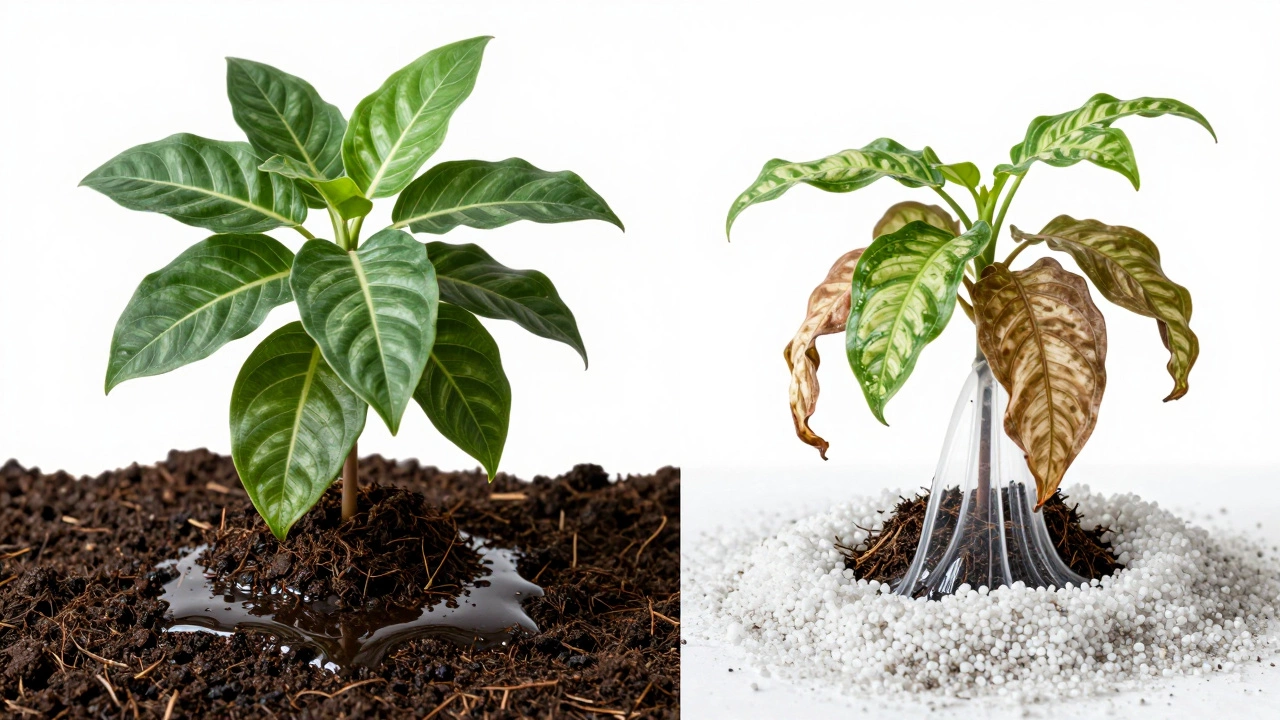
The biggest myth about perlite is that it holds water. It doesn’t. Perlite is inert; it has no chemical charge and very low water-holding capacity. Its only job is to create air pockets. For moisture-loving plants, adding too much perlite turns your soil into a sieve. Water hits the surface and runs straight through the bottom drainage holes before the roots can drink.
This is a disaster for plants like ferns, mosses, or tropical foliage such as Calathea and Maranta. These plants thrive in dense, moisture-retentive soil. If you add 30% perlite to their mix, they will wilt within hours of watering. You’ll find yourself watering daily, yet the leaves still look crispy. In these cases, you want materials that hold moisture, like coconut coir or peat moss, not ones that repel it.
Nutrient Leaching: The Silent Killer of Fast Growers
Because perlite improves drainage so aggressively, it also accelerates nutrient leaching. When you water a plant with high-perlite soil, the water moves quickly through the root zone. This speed washes away soluble fertilizers before the plant’s roots can absorb them. This is particularly problematic for heavy feeders like tomatoes, peppers, and leafy greens during their peak growth phase.
If you notice your plants growing pale or yellowing despite regular feeding, check your soil texture. A mix with more than 20-30% perlite might be flushing your expensive organic fertilizer down the drain. For container gardens where you control the watering schedule, this means you have to fertilize more often, which increases cost and environmental runoff. In ground beds, excessive perlite can lead to similar issues, especially in sandy soils that already drain fast.
Physical Instability: When Roots Need Anchorage
Perlite is incredibly light. While this is great for shipping potting mixes, it’s terrible for stability. If you grow tall, top-heavy plants like sunflowers, zinnias, or large pepper plants in containers, perlite can cause the entire pot to tip over in a breeze. More importantly, perlite doesn’t provide structural support for roots. As plants grow larger, their root systems need something substantial to anchor against. Perlite shifts and floats, especially when you water heavily.
I once tried growing large cabbage heads in a mix heavy with perlite. The heads grew huge, but the stalks snapped under their own weight because the soil offered no resistance. For sturdy vegetables and large perennials, you need denser materials like compost, worm castings, or coarse sand to give the root ball grip. Perlite should be a minor component, never the base, for any plant that grows taller than two feet.
Microplastic Concerns and Environmental Impact
While natural perlite is volcanic rock, some cheaper varieties found in bulk bags may contain impurities or processing additives. More concerning is the end-of-life issue. When you discard old potting mix containing perlite, those glass shards don’t biodegrade. They persist in landfills forever. If you are committed to sustainable gardening, relying heavily on non-renewable mined products conflicts with zero-waste goals.
Additionally, the mining process for perlite consumes significant energy to heat the ore to 1,600°F (870°C). If you’re looking to reduce your carbon footprint, consider switching to recycled or renewable amendments. Crushed eggshells, composted bark, or even homemade biochar offer similar aeration benefits without the industrial baggage. Biochar, in particular, sequesters carbon while improving soil structure, making it a double win for the planet.
Better Alternatives: What to Use Instead
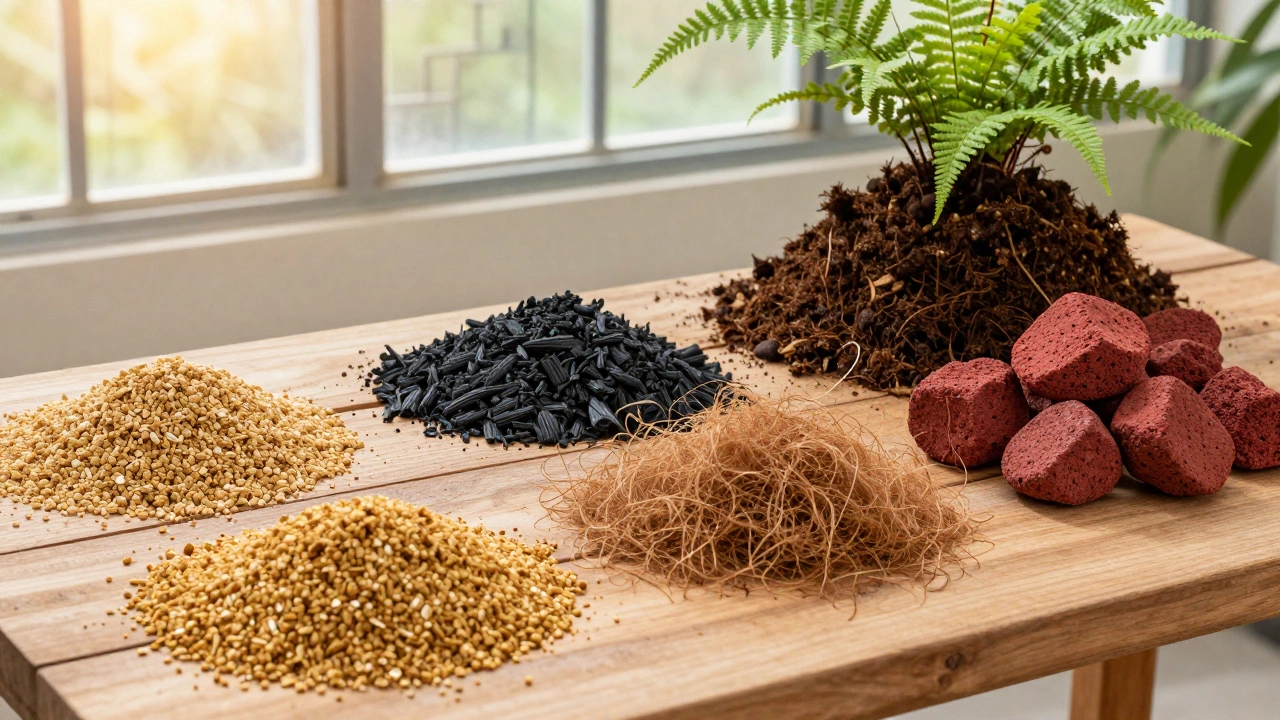
If perlite feels wrong for your specific situation, you have plenty of other options. Each serves a slightly different purpose, so choose based on your plant’s needs.
| Material | Best For | Water Retention | Dust Risk | Sustainability |
|---|---|---|---|---|
| Pumice | Cacti, succulents, orchids | Low | Very Low | High (natural stone) |
| Coconut Coir | Tropicals, seed starting | High | None | High (byproduct) |
| Biochar | Vegetables, long-term soil health | Medium | Low | Very High (carbon negative) |
| Vermiculite | Seed germination, moisture retention | Very High | Low | Medium (mined) |
| Compost | All plants, nutrient supply | Medium | None | Very High |
Pumice is the closest direct substitute for perlite. It’s also volcanic rock but naturally porous, meaning it doesn’t shatter into dust. It’s heavier, which helps stabilize pots, and it retains a tiny bit more moisture than perlite. Vermiculite looks like shiny gold flakes and holds water well, making it perfect for seeds that need consistent dampness but poor for cacti. Coconut coir is fantastic for replacing peat moss and holding moisture, though it adds little aeration on its own. Mix coir with pumice for a balanced, breathable, and moist medium.
Specific Plants That Hate Perlite
Not all plants are created equal. Here is a quick list of plants that generally perform worse with high-perlite mixes:
- Ferns: They love humidity and dense, moisture-rich soil. Perlite dries them out too fast.
- African Violets: These sensitive houseplants prefer a mix that stays evenly moist. Perlite causes erratic drying cycles.
- Rosemary and Thyme: Wait, what? Yes! While many say herbs need drainage, rosemary actually prefers gritty, mineral-heavy soil like sand or crushed granite, not fluffy perlite. Perlite can make the soil too loose, causing the woody stems to snap.
- Orchids (Phalaenopsis): Standard potting mix with perlite is suffocating for epiphytic orchids. They need bark chips or sphagnum moss to breathe properly.
- Mosses: Moss needs constant surface moisture. Perlite creates air gaps that dry out the delicate rhizoids.
How Much Is Too Much?
If you do decide to use perlite, moderation is key. A general rule of thumb is 10-20% by volume for most houseplants. For succulents and cacti, you can go up to 50%, but only if combined with other gritty materials like sand or pumice. Never use 100% perlite unless you are propagating cuttings that need maximum oxygen and minimal rot risk. Even then, monitor moisture levels closely.
To test your mix, fill a small cup with your soil blend, water it thoroughly, and watch how fast it drains. If the water disappears in under 30 seconds, you likely have too much perlite or not enough water-retentive material. Adjust accordingly before planting your precious specimens.
Is perlite toxic to plants?
No, perlite is chemically inert and non-toxic to plants. However, it can indirectly harm plants by causing rapid drying or washing away nutrients if used in excess. The main toxicity concern is for humans inhaling the silica dust during handling.
Can I reuse perlite from old potting mix?
Yes, you can rinse and reuse perlite. Since it doesn't break down, it lasts indefinitely. Rinse it in a colander to remove salt buildup and old organic matter. Sterilize it by baking at 200°F (93°C) for 30 minutes if you suspect disease, though this releases dust, so do it outdoors.
What is the best alternative to perlite for indoor plants?
Pumice is the best direct alternative because it provides similar aeration without the dust hazard. Coconut coir is excellent if you need more moisture retention, while biochar is great for long-term soil health and nutrient retention.
Does perlite affect soil pH?
No, perlite is pH neutral. It will not raise or lower the acidity of your soil. This makes it safe for both acid-loving plants like blueberries and alkaline-preferring plants like lavender, provided the rest of your soil mix supports their pH needs.
Why is my perlite floating to the top of my soil?
Perlite is extremely lightweight. Over time, watering and settling cause the heavier organic matter to sink while the perlite rises. This is normal and harmless. Simply mix it back in gently or leave it as a mulch layer, which can help reflect light and keep the soil surface cooler.