Raised Bed Soil Calculator
Quick Answer: How Many Bags?
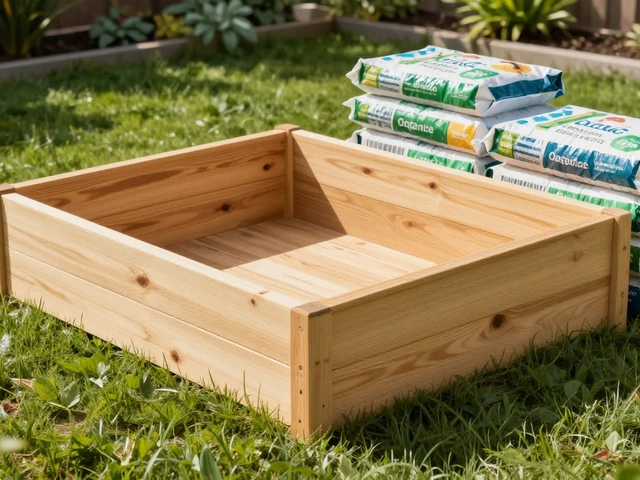
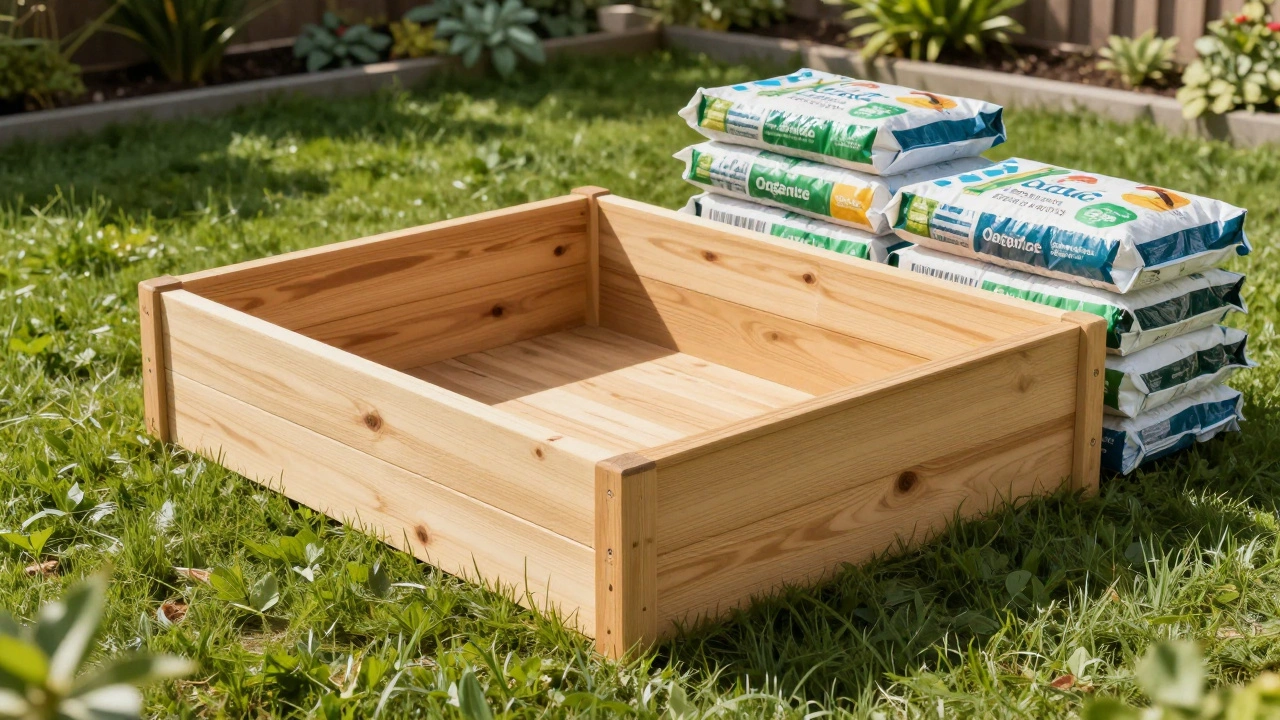
If you have a standard 4x8 foot bed that is 6 or 12 inches deep, here is the breakdown. Most standard bags of soil sold at home centers are either 1.5 or 2 cubic feet.- For a 6-inch deep bed: You need 16 cubic feet. That is about 8 bags (if using 2 cu ft bags) or 11 bags (if using 1.5 cu ft bags).
- For a 12-inch deep bed: You need 32 cubic feet. That is about 16 bags (if using 2 cu ft bags) or 22 bags (if using 1.5 cu ft bags).
Keep in mind that soil settles. If you fill a bed to the very brim, after one heavy rain, you'll notice the level has dropped by 2 or 3 inches. To avoid this, always buy one or two extra bags to top things off after the first watering.
The Math Behind the Dirt
To get these numbers, we use a basic volume formula: Length x Width x Depth. However, there is a catch. Your length and width are in feet, but your depth is often in inches. You have to convert those inches into feet first, or your math will be wildly wrong.For a 4x8 bed, the surface area is 32 square feet. If your bed is 12 inches deep, that is 1 foot. So, 32 sq ft x 1 ft = 32 cubic feet. If your bed is 6 inches deep, that is 0.5 feet. So, 32 sq ft x 0.5 ft = 16 cubic feet.
If you are buying soil in bulk (by the truckload), they sell it by the cubic yard. One cubic yard is 27 cubic feet. For a 12-inch deep 4x8 bed, you need about 1.2 cubic yards. Since most places sell by the half-yard, you would order 1.5 yards to be safe.
Choosing the Right Mix for Your Bed
Filling a bed with just "topsoil" from the ground is a mistake. Heavy soil compacts, kills drainage, and can bring in weed seeds or pests. For a raised bed, you want a blend that stays fluffy so roots can breathe.Potting mix is a soil-less medium typically containing peat moss, coconut coir, and perlite, designed for containers to prevent compaction. While great for pots, using 100% potting mix in a large raised bed is expensive and can sometimes dry out too quickly.
A better approach is the "Raised Bed Mix," which usually combines three main elements:
- Compost: Provides the nutrients. Think of this as the fuel for your vegetables.
- Peat Moss or Coconut Coir: Holds moisture and keeps the soil light.
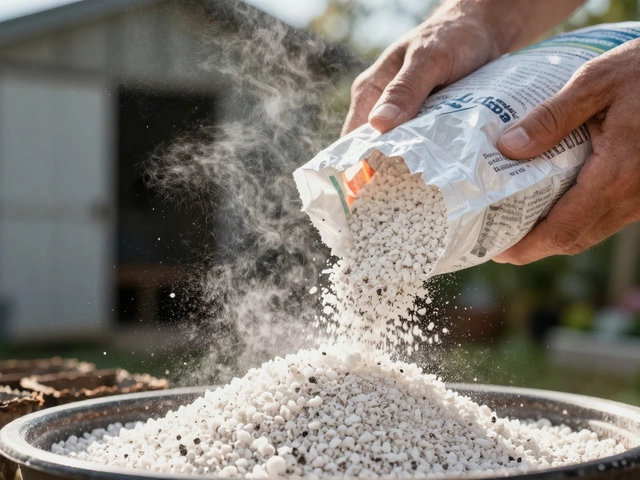
- Perlite or Vermiculite: Small white volcanic rocks or minerals that create air pockets in the soil.
| Soil Type | Drainage | Nutrient Level | Cost | Best Use |
|---|---|---|---|---|
| Garden Soil | Moderate | Low | Cheap | Mixing with compost |
| Potting Mix | High | Medium | Expensive | Small pots / Seedlings |
| Compost | High | Very High | Moderate | Soil amendment |
| Raised Bed Mix | Optimized | High | Moderate | 4x8 Beds |
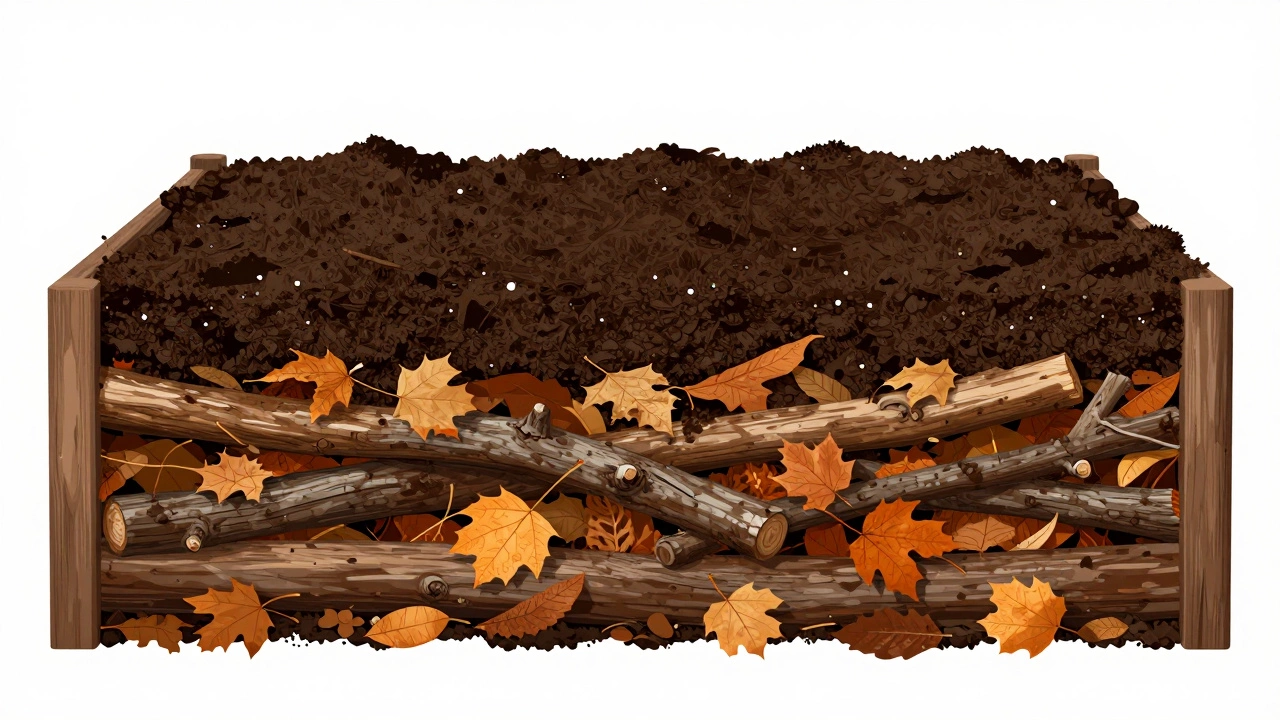
The Hugelkultur Shortcut: Save Money on Soil
If you are building a deep bed (18 to 24 inches), buying 50+ bags of soil is a nightmare for your wallet and your back. This is where Hugelkultur is a German gardening technique that involves layering rotting wood and organic debris at the bottom of a bed to create a self-fertilizing sponge comes in handy.Instead of filling the whole bed with expensive bags, fill the bottom 50% with logs, fallen branches, dried leaves, and grass clippings. As this organic matter breaks down over years, it holds onto water and releases nutrients slowly. You only need to put 6 to 12 inches of high-quality soil on top of this woody base. For a 4x8 bed that is 18 inches deep, this can save you from buying 15 to 20 bags of soil.
Common Pitfalls to Avoid
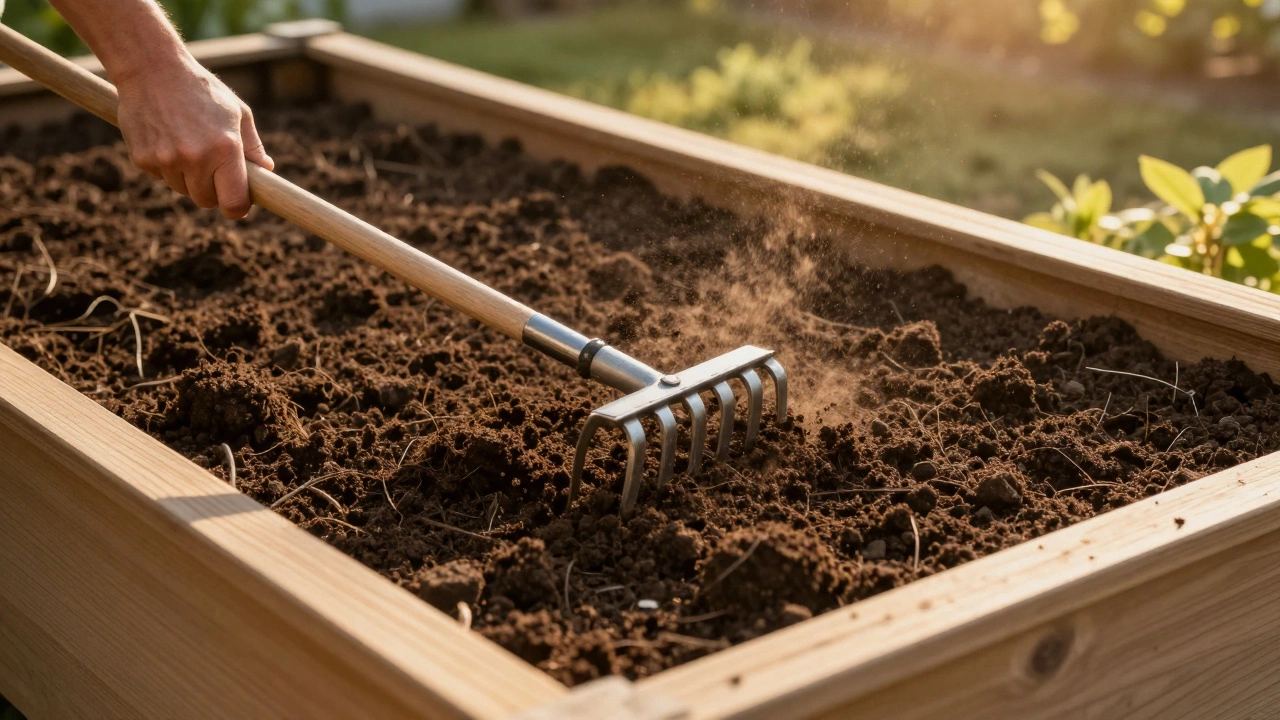
One big mistake is using "moisturized" soil bags. Some brands add a lot of water to the bags to make them feel heavier, which can actually trick you into thinking you have more volume than you do. Always look at the cubic foot measurement on the bag, not the weight in pounds.Another issue is the " compaction trap." When you pour soil into a bed and walk on it to level it, you squash the air pockets. This makes the soil denser and reduces the actual volume. Never step inside your 4x8 bed. Use a rake or a shovel from the edge to spread the soil. If you step in it, you'll likely find yourself needing an extra bag of soil just to get the level back up.
Lastly, watch out for the pH level of your soil. pH is a scale from 0 to 14 that specifies the acidity or alkalinity of the soil. Most vegetables love a pH between 6.0 and 7.0. If you buy the cheapest soil available, it might be too acidic, which blocks your plants from absorbing nutrients like phosphorus.
Step-by-Step Filling Guide
- Clear the base: If your bed is sitting on grass, peel back the sod or lay down a layer of cardboard . This smothers the grass and decomposes, allowing worms to move up into your new soil.
- Add the base layer: If using the Hugelkultur method, add your logs and brush now. If not, start with a layer of coarse organic matter or compost.
- Fill in stages: Pour your bags in and rake them flat. Do this in 4-inch layers.
- Water and Wait: Gently water the bed. This helps the soil settle. You'll likely see the level drop.
- Top it off: Add your final bag of garden soil improvement mix to bring the level to about 2 inches below the rim of the wood. This prevents soil from spilling over when it rains.
Can I just use dirt from my backyard?
Usually, no. Backyard soil is often too heavy (high clay content) or too sandy. It also contains weed seeds and potential pests. If you do use it, mix it 50/50 with compost and potting mix to ensure your plants don't suffocate from lack of oxygen.
What happens if I underfill my raised bed?
If you don't have enough soil, your plants' roots will hit the bottom of the bed or the ground too quickly, limiting their growth. This is especially true for root vegetables like carrots or parsnips, which need deep, loose soil to grow straight.
How often do I need to add more soil?
Soil decomposes and settles over time. You should plan to add 1 to 2 inches of fresh compost to the top of your bed every spring to replenish nutrients and maintain the soil level.
Is it better to buy bags or bulk soil?
For one 4x8 bed, bags are easier. But if you are building three or more beds, bulk delivery is significantly cheaper. A cubic yard of bulk soil often costs the same as 5-8 individual bags but provides much more volume.
Does the type of wood for the bed affect the soil?
Yes. Avoid old railroad ties or chemically treated lumber (like old CCA-treated wood), as these can leach toxins into your soil. Stick to cedar, redwood, or heat-treated pine.
Next Steps for Your Garden
Once your 4x8 bed is full, don't plant immediately. Let the soil settle for a few days and give it a good soaking. If you're unsure about the quality, a simple home pH test kit from the garden store can tell you if you need to add lime (to raise pH) or sulfur (to lower it). From there, you can plan your spacing-remember that 4 feet wide is the limit for most people to reach the center without stepping on the soil.