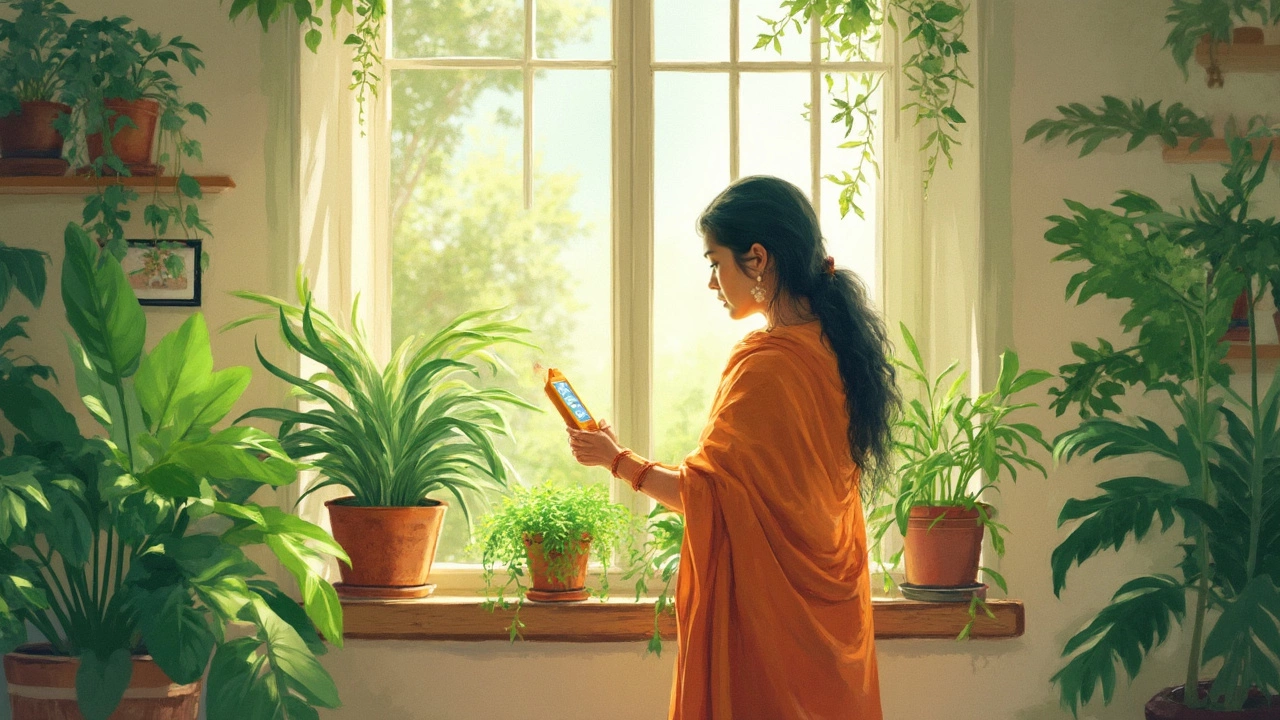
Figuring out if you're overwatering or underwatering your plants can be tricky, especially with indoor greenery. Learn how to read the signs your plants are giving you to determine if they’re thirsty or drowning. Uncover common mistakes people make and practical tips to keep your leafy friends thriving. Knowing the difference could be the secret to turning your home into a lush indoor jungle.
Indoor Plant Care and Sustainable Gardening in March 2025
When it comes to indoor plant care, the practice of maintaining healthy houseplants through proper watering, lighting, and soil management. Also known as houseplant maintenance, it’s not just about keeping greenery alive—it’s about understanding the subtle signals your plants send when they’re stressed, thirsty, or drowning. Many people think their plants are fine as long as they’re green, but the real issue often hides below the surface: root rot from too much water, or slow decline from too little. March 2025 brought a wave of posts focused on exactly this—helping you spot the difference between overwatering and underwatering, fix dying daisies, and stop killing your plants with kindness.
Soil improvement, the process of enhancing garden or terrace soil to support stronger plant growth through nutrients, drainage, and structure. Also known as garden soil revitalization, it’s the quiet backbone of every thriving garden. Whether you’re working with old, tired dirt in your balcony pots or trying to build a rooftop garden, the quality of your soil makes or breaks your success. Posts this month dug into how to mix topsoil right, how to revive dead-looking earth with compost, and why slope matters on your terrace slab. Without proper drainage, even the best plants will drown. And without the right nutrients, your efforts go to waste. This isn’t magic—it’s basic science you can do with a shovel, some organic waste, and a little patience.
Drip irrigation, a water-efficient method that delivers moisture directly to plant roots through tubing and emitters. Also known as precision watering, it’s one of the most effective tools for saving water and boosting crop yields. Yet, most Indian farmers still don’t use it. Why? Cost, complexity, and lack of local support. The same month’s articles also tackled composting, turning kitchen scraps and garden waste into nutrient-rich soil amendment. Also known as organic recycling, it’s simple in theory but full of traps in practice. Smelly piles, fruit flies, and slow breakdowns scare people off. But with the right balance of greens and browns, you can turn your trash into gold—no fancy gear needed.
March 2025 didn’t just talk about plants. It talked about the systems around them: how broccoli farming is changing with market demand, why regenerative agriculture is gaining ground, and how to use plants for balcony privacy without blocking sunlight or weight limits. Every post was rooted in real problems Indian gardeners and farmers face—no theory, no fluff. Just what works on a terrace in Delhi, in a balcony in Bangalore, or in a small farm in Punjab.
You’ll find guides on fixing root rot, arranging plants so they actually grow, and what not to put on your balcony. No one’s selling you a gadget. No one’s promising miracles. Just clear, step-by-step fixes for the things that actually go wrong—because your plants don’t care about perfect weather. They care about you paying attention.
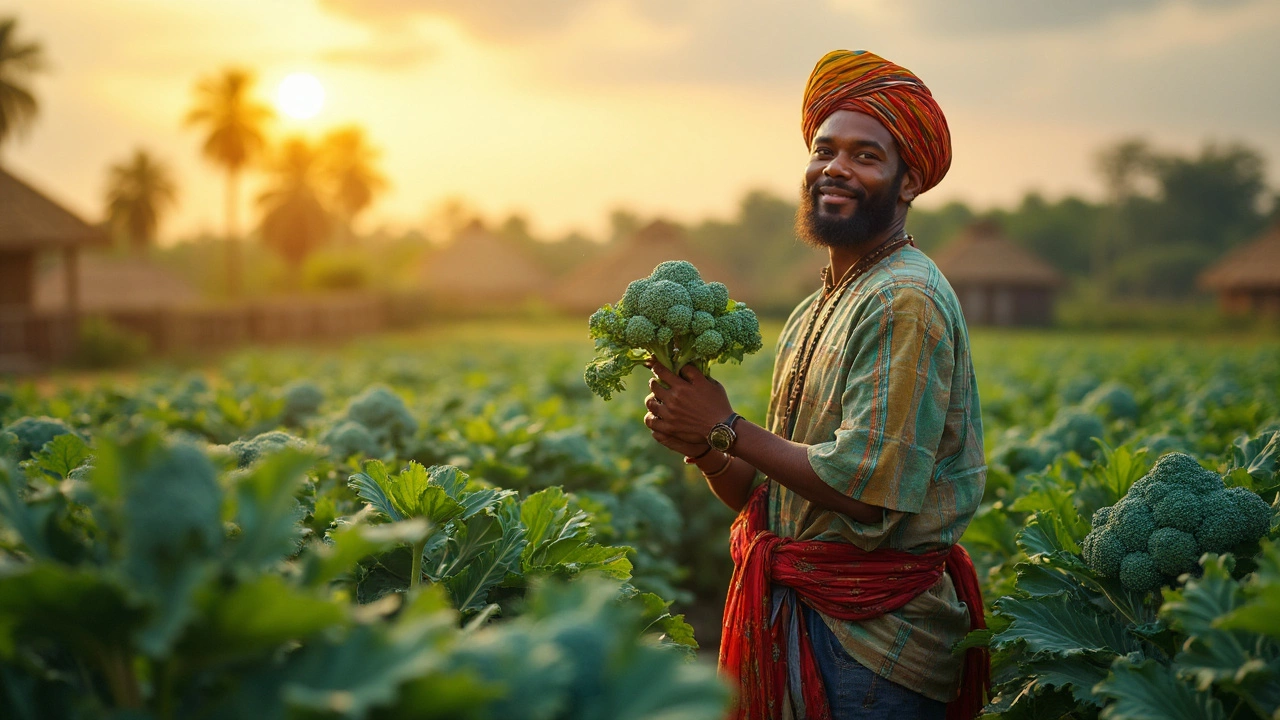
Broccoli farming in India has seen growth, thanks to rising health awareness and changing food preferences. With the right techniques and market understanding, it can be a profitable venture. Learn about climate requirements, investment needs, and potential challenges. Discover tips for successful cultivation and insights into the Indian broccoli market dynamics.

Keeping indoor plants happy isn’t as tricky as it seems. This guide shares practical tips and insights to ensure your leafy friends thrive inside your home. Discover the right kind of light, watering techniques, and common signs of plant distress to watch for. Learn about the balance between neglect and over-care and how to create an ideal living environment for your plants.
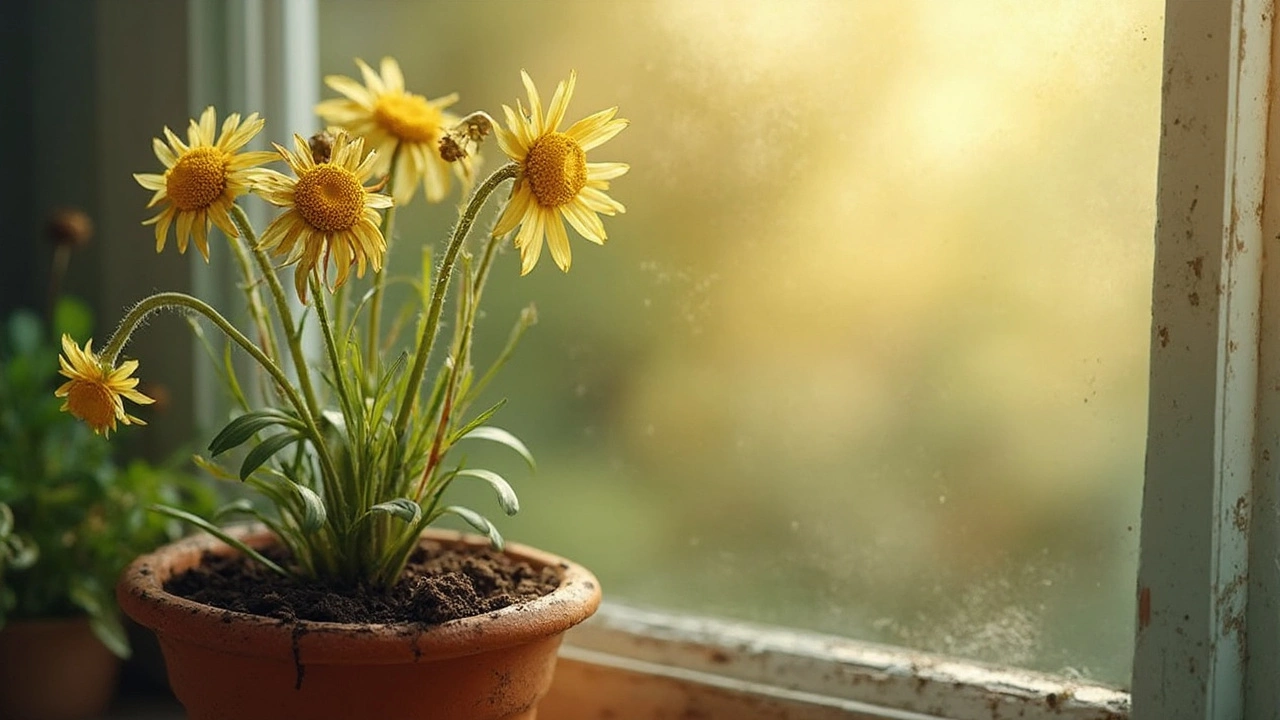
Overwatering is a frequent issue for daisy enthusiasts, leading to droopy and sick-looking flowers. Recognizing signs like yellowing leaves and root rot is crucial to saving your beloved plants. This article delves into the distinct symptoms of overwatering, practical tips for correcting the problem, and ways to ensure thriving indoor daisies all year round.
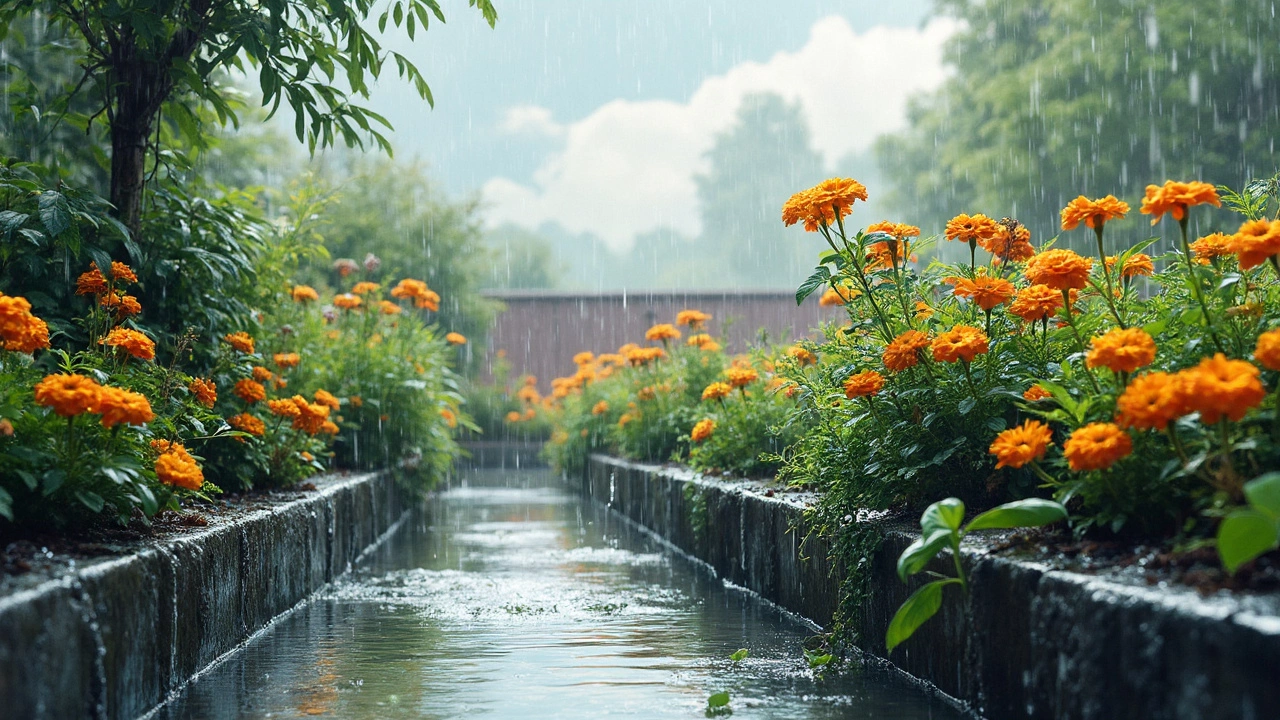
Understanding the right slope for your terrace slab is crucial for effective water drainage and maintaining a healthy garden. Without the proper slope, water can pool on your terrace, leading to structural damage and problems for your plants. This article explores the ideal slope, why it's important, and how you can achieve it for a thriving rooftop garden. By implementing these tips, you'll ensure that your garden can flourish without the hassle of excess water.
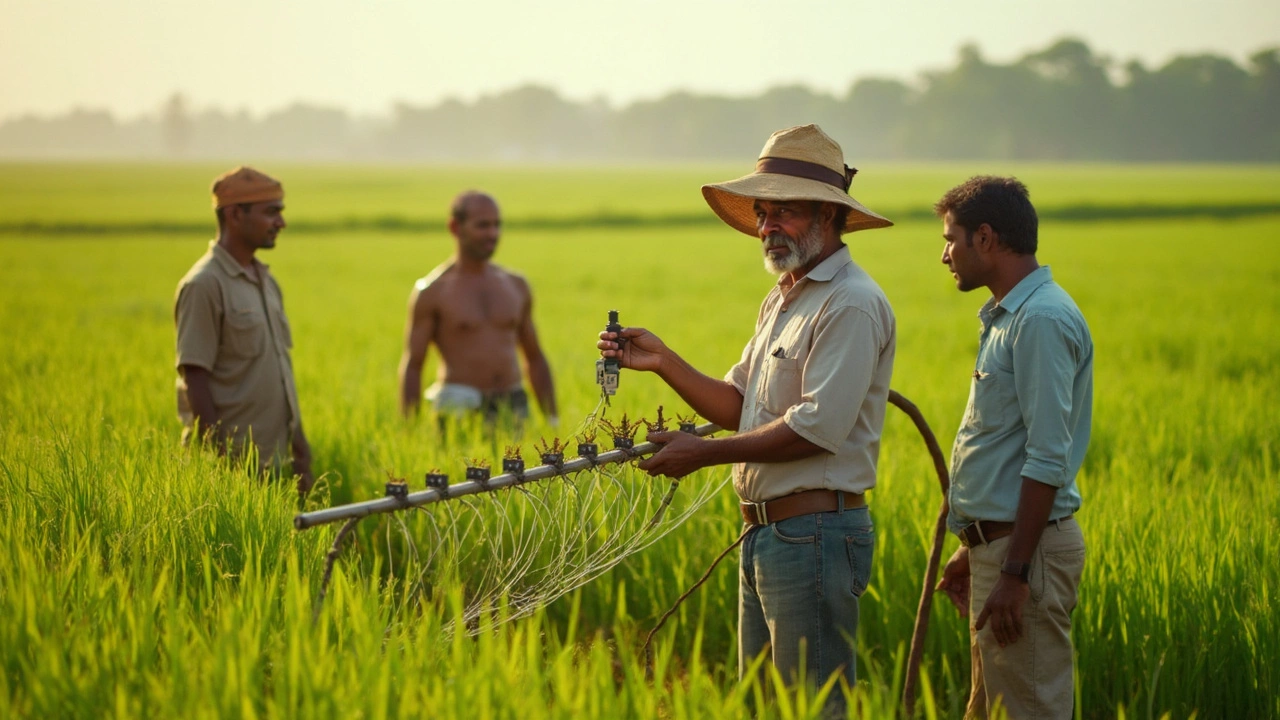
Most farmers still shy away from drip irrigation despite its efficiency. This article delves into the challenges and difficulties farmers face with adopting this water-saving technique. From understanding initial costs to the nuances of installation, get insights into why drip irrigation remains underutilized in agriculture.
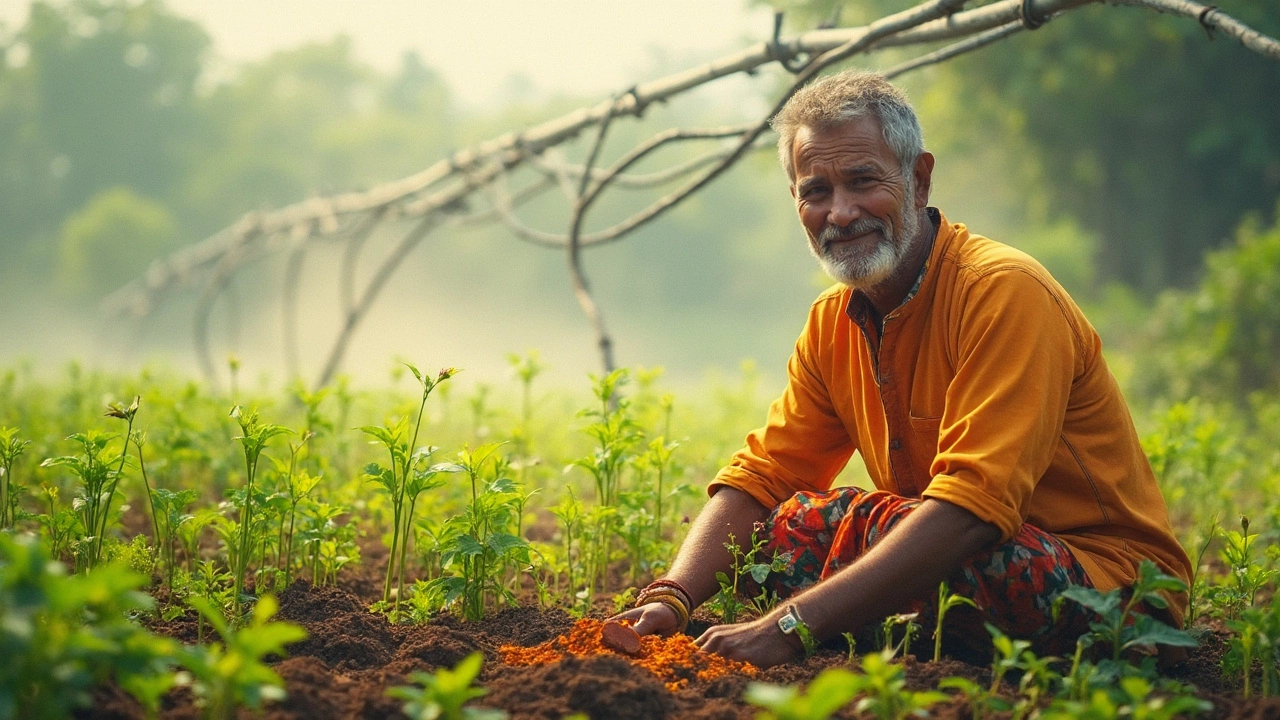
Regenerative agriculture is transforming the way we approach sustainable gardening by focusing on improving soil health, biodiversity, and water management. It offers an eco-friendly alternative to conventional farming methods but comes with its set of challenges. This approach not only promises a healthier environment but also boosts crop resilience and reduces the carbon footprint. However, some critics question its scalability and economic viability for larger operations. Let’s explore the pros and cons of regenerative agriculture in the gardening world.
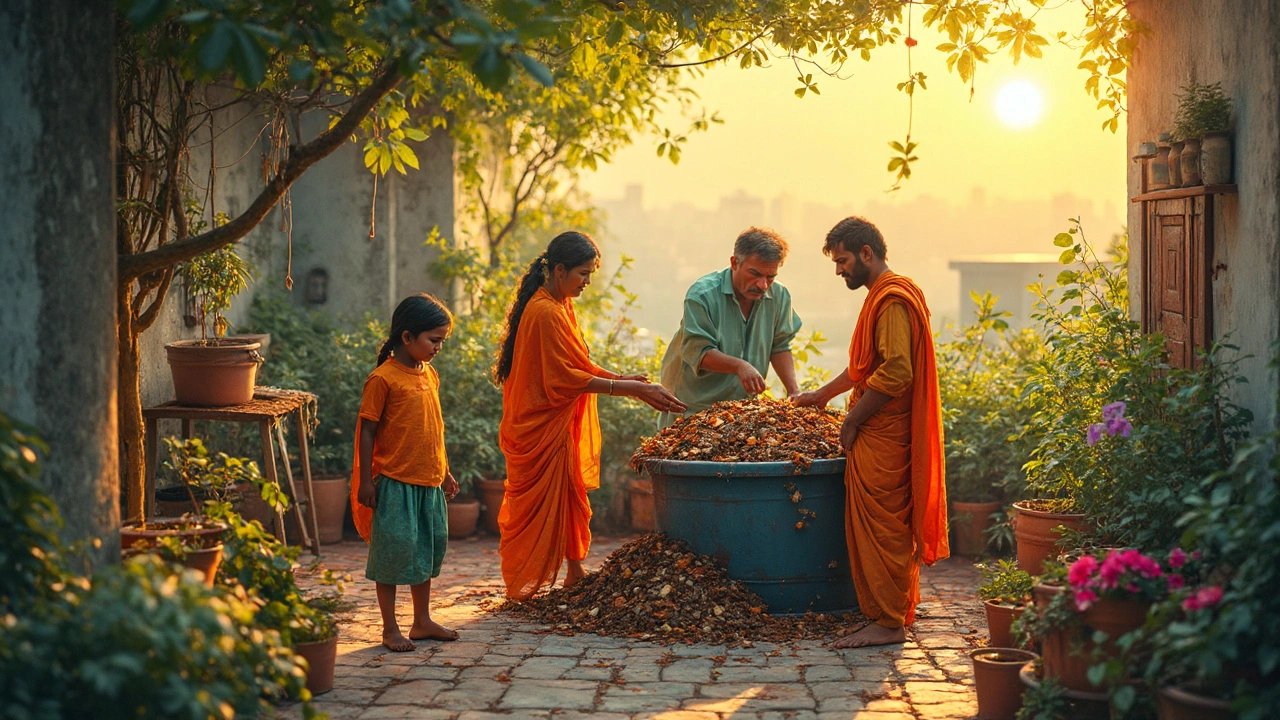
Composting is a great way to recycle organic waste and enrich soil, but it's not without its challenges. From smell and pest issues to the time commitment and space requirements, there are several drawbacks to consider. However, with the right tips and tricks, you can overcome these obstacles and have a successful composting experience. Here, we explore the common issues faced in composting and offer practical solutions to make it work for you.

Transform your balcony into a private green oasis with the right plants. This guide offers practical tips for choosing plants that provide both privacy and aesthetic appeal. From fast-growing vines to resilient shrubs, find out which greenery is best suited for your space and climate. Learn how to care for them and boost your balcony's privacy while staying eco-friendly.
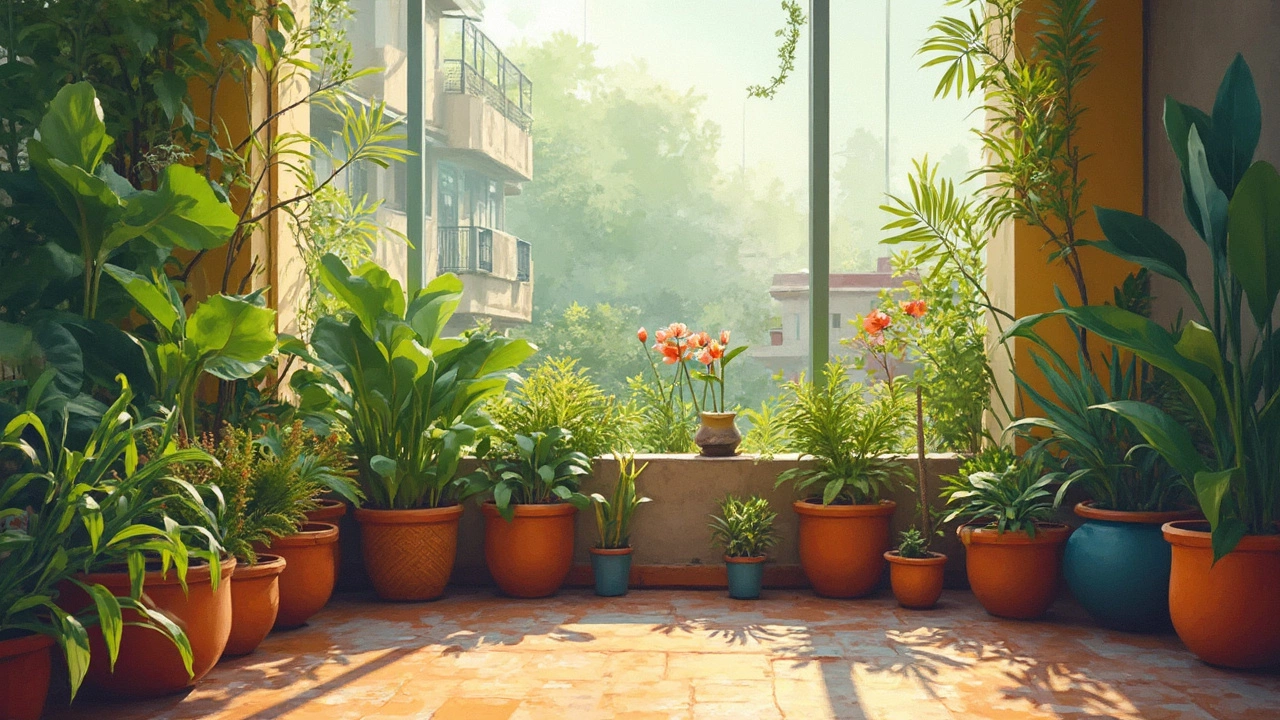
Arranging plants on a balcony isn't just about aesthetics—it's about making the most of limited space. With strategic placement, you can create a lush oasis even in a small urban setting. Understanding sunlight, plant type, and personal preference is key to maximizing greenery. This guide will walk you through choosing the right plants and positioning them for best growth.
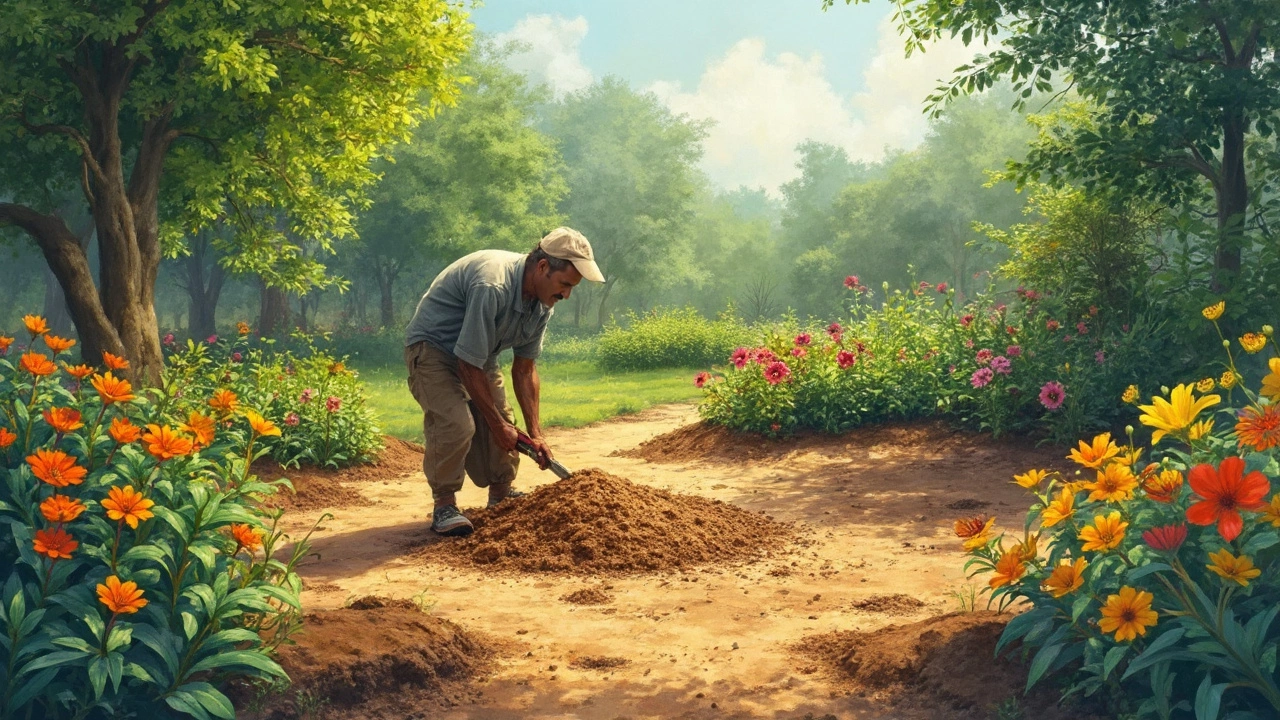
Mixing topsoil with existing soil might seem straightforward, but it can significantly impact plant growth. This guide explores when and how to mix soils effectively. We'll discuss soil types, benefits, and crucial tips for boosting your garden's health. Proper mixing can transform barren patches into lush landscapes.
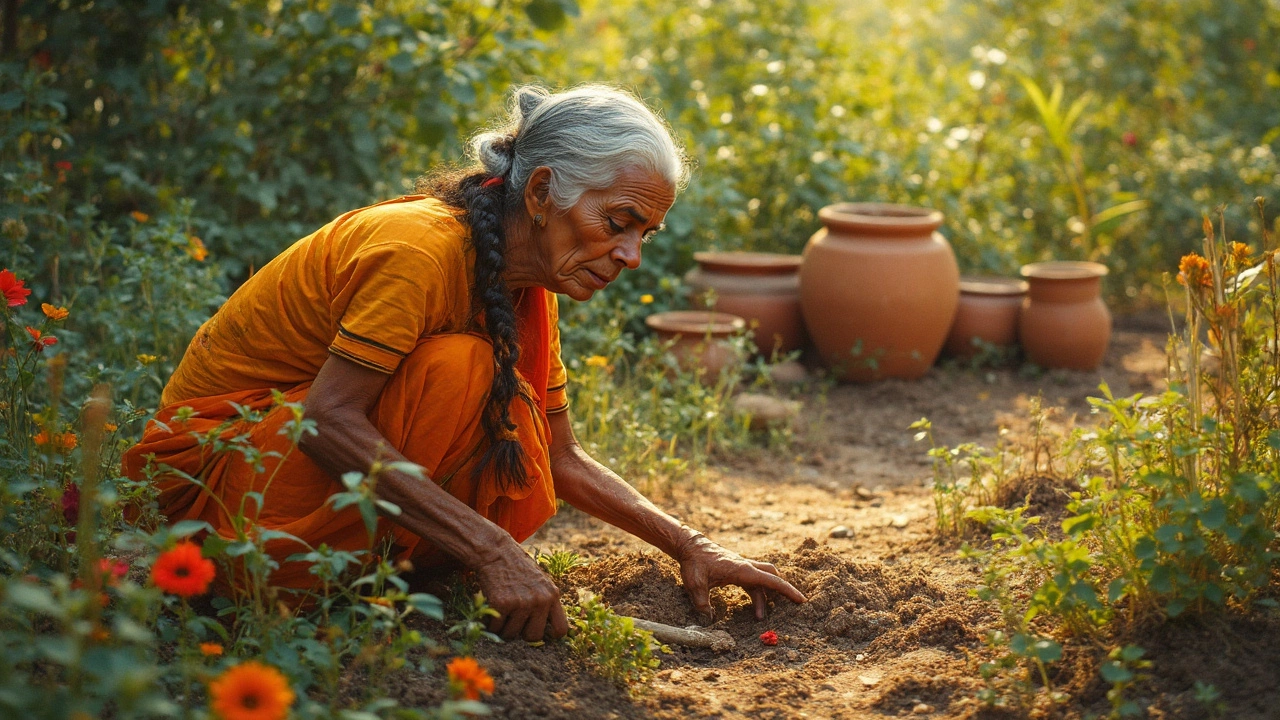
Breathing new life into old garden soil is key to having thriving plants and vibrant blooms. It's about more than just digging up the dirt—knowing the right techniques and materials can make all the difference. Explore ways to naturally replenish nutrients, optimize soil pH, and improve drainage. Get tips on effective composting, mulching, and eco-friendly practices. These strategies will turn tired soil into a nourishing haven for your garden.