Garden Tool Brand Finder
Answer these three questions to get a personalized brand recommendation.
Your Recommendation
Select your preferences and click the button to see which brands fit your needs best.
Recommended Brands
Why this fits you:
There is nothing worse than buying a shiny new pair of shears only to watch the blades snap or the handle crack after one season of use. You are not alone if you have felt that frustration. The market for garden tools is flooded with options, ranging from cheap plastic sets found at discount stores to premium forged steel instruments that cost as much as a decent dinner out. With so many choices, picking the right brand can feel overwhelming. But it does not have to be.
The truth is, there is no single "best" brand for everyone. Your ideal tool depends entirely on what you are growing, how much space you have, and whether you prefer the silence of manual labor or the speed of electric power. Some brands excel at ergonomic design for small hands, while others build tanks meant for clearing dense brambles. This guide breaks down the top contenders in 2026, helping you match your specific gardening needs with the manufacturers that deliver reliability, comfort, and longevity.
Understanding What Makes a Brand Reliable
Before looking at names, it helps to know what separates a good tool from a great one. Durability starts with materials. High-quality hand tools use drop-forged carbon steel for heads and hardwood or reinforced polymer for handles. Cheap alternatives often use cast metal, which is brittle and prone to breaking under stress. For powered equipment, look for brushless motors in drills and trimmers; they last longer, run cooler, and require less maintenance than brushed models.
Ergonomics matter just as much as strength. A heavy hoe might cut through weeds effectively, but if it vibrates excessively or has a poor grip, you will develop fatigue quickly. Top brands invest heavily in research to reduce strain on wrists and backs. Warranty length is another strong indicator of confidence. Brands that offer lifetime guarantees on hand tools or five-year warranties on batteries usually stand behind their engineering. Finally, consider the ecosystem. If you buy into a battery platform like Makita or DeWalt, ensure they have enough compatible accessories for all your future projects.
Top Picks for Hand Tools
Hand tools are the backbone of any garden. They require no fuel, produce zero emissions, and give you precise control over delicate tasks. Here are the brands leading the pack in this category.
| Brand | Key Strength | Best For | Price Range |
|---|---|---|---|
| Fiskars | Ergonomic Design | Home gardeners, small spaces | Moderate |
| Bosch | Precision Engineering | Detailed work, pruning | High |
| Solo | Traditional Craftsmanship | Heavy-duty digging, hedging | Very High |
| Gardena | Versatility | All-around home use | Moderate |
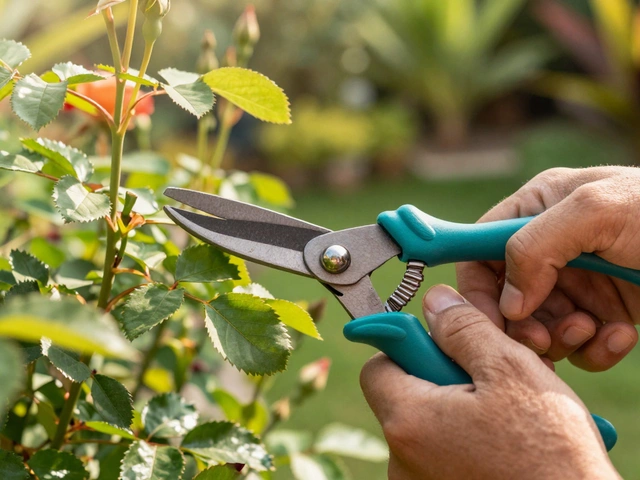
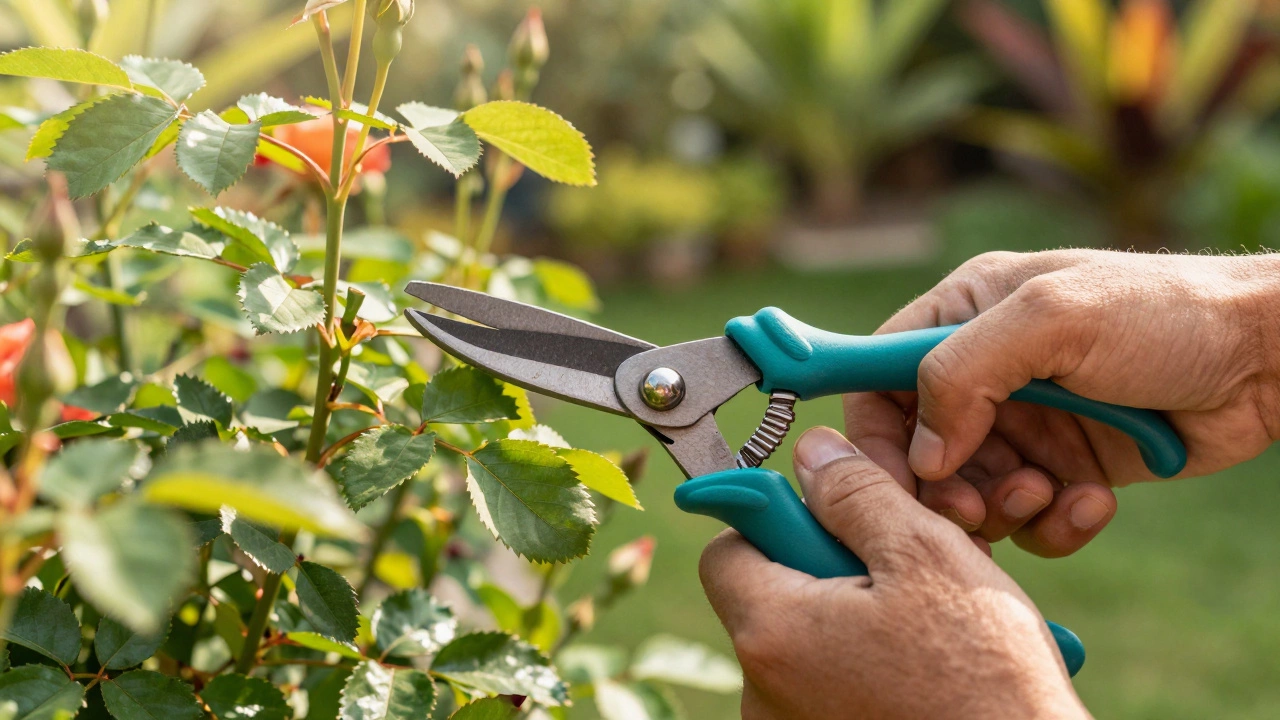
Fiskars is a Finnish company renowned for its innovative ergonomic designs. Their shears and loppers feature patented leverage systems that make cutting thick branches feel effortless. If you have arthritis or limited hand strength, Fiskars is likely your best friend. Their AluminumMax line offers incredible durability without adding weight, making them perfect for extended sessions in the flowerbeds.
Bosch, known primarily for power tools, produces exceptional hand pruners and secateurs. Their precision-engineered blades stay sharp longer and provide clean cuts that heal quickly, reducing the risk of disease entering plants. Bosch tools often come with comfortable rubber grips that absorb shock, protecting your joints during repetitive tasks.
For those who view gardening as a serious craft, Solo is a British heritage brand famous for high-carbon steel tools. Solo’s hoes, spades, and rakes are built to last generations. They are heavier than modern competitors, but that weight translates to momentum when breaking ground. The brand uses traditional wooden handles, which some gardeners prefer for their natural feel and repairability.
Gardena strikes a balance between affordability and quality. Their CombiSystem allows you to swap attachments on a single handle, saving space in smaller sheds. While not as rugged as Solo, Gardena tools are more than capable for typical suburban gardens and offer excellent value for money.
Leading Brands in Powered Equipment
If your garden is large or involves significant earthmoving, powered tools become essential. The shift toward cordless technology has been massive in recent years, offering the convenience of gas engines without the noise and fumes.
Husqvarna remains the gold standard for professional-grade outdoor power equipment. Their chainsaws, hedge trimmers, and lawn mowers are incredibly powerful and reliable. Husqvarna’s AutoTune technology adjusts engine performance automatically based on load and temperature, ensuring consistent power delivery. However, this performance comes at a premium price point.
Makita has revolutionized the cordless market with its LXT 18V battery platform. One battery powers everything from leaf blowers to string trimmers and even impact wrenches. This interoperability makes Makita a smart investment if you plan to expand your toolkit. Their brushless motors are efficient and quiet, making them ideal for residential areas with noise restrictions.
Einhell offers an affordable alternative with its Power X-Change system. Similar to Makita, Einhell’s batteries fit across a wide range of tools. While the build quality may not match Husqvarna’s industrial toughness, Einhell provides impressive performance for the average homeowner at a fraction of the cost.
Specialized and Eco-Friendly Options
Sustainability is becoming a priority for many gardeners. Electric tools eliminate tailpipe emissions, but manufacturing impacts still exist. Some brands focus on eco-friendly materials and ethical production.
Stiga is increasingly focusing on sustainable innovation, particularly in electric ride-on mowers and robotic lawn care solutions. Their products are designed for energy efficiency and long lifespans, reducing waste over time. Stiga also emphasizes recyclable materials in their packaging and components.
For organic growers, Radius Garden stands out. Based in California, Radius specializes in tools designed for people with physical limitations. Their patented Grip System rotates to maintain a neutral wrist position, significantly reducing strain. Many of their tools are made from recycled plastics and sustainably sourced wood.
How to Choose the Right Brand for You
Selecting the best brand requires honest self-assessment. Ask yourself these questions:
- What is my budget? Premium brands like Solo and Husqvarna require upfront investment but save money long-term by lasting decades. Budget brands like Einhell offer lower entry costs but may need replacement sooner.
- How big is my garden? Small balconies or terraces benefit from lightweight, compact tools from Fiskars or Gardena. Large plots with trees and shrubs demand the power of Husqvarna or Makita.
- Do I have physical limitations? If joint pain or reduced grip strength is a concern, prioritize ergonomics. Radius Garden and Fiskars lead in this area.
- Am I willing to maintain tools? Gas-powered equipment requires regular oil changes, spark plug replacements, and air filter cleaning. Cordless electric tools need minimal maintenance-mostly just charging batteries and keeping blades sharp.
Consider mixing brands. You do not need to commit to one manufacturer for every tool. Use Fiskars for pruning, Makita for blowing leaves, and Solo for digging beds. This hybrid approach lets you leverage each brand’s strengths without overspending.
Common Pitfalls to Avoid
One common mistake is buying complete tool sets. These bundles often include low-quality items you never use, such as tiny trowels or poorly balanced rakes. Instead, purchase individual tools based on immediate needs. Start with essentials: a sharp pair of secateurs, a sturdy spade, and a comfortable glove pair. Add specialized tools later as your gardening skills grow.
Another pitfall is ignoring warranty terms. Always register your products online. Some brands void warranties if tools are used commercially or modified. Keep receipts and documentation safe. Also, check local availability. A great brand is useless if you cannot find replacement parts or service centers nearby.
Finally, resist the temptation to chase the latest features unless they solve a real problem. Fancy LED lights on hedge trimmers or app-connected mowers sound exciting but rarely improve core functionality. Focus on blade quality, motor efficiency, and handle comfort.
Maintenance Tips for Longevity
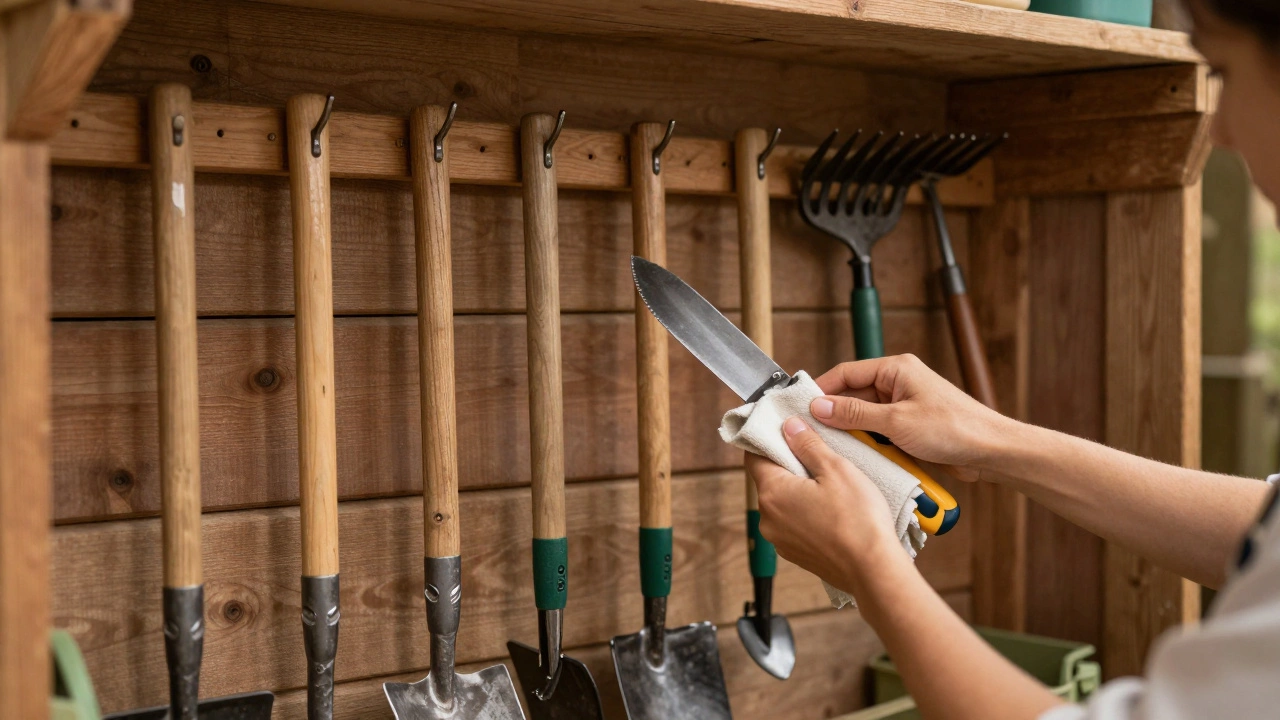
Even the best tools degrade without care. Clean dirt and sap off blades after each use with a damp cloth and mild soap. Dry thoroughly to prevent rust. Sharpen cutting edges regularly using a file or sharpening stone. Oiling moving parts reduces friction and extends lifespan. Store tools in a dry place, preferably hanging to avoid moisture buildup on handles.
For battery-powered equipment, store batteries at room temperature and avoid leaving them fully discharged for long periods. Most lithium-ion batteries last three to five years before capacity drops significantly. Rotate usage among multiple batteries to distribute wear evenly.
Is it worth buying expensive garden tools?
Yes, if you garden regularly. Expensive tools are typically made from higher-grade materials, offer better ergonomics, and come with longer warranties. Over time, they save money by reducing the frequency of replacements and improving efficiency.
Which brand is best for beginners?
Fiskars and Gardena are excellent starting points. They offer affordable, user-friendly tools with good durability. Both brands provide comprehensive ranges suitable for basic planting, weeding, and pruning tasks.
Are cordless garden tools as powerful as gas ones?
For most home users, yes. Modern brushless motors in brands like Makita and Husqvarna deliver comparable torque and runtime. Gas tools still hold an edge for extreme professional applications, but cordless tech has closed the gap significantly.
How often should I replace my garden tools?
Quality hand tools can last decades with proper care. Replace them only when handles break beyond repair or blades become too worn to sharpen. Battery-powered tools may need battery replacements every 3-5 years, but the main unit often lasts longer.
Can I mix different brands of garden tools?
Absolutely. Mixing brands allows you to choose the best tool for each specific task. Just ensure that any battery-powered tools share the same voltage platform if you want to minimize charger clutter.