Plant Finder: Perfect Match for Your Indian Home
Not sure which plant to pick? Tell us about your space, and we'll recommend the best match from the guide.
Key Takeaways for Indian Homes
- Air Purifiers: Snake Plants and Areca Palms are winners for urban pollution.
- Low Light: ZZ Plants and Pothos work best in dim corners.
- Sun Lovers: Aloe Vera and Jade plants thrive on south-facing balconies.
- Seasonal Shift: Adjust watering during the monsoon to avoid root rot.
The Unstoppable Air Purifiers
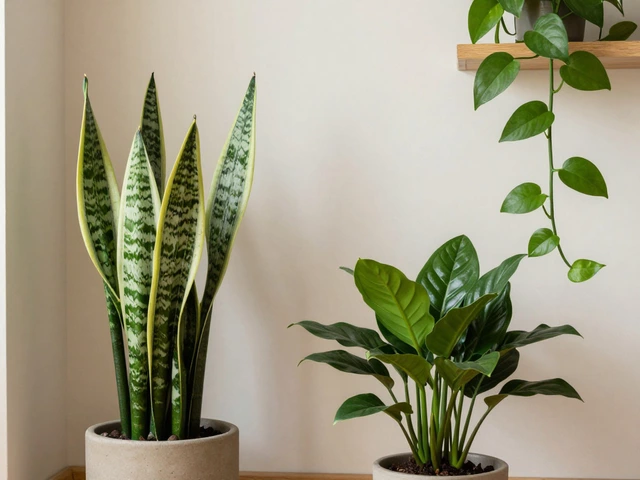
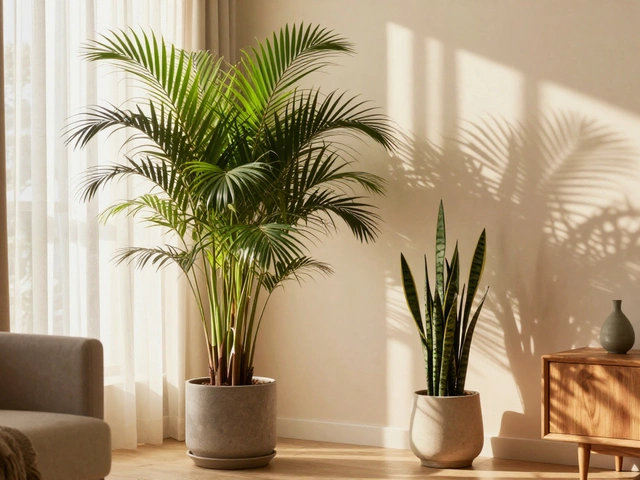
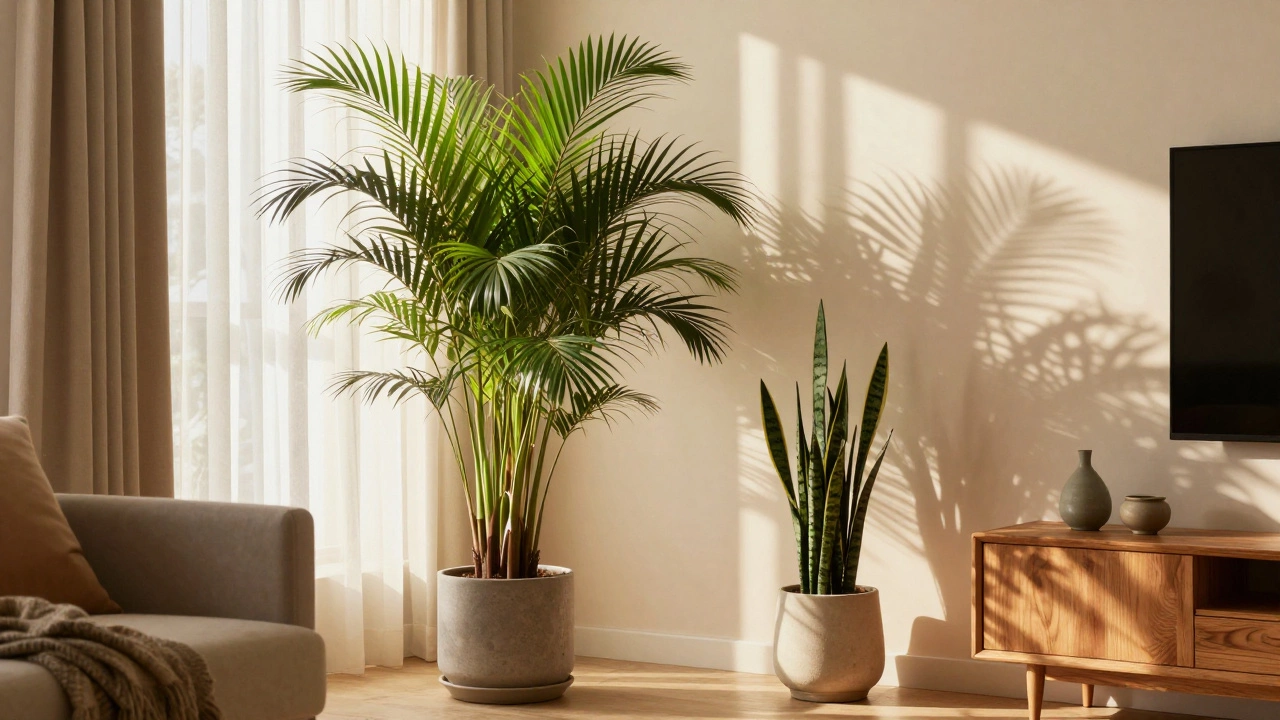
Living in a city like Bangalore or Delhi means your plants are doing more than just looking pretty; they're fighting smog. Snake Plant is a hardy succulent known for converting carbon dioxide into oxygen at night. Also called Sansevieria, it's practically immortal. You can forget to water it for three weeks, and it'll still look great. It’s perfect for bedrooms because it helps you breathe better while you sleep.
Then there's the Areca Palm, which is a clustering palm that acts as a natural humidifier. In the dry heat of an Indian summer, this plant releases moisture into the air, keeping your skin and throat from drying out. Just keep it away from direct midday sun, or the leaves will scorch and turn brown.
Low-Light Champions for Dim Apartments
Not every home has huge glass windows. If your living room feels a bit cave-like, you need plants that don't crave constant sunlight. ZZ Plant is a slow-growing perennial with waxy, deep green leaves. It survives on almost nothing-very little light and very little water. If you have a home office with only artificial light, this is your best bet.
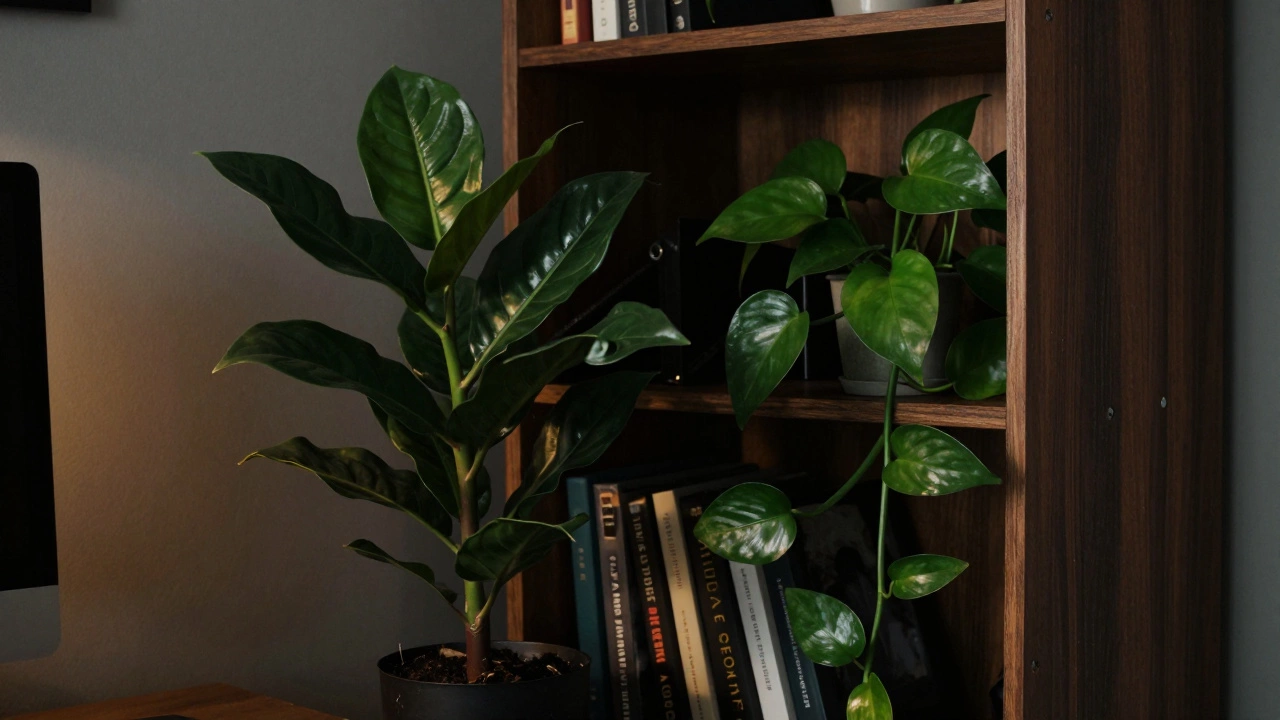
You can't talk about Indian homes without mentioning Money Plant, formally known as Epipremnum aureum or Pothos. It's a staple in almost every Indian household for a reason: it grows in soil, water, or both. Whether you let it climb a wall or hang it from a basket, it handles the varying light levels of a typical apartment with ease. Just trim the vines occasionally so it doesn't take over your entire bookshelf.
Sun-Drenched Balcony Favorites
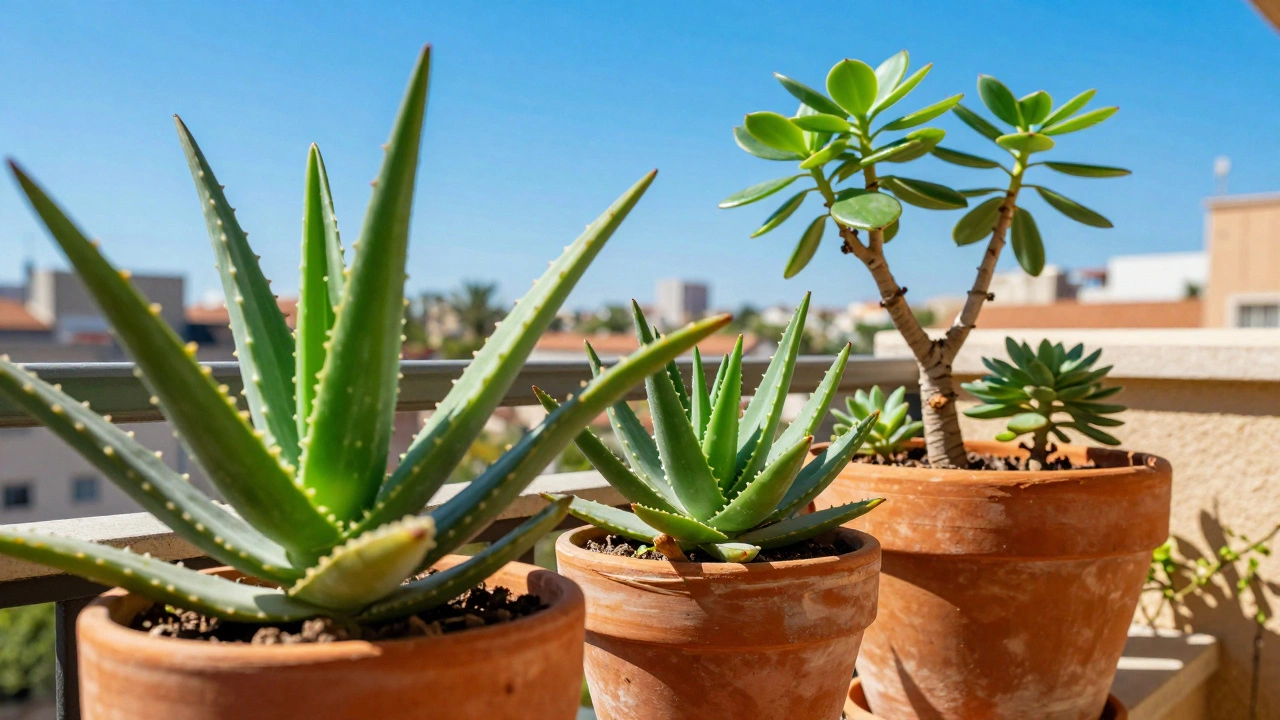
If you have a bright, south-facing balcony, you can bring in the heavy hitters. Aloe Vera is a succulent species known for its medicinal gel and thick, spiked leaves. Beyond its look, the gel is a lifesaver for treating kitchen burns or soothing a sunburn after a trip to Goa. It needs gritty, well-draining soil because if the roots sit in water for too long, the plant will collapse.
Another great choice is the Jade Plant, which is often associated with good luck and prosperity. It has thick, woody stems and fleshy leaves that store water, making it ideal for those of us who occasionally forget a watering session. It loves the bright Indian sun, which helps it maintain its compact, shrub-like shape.
| Plant Name | Light Requirement | Watering Frequency | Best Location |
|---|---|---|---|
| Snake Plant | Low to Bright | Every 2-3 weeks | Bedroom / Living Room |
| Areca Palm | Bright Indirect | Once a week | Living Room / Veranda |
| ZZ Plant | Very Low | Every 3 weeks | Office / Hallway |
| Money Plant | Low to Moderate | When topsoil dries | Anywhere |
| Aloe Vera | High Direct | Every 2 weeks | Balcony / Window Sill |
Managing Plants Through Indian Seasons
The biggest mistake people make is treating their plants the same way all year. In India, your watering schedule should change with the calendar. During the summer peaks (April to June), water more frequently, but do it early in the morning to prevent the water from evaporating instantly. If you're in a region with extreme heat, consider misting the leaves of your palms to mimic a tropical environment.
When the monsoon hits, stop watering almost entirely. The humidity in the air is so high that the soil stays damp for days. If you keep watering during July and August, you'll likely see fungus gnats or root rot. This is also the best time to repot your plants into a fresh mix of Coco Peat and compost, as the moisture helps the roots settle in.
Winter in North India can be surprisingly harsh. Most indoor plants are tropical, so they hate the cold. If the temperature drops below 10°C, move your plants away from drafty windows. Avoid fertilizing during the winter dormant phase; wait until the first sign of spring in February to give them a nutrient boost.
Common Pitfalls to Avoid
Overwatering is the number one killer of indoor plants in India. Because the humidity is often high, the soil doesn't dry out as fast as it would in a desert. Always use the "finger test": stick your finger an inch into the soil. If it feels damp, leave it alone. If it's dry, give it a drink. Also, make sure your pots have drainage holes. A pot without a hole is basically a swimming pool for the roots, and no plant likes to drown.
Another issue is the buildup of hard water minerals. Many Indian cities have "hard" water, which leaves white crusty deposits on the soil and leaves. If you notice this, try using filtered water or let the tap water sit in a bucket overnight before using it. This allows some of the chemicals to dissipate and prevents the leaves from getting brown tips.
The Right Soil Mix for Your Home
Don't just use the red soil from your backyard. It's often too heavy and packs down tightly, suffocating the roots. For indoor plants, you want a mix that is airy. A combination of Vermicompost for nutrients, coco peat for moisture retention, and perlite or coarse sand for drainage is the gold standard. For succulents like Aloe Vera, increase the sand ratio to ensure water flows through quickly.
Which plant is the most low-maintenance for beginners?
The Snake Plant is widely considered the easiest. It can survive in low light and doesn't need frequent watering, making it perfect for people who are new to gardening or have busy schedules.
Can I grow these plants in small apartments without a balcony?
Absolutely. Plants like the ZZ Plant and Money Plant are specifically suited for indoor environments with limited natural light. Place them near a window or under a bright LED lamp to keep them healthy.
Why are my plant leaves turning yellow?
Yellow leaves are usually a sign of overwatering, which leads to root rot. It can also happen if the plant isn't getting enough nutrients. Check the soil moisture and consider adding a bit of organic compost.
Are any of these plants toxic to pets?
Yes, many common indoor plants like the Snake Plant and Money Plant can be toxic to cats and dogs if ingested. It's best to place these on high shelves or in areas where your pets cannot reach them.
How often should I fertilize my indoor plants?
In India, the best time to fertilize is during the growing season (spring and summer). Once every 4-6 weeks with a balanced liquid fertilizer or a handful of vermicompost is usually enough.
Next Steps for Your Green Home
If you're just starting, don't buy ten plants at once. Start with one best home plants for India choice, like a Money Plant or a Snake Plant. Get a feel for how it reacts to the light and humidity in your specific room. Once you've kept one plant alive for three months, you can gradually add more variety. If you're feeling adventurous, try propagating your Money Plant in water-it's a rewarding way to create new plants for free and share them with friends.