Monsoon Garden Selector
Step 1: Your Garden Conditions
Select the conditions that best describe your outdoor space.
Step 2: Choose a Flower Type
Click on a card to see if it matches your conditions.
is a Perfect Match!
Have you ever noticed how the air changes just before the first heavy rains hit? That specific humidity triggers a burst of life in gardens across India. The monsoon is the annual rainy season that brings essential water to agricultural and domestic landscapes in South Asia isn't just about staying dry; it’s the perfect time to plant flowers that thrive in damp soil and high humidity. If your garden looks dull during the summer heat, the rainy season offers a chance to bring vibrant colors back with minimal effort.
Finding the right plants can be tricky because not every flower handles standing water well. Some common garden favorites actually rot in the rain, while others explode into bloom. This guide breaks down exactly which flowers love the Indian monsoon, how to care for them when everything gets wet, and why these specific blooms are worth adding to your patch.
Top Flowers That Thrive in the Indian Monsoon
The key to a successful rainy season garden is choosing plants that naturally prefer moisture. Here are the most reliable performers across different regions of India.
Hibiscus (Gudhal)
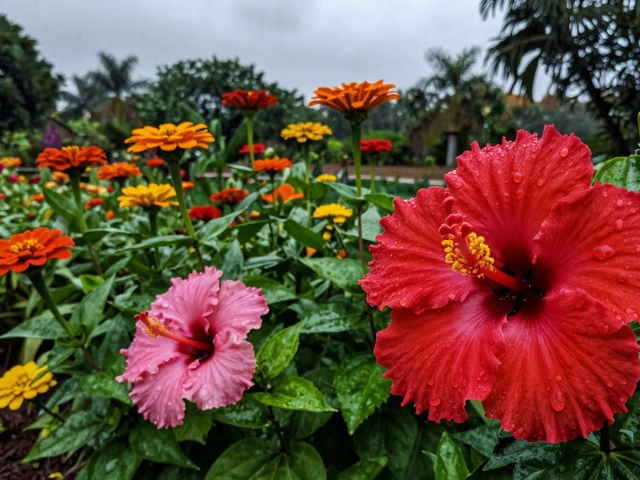
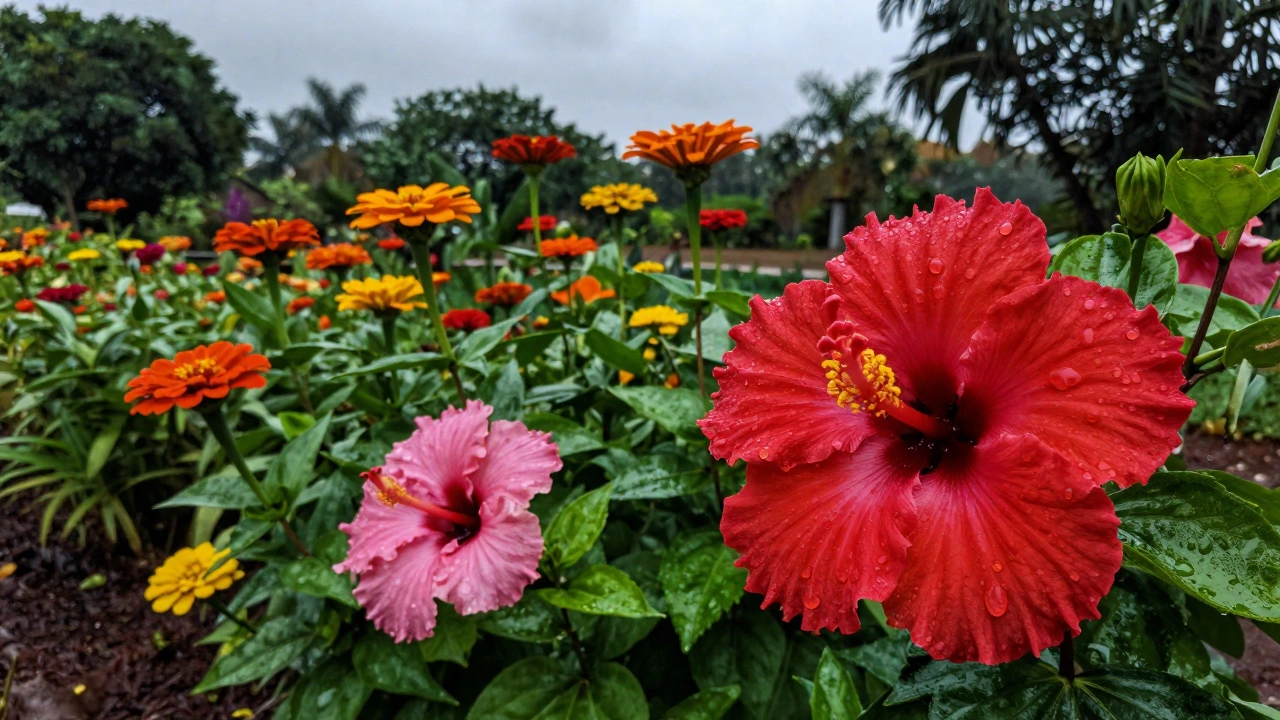
You likely know the Hibiscus rosa-sinensis is a tropical shrub known for its large, showy flowers and ability to tolerate humid conditions. It is arguably the king of the Indian monsoon garden. Unlike many other ornamentals, Hibiscus doesn’t just survive the rain; it seems to feed on it. During the wet months, you’ll see larger blooms and faster growth. They come in red, pink, yellow, and white, providing constant color from June through September. Plant them in spots where they get morning sun but some afternoon shade, as the midday rain can sometimes beat down hard.
Zinnia
If you want something quick and cheerful, look no further than Zinnia elegans is an annual flowering plant prized for its bright, daisy-like blooms and tolerance for hot, humid weather. Zinnias are incredibly forgiving. You can sow seeds directly into the ground as soon as the first rains soften the soil. They grow fast, often blooming within six weeks. Their sturdy stems hold up better against wind and rain compared to delicate annuals like marigolds, which might droop. Plus, bees love them, so you’ll get plenty of pollinator activity even on cloudy days.
Lily of the Nile (Agapanthus)
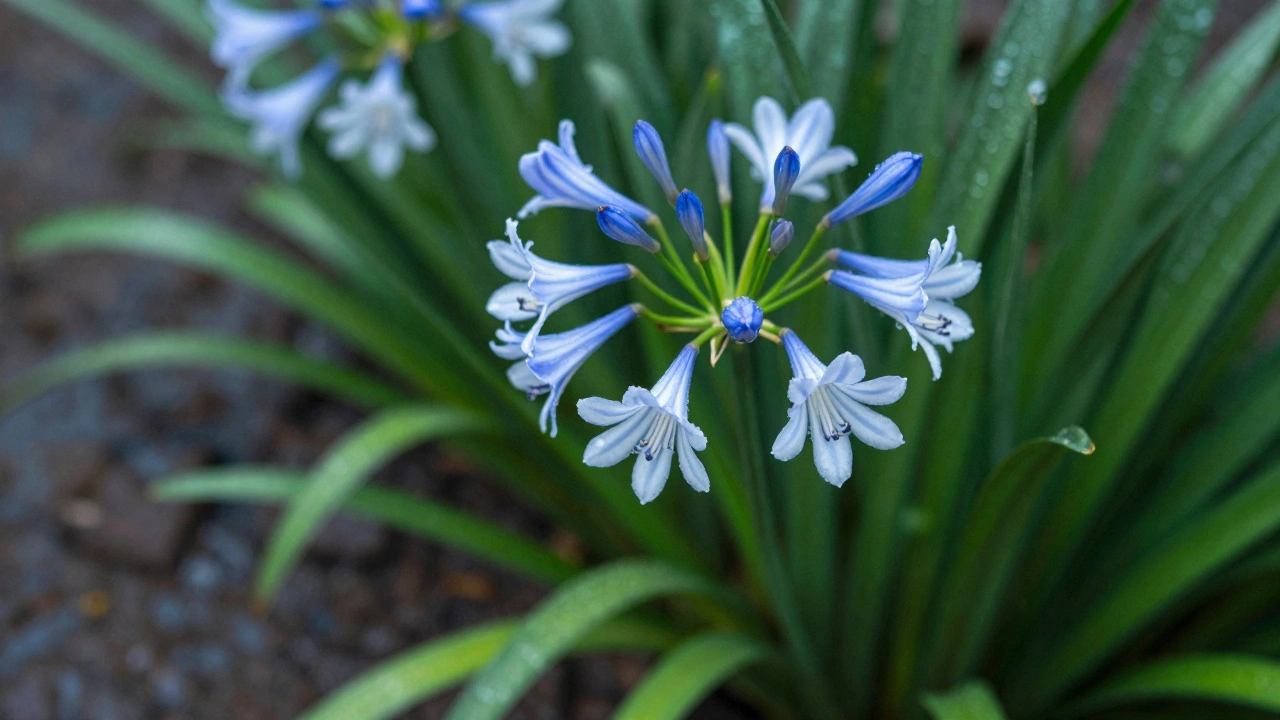
This one is a bit more exotic but gaining popularity in urban gardens. The Agapanthus africanus is a perennial bulbous plant producing clusters of blue or white trumpet-shaped flowers loves soggy feet. In fact, if your garden has a low-lying area that stays wet after heavy showers, this is the place for Agapanthus. The spikes of blue or white flowers stand tall above the foliage, looking striking against dark green leaves. They require very little maintenance once established, making them ideal for busy homeowners.
Marigold (Genda)
We can’t talk about Indian gardens without mentioning Marigolds. While they are year-round staples, their peak performance is often during the cooler, wetter parts of the monsoon. Tagetes erecta is a hardy annual flower widely used in Indian culture for decoration and pest control due to its strong scent. They repel nematodes in the soil, acting as a natural guardian for your vegetables too. Just ensure they have good drainage; while they like moisture, sitting in stagnant water will cause root rot quickly.
Bougainvillea
Many people think Bougainvillea only thrives in drought, but it actually puts on a spectacular show during the rains if pruned correctly. A light trim before the monsoon starts encourages new shoots, which then burst into those iconic papery bracts. Choose varieties with purple or magenta tones, as they contrast beautifully with the lush green backdrop of the rainy season.
Why These Flowers Work When Others Fail
You might wonder why standard roses or petunias struggle while Hibiscus flourishes. It comes down to physiology. Rainy season winners typically have:
- Waxy Leaves: Plants like Hibiscus and Bougainvillea have thicker cuticles that prevent fungal spores from sticking easily.
- Rapid Growth Cycles: Annuals like Zinnia grow so fast they outpace potential diseases.
- Deep Root Systems: Perennials like Agapanthus anchor themselves deep, avoiding surface-level waterlogging issues.
Understanding these traits helps you select future additions. Look for plants labeled "tropical" or "sub-tropical" rather than "temperate." Temperate flowers often expect a dry winter dormancy period, which the Indian monsoon does not provide.
Caring for Your Garden During Heavy Rains
Planting the right flowers is only half the battle. The monsoon brings challenges like fungal infections, nutrient leaching, and physical damage from wind. Here is how to keep your blooms healthy.
Prevent Fungal Diseases
High humidity is the breeding ground for powdery mildew and leaf spot. To combat this, improve air circulation around your plants. Prune away any dead or crowded branches before the rains start. Avoid watering the leaves directly in the evening; instead, water at the base of the plant early in the morning. This gives the foliage time to dry out before nightfall, reducing the risk of mold.
Protect Against Wind Damage
Monsoon storms can be violent. Staking taller plants like Sunflowers or Delphiniums is essential. Use bamboo stakes and soft ties to secure them gently. For potted plants, move heavier pots to sheltered corners of your balcony or terrace. Light plastic pots can blow over easily, so consider anchoring them or grouping them together for stability.
Nutrient Management
Heavy rain washes away nutrients from the soil, particularly nitrogen. You might notice your plants turning pale or growing slowly despite the water. Apply a slow-release organic fertilizer or compost tea every three weeks during the monsoon. This replenishes what the rain takes away without burning the roots. Neem cake is an excellent option here, as it also acts as a pesticide against fungus gnats that thrive in wet soil.
Comparison of Top Monsoon Flowers
| Flower Name | Sunlight Needs | Water Tolerance | Maintenance Level | Best For |
|---|---|---|---|---|
| Hibiscus | Full Sun to Partial Shade | High | Low | Tropical borders, privacy screens |
| Zinnia | Full Sun | Moderate | Low | Quick color, cut flowers |
| Agapanthus | Full Sun | Very High | Very Low | Wet areas, modern landscaping |
| Marigold | Full Sun | Moderate | Low | Vegetable companions, borders |
| Bougainvillea | Full Sun | Low (needs drainage) | Medium (pruning needed) | Fences, trellises, walls |
Common Mistakes to Avoid
Even experienced gardeners make errors during the monsoon. One major pitfall is overwatering. Since nature is doing the job for you, stop manual irrigation unless there is a dry spell. Check the soil moisture by sticking your finger two inches deep; if it feels damp, leave it alone. Another mistake is planting in heavy clay soil without amending it. Clay holds water and leads to root suffocation. Mix in sand or coco peat to improve drainage before planting.
Also, avoid pruning during active rainfall. Wet tools spread bacteria and fungi between cuts. Wait for a sunny break to do any trimming, and disinfect your shears with alcohol before use.

Regional Considerations Across India
India’s climate varies significantly. In the North (like Delhi or Punjab), the monsoon is shorter and cooler. Focus on hardy annuals like Zinnias and Marigolds that can handle the temperature drop. In the West (Maharashtra, Goa), the rains are intense and prolonged. Go for robust perennials like Hibiscus and Duranta. In the South (Kerala, Tamil Nadu), humidity is extreme. Airflow is critical here, so space plants wider apart and choose disease-resistant varieties like Agapanthus.
For East India (West Bengal, Odisha), where cyclones are a risk, secure all structures and choose flexible-stemmed plants that bend rather than break in high winds.
Next Steps for Your Monsoon Garden
Start by assessing your garden’s drainage. Identify low spots where water pools. These are prime real estate for Agapanthus or Cannas. Clear debris from last season to prevent mold. Sow your Zinnia seeds now if you haven’t already. Finally, stock up on neem oil spray for emergency fungal treatments. With these steps, your garden will transform from a muddy mess into a vibrant, rain-kissed paradise.
Which flower blooms only in the rainy season in India?
While many flowers bloom year-round, Hibiscus and Zinnia show their most vigorous growth and abundant blooming specifically during the monsoon months. The increased humidity and consistent moisture trigger rapid development in these species, making them appear as if they 'only' bloom in the rain, although they can survive other seasons with proper care.
Can I plant roses during the monsoon?
It is generally not recommended to plant new rose bushes during the heavy monsoon. Roses are prone to black spot and powdery mildew in high humidity. If you must plant them, ensure excellent drainage and apply fungicide regularly. Established roses should be pruned lightly to improve air circulation, but avoid fertilizing heavily as this promotes weak, disease-prone growth.
How do I protect my indoor plants from excess humidity?
Reduce watering frequency significantly during the monsoon. Place fans near windows to increase air circulation. Wipe dust off leaves weekly, as dust traps moisture and encourages fungal growth. Move sensitive plants away from leaking roofs or damp walls. Consider using dehumidifiers in enclosed balconies if mold becomes an issue.
What is the best fertilizer for rainy season plants?
Organic options like Neem Cake or Vermicompost are best. They release nutrients slowly and help suppress soil-borne pests. Chemical fertilizers can leach away too quickly in heavy rain, leading to runoff pollution and wasted money. Apply organic mulch around the base of plants to retain structure and reduce erosion.
Why are my flowers dying despite plenty of rain?
The most common cause is root rot due to poor drainage. Even rain-loving plants need oxygen in their root zone. If water stands for more than 24 hours, roots suffocate. Check if your soil is clay-heavy; if so, amend it with sand or perlite. Also, inspect for fungal infections on leaves, which can block photosynthesis and kill the plant.
Are there any edible flowers that grow in the monsoon?
Yes, Marigolds and Hibiscus petals are edible. Marigold petals add color and a slight citrus flavor to salads, while Hibiscus flowers are often used to make tangy teas or jams. Ensure you buy organic plants or treat them thoroughly to remove pesticides before consuming any part of the flower.
How often should I prune monsoon plants?
Prune lightly every 3-4 weeks during the monsoon to maintain shape and encourage new blooms. Remove spent flowers (deadheading) immediately to prevent energy waste. Always prune during dry spells to allow cuts to heal quickly and reduce infection risk. Avoid heavy structural pruning during active rainfall.
Can I grow bulbs like Tulips in the Indian monsoon?
No, Tulips require a cold dormancy period and cool, dry winters. They will rot in the hot, humid Indian monsoon. Stick to tropical bulbs like Amaryllis or Gladiolus, which are adapted to warmer, wetter conditions and will bloom reliably during this season.