Perennial Vegetable Savings Calculator
Your Annual Vegetable Costs
Perennial Vegetable Investment
Savings Analysis
Most gardeners plant vegetables like tomatoes, cucumbers, and lettuce every spring, only to pull them out in fall. But what if you could plant once and eat for years? There’s a quiet revolution happening in backyard gardens: perennial vegetables. These aren’t just hardy herbs or ornamental plants-they’re actual food crops that return year after year without replanting. And in a world where climate shifts and rising costs make gardening harder, they’re one of the smartest moves you can make.
Why Perennial Vegetables Matter
Every time you plant an annual vegetable, you’re using seeds, soil, water, and energy to grow something that dies in six months. Perennial vegetables break that cycle. Once established, they come back on their own, cutting down on labor, waste, and the need to buy new plants every season. They also build healthier soil over time. Their deep roots hold onto nutrients, prevent erosion, and create space for beneficial microbes. In Brighton, where winters are damp and springs are unpredictable, these plants are especially valuable because they don’t need to be replanted after frost damage.
According to the Royal Horticultural Society, gardens with perennial crops use up to 40% less water and require 60% less maintenance than traditional vegetable beds. That’s not just convenient-it’s a game-changer for sustainable living.
The Top Perennial Vegetables That Come Back Every Year
Not all perennials are the same. Some take years to mature. Others are picky about soil. Here are the top five that reliably return in UK conditions-and taste great too.
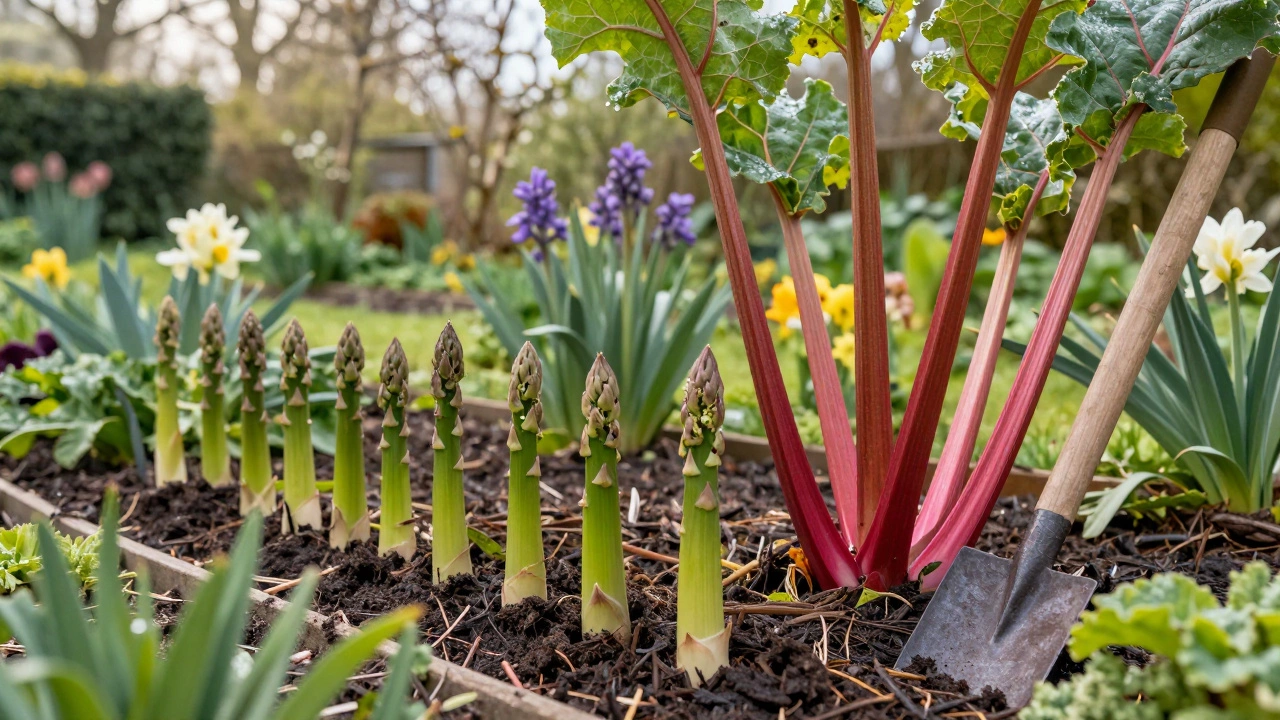
- Asparagus - The classic. Plant crowns in early spring, and you’ll get spears for 15-20 years. Don’t harvest the first year. Wait until year three, and you’ll get a spring harvest that lasts 6-8 weeks. It thrives in well-drained soil and loves full sun.
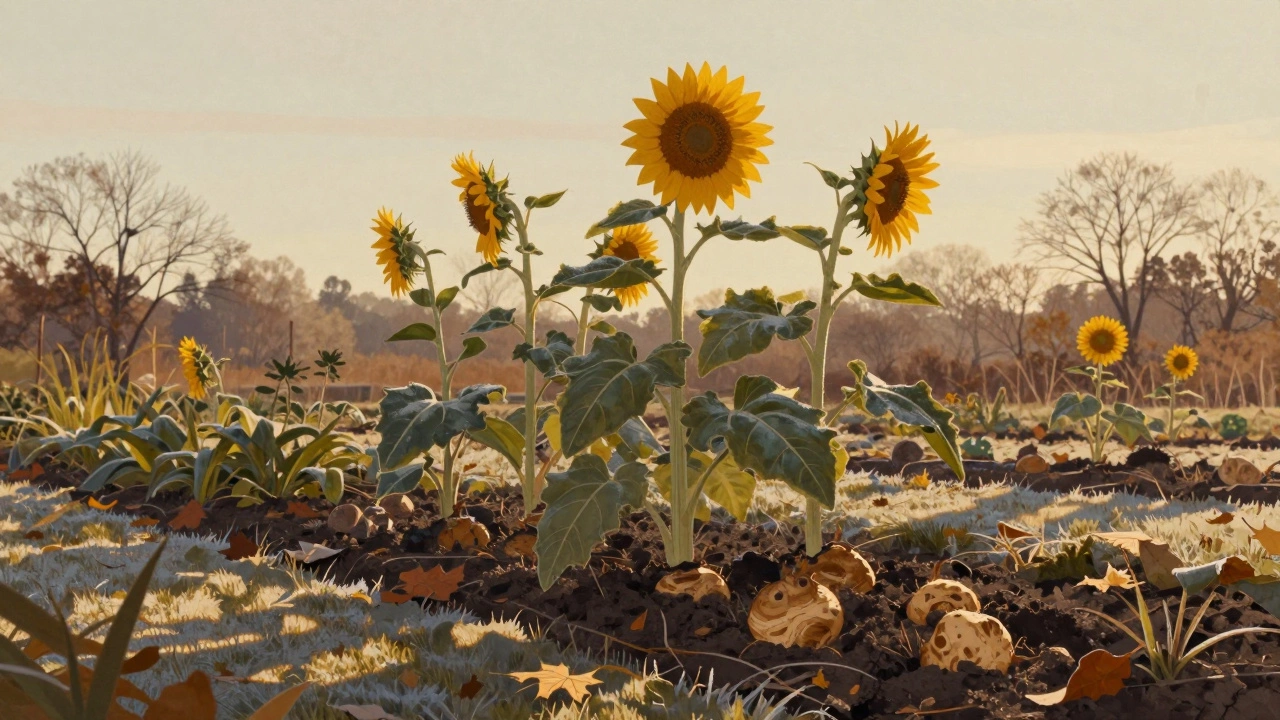
- Jerusalem Artichoke (Sunchokes) - These knobby tubers grow like weeds (in the best way). They’re part of the sunflower family and produce edible tubers in late fall. They survive frost, spread aggressively, and need almost no care. Just dig up what you need and leave the rest. They’re great roasted or mashed.
- Rhubarb - Often mistaken for a fruit, rhubarb is a vegetable. It comes back every spring with thick, tart stalks perfect for pies and compotes. It needs a cold winter to thrive, which makes it ideal for the UK. Avoid harvesting in the first year. Let it build strength. After that, pull stalks from spring to early summer.
- Sea Kale - A coastal native that’s surprisingly easy to grow inland. It looks like cabbage but tastes like a mix of broccoli and asparagus. It’s salt-tolerant, drought-resistant, and comes back even after heavy rain. Blanch the shoots in early spring for tender, pale stalks. It’s rare in supermarkets but a treasure in the garden.
- Good King Henry - An old English perennial that’s making a comeback. It’s a leafy green that tastes like spinach but grows taller and tougher. It survives frost, self-seeds lightly, and doesn’t need much attention. Harvest the young leaves in spring and early summer. It’s perfect for soups or sautéed with garlic.
These five plants form the backbone of a low-input, high-reward vegetable garden. You won’t need to buy seeds or seedlings for them again. Just water them during dry spells and mulch once a year.
What Doesn’t Come Back (And Why)
Not every vegetable you think is perennial actually is. Tomatoes? Annuals. Carrots? Biennials that bolt after one season. Potatoes? Technically perennials underground, but they’re usually treated as annuals because they rot in wet soil or get diseased if left too long. Even garlic-sometimes called a perennial-needs replanting each fall because the cloves don’t reliably survive winter in the same spot.
True perennials don’t just survive-they thrive. They don’t need to be dug up and stored. They don’t need to be replanted every spring. They just wait, quietly, under the soil, until the weather warms again.
How to Plant Perennial Vegetables Right
Planting them wrong is the #1 reason people give up. Here’s how to get it right:
- Choose the right spot - Perennials stay put. Pick a sunny, well-drained area where they won’t be disturbed. Don’t plant them where you plan to dig or rotate crops.
- Prepare the soil deeply - These plants have long roots. Dig at least 18 inches down. Mix in compost or well-rotted manure. They’ll thank you for decades.
- Plant at the right time - Asparagus and rhubarb go in early spring. Jerusalem artichokes and sea kale can go in fall or spring. Good King Henry prefers spring planting.
- Don’t harvest too soon - Wait at least one full growing season before picking. Let the plant build energy. Rushing this step kills the plant’s potential.
- Mulch every fall - A 3-inch layer of straw or leaf mulch protects roots from frost and keeps weeds down. No need to fertilize annually.
Once they’re in, your job is mostly done. That’s the beauty of it.
What You Save Over Time
Let’s say you spend £15 a year on asparagus crowns, £8 on rhubarb plants, and £10 on seeds for lettuce and carrots. That’s £33 a year. Over 10 years? £330.
Now, plant asparagus and rhubarb once. Spend £25 total on crowns. Add £10 on compost and mulch. That’s £35 for 15+ years. You’ve saved £295-and you’ve got food growing without lifting a finger for most of the year.
Plus, you’re reducing plastic seed trays, peat-based compost, and transport emissions from buying annual plants. That’s real sustainability.
Common Mistakes to Avoid
Even experienced gardeners mess up perennial vegetables. Here’s what not to do:
- Don’t plant them in pots - Most need deep, undisturbed soil. Container-grown perennials often die after 2-3 years.
- Don’t dig them up in winter - You’ll damage the root system. Wait until spring if you need to divide them.
- Don’t overwater - Once established, they’re drought-tolerant. Too much water causes rot.
- Don’t treat them like annuals - No crop rotation. No tilling. Just leave them alone.
The biggest mistake? Thinking they’re too hard. They’re not. They’re just different. They’re the quiet workhorses of the garden.
What Comes Next?
Once you’ve got asparagus, rhubarb, and sea kale going, you’ll start noticing other perennials you can add. Chives, horseradish, and perennial kales are easy next steps. Some gardeners even grow perennial onions like Egyptian walking onions-where the plant literally walks itself across the garden by bending over and rooting its top.
Perennial vegetables aren’t magic. But they’re close. They turn gardening from a seasonal chore into a living, growing system that works with nature, not against it. In a time when food prices keep climbing and weather gets weirder, they offer real security. You don’t need a big yard. You don’t need fancy tools. You just need to plant once-and then let the garden take care of itself.
Can you grow perennial vegetables in pots?
Most perennial vegetables need deep, undisturbed soil to thrive long-term. While you can start them in large pots (24+ inches deep), they’ll eventually outgrow them. Asparagus, rhubarb, and Jerusalem artichokes will become root-bound, leading to poor yields or plant death after 2-3 years. For true sustainability, plant them directly in the ground.
Do perennial vegetables need fertilizer every year?
No. Once established, they get nutrients from their deep roots and the organic matter in the soil. A yearly mulch of compost or leaf mold in fall is enough. Over-fertilizing can cause weak growth or disease. Perennials thrive on low-input care.
Are perennial vegetables more resistant to pests?
Generally, yes. Healthy, established perennials are less prone to pests than stressed annuals. Asparagus beetles and slugs can still be an issue, but strong root systems help plants recover better. Avoid chemical sprays-encourage natural predators like ladybugs and ground beetles instead.
How long do perennial vegetables last?
Asparagus lasts 15-20 years. Rhubarb can go 20+ years. Jerusalem artichokes and sea kale are essentially eternal if left alone-they spread and self-renew. Good King Henry self-seeds and comes back for decades. These aren’t temporary fixes-they’re lifelong garden assets.
Can I plant perennial vegetables next to annuals?
Yes, but give them space. Plant perennials along the edges of your garden or in dedicated beds where you won’t dig or rotate crops. Avoid planting annuals directly on top of their root zones. You can grow lettuce or radishes between them in the first few years, as long as you don’t disturb the roots.
Start Small. Think Long-Term.
You don’t need to replant everything tomorrow. Start with one perennial-maybe asparagus or rhubarb. Plant it this spring. Don’t harvest next year. Just watch it grow. By year three, you’ll have a reliable, low-effort food source that doesn’t ask for much in return. That’s the heart of sustainable gardening: not doing more, but doing less-and getting more out of it.