Lucky Flower Matcher
Quick Takeaways for a Lucky Garden
- Marigolds are the go-to for protection and positivity.
- Lotus symbolizes spiritual purity and overcoming hardship.
- Jasmine brings peace, love, and divine grace.
- Hibiscus is essential for attracting energy and strength.
- Chrysanthemums represent longevity and a happy life.
The Crown Jewel of Luck: The Marigold
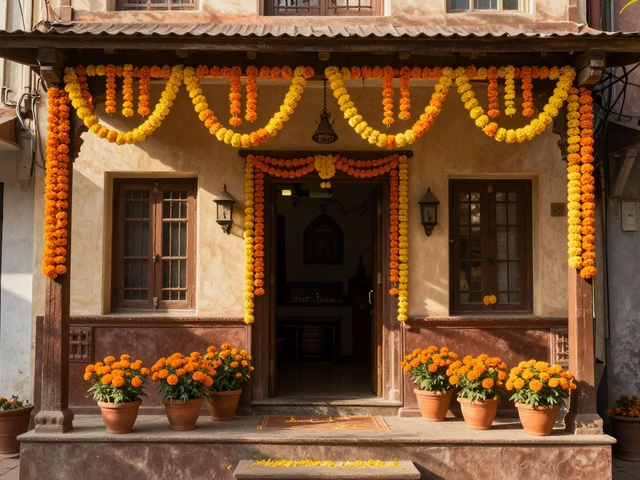
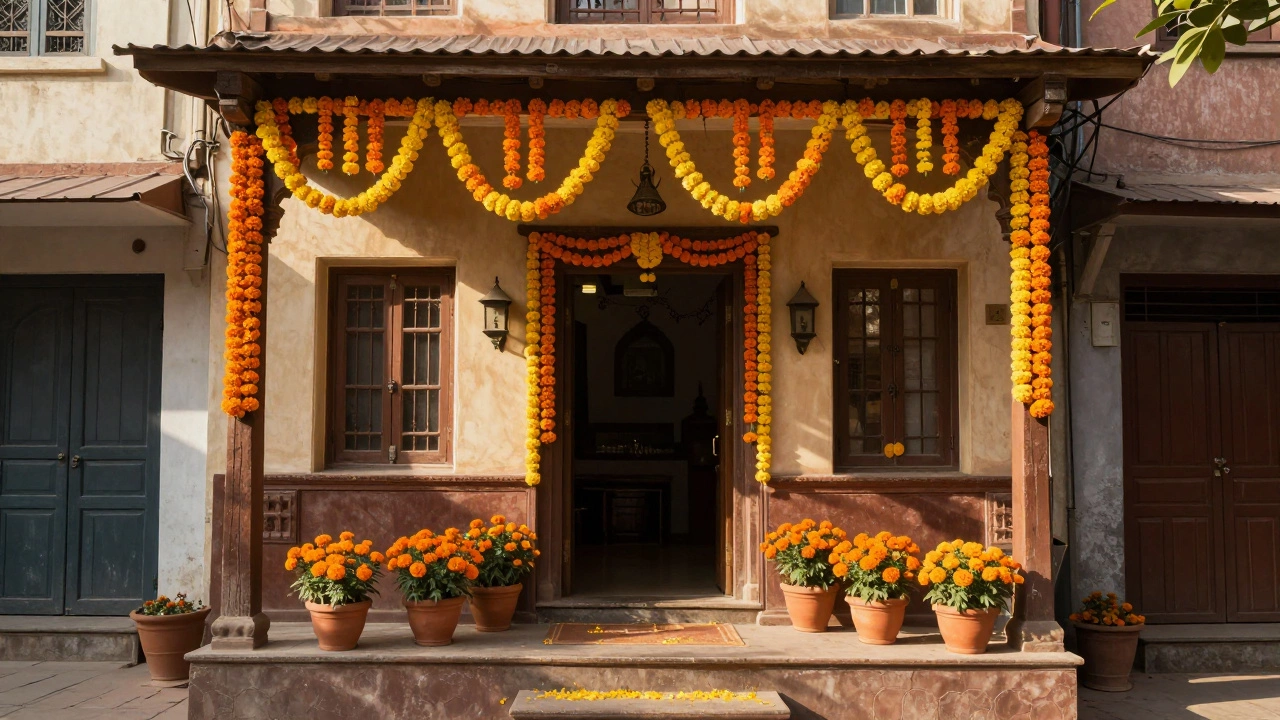
If you ask a local in any Indian city which flower is the most auspicious, they'll likely point to the Marigold is a hardy annual flower known for its golden-orange hues and pungent aroma, widely used in Hindu rituals. Also known as Genda, this flower is the undisputed heavyweight of luck in India. Why? Because its bright colors mimic the sun, bringing light and warmth into the home. In Vastu Shastra, the traditional Indian system of architecture, these blooms are believed to ward off negative energy.
Growing these in your garden is a breeze. They don't ask for much-just a sunny spot and well-draining soil. If you're a beginner, start with the African variety for bigger blooms or the French variety for a denser, carpet-like look. A pro tip: plant them around the edges of your vegetable patch. Not only do they look lucky, but they also act as a natural pest repellent, keeping aphids away from your tomatoes.
The Spiritual Power of the Lotus
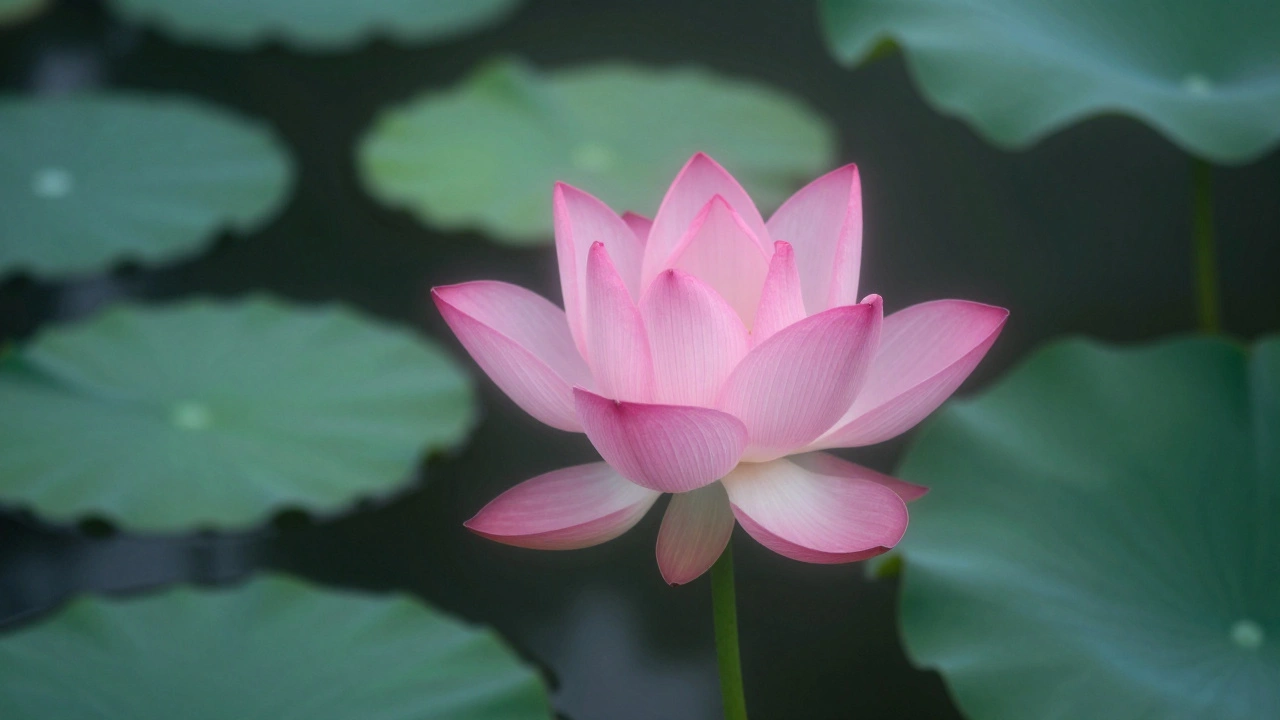
While marigolds are for the doorway, the Lotus is an aquatic perennial that grows in muddy water but rises above the surface to bloom in pure white or pink. It's more than just a plant; it's a lesson in resilience. For many, the Lotus is the luckiest flower because it represents the ability to stay pure and hopeful despite a messy environment. It's deeply tied to Lakshmi, the goddess of wealth and prosperity.
Now, you can't just stick a Lotus in a flower bed. You need a dedicated water garden. Use a wide, shallow pot with a heavy layer of clay-rich soil. The key is the water quality; they prefer still water over flowing water. If you're gardening on a balcony, a small aquatic tub can work. Just make sure they get at least 6 hours of direct sunlight, or the buds won't open.
Jasmine: The Scent of Divine Grace
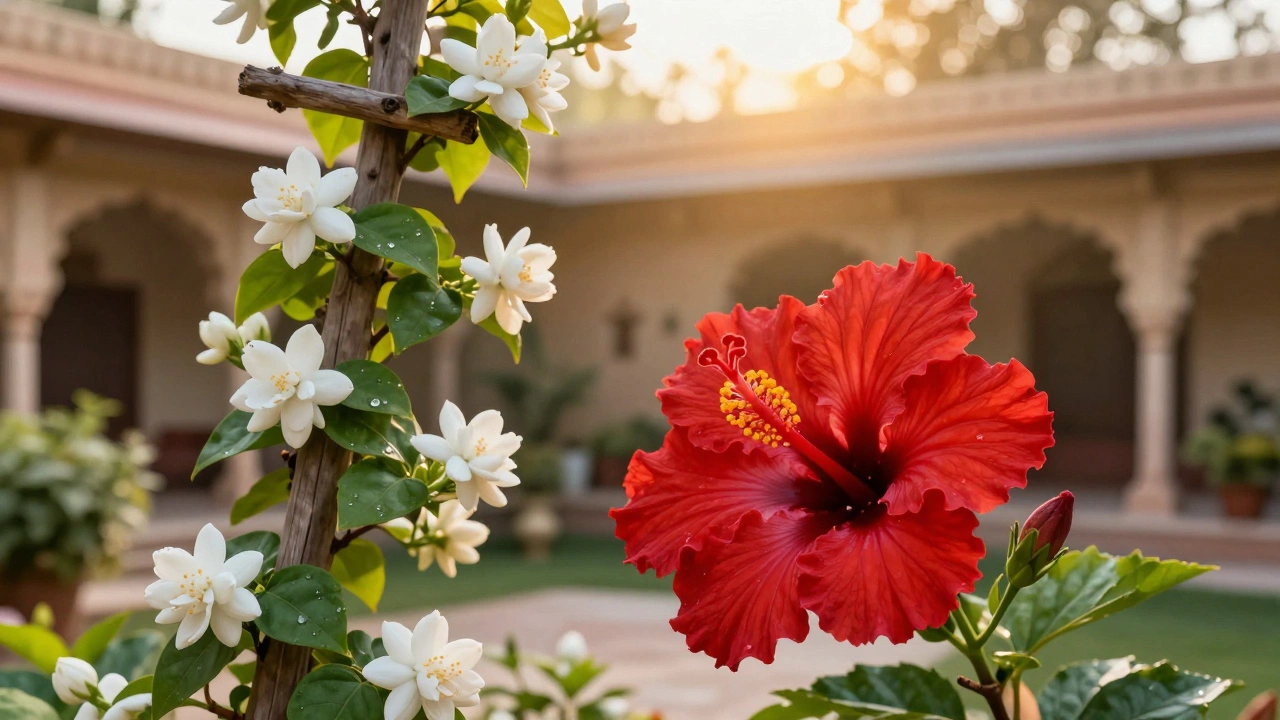
Luck isn't always about money; sometimes it's about peace of mind. That's where Jasmine comes in. A genus of shrubs and vines in the olive family, celebrated for its intense, sweet fragrance and small white flowers. In India, Jasmine (or Mogra) is synonymous with purity and love. It's often used in bridal garlands because it's thought to bring a happy and harmonious marriage.
To get that intoxicating scent filling your evenings, plant Jasmine near your windows or bedroom entrance. These plants love a bit of humidity and a trellis to climb. A common mistake is over-watering; let the top inch of soil dry out before you grab the watering can. If your plant looks leggy, prune it back in the late winter to encourage thicker growth and more blooms in the spring.
Hibiscus: Strength and Energy
If you're looking for luck in the form of power and vitality, look no further than the Hibiscus. A tropical shrub with large, trumpet-shaped flowers, most commonly seen in deep red in Indian gardens. This flower is specifically associated with Lord Ganesha, the remover of obstacles. Planting a red Hibiscus is believed to clear the path for success and new beginnings.
These are hungry plants. To keep them blooming, use a slow-release fertilizer every few months. They love the heat, but they can be sensitive to extreme cold. If you live in a region with chilly winters, move your potted Hibiscus indoors or protect them with a cloth cover. They are also great for attracting hummingbirds and butterflies, adding a layer of living energy to your yard.
Choosing Your Lucky Bloom
Not every flower fits every garden. You need to balance the spiritual intent with the practical reality of your space. For example, if you have a tiny balcony, a Lotus is out of the question, but a Jasmine vine or a few pots of Marigolds will work perfectly. If you're trying to manifest a specific outcome-like a promotion or a peaceful home-matching the flower to the intent is key.
| Flower | Symbolism | Best Location | Care Level |
|---|---|---|---|
| Marigold | Protection & Positivity | Entryways/Borders | Easy |
| Lotus | Purity & Wealth | Water Ponds/Tubs | Advanced |
| Jasmine | Peace & Love | Windows/Trellises | Moderate |
| Hibiscus | Energy & Success | Sunny Courtyards | Moderate |
| Chrysanthemum | Longevity & Joy | Shaded Patches | Easy |
The Role of Color in Luck
In flower gardening india, the color is just as important as the species. Yellow and orange are the colors of knowledge and fire, which is why Marigolds are so dominant. Red is the color of passion and strength, making the red Hibiscus a powerhouse of energy. White, seen in Jasmine and some Lotus varieties, represents purity and a calm mind.
When designing your garden, try to create a balance. A garden filled only with red might feel too aggressive, while a garden of only white might feel too sterile. Mix your lucky blooms to create a spectrum of positive energy. For instance, pairing the grounding nature of Marigolds with the airy scent of Jasmine creates a space that is both protective and relaxing.
Common Pitfalls When Growing Sacred Flowers
One of the biggest mistakes people make is treating these plants like ornaments rather than living beings. If you're growing a flower for luck, the health of the plant reflects the energy of the home. A wilting, yellowing "lucky" plant can actually feel discouraging. This is why consistent care is a part of the ritual.
Avoid using harsh chemical pesticides. Many of these flowers are used in offerings or kept close to the home. Instead, use a mixture of neem oil and water to handle pests. Not only is this better for the environment, but it keeps the spiritual integrity of the plant intact. Also, be mindful of the soil. Using a mix of coco-peat and organic compost ensures that these plants have the nutrients they need to produce those vivid, lucky colors.
Which flower is specifically for wealth in India?
The Lotus is the primary flower associated with wealth, as it is the seat of Goddess Lakshmi. Planting a Lotus in a water feature at the entrance of a home is believed to attract financial prosperity and abundance.
Can I grow Marigolds in pots on a balcony?
Yes, Marigolds are excellent for balcony gardening. Use pots with at least 6-8 inches of depth and ensure they receive plenty of sunlight. They are very hardy and adapt well to container life.
What is the best time to plant Jasmine in India?
The best time to plant Jasmine is during the monsoon season (June to September) or in early spring. This allows the roots to establish themselves before the peak summer heat hits.
Does the color of the Hibiscus matter for luck?
While other colors are beautiful, deep red is the most auspicious color for Hibiscus in India, especially for those seeking to remove obstacles and attract the energy of Lord Ganesha.
How often should I fertilize my lucky flowers?
Generally, a monthly application of organic compost or vermicompost is sufficient. During the blooming season, you can add a phosphorus-rich organic fertilizer to encourage more flowers.
Next Steps for Your Lucky Garden
If you're just starting out, don't try to plant everything at once. Pick the one "job" you want your garden to do. Do you want more peace? Start with a Jasmine vine. Do you want to clear obstacles in your career? Get a red Hibiscus. Once you've mastered one, expand your collection.
For those with limited space, look into vertical gardening. Use hanging pots for Marigolds or a wall-mounted trellis for Jasmine. This not only saves space but brings the lucky blooms closer to your eye level, maximizing the visual and aromatic benefits of your greenery.