Raised Bed Soil Cost Calculator
Estimate how much you can save by replacing expensive topsoil with free organic layers (lasagna method).
Layer Visualization
Staring at a shiny new wooden box in your backyard is exciting until you realize how much dirt it actually holds. A standard 4x8 foot raised bed that’s 12 inches deep needs roughly 32 cubic feet of material. If you buy premium bagged potting mix from the hardware store, you might spend £60-£100 just to fill it once. That hurts. But here’s the secret nobody tells you when they sell you those fancy bags: you don’t need premium potting mix for the bottom half of that box.
The cheapest way to fill a raised garden bed isn’t about finding a discount on topsoil; it’s about using free or near-free organic matter to displace expensive soil. This method, often called "lasagna gardening" or sheet mulching, relies on decomposition to create rich planting medium over time. It costs pennies compared to buying truckloads of loam, and frankly, plants often grow better in it because it drains perfectly and feeds itself.
Why Buying All Soil Is a Waste of Money
Most people make the mistake of filling the entire depth of their bed with sterile topsoil or peat-based mixes. Topsoil is heavy, compacts easily, and offers little nutrition unless amended heavily. Peat moss is acidic and unsustainable. When you fill a 12-inch deep bed entirely with bought-in soil, you are paying for volume that could be occupied by free grass clippings, fallen leaves, and cardboard.
Think of your raised bed as a layered cake, not a solid block of earth. The plants only need good quality soil in the top 4-6 inches where their roots actively feed. Below that? They can push through decomposing organic matter. By reducing the amount of purchased soil needed by half or even two-thirds, you slash your costs immediately. In Brighton, where municipal green waste collection is efficient but fees exist, leveraging local resources like council-provided leaf piles or neighborly compost swaps becomes a goldmine.
The Layered Method (Lasagna Gardening)
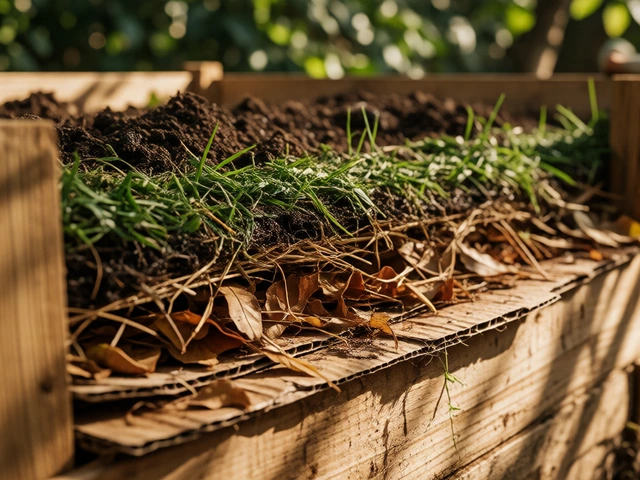
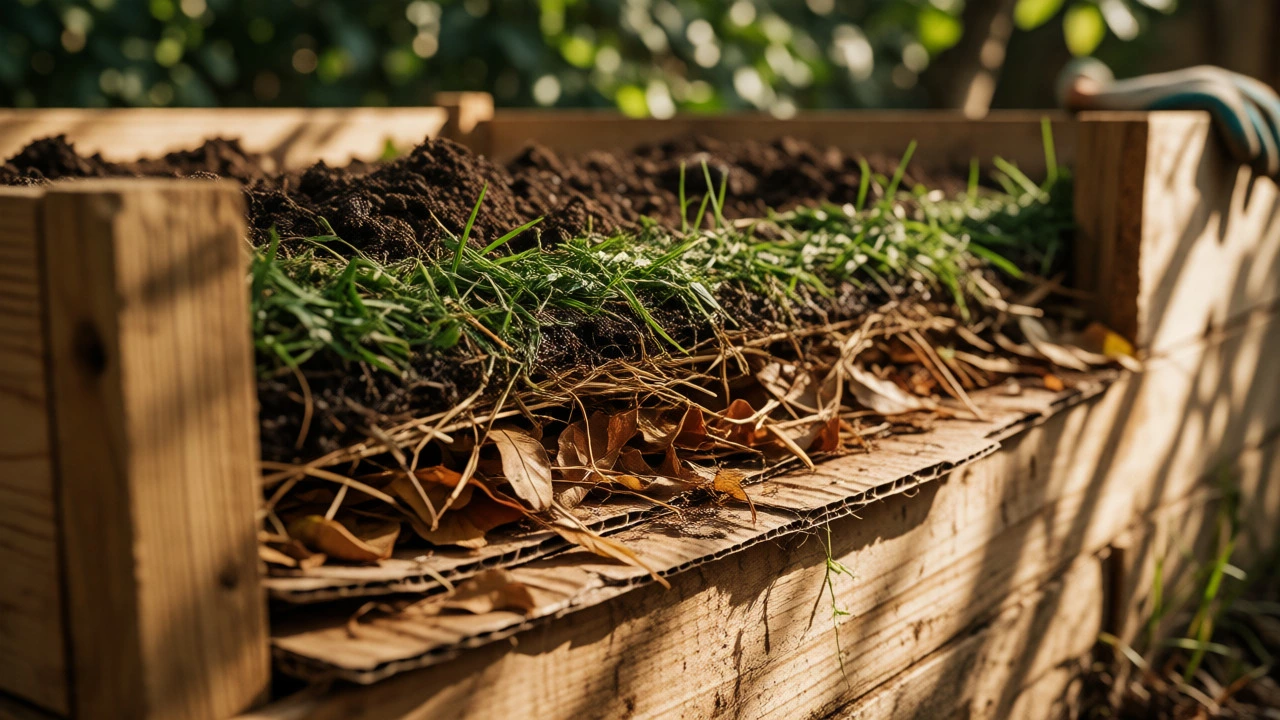
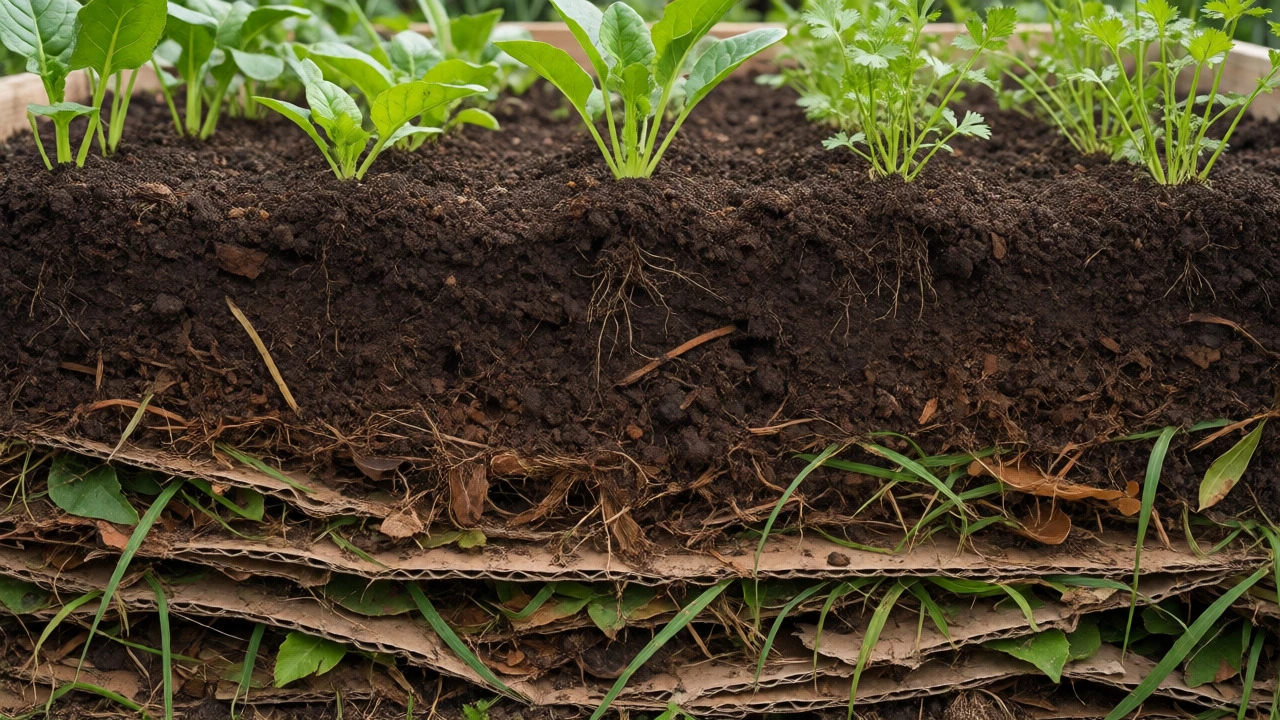
This technique mimics forest floor decomposition. You build layers of carbon-rich "browns" and nitrogen-rich "greens." Over winter or a few months, these break down into humus. Here is the most cost-effective structure for a standard 12-inch deep bed:
- Base Layer (Free): Cardboard or newspaper. Remove tape and staples. Wet it thoroughly. This suppresses weeds and provides carbon.
- Bulk Filler (Free/Cheap): Dry leaves, straw, hay, or small twigs. Aim for 4-6 inches. These materials take up space and slowly release nutrients.
- Nitrogen Boosters (Cheap/Free): Grass clippings, kitchen scraps (buried deep), or aged manure if available locally. Add 2-3 inches.
- Top Layer (Paid): Quality compost or topsoil mixed with a bit of fertilizer. Only 4-6 inches deep. This is where seeds and transplants go.
By following this ratio, you only buy enough soil for the top layer. For our 4x8 example, instead of 32 cubic feet of soil, you might only need 10-12 cubic feet. That saves you around £40-£60 instantly.
| Component | Traditional Method Cost | Lasagna Method Cost | Source |
|---|---|---|---|
| Premium Potting Mix (32 cu ft) | £80 - £100 | £0 | N/A |
| Compost/Topsoil (Top 6") | £0 | £30 - £40 | Garden Centre / Council |
| Cardboard/Newspaper | £0 | £0 | Recycling Bin |
| Leaves/Straw/Hay | £0 | £0 - £5 | Local Parks / Neighbors |
| Grass Clippings | £0 | £0 | Lawn Mower |
| Total Estimated Cost | £80 - £100 | £30 - £45 |
Sourcing Free Materials in Your Area
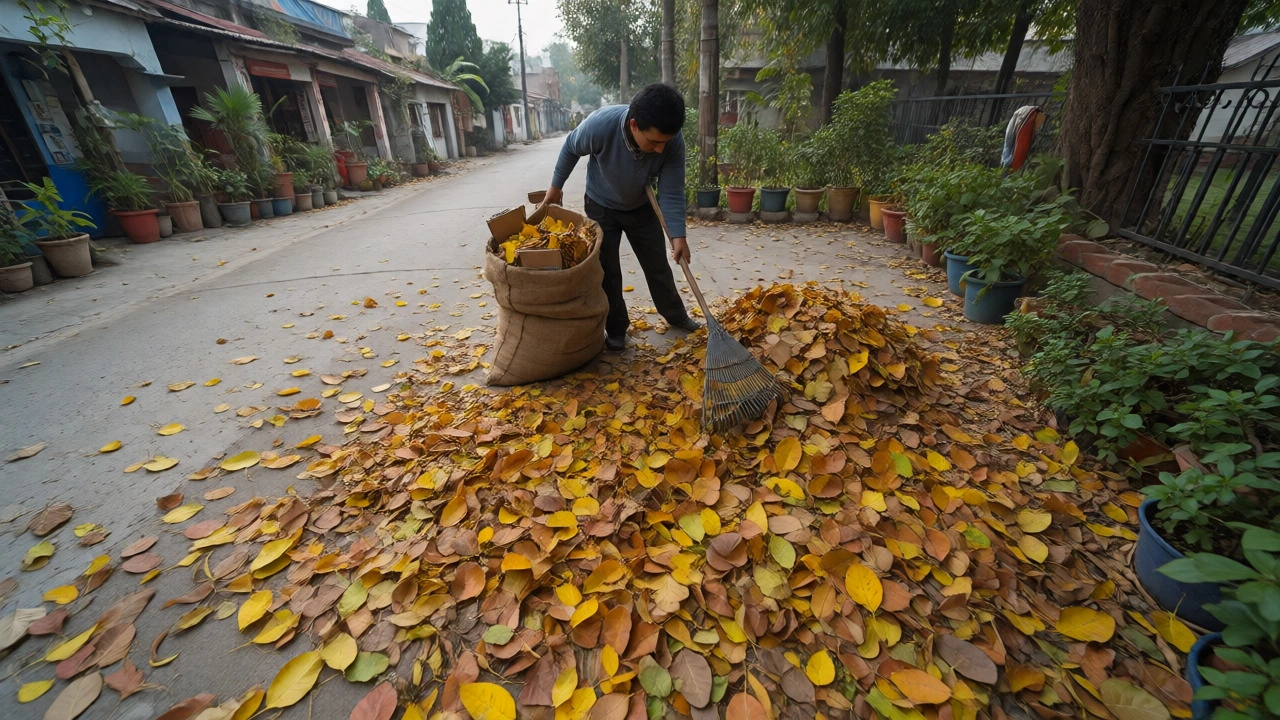
You don’t need to drive far to find these ingredients. Start with your own property. Do you have trees? Rake up every leaf you can find. Oak, maple, and birch leaves are excellent carbon sources. Avoid walnut leaves if possible, as they contain juglone, which inhibits plant growth.
Check local council websites for "green waste" schemes. Many UK councils offer free chipped wood or compost at recycling centers, though availability varies by season. In autumn, leaf collections are common; ask neighbors if they’d mind sharing their raked leaves. Most people burn them or pay to have them carted away. Offering to haul them away for free is a win-win.
For nitrogen, look no further than your lawn mower bag. Fresh grass clippings are potent. Use them sparingly in thin layers (no more than 2 inches) to prevent matting and anaerobic smells. Alternatively, check online community groups for people giving away spoiled hay, straw from pet bedding changes, or spent coffee grounds from local cafes. Coffee grounds are slightly acidic but great for most vegetables if mixed well.
What NOT to Use
While being frugal is smart, some cheap options backfire. Never use treated lumber sawdust, as the chemicals can leach into your edible crops. Avoid glossy magazines or colored paper for the base layer; stick to plain brown cardboard or black-and-white newsprint.
Be cautious with fresh manure. Chicken or cow manure straight from the animal is too "hot" and will burn plant roots. It needs to age for at least three months or be composted first. If you’re unsure, skip the manure and rely on blood meal or bone meal (small amounts) in the top soil layer instead.
Also, avoid filling beds with pure sand or gravel at the bottom for drainage. Contrary to popular belief, this creates a perched water table and worsens drainage in clay-heavy soils. Organic matter improves structure naturally without needing a rock layer.
Timing Matters: Build Now, Plant Later
The best time to build these beds is autumn or early spring. If you build in October or November, the layers have all winter to settle and begin decomposing under rain and frost cycles. By March, the pile will have shrunk significantly, and the top layer will be ready for planting. If you’re building now (late October), cover the bed with a tarp or old carpet to keep out excess rain while allowing air flow. This speeds up breakdown.
If you must plant immediately, reduce the bulk filler layers and increase the top soil depth to ensure immediate root support. However, patience pays off. A bed built in fall often yields stronger plants in summer than one hastily filled with bought soil in May.
Maintenance and Long-Term Savings
Once established, these beds require less maintenance than traditional ones. The mulch layers retain moisture, meaning you water less frequently. As the lower layers decompose, the bed level drops. Simply add another inch of compost or grass clippings each year. This annual top-up is cheap and keeps the soil biologically active.
Over three years, the initial investment in top soil pays for itself through reduced watering bills and higher yields. Plus, you’ve avoided the environmental cost of transporting heavy soil across town. It’s sustainable gardening in its purest form-working with natural processes rather than fighting them with cash.
Can I use fresh grass clippings directly in the bed?
Yes, but use them in thin layers (1-2 inches) alternating with browns like leaves. Thick piles of fresh grass can mat together, heat up, and smell bad due to rapid fermentation. Letting them dry slightly before adding helps prevent this.
Will the bed sink after filling?
Absolutely. Expect 20-30% shrinkage within the first six months as air pockets collapse and organic matter decomposes. This is normal and beneficial. Plan to top up the bed with additional compost or mulch in the following spring.
Is cardboard safe for vegetable gardens?
Generally, yes. Plain brown corrugated cardboard is safe. Remove any plastic tape, labels, or glossy printing. Some newer cardboards may have minor chemical treatments, but they break down quickly. If concerned, let the cardboard sit wet for a week before planting nearby.
How deep should the top layer of soil be?
For most vegetables, 4-6 inches of quality compost or topsoil is sufficient. Root vegetables like carrots and parsnips prefer deeper loose soil, so you might want 8-10 inches of premium mix for those specific rows, or choose shorter varieties.
Can I use shredded paper instead of cardboard?
Yes, non-glossy office paper works well as a carbon source. Shred it finely and mix it with greens to prevent clumping. It breaks down faster than cardboard but doesn't suppress weeds quite as effectively since light can still penetrate if the layer is thin.