Plant Watering Diagnostic Tool
Leaf Symptoms
Soil & Root Condition
Recommended Action Plan
Staring at a wilting Monstera with drooping leaves is every plant parent’s worst nightmare. You reach for the watering can, but then you pause. Is it thirsty? Or did you drown it last week? This confusion is the number one reason houseplants die. It feels like a guessing game, but your plant is actually sending you clear signals. The problem is that underwatering vs overwatering often looks exactly the same on the surface: limp, sad foliage. To save your green friends, you need to look closer than just the top leaf.
I’ve spent years keeping my Brighton apartment lush despite the grey skies and dry heating, and I’ve learned that context is everything. Before we dig into the soil, let’s acknowledge that caring for plants is about reading their language. If you ever feel overwhelmed by the sheer variety of needs-from succulents that hate moisture to ferns that demand humidity-sometimes stepping back helps. For instance, when I needed a break from the greenhouse effect in my living room, I found myself browsing completely unrelated topics, like checking out this directory just to see how different services organize their listings. It reminded me that clarity and organization matter everywhere, including in your potting mix. Let’s get back to those roots, though, because there is no time to waste if your plant is struggling.
The Golden Rule: Check the Soil First
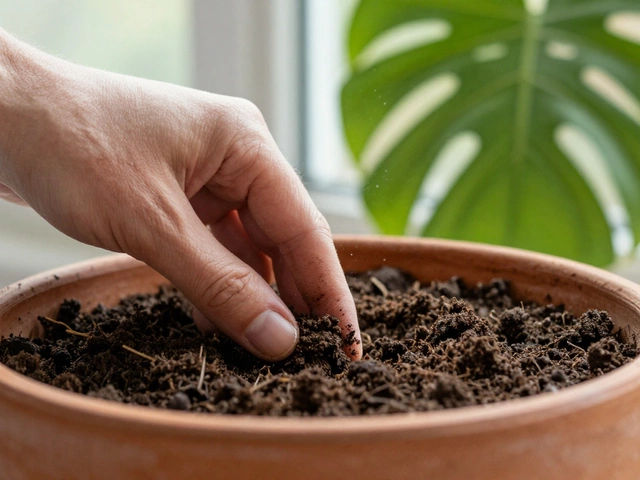
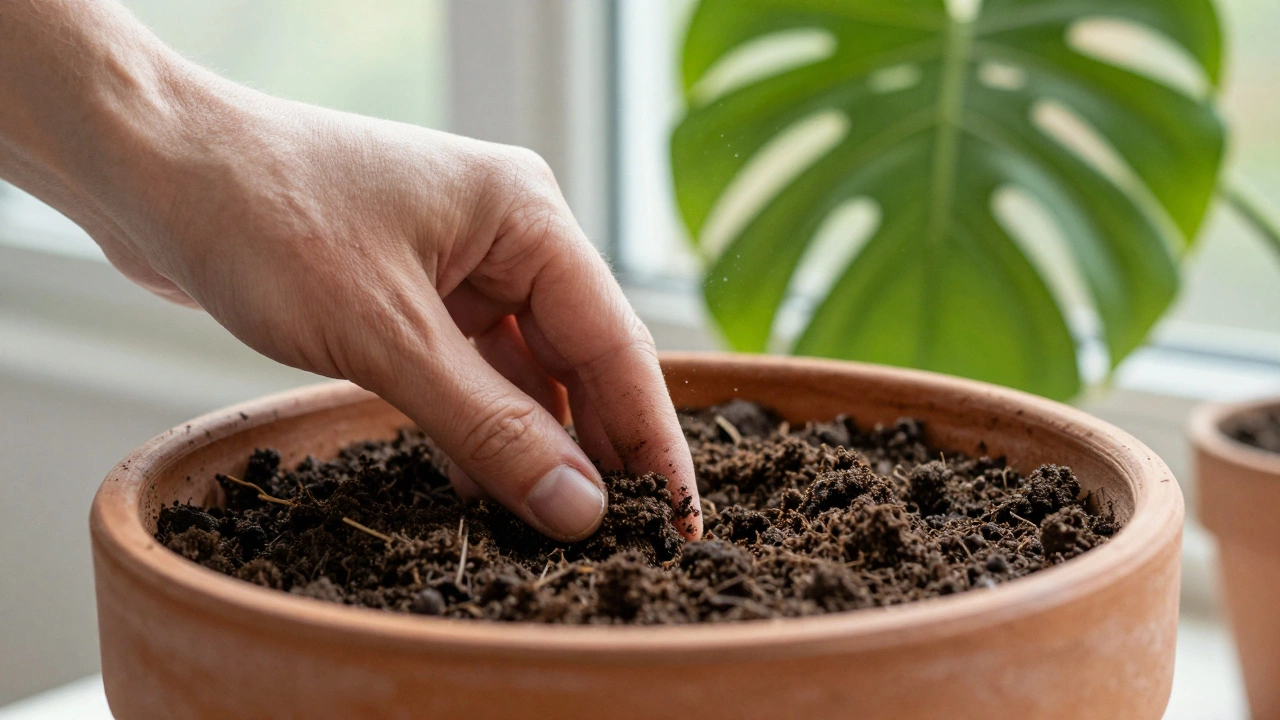
Before you panic about the leaves, stick your finger into the dirt. Go deep-at least two inches, or up to your second knuckle. This simple test separates the pros from the guessers. If the soil feels dry, dusty, and pulls away from the edges of the pot, your plant is likely underwatered. If it feels cold, damp, and muddy, you are looking at an overwatering issue. Leaves lie; soil tells the truth. However, soil texture matters. Sandy soil dries out fast, while heavy clay holds water like a sponge. Always consider what your plant is sitting in before making a judgment call.
Decoding Yellow Leaves: Color and Texture Clues
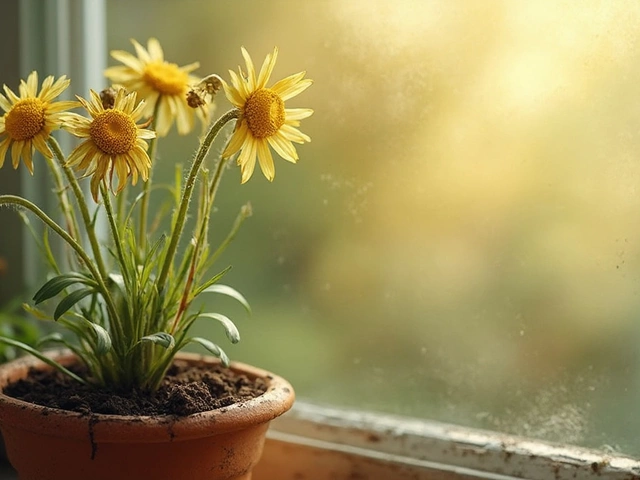
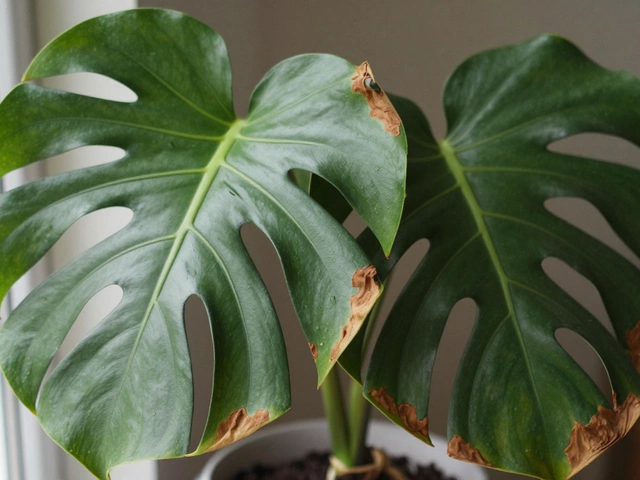
Yellowing leaves are the universal distress signal, but the shade and texture tell you who the culprit is. When a plant is underwatered, the leaves usually turn a pale, crispy yellow. They might feel brittle to the touch, like dried parchment paper. These leaves often start curling inward as the plant tries to conserve whatever moisture remains in its cells. On the other hand, overwatered plants produce bright, soft, or translucent yellow leaves. They don’t crunch; they squish. If you press a yellow leaf gently and it feels mushy or watery, that is a classic sign of root rot. The roots have been suffocating in wet soil, leading to decay that travels up the stem.
The Leaf Drop Test
Watch how the leaves fall off. An underwatered plant will drop its oldest leaves first. These lower leaves become papery and brown before detaching. It is the plant’s way of sacrificing the old to save the new growth. In contrast, an overwatered plant might drop leaves randomly, or the entire bottom section may collapse into a slimy mess. If you see black or dark brown spots spreading across the leaf surface, followed by rapid wilting, stop watering immediately. This necrosis indicates fungal infection caused by excess moisture.
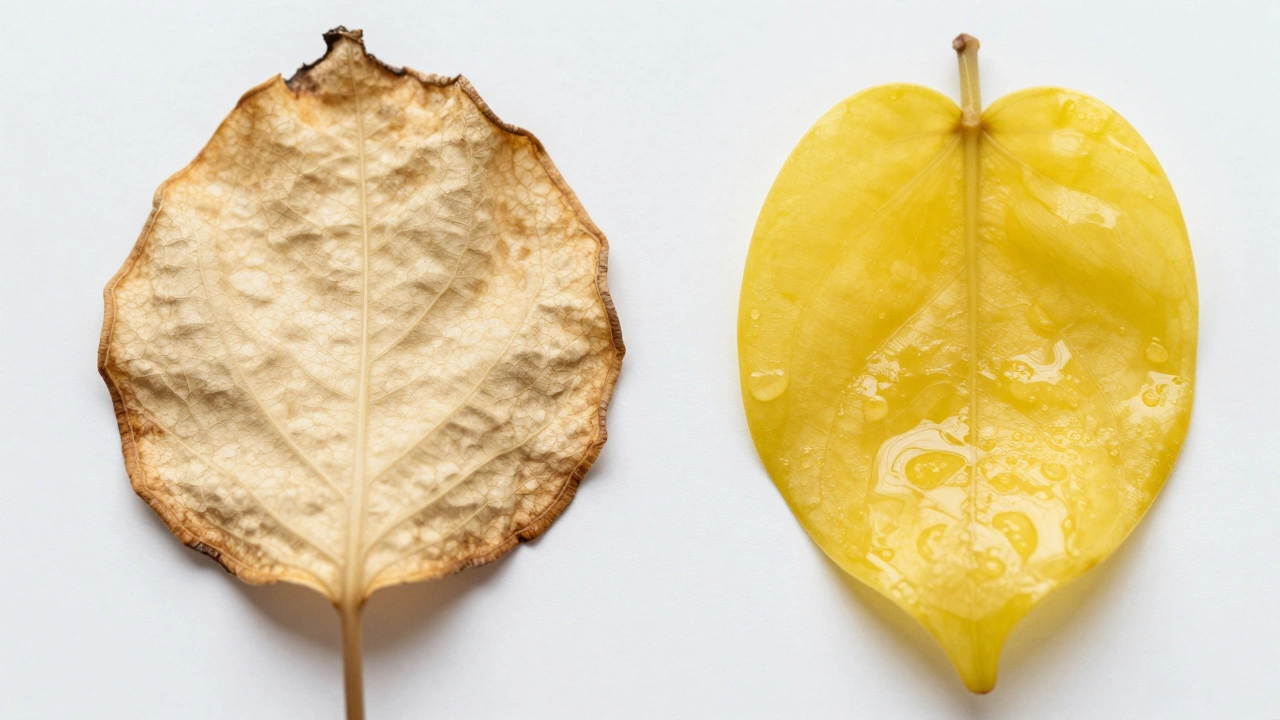
Inspecting the Roots: The Ultimate Proof
If the external signs are confusing, unpot your plant. This is the only way to be 100% sure. Healthy roots are firm and white or light tan. They should spring back slightly when squeezed. Now, compare this to the signs of stress. Underwatered roots are often thin, shriveled, and dark brown or black, but they remain dry. They look like dried spaghetti. Overwatered roots, however, are the real danger. They turn dark brown or black and feel mushy. If you wiggle the root ball and it falls apart into sludge, you have severe root rot. The smell is another giveaway-a healthy root system smells earthy, like forest floor. Rotting roots smell sour, like swamp water or sewage.
| Symptom | Underwatering | Overwatering |
|---|---|---|
| Leaf Texture | Crispy, dry, brittle | Mushy, soft, translucent |
| Leaf Color | Pale yellow, brown edges | Bright yellow, dark spots |
| Soil Condition | Dry, pulls away from pot | Damp, cold, moldy |
| Root Health | Shriveled, dark, dry | Mushy, black, foul-smelling |
| Growth Rate | Stunted, slow | Rapid then sudden decline |
Plant-Specific Water Needs
Not all plants play by the same rules. A Snake Plant thrives on neglect and will rot quickly if you water it weekly. A Fern, however, demands consistent moisture and will crisp up within days if left dry. Understanding your specific plant’s origin is key. Plants from arid regions, like cacti and succulents, store water in their leaves and stems. They need long drying periods between waterings. Tropical rainforest plants, such as Pothos and Philodendron, prefer soil that stays lightly moist but never soggy. Grouping plants with similar needs together makes care easier and reduces the risk of accidental drowning or dehydration.
Environmental Factors That Trick You
Your home environment changes how fast soil dries out. In winter, central heating sucks moisture from the air, causing plants to lose water through transpiration faster than usual. Yet, because sunlight is weaker, they grow slower and need less water overall. This contradiction often leads to overwatering during colder months. Conversely, in summer, high heat and bright light increase water demand. If you place a plant near a window with direct sun, it will drink more than one in a shady corner. Always adjust your watering schedule based on the season and the plant’s location, not just a calendar reminder.
How to Rescue a Dying Plant
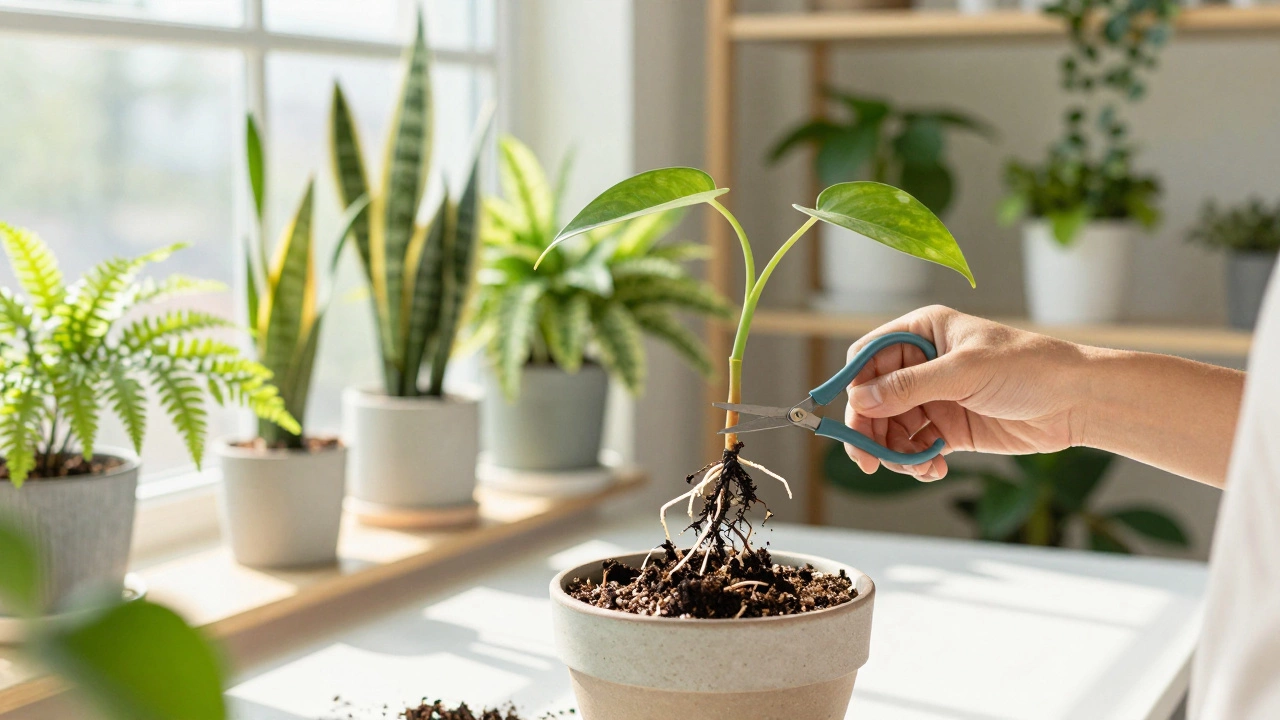
If you suspect underwatering, give the plant a thorough soak. Place the pot in a sink or bucket and let water run through the soil until it drains freely from the bottom holes. This ensures the entire root ball rehydrates. For severely dehydrated plants, try bottom-watering: submerge the pot in water for 30 minutes. This allows the dry soil to absorb moisture evenly without washing away nutrients. If you caught overwatering early, simply withhold water and improve airflow. Move the plant to a brighter spot and fan the leaves to speed up evaporation. If root rot has set in, surgery is required. Remove the plant from the pot, trim away all mushy, black roots with sterilized scissors, and repot in fresh, well-draining soil. Use a smaller pot if necessary to reduce the volume of wet soil around the remaining healthy roots.
Prevention Tips for Long-Term Health
Prevention is always better than cure. Ensure every pot has drainage holes. Without them, water pools at the bottom, creating a swamp for your roots. Use a well-draining potting mix. Adding perlite or orchid bark to standard soil improves aeration and prevents compaction. Invest in a moisture meter if you struggle with the finger test. These cheap devices provide an objective reading of soil dampness at different depths. Finally, observe your plants daily. Notice how quickly the soil dries out in your specific home. Keep a small notebook or phone note tracking watering dates and plant responses. Over time, you will develop an intuitive sense for each plant’s unique rhythm.
Can a plant recover from severe root rot?
Yes, if you act quickly. Remove all rotten roots, treat the remaining healthy roots with a fungicide, and repot in sterile, dry soil. Keep the plant in indirect light and avoid watering until the soil is completely dry. Recovery can take weeks, but many plants bounce back.
Why are my plant leaves yellowing but the soil is dry?
This could indicate nutrient deficiency, particularly nitrogen or iron. It might also be a sign of natural aging if only the bottom leaves are affected. Check for pests like spider mites, which thrive in dry conditions and cause yellowing.
How often should I water my indoor plants?
There is no fixed schedule. Water when the top inch or two of soil feels dry. Frequency depends on plant type, pot size, soil mix, and environmental conditions. Most tropical houseplants need watering every 7-14 days, while succulents may go 3-4 weeks.
Is ice cube watering good for plants?
Generally, no. Ice cubes melt slowly and can shock sensitive roots with cold temperatures. They also do not provide enough water for larger plants and can lead to uneven hydration. Room temperature water is best for most houseplants.
What does mold on soil mean?
Mold indicates excessive moisture and poor air circulation. While not always harmful to the plant, it suggests you are overwatering. Scrape off the top layer of soil, allow the pot to dry out completely, and increase ventilation around the plant.