Carolina Gold Rice Calculator & Guide
Cost Comparison Estimate
Based on approx. 2.5 cups per pound.
Quick Preparation Steps
- 1 Rinse rice thoroughly in cold water until water runs clear to remove excess starch.
- 2 Combine rice with calculated water amount in a pot. Bring to a boil.
- 3 Immediately reduce heat to low, cover tightly, and simmer for 18-20 minutes.
- 4 Remove from heat. Let sit covered for 10 minutes. Fluff with fork.
There is a specific kind of magic in a bowl of perfectly cooked Carolina Gold Rice. It’s not just about the starch or the texture. It’s about a grain that survived slavery, colonial trade wars, and centuries of industrial farming to remain one of the most sought-after heritage crops in North America. If you have never tasted it, you might wonder why people go out of their way to find this obscure heirloom variety. The answer lies in its unique botanical structure, its deep historical roots, and a flavor profile that modern commercial rice simply cannot replicate.
The Botanical Secret Behind the Flavor
To understand why Carolina Gold Rice tastes different, you have to look at what makes it biologically distinct. Most white rice sold in supermarkets today comes from short-grain Asian varieties (like Japonica) or long-grain varieties bred for yield rather than taste. Carolina Gold belongs to the Oryza sativa var. indica group, but it has characteristics that set it apart from standard long-grain rice.
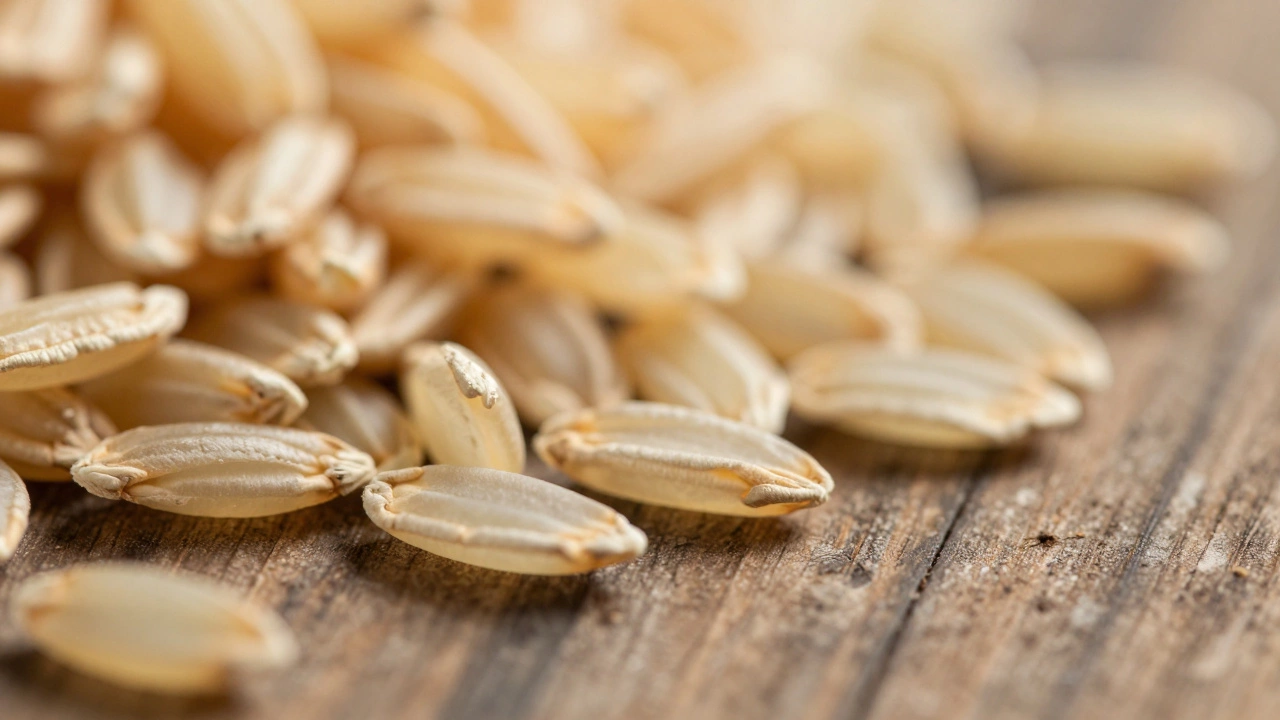
The grains are slender, translucent, and slightly golden when raw. When cooked, they do not clump together like sticky sushi rice, nor do they become dry and separate like some cheap basmati imitations. Instead, they maintain a delicate tenderness with a slight chew. This texture comes from its amylose content-a type of starch found in plants. Carolina Gold has a balanced amylose-to-amylopectin ratio. High amylose means firm, separate grains; high amylopectin means sticky, soft grains. Carolina Gold sits in the sweet spot, offering fluffiness without losing moisture.
Beyond texture, the flavor is nutty and subtly sweet. This isn’t added sugar; it’s a natural result of the grain’s slow growth cycle and its adaptation to the saline soils of the Lowcountry. Unlike modern hybrids that grow quickly to maximize harvests, Carolina Gold takes time. That slower maturation allows complex carbohydrates to develop fully, resulting in a richer taste that pairs exceptionally well with rich sauces, stews, and seafood.
A History Written in Soil and Struggle
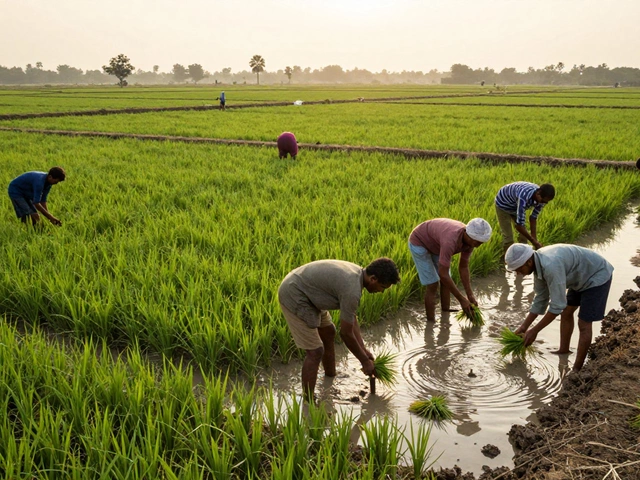
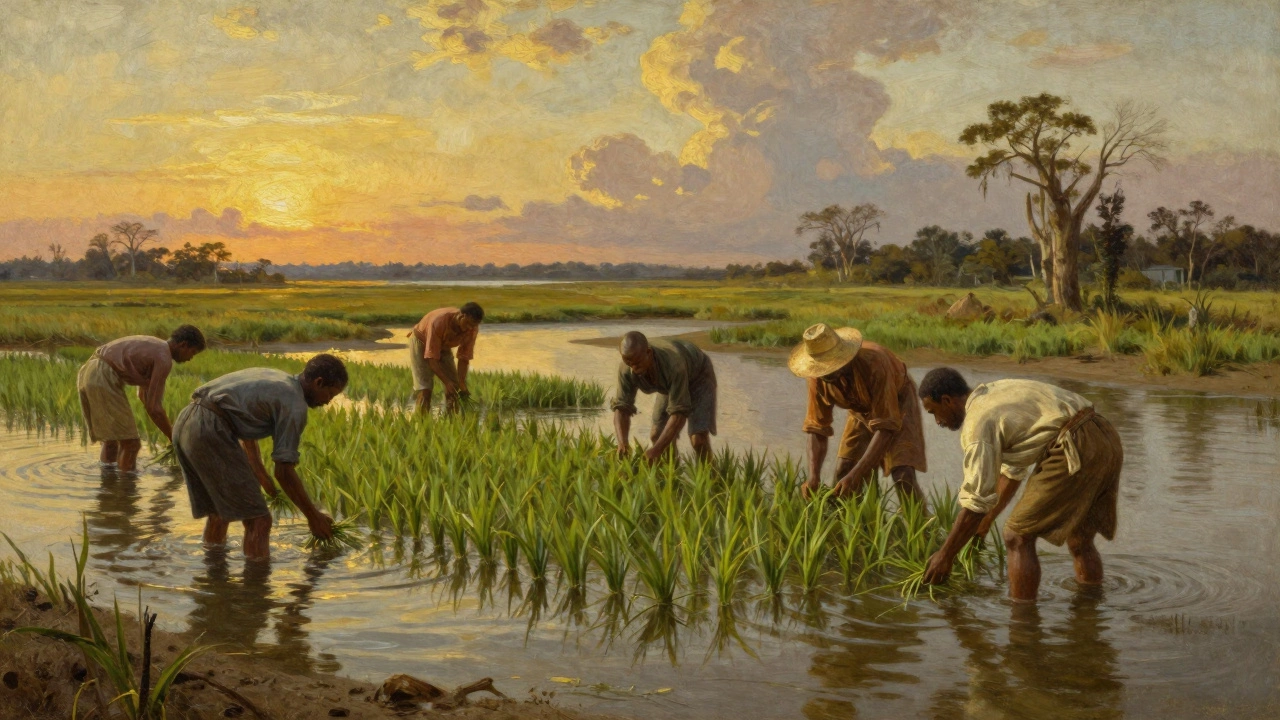
You cannot talk about Carolina Gold Rice without acknowledging its origin story. This grain was brought to the American colonies in the late 17th century, likely by enslaved Africans who had expertise in rice cultivation from regions like Senegal and Sierra Leone. These experts recognized that the tidal marshes of South Carolina and Georgia were perfect for growing African rice varieties.
For over two hundred years, Carolina Gold was the economic engine of the Carolinas. It was so valuable that it was used as currency. Merchants traded sacks of rice for goods, and farmers paid taxes with it. The grain earned the nickname "The Golden Crop" because of its shimmering hue and immense profitability. However, this prosperity was built on the brutal labor of enslaved people. Their agricultural knowledge-specifically regarding water management and tidal irrigation-was stolen and commodified by plantation owners.
By the early 20th century, the rise of mechanized farming and the introduction of hybrid rice varieties nearly wiped out Carolina Gold. Farmers switched to higher-yield strains that could be harvested by machines. Carolina Gold, which required careful hand-harvesting to prevent shattering, became too expensive to grow commercially. By the 1950s, only a handful of seed stock remained. Today, thanks to preservation efforts by organizations like the South Carolina Heritage Rice Association, the crop is making a comeback, though it remains rare.
How to Grow Carolina Gold Rice at Home
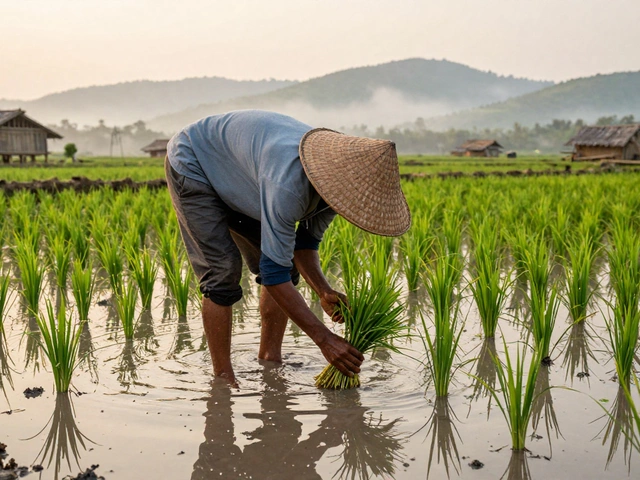
If you are intrigued by the idea of growing your own Carolina Gold, it is possible, but it requires patience and specific conditions. This is not a backyard crop for beginners. Rice cultivation demands precise water control and warm temperatures.
First, you need the right climate. Carolina Gold thrives in USDA Hardiness Zones 7 through 10. It requires a long growing season-at least 120 to 140 days of frost-free weather. If you live in a cooler region, you will need to start seeds indoors six to eight weeks before the last spring frost and transplant them outdoors once the soil temperature consistently stays above 60°F (15°C).
Water management is the most critical factor. Traditional rice fields are flooded, but you can adapt this method for small-scale gardening. You have two options:
- The Flooded Method: Create a shallow basin lined with heavy-duty pond liner or clay to hold water. Plant the seeds when they are young, then flood the area to a depth of 2-4 inches. Keep the water level consistent throughout the vegetative stage. Drain the field completely when the grain heads begin to form, allowing the plant to mature in dry conditions.
- The Upland Method: If flooding is impractical, you can grow Carolina Gold as upland rice. Treat it like any other warm-season grass. Keep the soil consistently moist but not saturated. Mulch heavily to retain humidity and suppress weeds. This method yields less grain but is easier to manage in a standard garden bed.
Soil preparation matters too. Carolina Gold prefers acidic, organic-rich soils with a pH between 5.0 and 6.0. Incorporate plenty of compost before planting. Avoid sandy soils that drain too quickly unless you are using the flooded method, as the roots need steady access to nutrients and moisture.
Cooking Carolina Gold Rice: Do It Right
Even the best grain can be ruined by poor cooking techniques. Because Carolina Gold is an heirloom variety, it behaves differently than processed white rice. Here is how to get the best results.
Start by rinsing the rice thoroughly. Use cold water and swirl the grains until the water runs clear. This removes excess surface starch and prevents gumminess. For every cup of Carolina Gold, use 1.5 cups of water. Bring the water to a boil, add the rice, and immediately reduce the heat to low. Cover the pot tightly with a lid.
Simmer for 18-20 minutes. Do not lift the lid during this time. Steam is essential for even cooking. After the time is up, turn off the heat and let the rice sit, covered, for another 10 minutes. This resting period allows the grains to absorb remaining moisture and firm up. Finally, fluff with a fork. The result should be tender, separate grains with a glossy sheen.
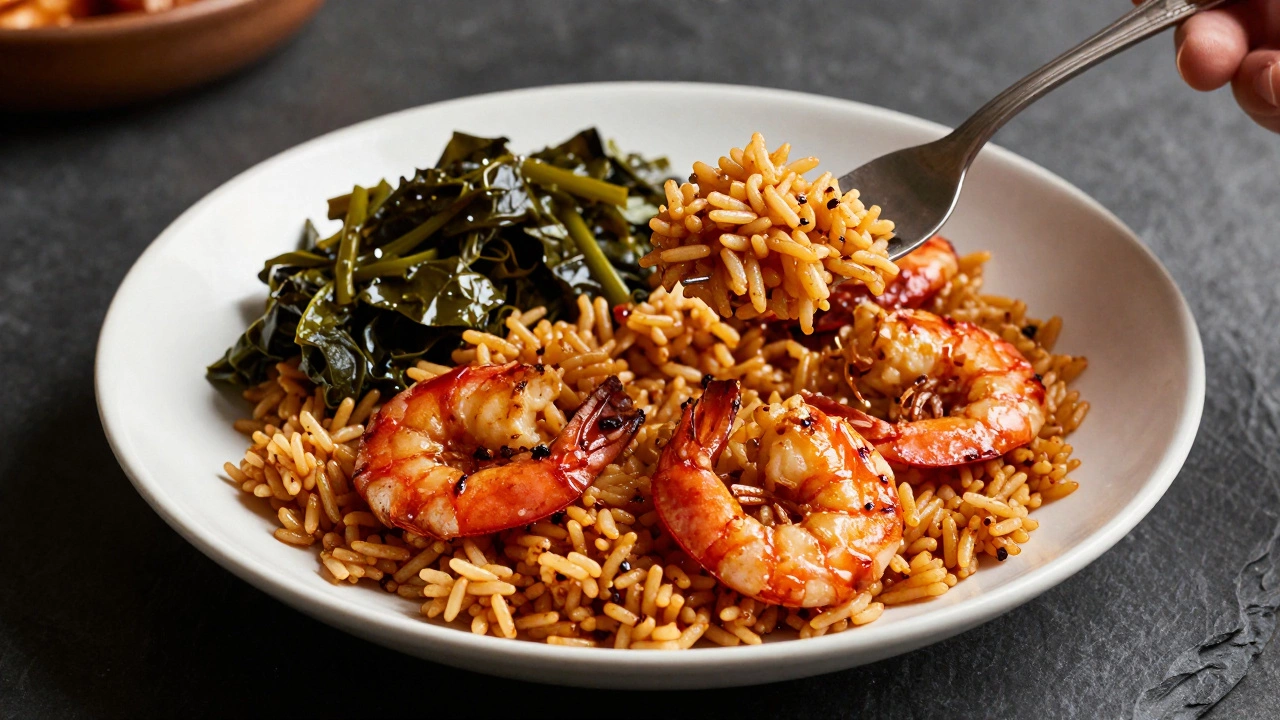
Carolina Gold shines in dishes where the rice acts as a canvas for flavors. Try it in traditional Hoppin’ John (a dish made with black-eyed peas and collard greens), jambalaya, or paired with grilled shrimp and lemon butter. Its nutty flavor stands up well to strong spices like saffron, cumin, and smoked paprika.
Where to Find Carolina Gold Rice Today
Finding authentic Carolina Gold Rice can be challenging. Most stores selling "Carolina Gold" are actually selling generic long-grain rice with a misleading label. To ensure you are getting the real thing, look for brands that partner directly with heritage farmers in South Carolina.
Reputable sources include specialty food retailers, online heritage seed companies, and direct-to-consumer farms participating in the South Carolina Heritage Rice program. Expect to pay more than you would for supermarket rice. Prices often range from $8 to $15 per pound, reflecting the labor-intensive harvesting process and limited supply. Some farms offer dried seed packets for home growers, which is a great way to support the preservation of this genetic lineage.
| Feature | Carolina Gold Rice | Standard Long-Grain White Rice |
|---|---|---|
| Grain Shape | Slender, slightly curved, golden hue | Straight, uniform white |
| Texture | Tender, fluffy, slight chew | Firm, sometimes dry or mushy |
| Flavor Profile | Nutty, subtly sweet, complex | Mild, neutral, bland |
| Growing Difficulty | High (requires specific water/temp) | Low (bred for industrial ease) |
| Price Point | Premium ($8-$15/lb) | Budget-friendly ($1-$3/lb) |
Preserving a Culinary Legacy
Choosing to cook or grow Carolina Gold Rice is more than a culinary decision; it is an act of cultural preservation. Every bag purchased supports small farmers who keep this ancient variety alive. Every garden plot dedicated to it helps maintain biodiversity in our food systems. As we move toward more sustainable and localized agriculture, heirloom crops like Carolina Gold remind us that food has history, identity, and soul. The next time you sit down to a meal, consider swapping out your usual white rice for this golden treasure. Your palate-and the future of this crop-will thank you.
Is Carolina Gold Rice gluten-free?
Yes, pure Carolina Gold Rice is naturally gluten-free. Like all true rice varieties, it does not contain gluten proteins. However, if you buy pre-packaged rice, check the label for warnings about cross-contamination in facilities that also process wheat, barley, or rye.
Can I grow Carolina Gold Rice in a container?
It is difficult but possible. You would need a large, watertight container (at least 5 gallons) to simulate flooded conditions. Place it in full sun and keep the water level consistent. Note that yields will be very low compared to ground planting, and you must ensure proper drainage during the final maturation stage.
What is the difference between Carolina Gold and Basmati rice?
Both are long-grain aromatic rices, but they differ in origin and flavor. Basmati is from South Asia and has a distinct floral aroma and elongated grains that expand significantly when cooked. Carolina Gold is from the American Southeast, has a nuttier, sweeter flavor, and retains a shorter, more tender grain shape after cooking.
Why is Carolina Gold Rice so expensive?
The high price reflects its rarity and labor-intensive production. Carolina Gold cannot be harvested efficiently by large combine harvesters because the grains shatter easily. It often requires manual harvesting or specialized small-scale equipment. Additionally, there are very few farmers growing it, limiting supply while demand from chefs and heritage enthusiasts remains steady.
How long does Carolina Gold Rice last in storage?
When stored in an airtight container in a cool, dark place, Carolina Gold Rice can last for several years. Heirloom grains often have better shelf stability than polished commercial rice because they retain more of their natural oils. However, for the best flavor, use it within 12-18 months of purchase.